Thursday, 1 October 2026 · Almaty
Section · 664 stories

Archaeology

The search for extraterrestrial life is currently built on two pillars: chemistry and radio signals

Archaeology · Observations · Science

The search for extraterrestrial life is currently built on two pillars: chemistry and radio signals

The search for extraterrestrial life is currently built on two pillars: chemistry and radio signals. Astrobiologists, astronomers and planetary scientists use spectroscopy to look in the atmospheres of distant planets for oxygen and methane, which may point to life in general, even if only bacteria. Radio astronomers listen for radio
By Alexandr Radayev
Whoever has not yet tired of following my scholarly work may like to hear about two interesting recent articles on my subject

Archaeology · Observations · Science · Palaeontology

Whoever has not yet tired of following my scholarly work may like to hear about two interesting recent articles on my subject

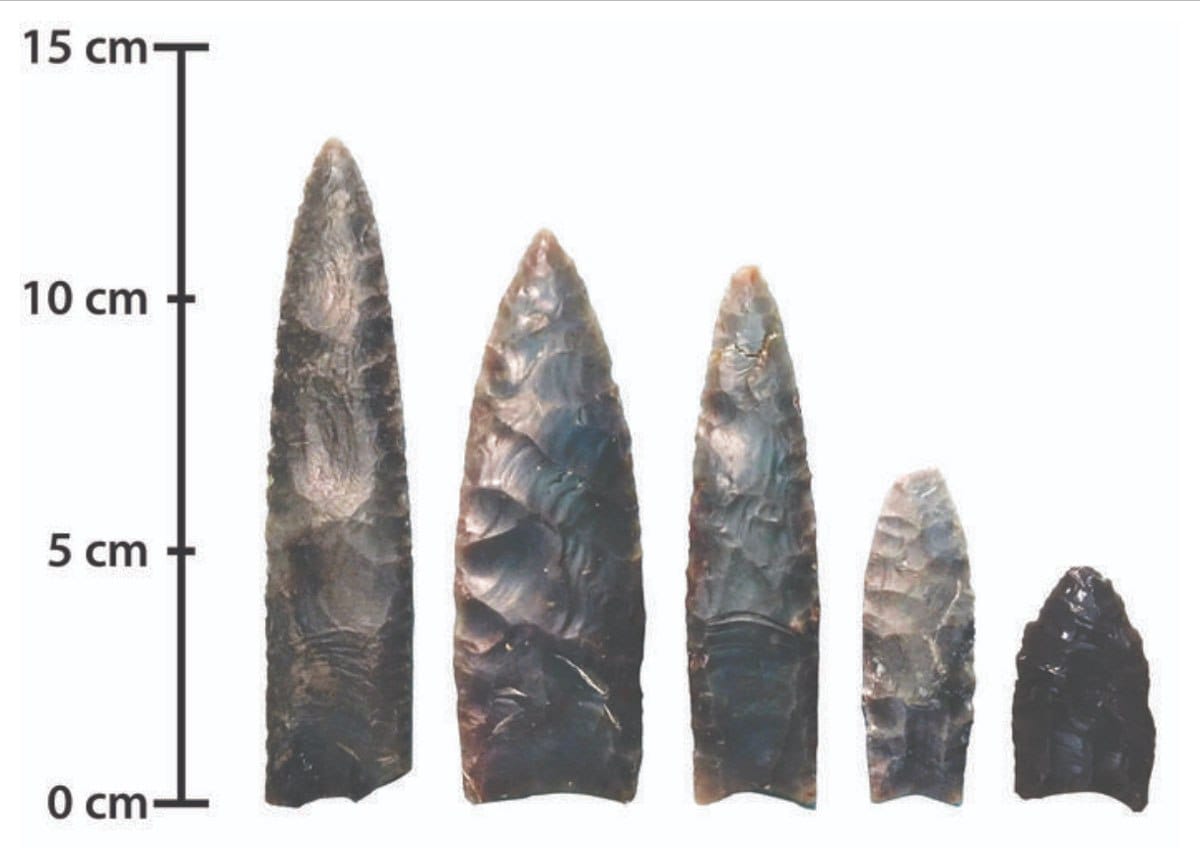
Whoever has not yet tired of following my scholarly work may like to hear about two interesting recent articles on my subject. One, by Ben Potter, maintains that the Palaeoindians were megafauna specialists who followed the mammoths from Alaska to Patagonia. Nothing especially sensational here. But the second article, by

By Alexandr Radayev
A discovery in a megalithic tomb 50 km north of Paris seeks to explain why such structures ceased to be built across Europe at roughly the same time

Archaeology · Observations · Science

A discovery in a megalithic tomb 50 km north of Paris seeks to explain why such structures ceased to be built across Europe at roughly the same time

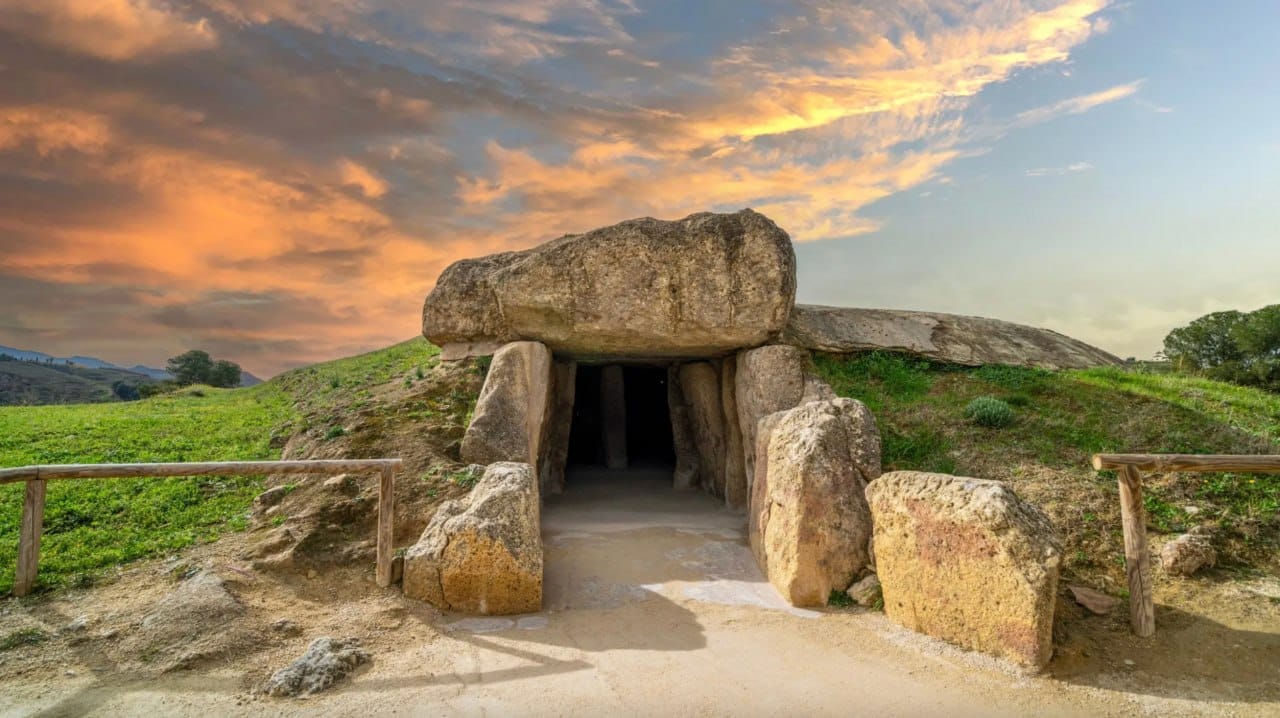
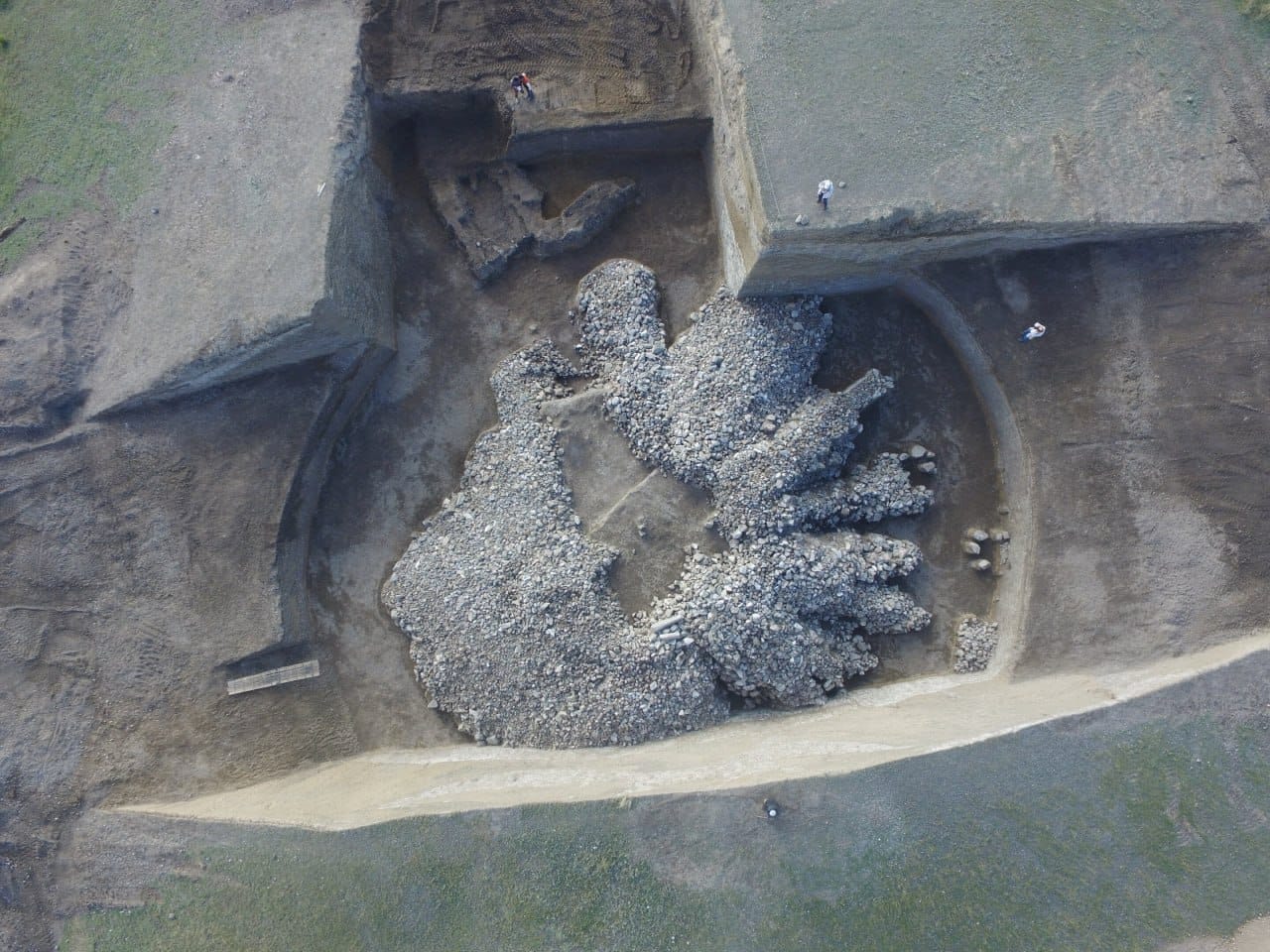
In brief, the cause was a major catastrophe in the Stone Age, around 3000 BC, after which the structure of the population changed entirely. The study, naturally enough, implies that the disappearance of the communities that built such burial complexes led to the disappearance of the monuments themselves. At the

By Alexandr Radayev
This small leather ball was found during the restoration of Stirling Castle in Scotland in the late 1970s and is considered the oldest surviving football in the world

Archaeology · Monarchies · Museums · Heritage

This small leather ball was found during the restoration of Stirling Castle in Scotland in the late 1970s and is considered the oldest surviving football in the world

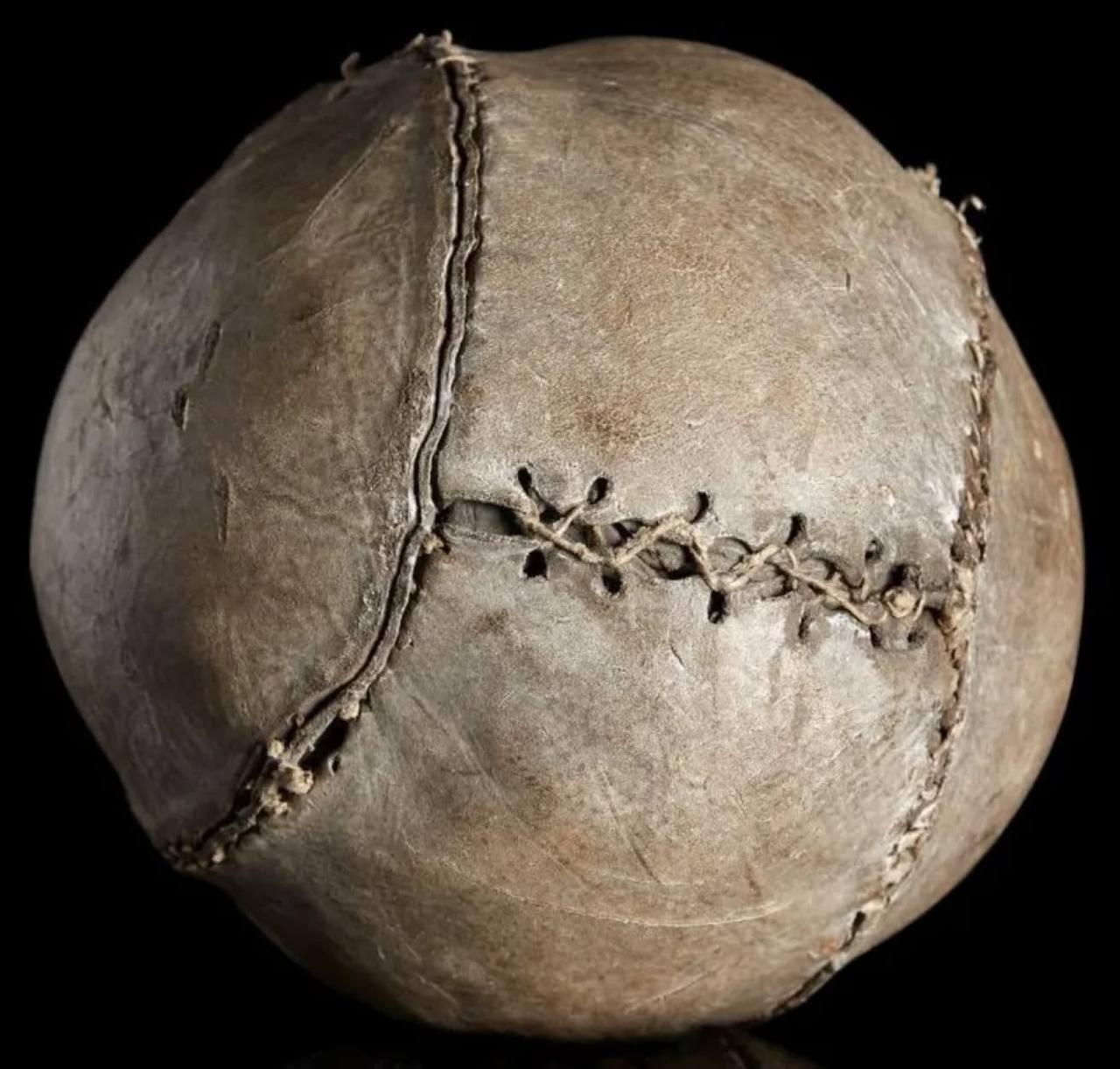
This small leather ball was found during the restoration of Stirling Castle in Scotland in the late 1970s and is considered the oldest surviving football in the world. It is almost 500 years old. The find is dated to the period between the 1540s and 1570s. The ball is stitched

By Alexandr Radayev
John Keats feared he might cease to be before his pen had gleaned his teeming brain, «before my pen has glean'd my teeming brain»

Archaeology · Art · Observations · Heritage · Science · Nature

John Keats feared he might cease to be before his pen had gleaned his teeming brain, «before my pen has glean'd my teeming brain»

John Keats feared he might cease to be before his pen had gleaned his teeming brain, «before my pen has glean'd my teeming brain». Our concern is rather that, amid the informational din, the important things of the month should not get lost. Hence the regular digest: the

By Alexandr Radayev
Pliny the Elder writes that Caesar the Dictator stretched awnings over the whole Roman Forum and over the Sacred Way, from his own house up to the Capitol, and that the spectacle was judged more wondrous than the gladiatorial combats themselves

Archaeology · Architecture · Books · Rome

Pliny the Elder writes that Caesar the Dictator stretched awnings over the whole Roman Forum and over the Sacred Way, from his own house up to the Capitol, and that the spectacle was judged more wondrous than the gladiatorial combats themselves

Pliny the Elder writes that Caesar the Dictator stretched awnings over the whole Roman Forum and over the Sacred Way, from his own house up to the Capitol, and that the spectacle was judged more wondrous than the gladiatorial combats themselves. Fabric awnings against the sun, vela in Latin, were

By Alexandr Radayev