This melon seed is more than 1,000 years old, and its DNA proves that melons reached China from South Asia
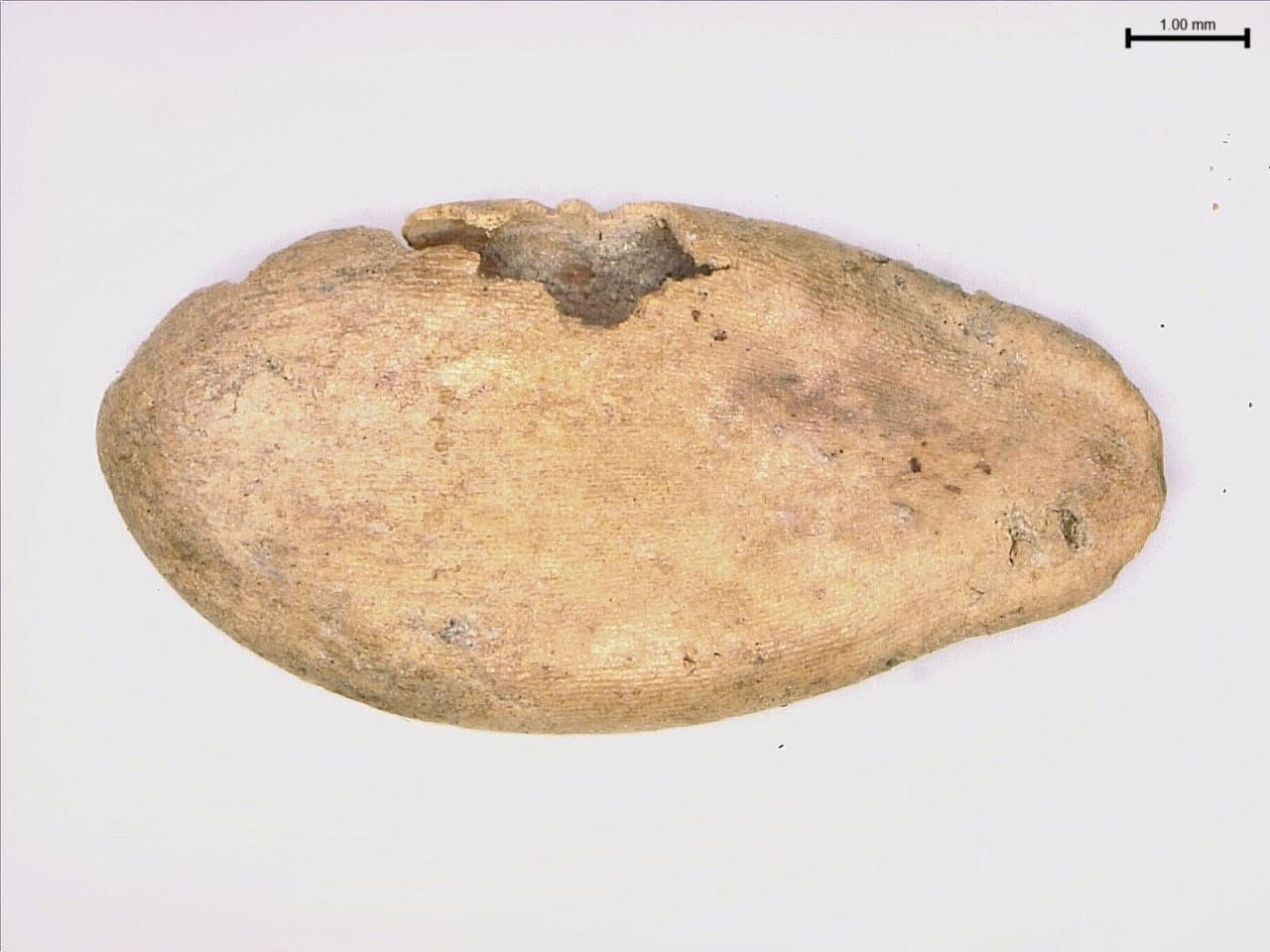
Melon seeds found during the 2024 excavations at the submerged medieval port of Shomen Gugan, in the present-day city of Wenzhou in south-eastern China, have preserved their DNA thanks to airtight, waterlogged sediments.
Four seeds were found in all. Two of them contained enough genetic material for sequencing, that is, for reading the DNA sequence. Radiocarbon dating gave a range of roughly 1020 to 1150 AD.
Both genomes belong to the agrestis lineage, that is, to the East Asian branch of the cultivated melon, which is still grown in China today. Neither genome, however, contains the gene variants responsible for sweetness, so the Song-dynasty melon was not a dessert fruit but a vegetable, suited rather to pickling. On the combined evidence, the researchers describe it as a fruit with pale green flesh and a yellow rind.
The main conclusion concerns origins. The data do not support the theory of an independent domestication of the melon in China and point to its arrival from South Asia. Two routes of entry are under consideration: a northern one, along the Silk Road, and a southern one, along the Tea Horse Road across the Himalayas.
The archaeological evidence points rather in favour of the southern route, where melon seeds turn up in a burial of 238 BC, that is, roughly nine centuries earlier than the northern finds.