A new estimate of the Indigenous population of Australia before the arrival of Europeans has been published
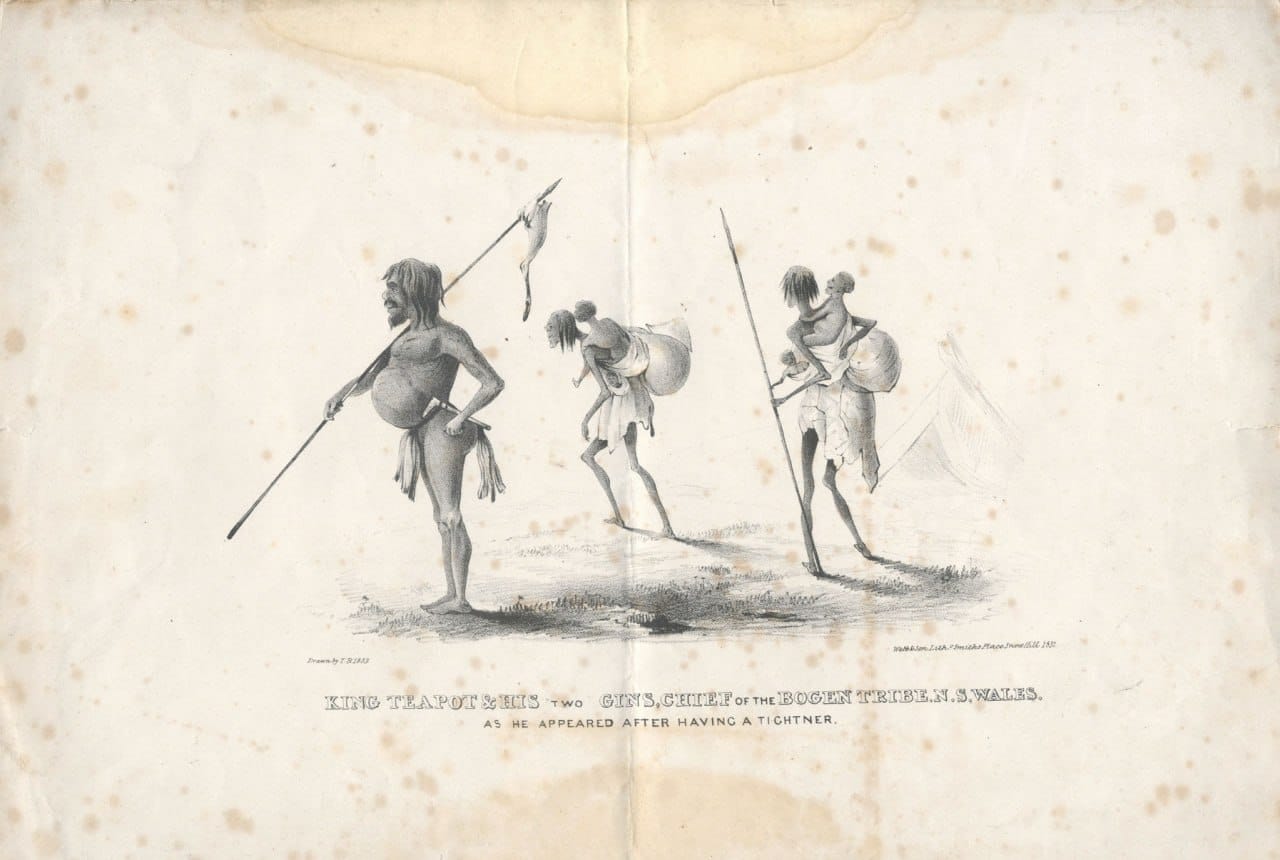
A new estimate of the Indigenous population of Australia before the arrival of Europeans has been published. Modelling based on archaeological, genetic, ethnographic and ecological data has produced a median estimate of 2.22 million people by 1788, that is, by the arrival of the First Fleet. Earlier estimates ranged from 250,000 to one million.
It follows that the losses caused by colonisation were also considerably greater than had been thought. The researchers put excess mortality for the years 1788-1861 at 2.06 million people, some 93% of the population in less than eighty years. The chief causes named are imported diseases, smallpox above all, together with frontier violence, massacres and dispossession of land.
Corey Bradshaw of Flinders University, one of the authors of the study, explains that earlier estimates, based on historical testimony, understated the numbers, and connects this with the notion of terra nullius, that is, “no man's land”, the legal doctrine under which the continent was deemed unoccupied and therefore open to appropriation. The first consolidated estimate was made by the anthropologist Alfred Radcliffe-Brown only in the 1930s, more than a hundred and forty years after colonisation began. Bradshaw also notes that the massacres recorded in databases account for only a small part of what occurred, since a considerable share of the violence was committed in secret.
According to the 2021 census, the Indigenous population stands at roughly 37% of the new estimate for 1788. At the present rate of growth, Aboriginal Australians will match the pre-colonial figure around 2047.
But it must be understood that these are not real figures but a model, with certain assumptions and trends built into it. The scholars are saying, rather, that by the time the Europeans arrived, so many people could have been living on the continent, or perhaps not so many.