Thursday, 1 October 2026 · Almaty
Section · 664 stories

Archaeology

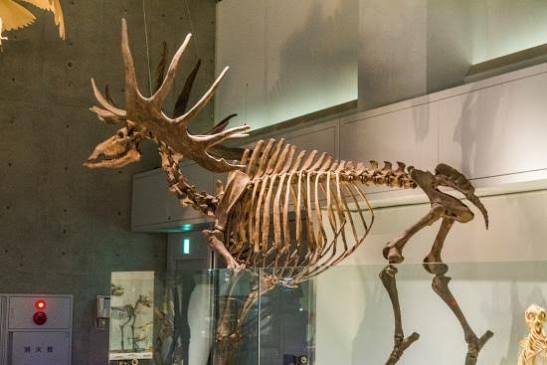
The terms “invasive” and “non-native” carry fatal legal consequences for biological species

Archaeology · Science · Nature · Ethnography

The terms “invasive” and “non-native” carry fatal legal consequences for biological species

The terms “invasive” and “non-native” carry fatal legal consequences for biological species. These labels, in essence, open the way to measures up to and including the complete destruction of populations. In science this is called eradication. What mostly comes to mind are examples of the total eradication of species
By Alexandr Radayev
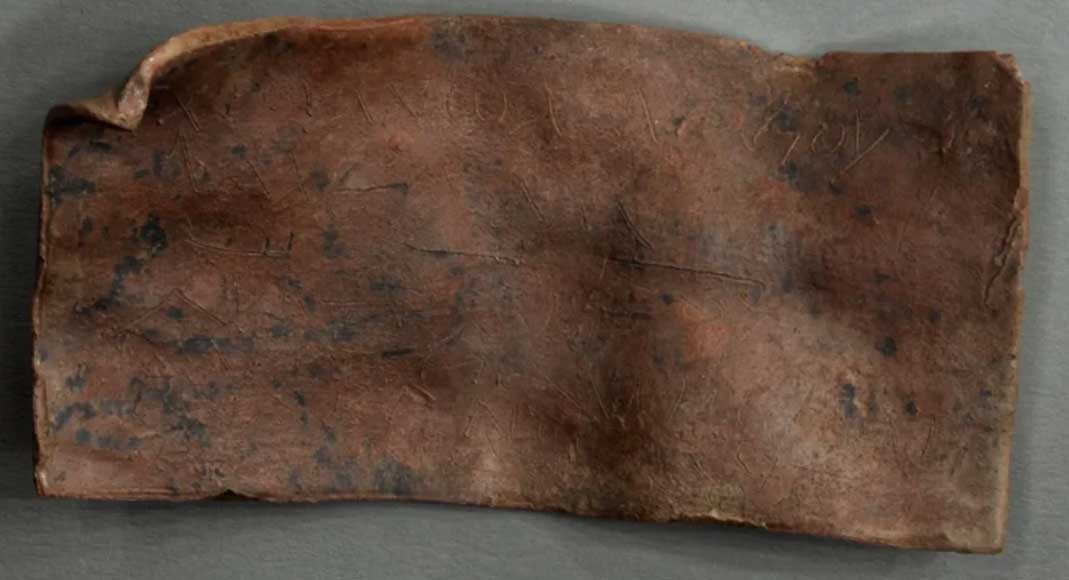
A lead curse tablet, or defixio, written in Ancient Greek and designed in the Egyptian manner, with a group of magical signs meant to carry its request to the powers of the other world

Archaeology · Faith · Museums

A lead curse tablet, or defixio, written in Ancient Greek and designed in the Egyptian manner, with a group of magical signs meant to carry its request to the powers of the other world

A lead curse tablet, or defixio, written in Ancient Greek and designed in the Egyptian manner, with a group of magical signs meant to carry its request to the powers of the other world. The tablet names two men and two women, who may equally be the cursed or the

By Alexandr Radayev
A team of researchers from Oxford, let us call the collective MacLeod and colleagues, has found traces of the plague bacillus about 5,500 years old in the DNA of the hunter-gatherers of the Baikal region

Archaeology · Science · Nature

A team of researchers from Oxford, let us call the collective MacLeod and colleagues, has found traces of the plague bacillus about 5,500 years old in the DNA of the hunter-gatherers of the Baikal region

A team of researchers from Oxford, let us call the collective MacLeod and colleagues, has found traces of the plague bacillus about 5,500 years old in the DNA of the hunter-gatherers of the Baikal region. This is the earliest outbreak of plague recorded in archaeological material. The Plague

By Alexandr Radayev
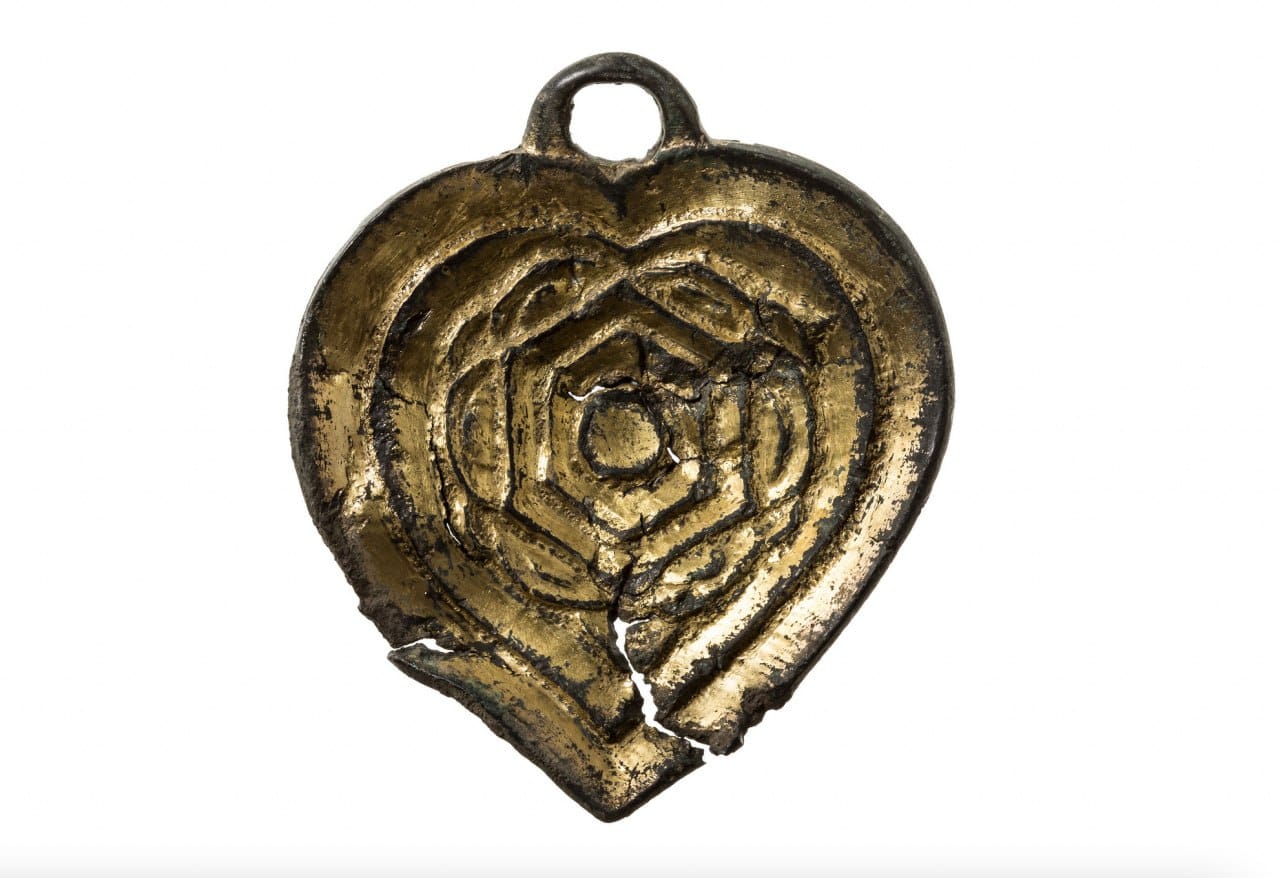
This is a gilded bronze earring from a tenth-century burial investigated by an expedition of the Academy of Sciences in the Sayan Mountains of southern Siberia

Archaeology · Geography · Ethnography

This is a gilded bronze earring from a tenth-century burial investigated by an expedition of the Academy of Sciences in the Sayan Mountains of southern Siberia

The grave, discovered as long ago as 2014 during preparations for the building of a railway, contained the remains of a woman, a newborn infant, the spine of a sheep, and the skull, limbs and hide of a horse. Such attributes belong to a rare ritual practice of the steppe

By Alexandr Radayev
A team of researchers at Yale University has established that the earliest populations of Near Oceania interbred with at least three distinct groups related to the Denisovans

Archaeology · Science · Ethnography

A team of researchers at Yale University has established that the earliest populations of Near Oceania interbred with at least three distinct groups related to the Denisovans

A team of researchers at Yale University has established that the earliest populations of Near Oceania interbred with at least three distinct groups related to the Denisovans. The conclusion rests on an analysis of the genomes of 177 people from 12 populations in Papua New Guinea, the Bismarck Archipelago and

By Alexandr Radayev
A popular genre, a chat about the brain: on Hugh Groucutt's interesting idea that Homo sapiens took shape slowly and gradually, without revolutionary upheavals

Coming Up · Archaeology · In the Press · Observations · Science

A popular genre, a chat about the brain: on Hugh Groucutt's interesting idea that Homo sapiens took shape slowly and gradually, without revolutionary upheavals

In essence, the cognitive revolution of 40,000 to 50,000 years ago is one of the textbook stories. Homo sapiens supposedly grew clever all of a sudden, drew a bull on a cave wall and set off to conquer the planet. The trouble is that anatomically modern humans appeared

By Alexandr Radayev
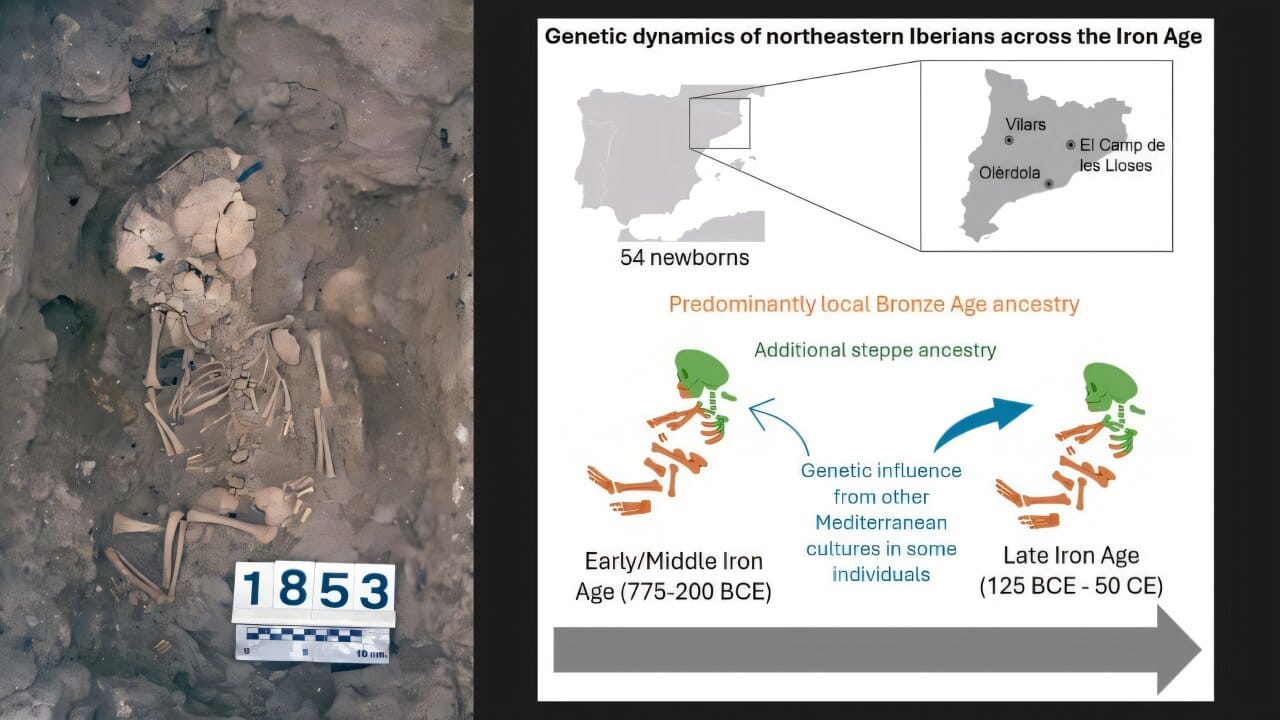
Palaeogeneticists from the Autonomous University of Barcelona have studied the genomes of 54 Iron Age infants from the north-east of the Iberian Peninsula

Archaeology · Science

Palaeogeneticists from the Autonomous University of Barcelona have studied the genomes of 54 Iron Age infants from the north-east of the Iberian Peninsula

Palaeogeneticists from the Autonomous University of Barcelona have studied the genomes of 54 Iron Age infants from the north-east of the Iberian Peninsula. The material was taken from settlements of the Iberians, a pre-Roman people of eastern Spain, within a chronological range of roughly 750 to 250 BC,

By Alexandr Radayev