Friday, 2 October 2026 · Almaty
Section · 121 stories

Palaeontology

Whoever has not yet tired of following my scholarly work may like to hear about two interesting recent articles on my subject

Archaeology · Observations · Science · Palaeontology

Whoever has not yet tired of following my scholarly work may like to hear about two interesting recent articles on my subject

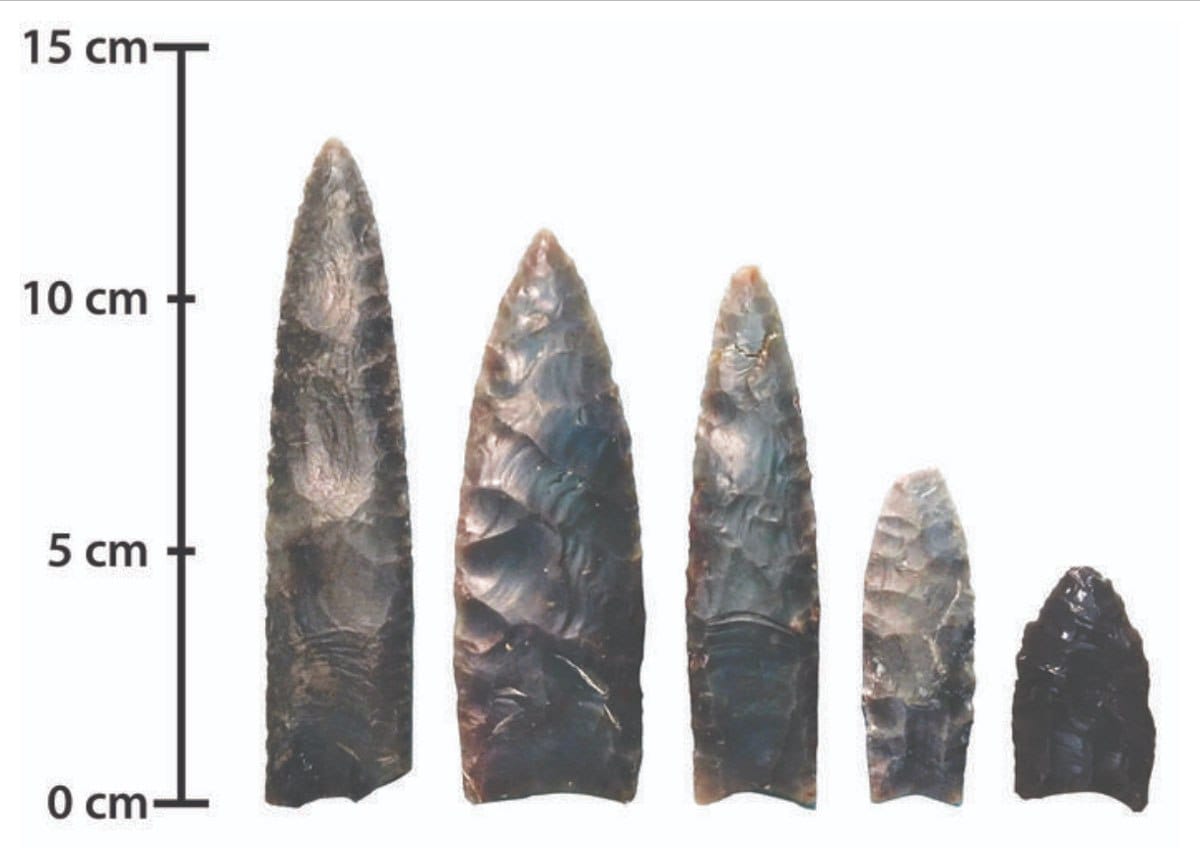
Whoever has not yet tired of following my scholarly work may like to hear about two interesting recent articles on my subject. One, by Ben Potter, maintains that the Palaeoindians were megafauna specialists who followed the mammoths from Alaska to Patagonia. Nothing especially sensational here. But the second article, by

By Alexandr Radayev
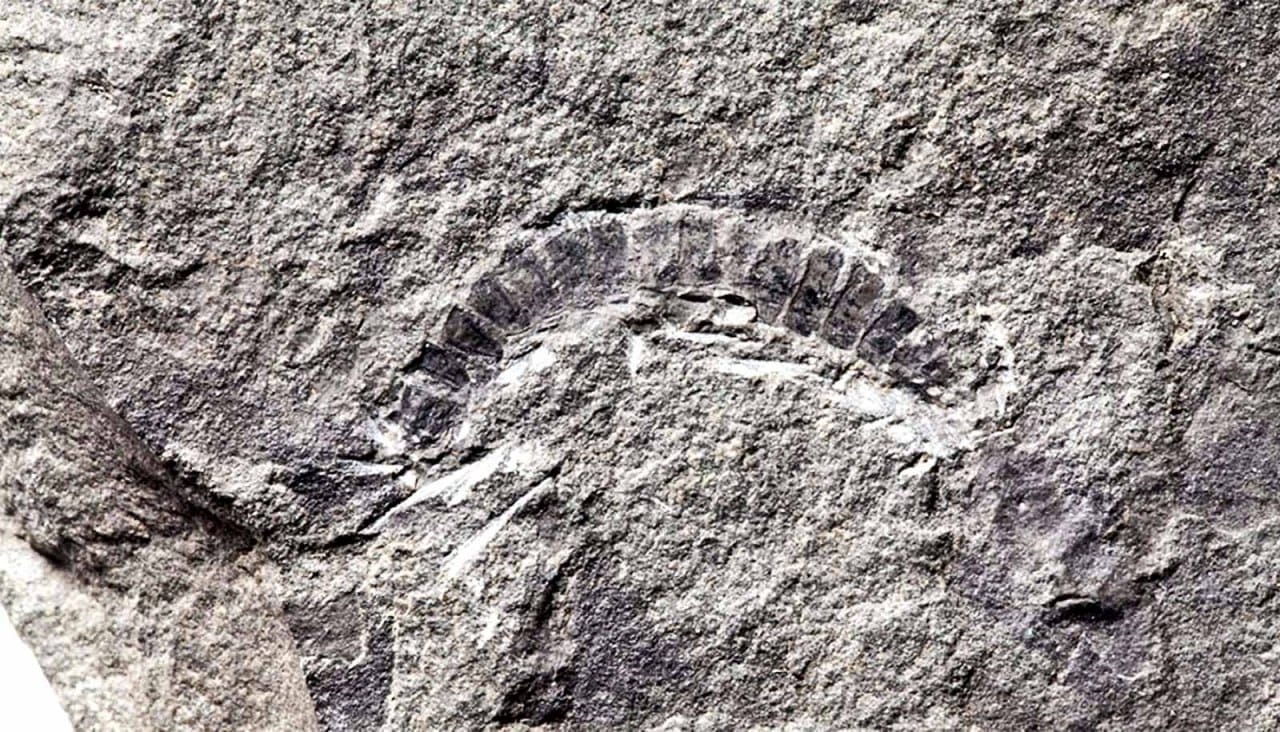
Next time, before you kill a centipede at home, remember that its ancestors came ashore 80 million years before the vertebrates

Science · Palaeontology · Nature · Humour

Next time, before you kill a centipede at home, remember that its ancestors came ashore 80 million years before the vertebrates

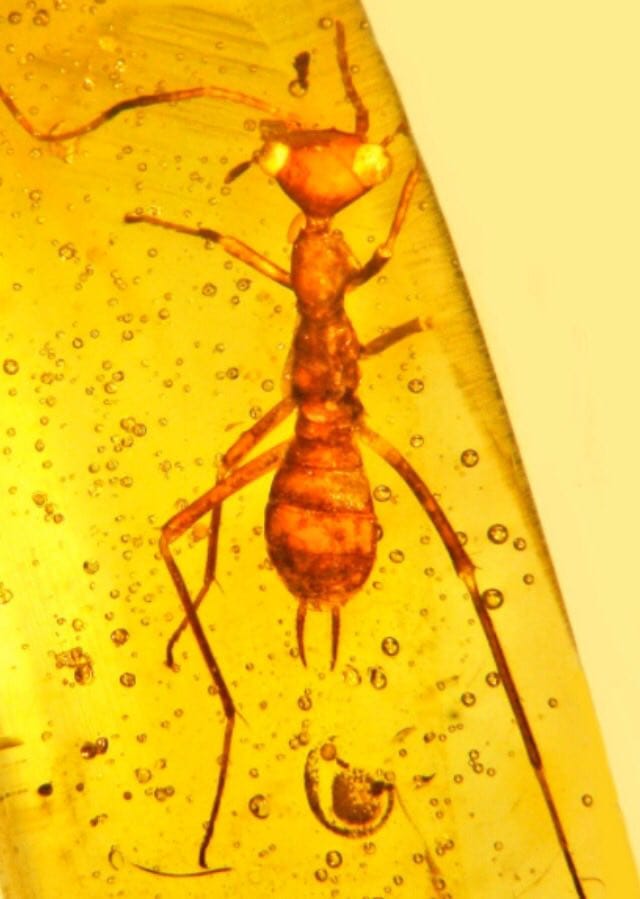
Next time, before you kill a centipede at home, remember that its ancestors came ashore 80 million years before the vertebrates. The first myriapods appeared some 460 million years ago. That is 35 million years earlier than the oldest known myriapod fossils. In the world onto which they crawled, or

By Alexandr Radayev
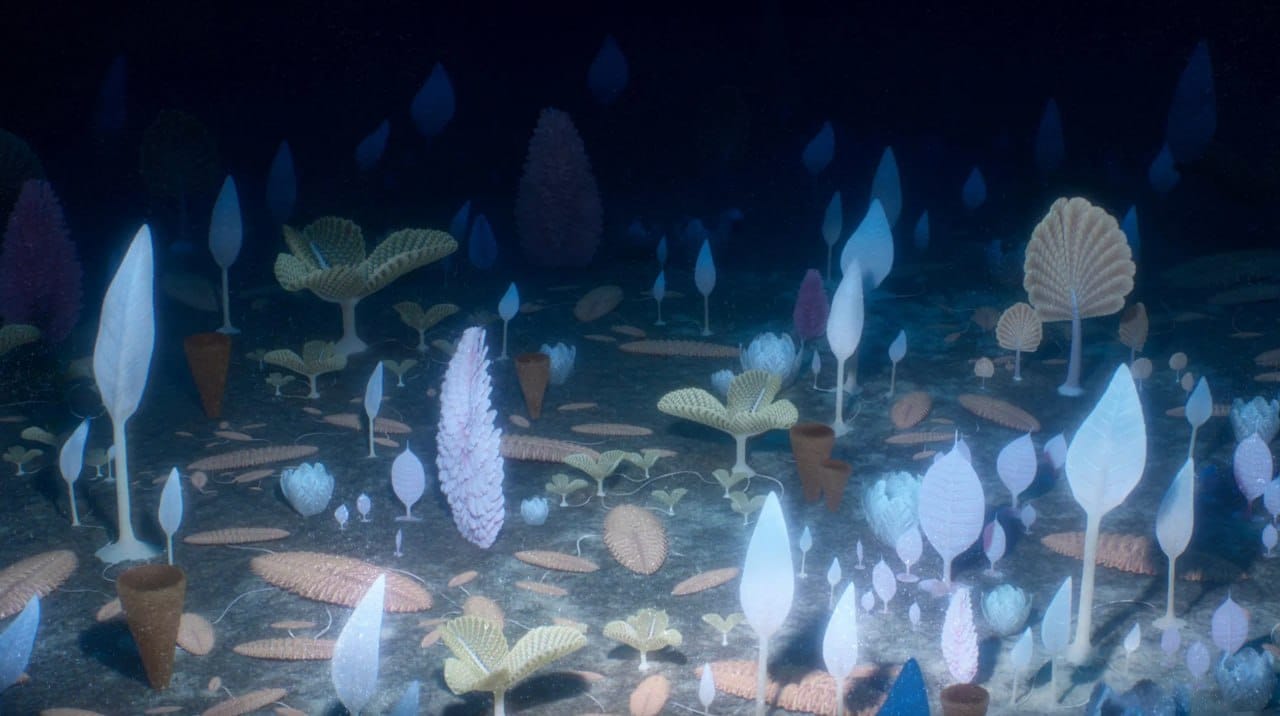
The first animals are thought to have appeared in the Ediacaran, some 635 to 539 million years ago, but then came millions of years of calm, until a sudden diversity burst forth

Science · Palaeontology · Nature

The first animals are thought to have appeared in the Ediacaran, some 635 to 539 million years ago, but then came millions of years of calm, until a sudden diversity burst forth

A study from Cambridge, published in Nature Ecology and Evolution, tries to answer the question of where this pause came from. The version runs as follows. Early animals reproduced asexually. They spread by stolons, runners, like the modern strawberry, producing copies of themselves. In the bountiful Ediacaran seas this worked

By Alexandr Radayev
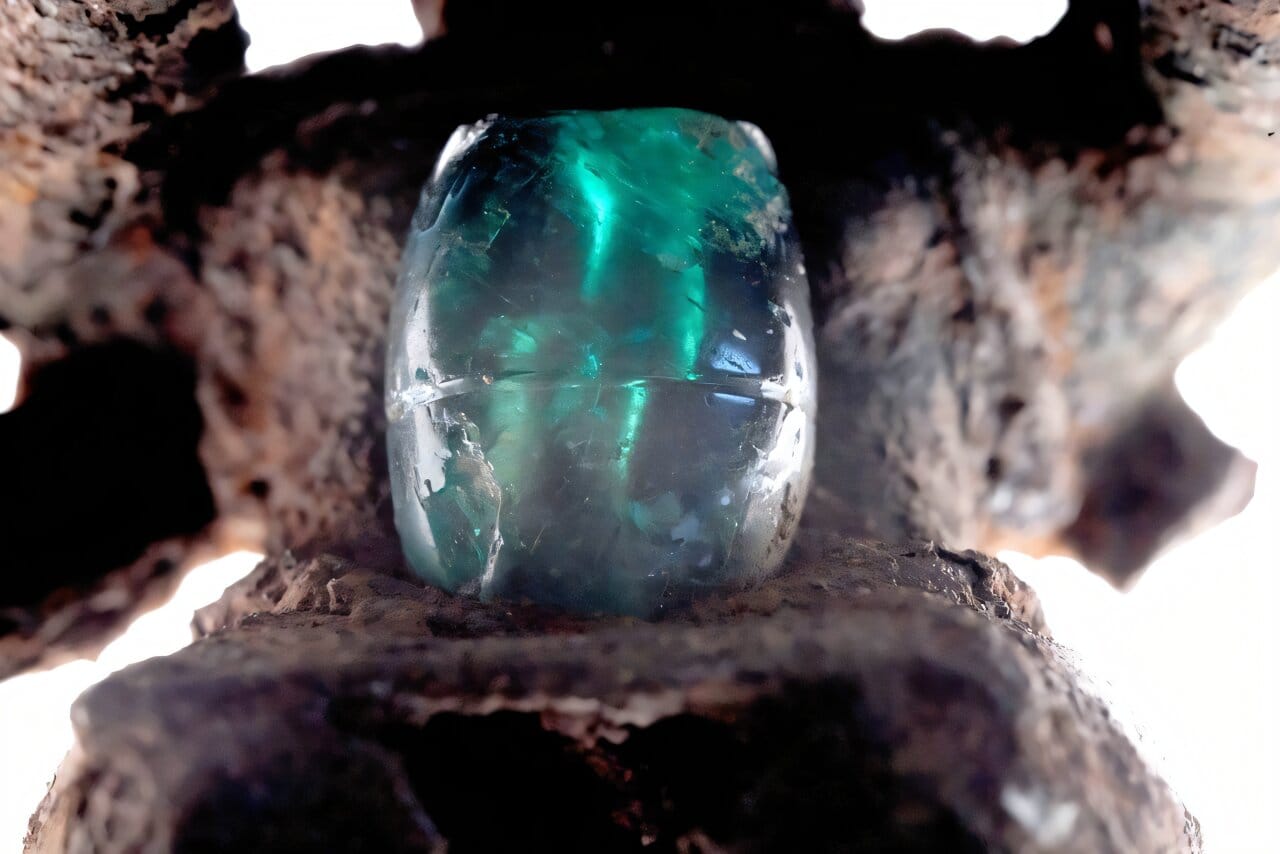
In two elite burials on the Pacific coast of Panama, El Caño and Sitio Conte, dating to around AD 800–1000, five emeralds mined in Colombia more than 1,000 years ago were found alongside gold, pyrite mirrors and fossilised megalodon teeth

Archaeology · Geography · Palaeontology

In two elite burials on the Pacific coast of Panama, El Caño and Sitio Conte, dating to around AD 800–1000, five emeralds mined in Colombia more than 1,000 years ago were found alongside gold, pyrite mirrors and fossilised megalodon teeth

In two elite burials on the Pacific coast of Panama, El Caño and Sitio Conte, dating to around AD 800–1000, five emeralds mined in Colombia more than 1,000 years ago were found alongside gold, pyrite mirrors and fossilised megalodon teeth. It turned out that the stones had travelled

By Alexandr Radayev
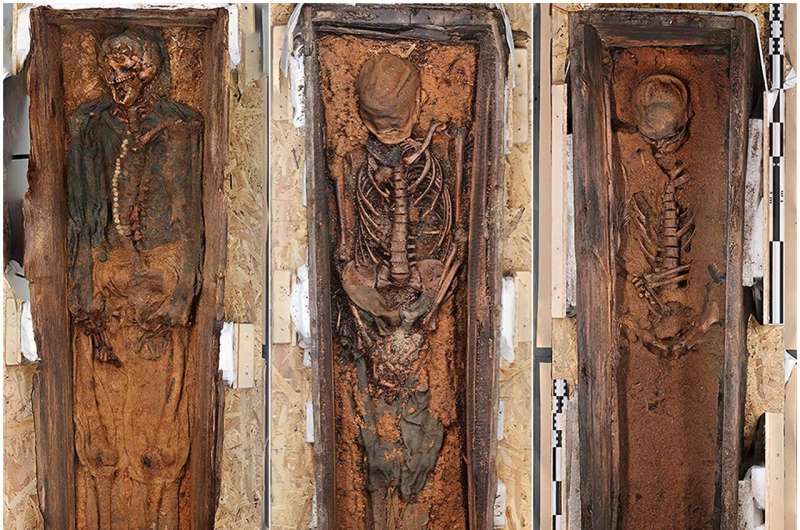
The 17th-century "Whalers' Cemetery" on Spitsbergen, by the Likneset station, has begun to thaw after 400 years

Archaeology · Heritage · Science · Palaeontology · Nature

The 17th-century "Whalers' Cemetery" on Spitsbergen, by the Likneset station, has begun to thaw after 400 years

The 17th-century "Whalers' Cemetery" on Spitsbergen, by the Likneset station, has begun to thaw after 400 years. And now Norwegian archaeologists are examining knitted woollen stockings, finely woven woollen trousers, blue silk neckerchiefs, fragments of blue-striped linen shirts, caps and blankets found in remarkably well-

By Alexandr Radayev
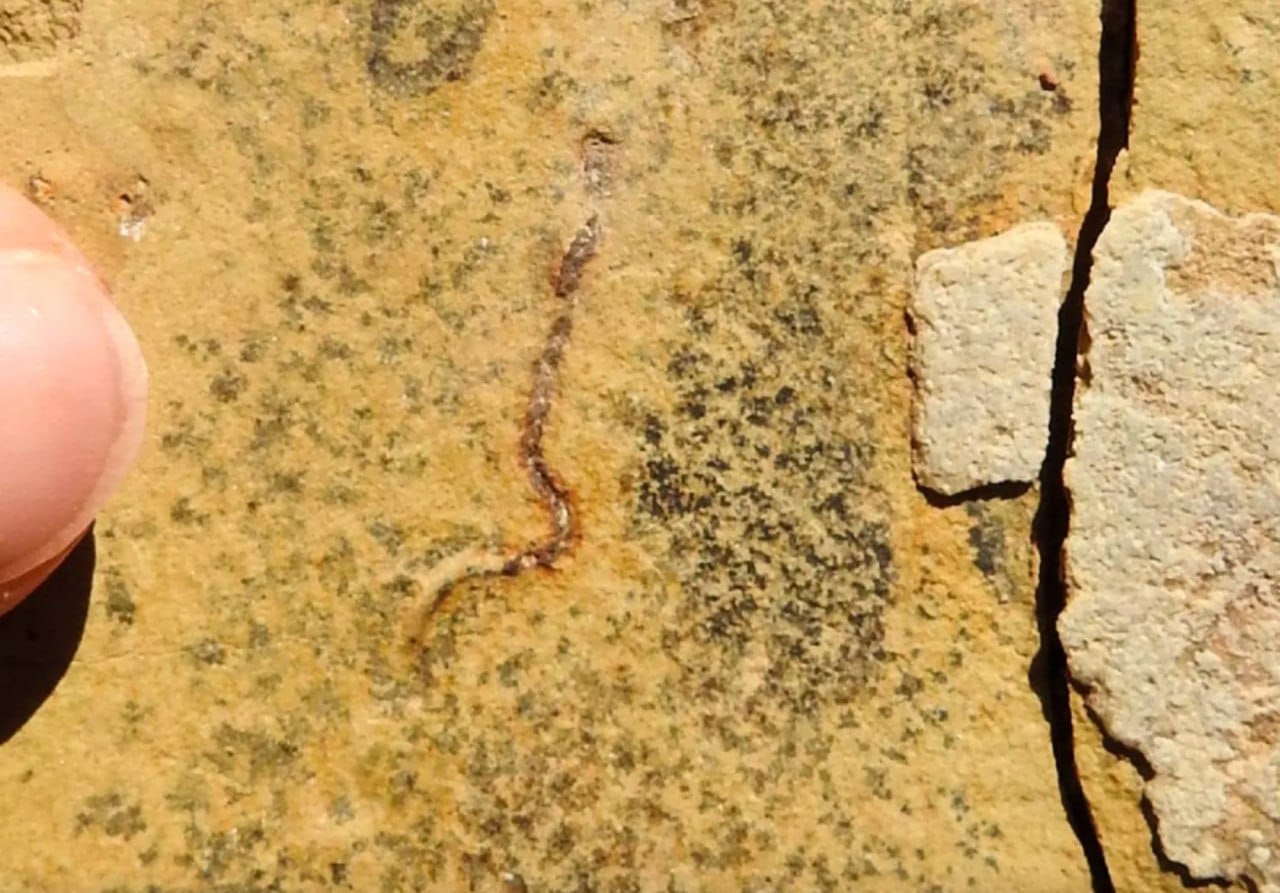
540-Million-Year-Old Microfossils from Brazil, Long Regarded by Palaeontologists as Traces of the Movement of the Earliest Worm-Like Animals or Meiofauna, Turn Out to Be Fossilised Colonies of Bacteria and Algae

Science · Palaeontology · Nature

540-Million-Year-Old Microfossils from Brazil, Long Regarded by Palaeontologists as Traces of the Movement of the Earliest Worm-Like Animals or Meiofauna, Turn Out to Be Fossilised Colonies of Bacteria and Algae

The discovery casts doubt on the hypothesis that complex, mobile animals were widely active before the celebrated "Cambrian explosion". The findings became possible thanks to micro- and nanotomography at a state-of-the-art beamline of Sirius, the Brazilian particle accelerator. The technology made it possible to study

By Alexandr Radayev
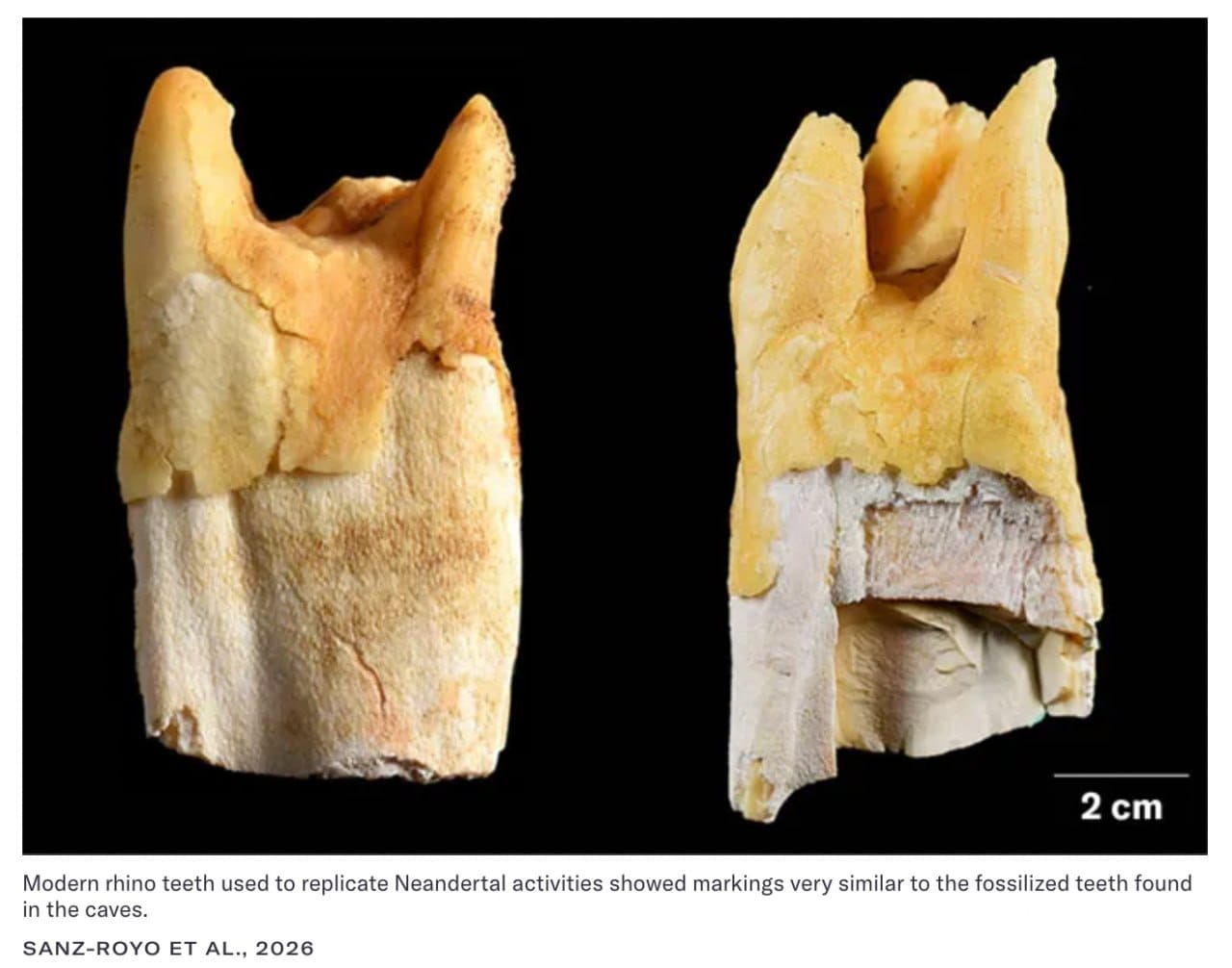
Researchers from the University of Aberdeen have analysed marks on the teeth of the narrow-nosed rhinoceros Stephanorhinus hemitoechus from two Middle Palaeolithic sites in Spain and France, dating to some 100,000 years ago

Archaeology · Science · Palaeontology

Researchers from the University of Aberdeen have analysed marks on the teeth of the narrow-nosed rhinoceros Stephanorhinus hemitoechus from two Middle Palaeolithic sites in Spain and France, dating to some 100,000 years ago

Researchers from the University of Aberdeen have analysed marks on the teeth of the narrow-nosed rhinoceros Stephanorhinus hemitoechus from two Middle Palaeolithic sites in Spain and France, dating to some 100,000 years ago. The grooves, notches, sliding marks and scratches proved to be precisely what repeated percussion leaves

By Alexandr Radayev