Thursday, 1 October 2026 · Almaty
Section · 664 stories

Archaeology

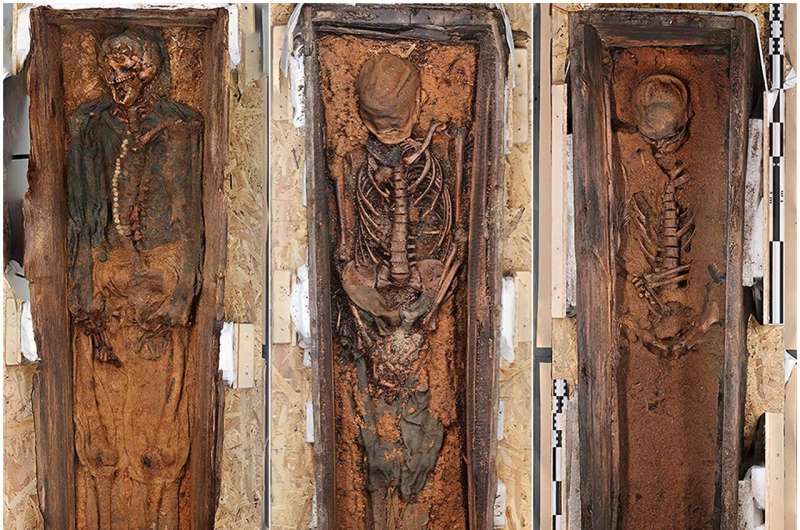
The 17th-century "Whalers' Cemetery" on Spitsbergen, by the Likneset station, has begun to thaw after 400 years

Archaeology · Heritage · Science · Palaeontology · Nature

The 17th-century "Whalers' Cemetery" on Spitsbergen, by the Likneset station, has begun to thaw after 400 years

The 17th-century "Whalers' Cemetery" on Spitsbergen, by the Likneset station, has begun to thaw after 400 years. And now Norwegian archaeologists are examining knitted woollen stockings, finely woven woollen trousers, blue silk neckerchiefs, fragments of blue-striped linen shirts, caps and blankets found in remarkably well-

By Alexandr Radayev
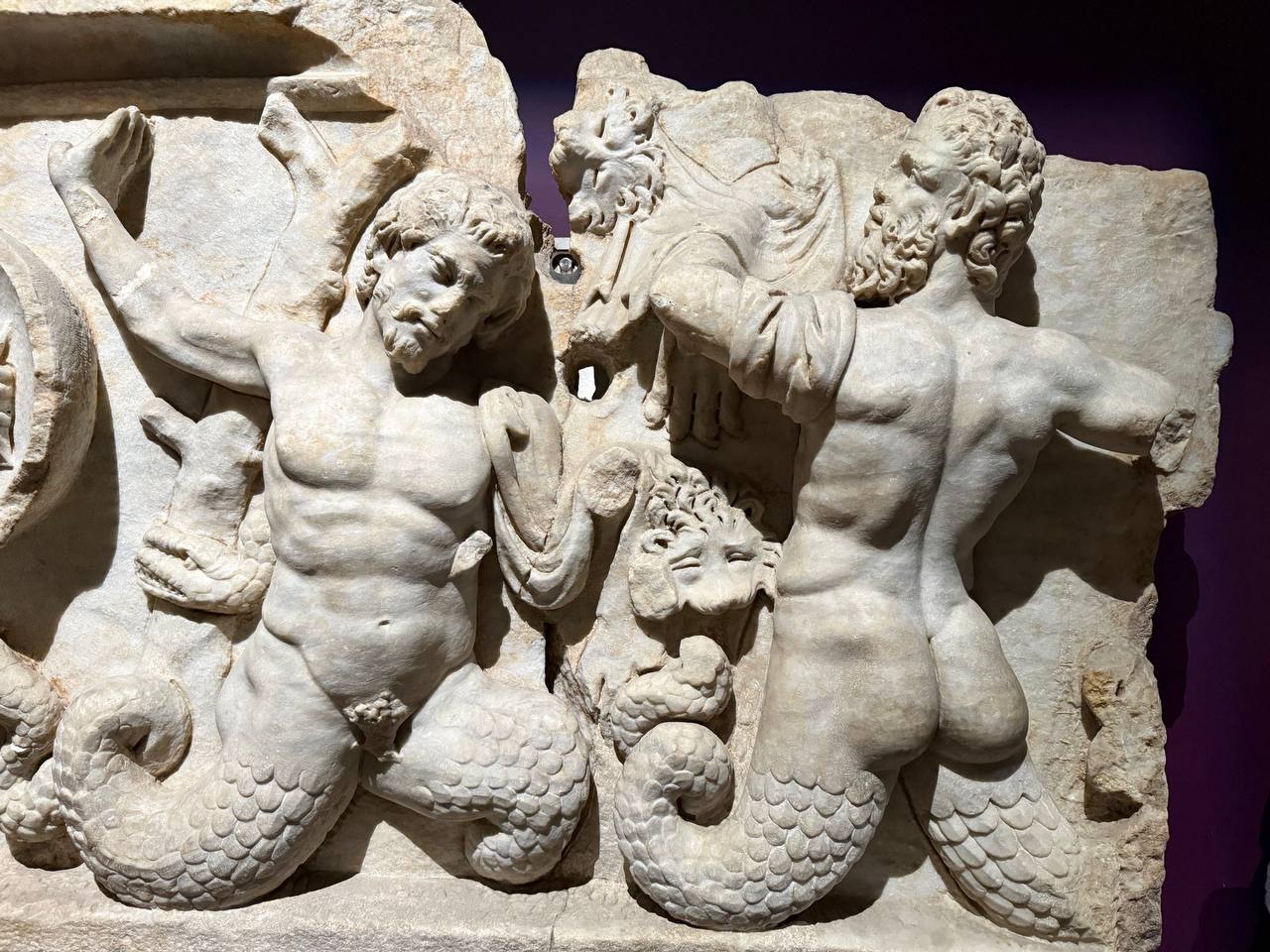
The Greeks called the battle of the Olympian gods against the giants a Gigantomachy: creatures born of the earth who rose against the new divine order

Archaeology · The East · Art · Museums

The Greeks called the battle of the Olympian gods against the giants a Gigantomachy: creatures born of the earth who rose against the new divine order

The photograph shows a fragment of a relief of the 2nd century BC from Aphrodisias. It is now kept in the Istanbul Archaeological Museum. The relief depicts giants with serpent bodies in place of legs. This iconography appears in the Hellenistic period and stresses the giants' link with the

By Alexandr Radayev
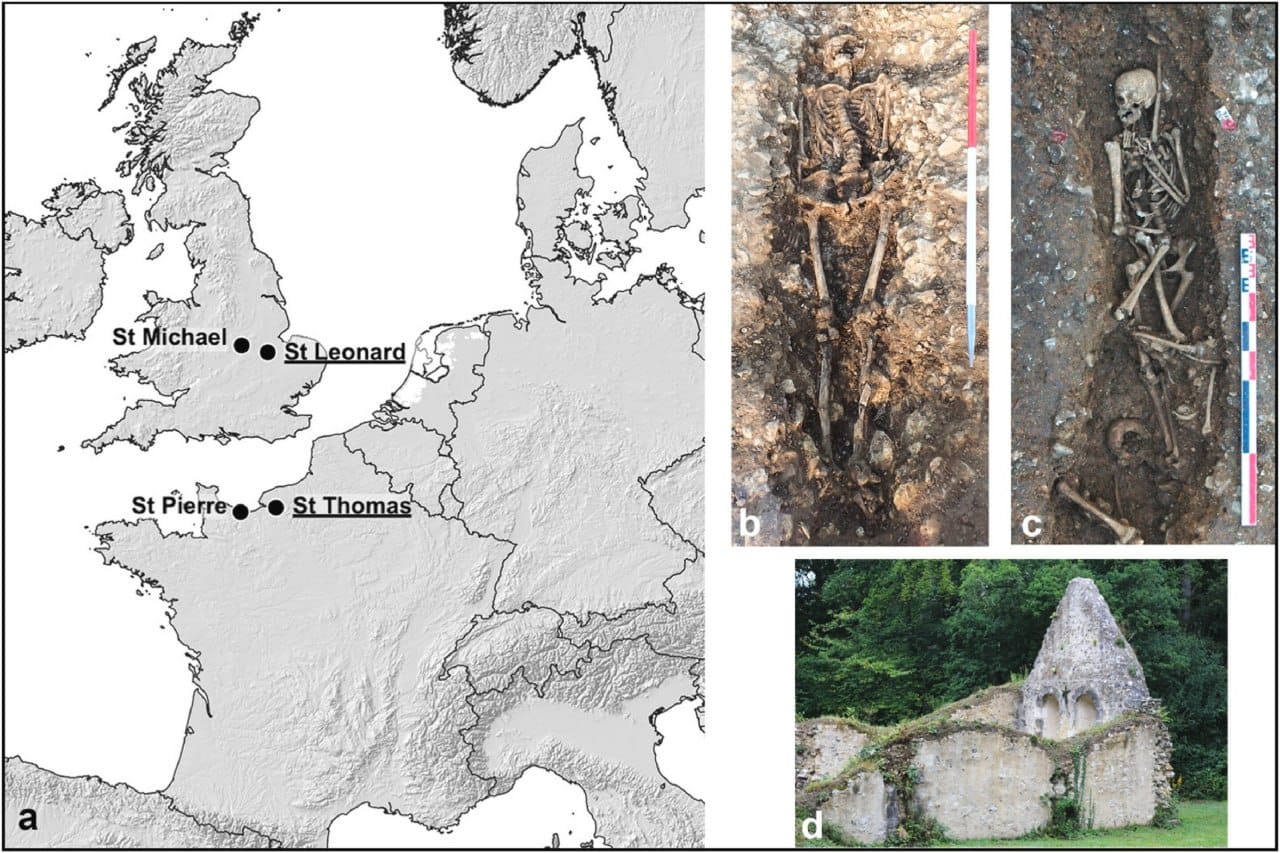
Dental calculus is the last kind of stone an archaeologist expects to find, yet Elena Fiorin and her colleagues have published measurements of mercury concentrations not in bones but in the dental plaque of those buried at two leprosaria: St Leonard in…

Archaeology · Science · Humour

Dental calculus is the last kind of stone an archaeologist expects to find, yet Elena Fiorin and her colleagues have published measurements of mercury concentrations not in bones but in the dental plaque of those buried at two leprosaria: St Leonard in…

76 samples of dental plaque and 45 of soil showed that the inmates of the leprosaria carried between 0.11 and 9.7 mg/kg of mercury, that is, several times more than the control groups from ordinary cemeteries. This confirms that lepers were indeed treated with mercury. It was

By Alexandr Radayev
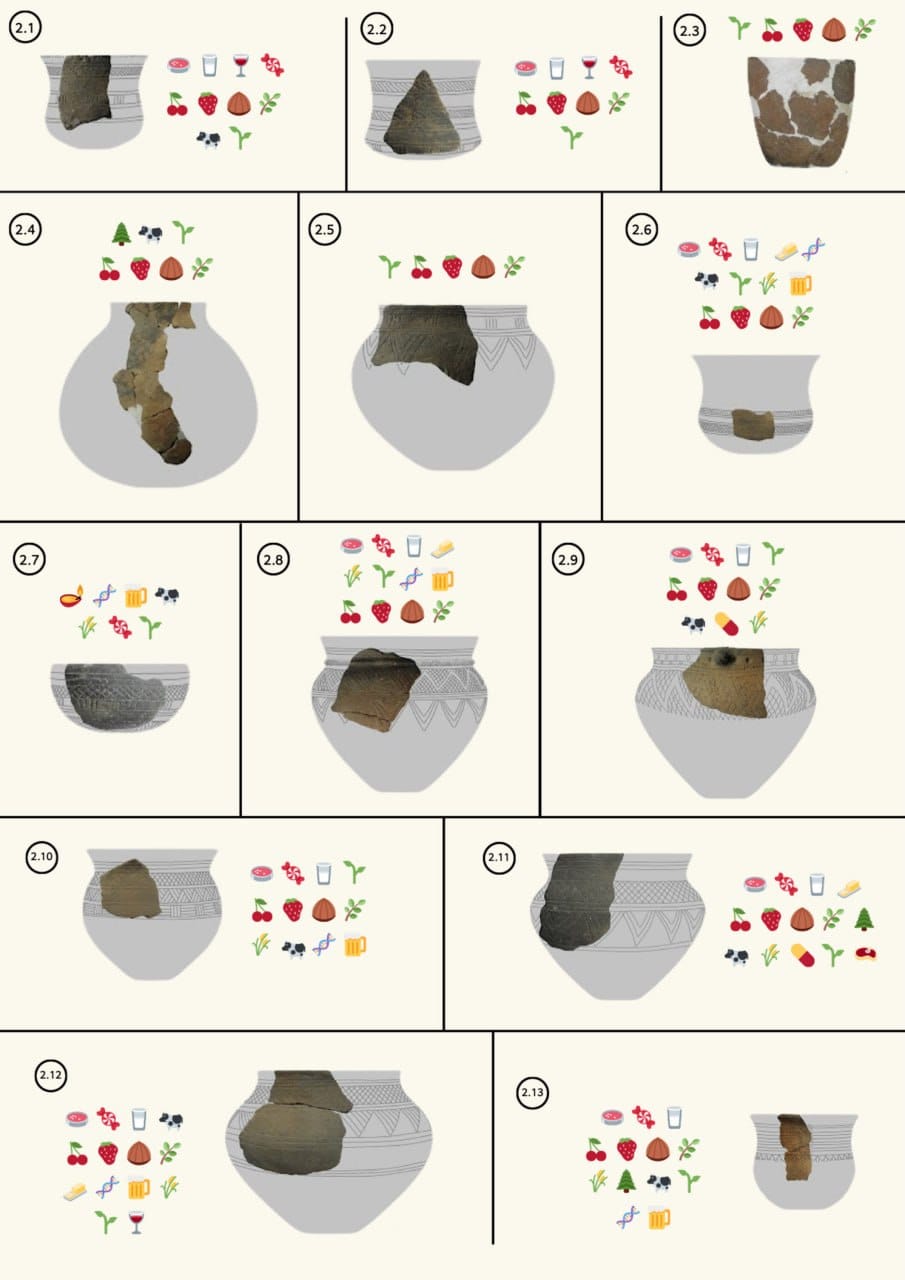
Prehistoric Danes kept hunting and fishing as their main sources of sustenance even centuries after the arrival of agriculture!

Archaeology · Observations · Science · Humour

Prehistoric Danes kept hunting and fishing as their main sources of sustenance even centuries after the arrival of agriculture!

Now there's a discovery! People went on procuring food outside agricultural practices, despite their appearance. When I hear scientific conclusions of this kind, I am never quite sure: is this the result of some extraterrestrial ethnographic expedition? For whom, other than extraterrestrials, could it possibly come as a

By Alexandr Radayev
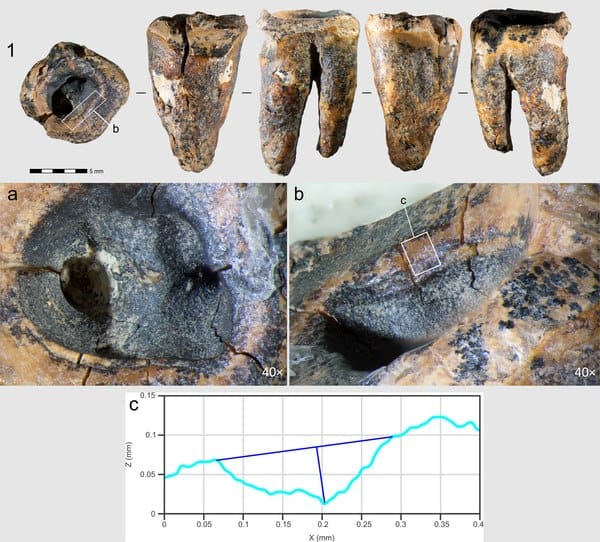
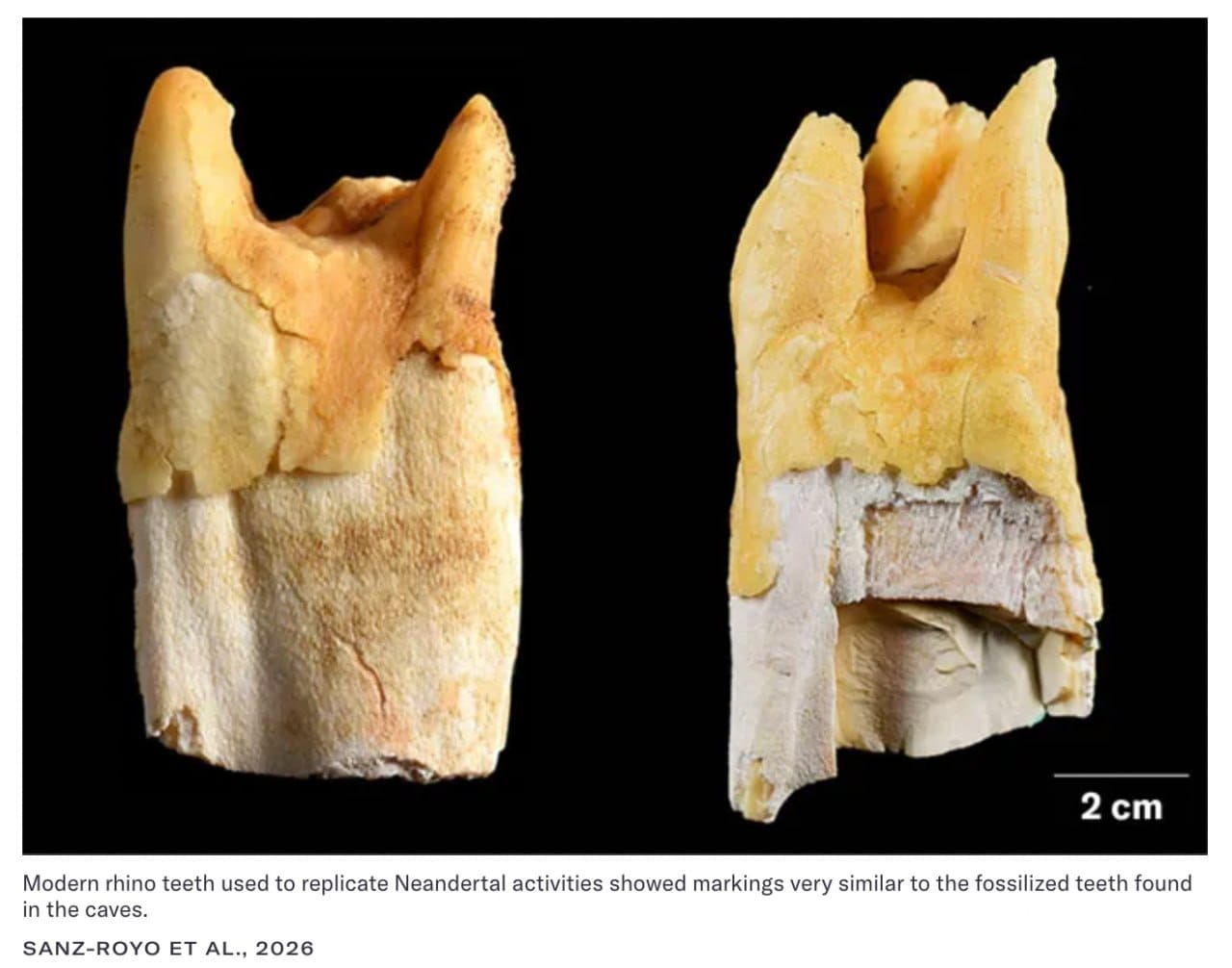
Researchers from the University of Aberdeen have analysed marks on the teeth of the narrow-nosed rhinoceros Stephanorhinus hemitoechus from two Middle Palaeolithic sites in Spain and France, dating to some 100,000 years ago

Archaeology · Science · Palaeontology

Researchers from the University of Aberdeen have analysed marks on the teeth of the narrow-nosed rhinoceros Stephanorhinus hemitoechus from two Middle Palaeolithic sites in Spain and France, dating to some 100,000 years ago

Researchers from the University of Aberdeen have analysed marks on the teeth of the narrow-nosed rhinoceros Stephanorhinus hemitoechus from two Middle Palaeolithic sites in Spain and France, dating to some 100,000 years ago. The grooves, notches, sliding marks and scratches proved to be precisely what repeated percussion leaves

By Alexandr Radayev
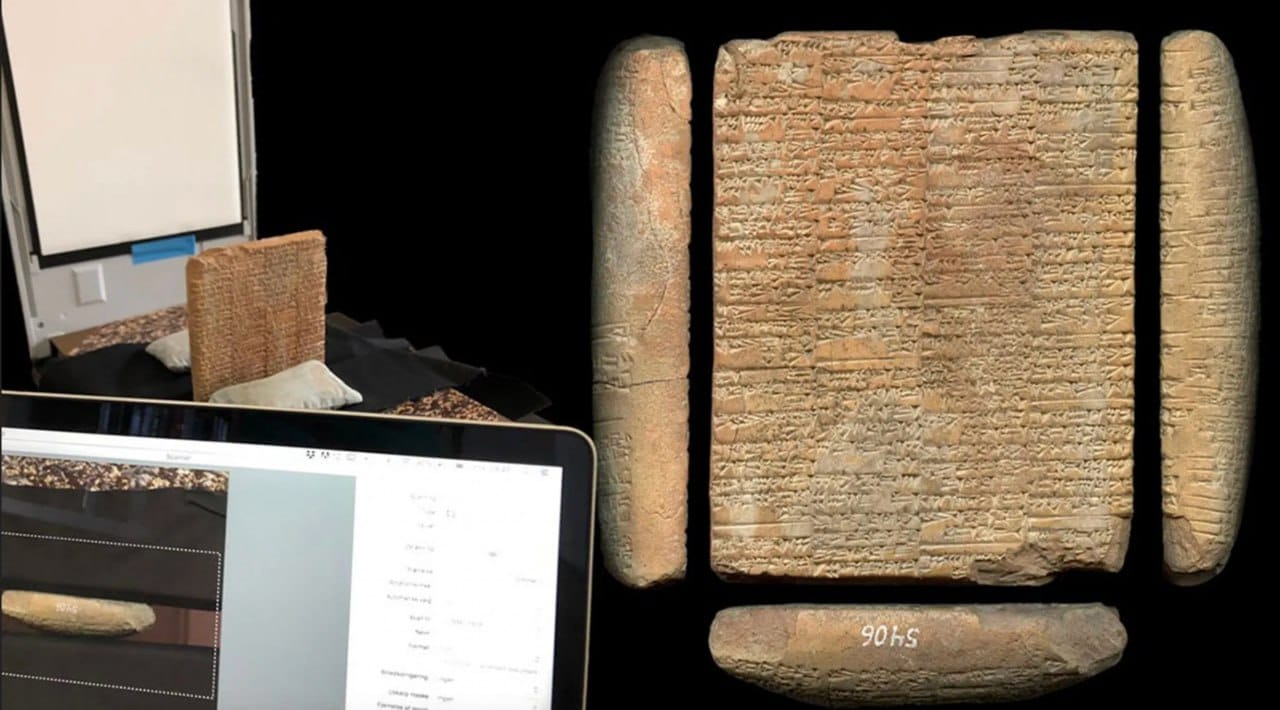
The National Museum of Denmark has held a collection of some five-thousand-year-old clay tablets from Mesopotamia and Syria in storage for about a hundred years

Archaeology · Archive · The East · Museums · Science

The National Museum of Denmark has held a collection of some five-thousand-year-old clay tablets from Mesopotamia and Syria in storage for about a hundred years

The National Museum of Denmark has held a collection of some five-thousand-year-old clay tablets from Mesopotamia and Syria in storage for about a hundred years. Since the material is cuneiform, nobody took the tablets seriously. Until the Hidden Treasures project of the University of Copenhagen and the

By Alexandr Radayev