Friday, 2 October 2026
Section · 121 stories

Palaeontology

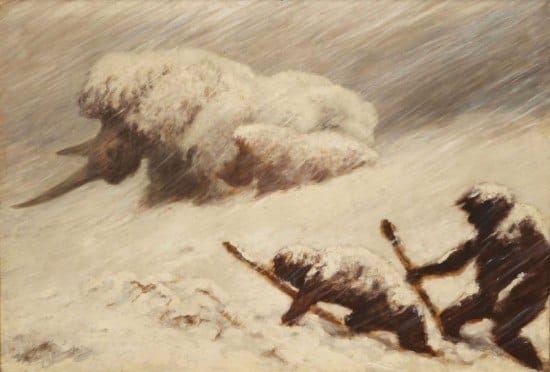
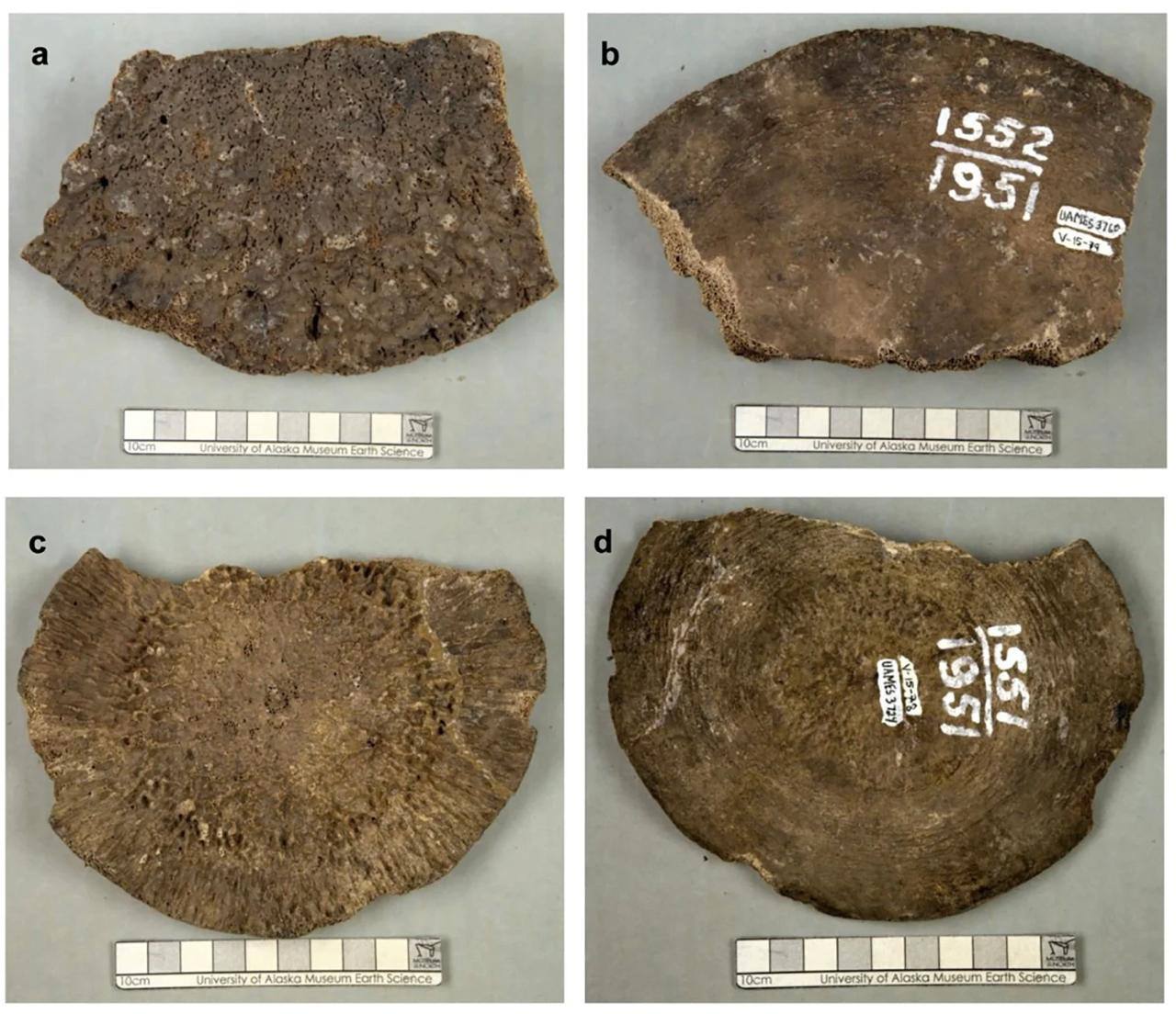
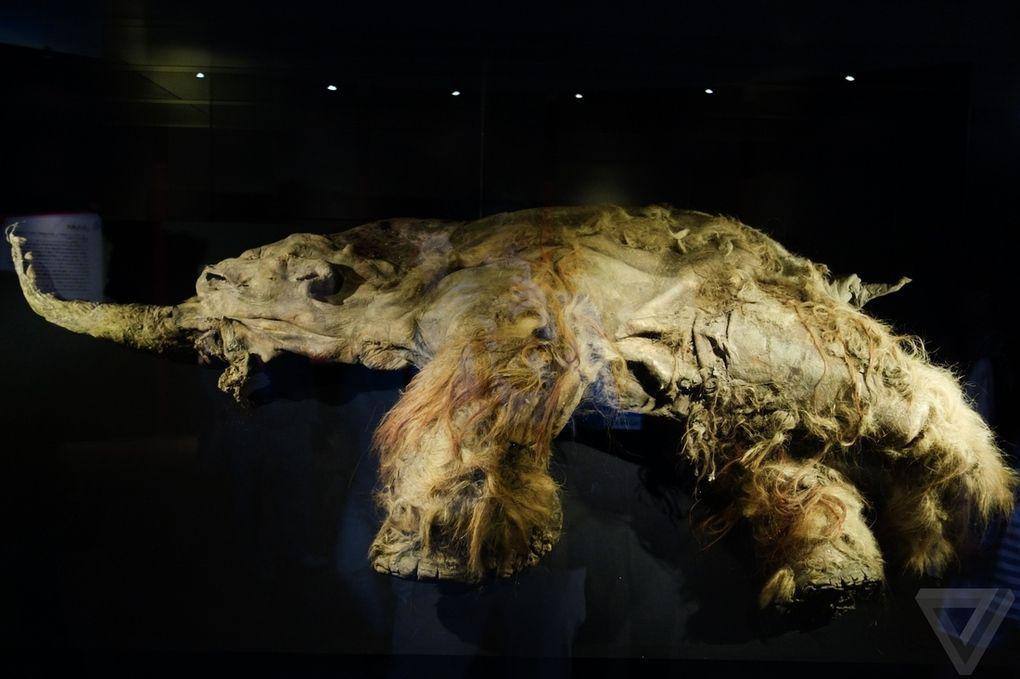
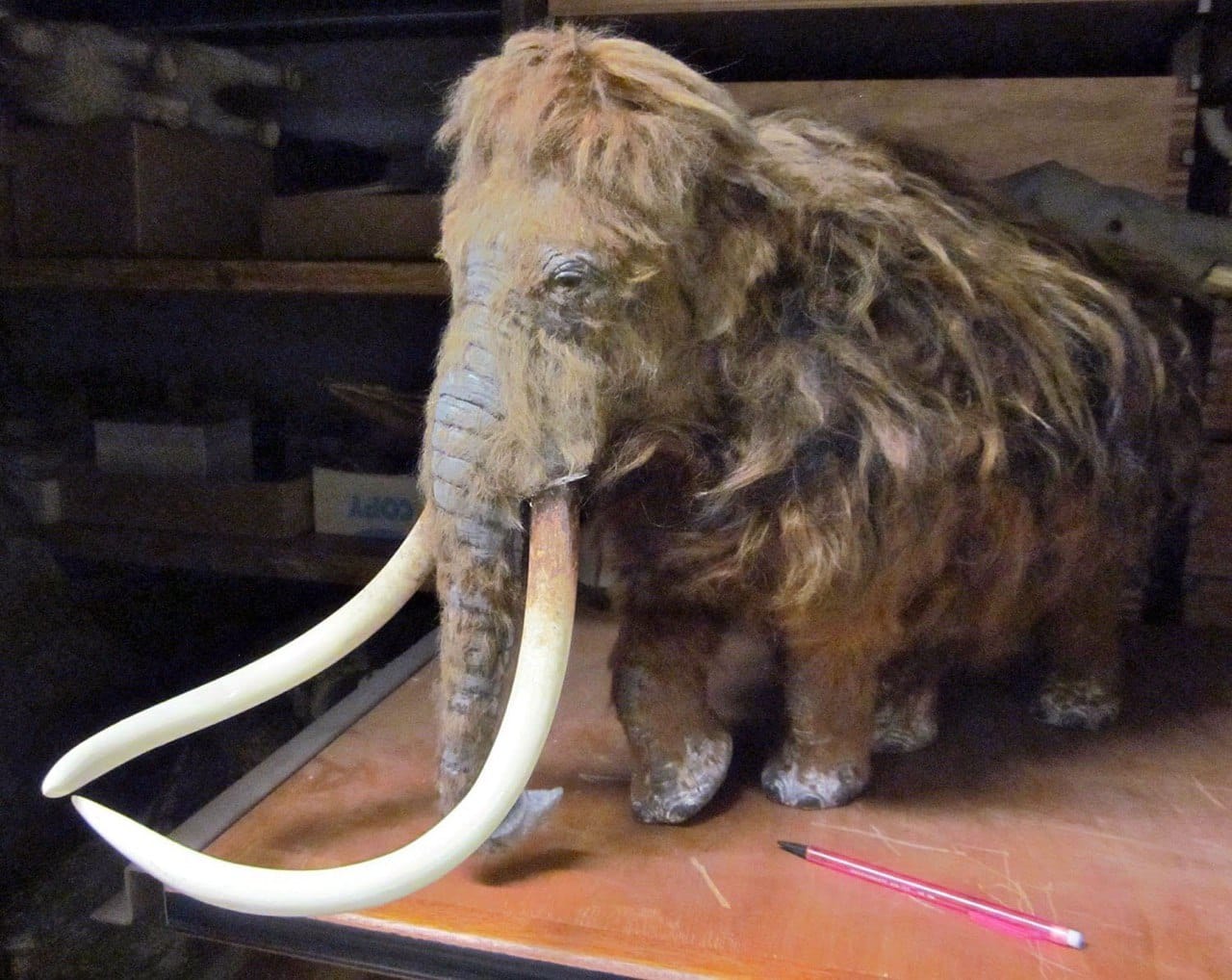
For more than 70 years, bones in the collection of the University of Alaska Museum of the North were mistaken for the remains of a mammoth

Archaeology · Museums · Science · Palaeontology · Nature

For more than 70 years, bones in the collection of the University of Alaska Museum of the North were mistaken for the remains of a mammoth

In 1951–1952 the anthropologist Otto Geist found these bones in the interior of Alaska and gave them to the museum, and from then until recently the exhibit was considered to be the remains of a mammoth. The situation changed in 2022, when the bones were subjected to radiocarbon dating.

By Alexandr Radayev
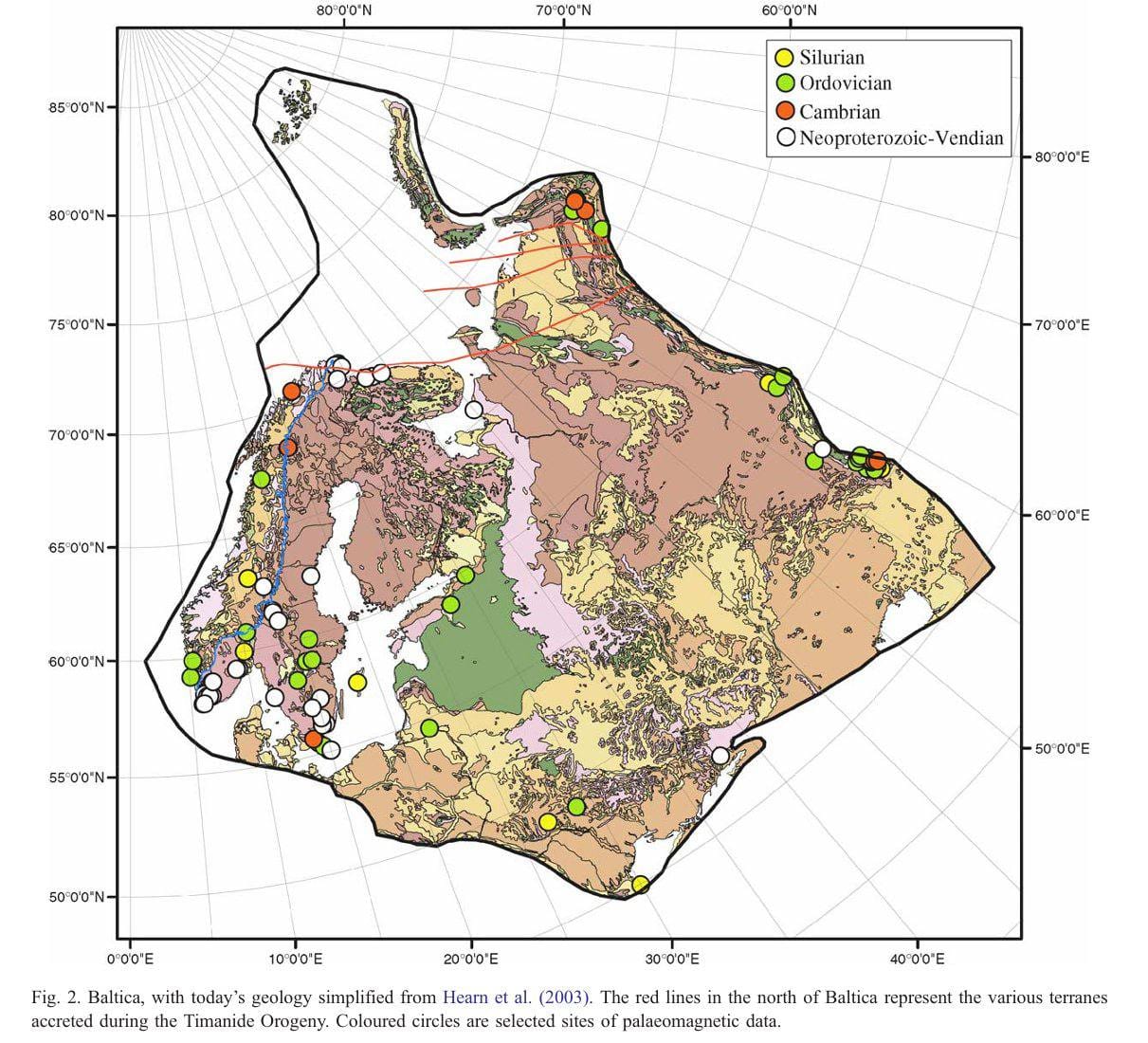
Palaeontologist Andrey Spiridonov puts forward a very interesting idea of Baltica as one of the most ancient continental blocks of the Earth

Geography · Science · Palaeontology · People

Palaeontologist Andrey Spiridonov puts forward a very interesting idea of Baltica as one of the most ancient continental blocks of the Earth

Palaeontologist Andrey Spiridonov puts forward a very interesting idea of Baltica as one of the most ancient continental blocks of the Earth. He calls Baltica a palaeocontinent of the Palaeozoic era and, in effect, the ancient core of Europe, around which smaller continents have accreted over the past 450 million

By Alexandr Radayev
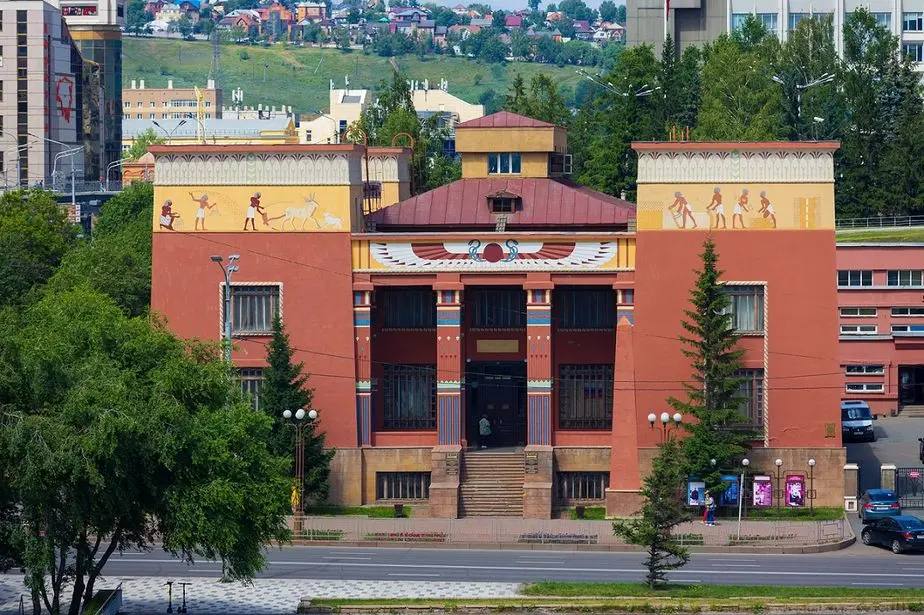
Student, step out faster, for oysters wait for us in the field, and the Jurassic ammonite waits for us in the field, the Vraconian belemnite, the Lutetian nummulite

Moscow · Science · Education · Palaeontology

Student, step out faster, for oysters wait for us in the field, and the Jurassic ammonite waits for us in the field, the Vraconian belemnite, the Lutetian nummulite

The opening of a palaeontological song composed by students of the Moscow Institute of Geological Prospecting named after Ordzhonikidze in the 1950s. Oysters: massive, rounded-pentagonal calcareous shells. Ammonite: the shell of a cephalopod mollusc. Belemnite: an arrowhead-like carbonate formation inside the body of the eponymous two-gilled predator.

By Alexandr Radayev
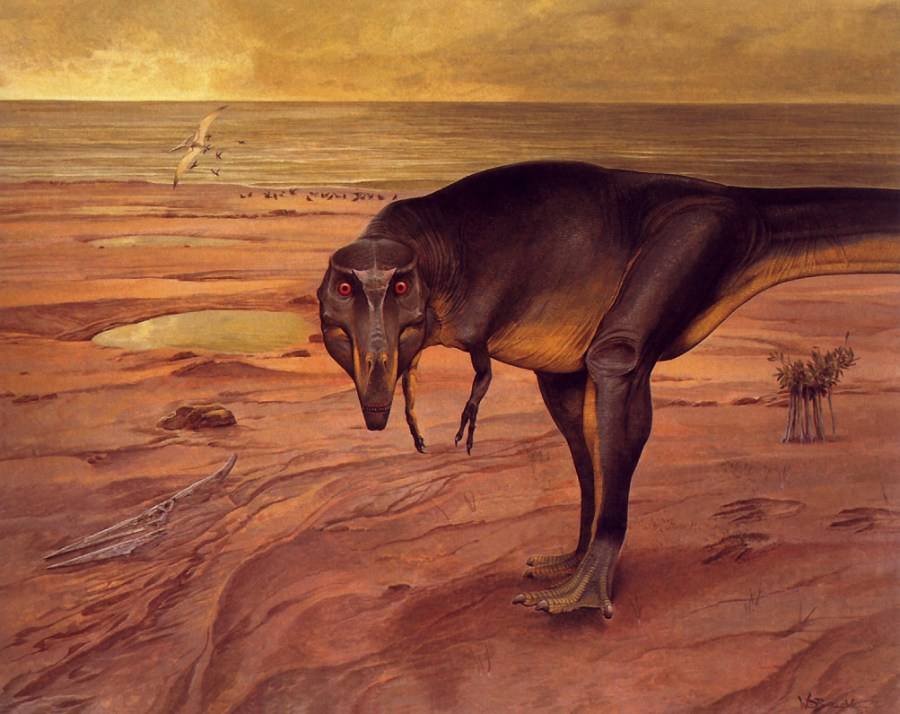
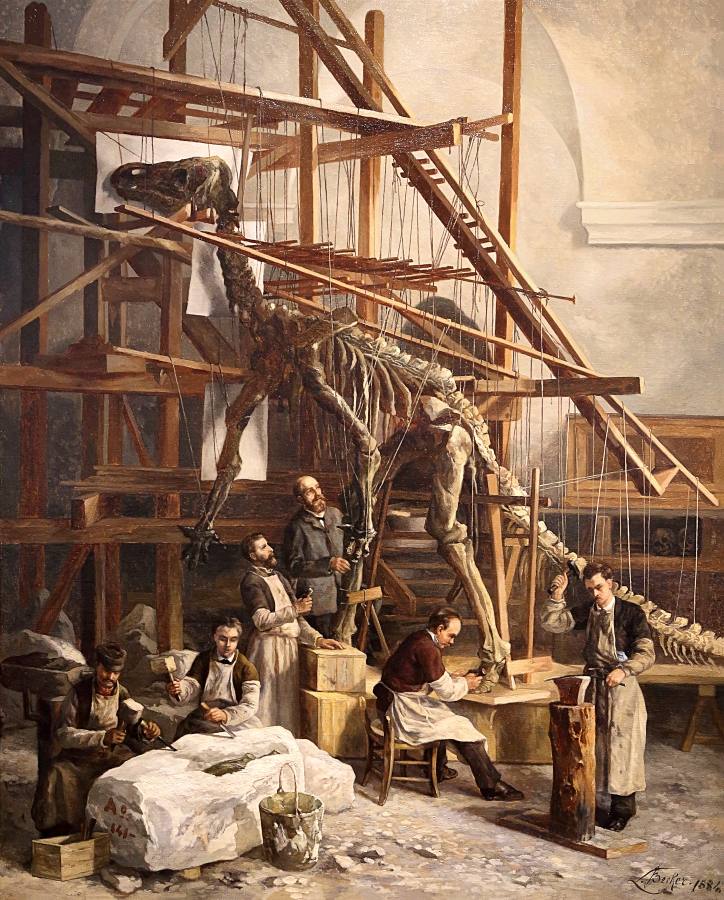
How touching that a man was found, namely the nineteenth-century Belgian painter Léon Becker, who wished to record "The Mounting of the First Iguanodon from Bernissart in the Chapel of Saint George in Brussels", for that is what the picture is called

Art · Observations · Science · Palaeontology

How touching that a man was found, namely the nineteenth-century Belgian painter Léon Becker, who wished to record "The Mounting of the First Iguanodon from Bernissart in the Chapel of Saint George in Brussels", for that is what the picture is called

How touching that a man was found, namely the nineteenth-century Belgian painter Léon Becker, who wished to record "The Mounting of the First Iguanodon from Bernissart in the Chapel of Saint George in Brussels", for that is what the picture is called. 1884. At that time, 30

By Alexandr Radayev