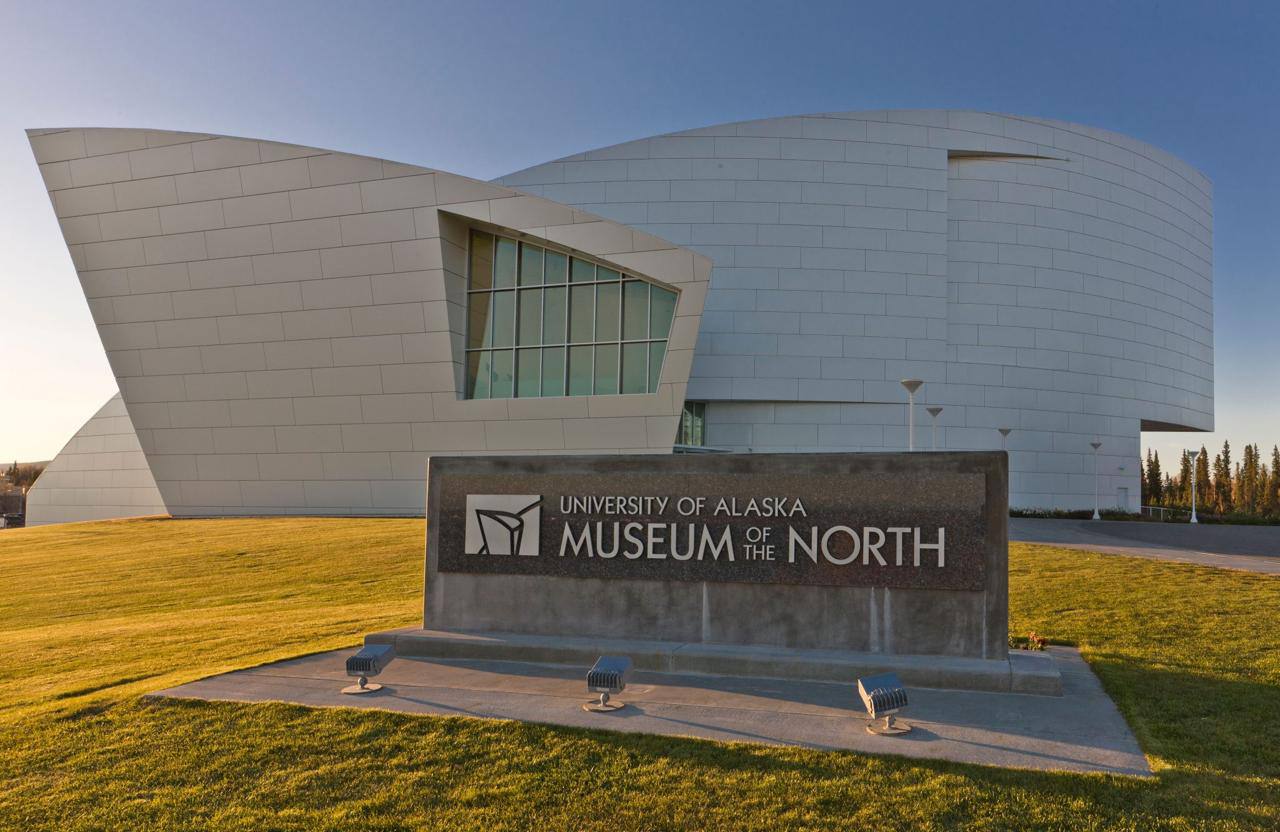
For more than 70 years, bones in the collection of the University of Alaska Museum of the North were mistaken for the remains of a mammoth
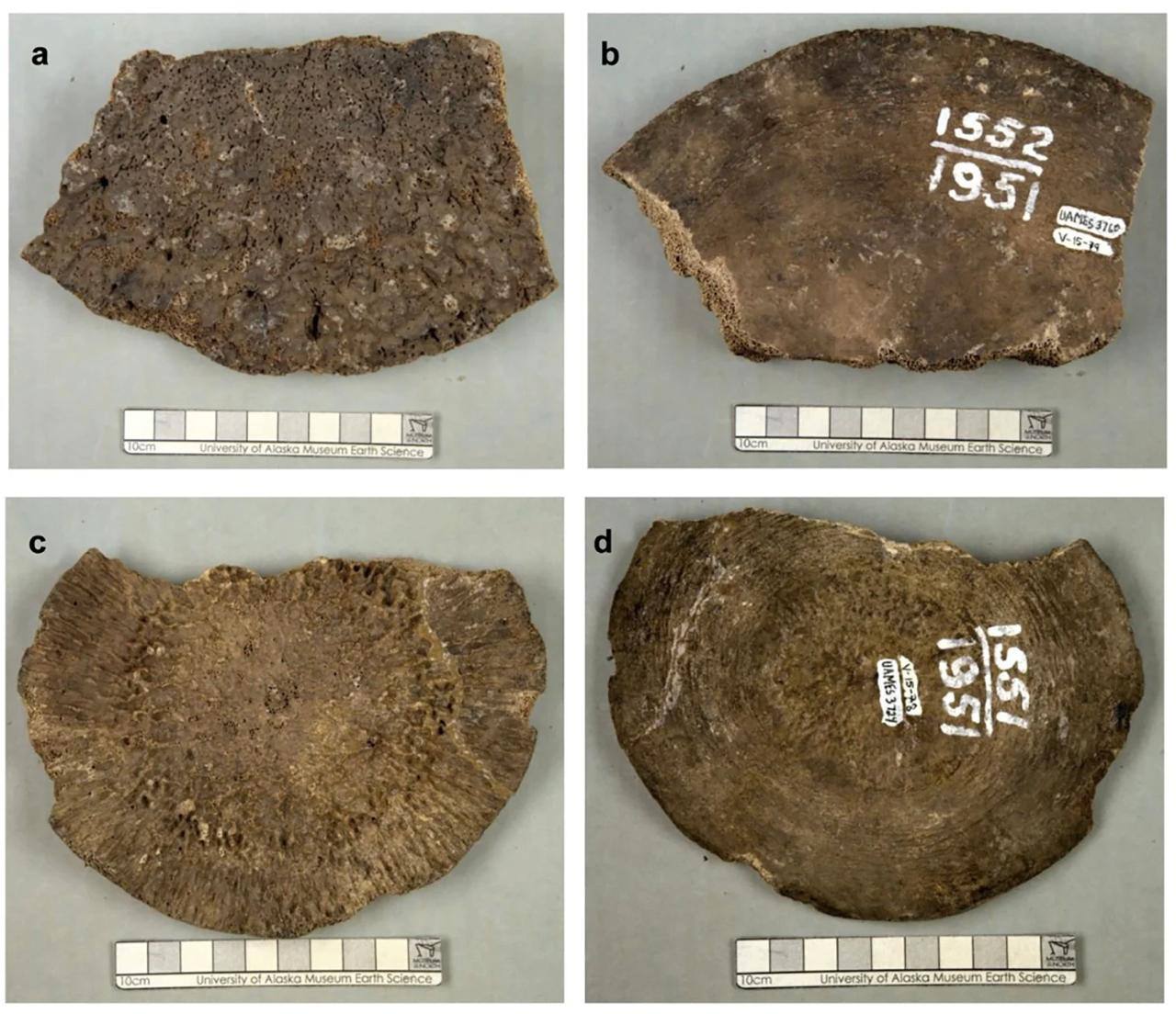
In 1951–1952 the anthropologist Otto Geist found these bones in the interior of Alaska and gave them to the museum, and from then until recently the exhibit was considered to be the remains of a mammoth.
The situation changed in 2022, when the bones were subjected to radiocarbon dating. The analysis showed that they belonged to the late Holocene and were up to three thousand years old, whereas mammoths disappeared from Alaska some 10,000–13,000 years ago. The scientists had, for a while, decided that they were dealing with the latest known fossil mammoths.
Last year the museum team carried out further analyses: the chemical composition of the bones pointed to a marine origin. The final point was put by the analysis of ancient DNA, which showed that the remains in fact belonged to the common minke whale and the North Pacific right whale, species that inhabit the waters off the Alaskan coast seasonally.
How the whale bones ended up in the interior of the mainland, hundreds of kilometres from the coast, remains an open question. The scientists are considering two main versions: either the whales could have penetrated deep into the continent along inland waterways in search of food, or their bones were carried there by people, since the ancient inhabitants of Alaska used whalebone for practical and ritual purposes.