Saturday, 3 October 2026
Section · 763 stories

Science

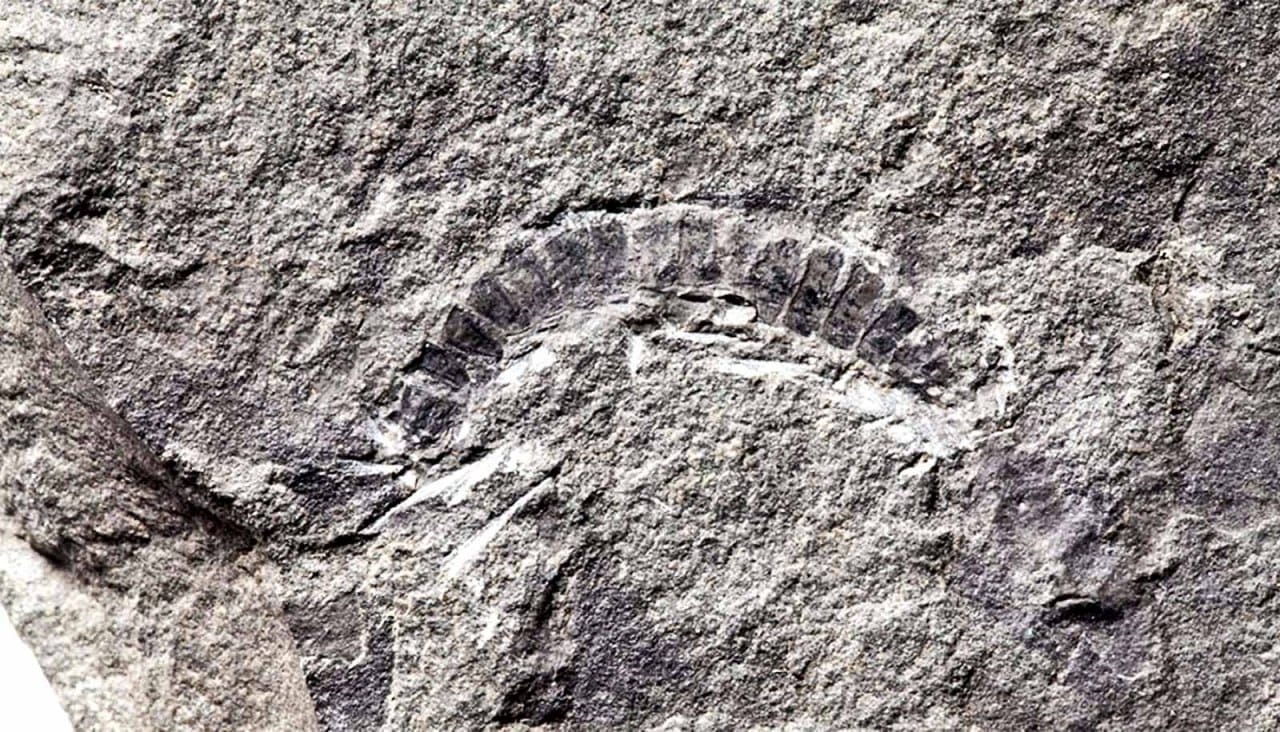
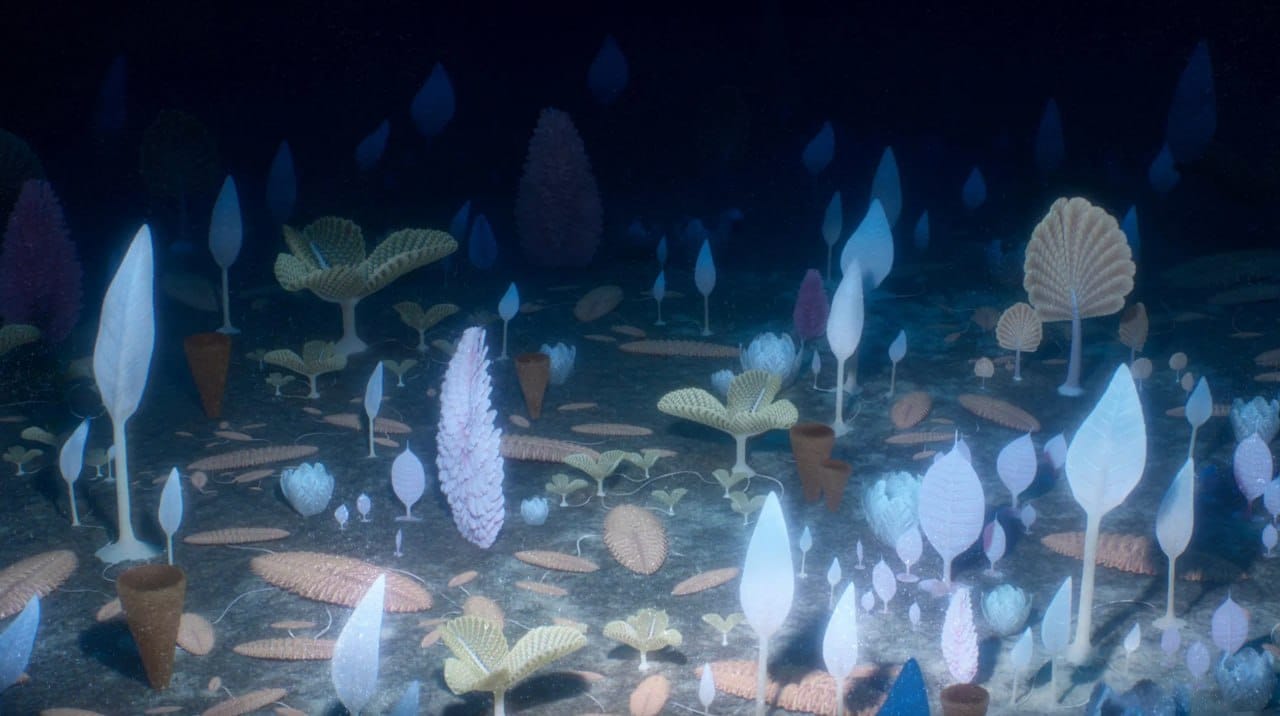
Next time, before you kill a centipede at home, remember that its ancestors came ashore 80 million years before the vertebrates

Science · Palaeontology · Nature · Humour

Next time, before you kill a centipede at home, remember that its ancestors came ashore 80 million years before the vertebrates

Next time, before you kill a centipede at home, remember that its ancestors came ashore 80 million years before the vertebrates. The first myriapods appeared some 460 million years ago. That is 35 million years earlier than the oldest known myriapod fossils. In the world onto which they crawled, or

By Alexandr Radayev
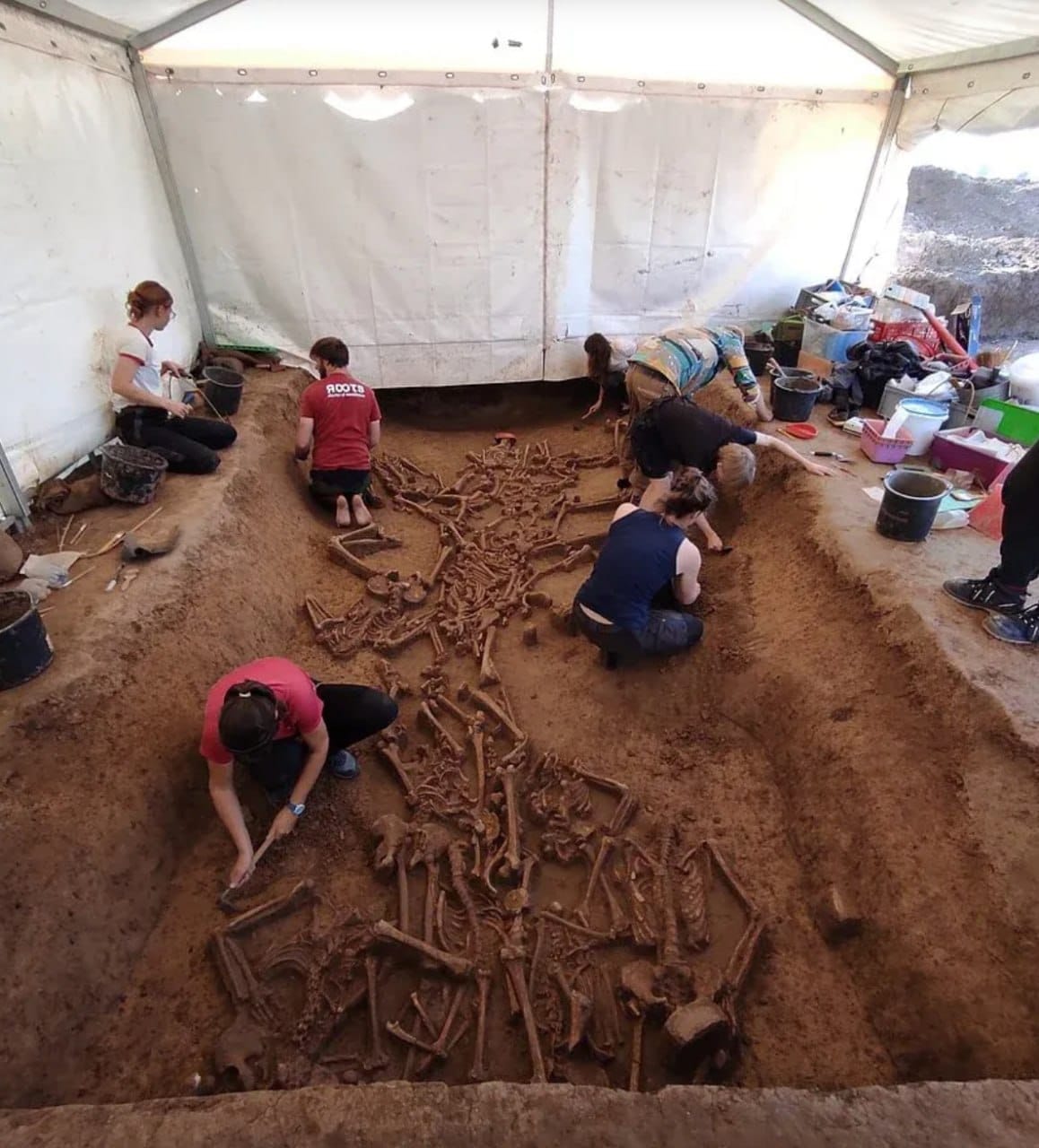
A team of researchers at Yale University has established that the earliest populations of Near Oceania interbred with at least three distinct groups related to the Denisovans

Archaeology · Science · Ethnography

A team of researchers at Yale University has established that the earliest populations of Near Oceania interbred with at least three distinct groups related to the Denisovans

A team of researchers at Yale University has established that the earliest populations of Near Oceania interbred with at least three distinct groups related to the Denisovans. The conclusion rests on an analysis of the genomes of 177 people from 12 populations in Papua New Guinea, the Bismarck Archipelago and

By Alexandr Radayev
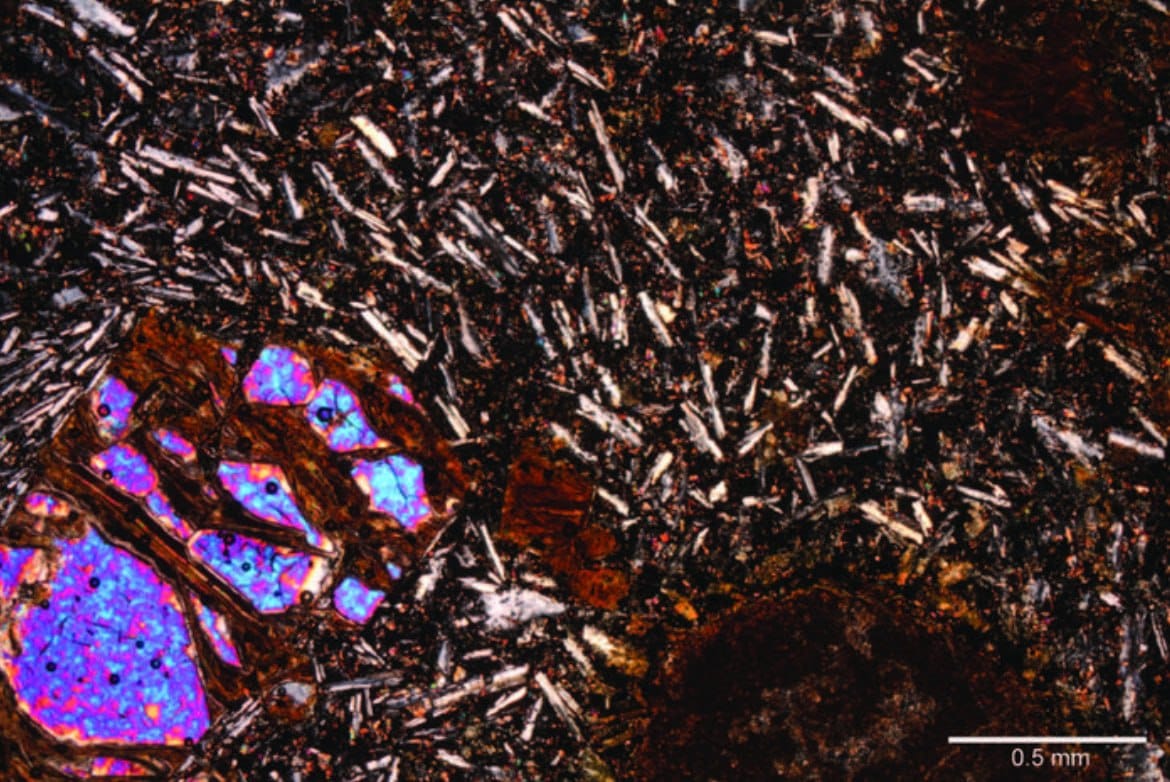
A popular genre, a chat about the brain: on Hugh Groucutt's interesting idea that Homo sapiens took shape slowly and gradually, without revolutionary upheavals

Coming Up · Archaeology · In the Press · Observations · Science

A popular genre, a chat about the brain: on Hugh Groucutt's interesting idea that Homo sapiens took shape slowly and gradually, without revolutionary upheavals

In essence, the cognitive revolution of 40,000 to 50,000 years ago is one of the textbook stories. Homo sapiens supposedly grew clever all of a sudden, drew a bull on a cave wall and set off to conquer the planet. The trouble is that anatomically modern humans appeared

By Alexandr Radayev
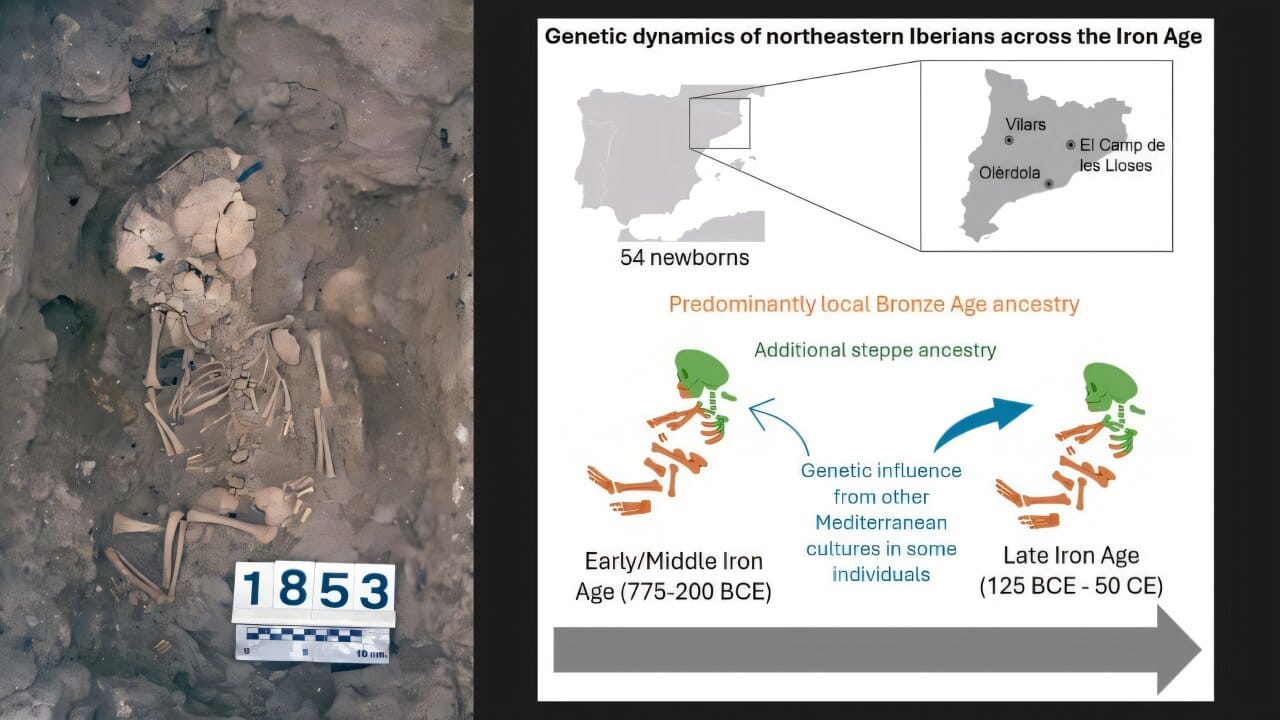
Palaeogeneticists from the Autonomous University of Barcelona have studied the genomes of 54 Iron Age infants from the north-east of the Iberian Peninsula

Archaeology · Science

Palaeogeneticists from the Autonomous University of Barcelona have studied the genomes of 54 Iron Age infants from the north-east of the Iberian Peninsula

Palaeogeneticists from the Autonomous University of Barcelona have studied the genomes of 54 Iron Age infants from the north-east of the Iberian Peninsula. The material was taken from settlements of the Iberians, a pre-Roman people of eastern Spain, within a chronological range of roughly 750 to 250 BC,

By Alexandr Radayev