It Turns Out the Etruscans Cloned a Single Grape Variety for Centuries
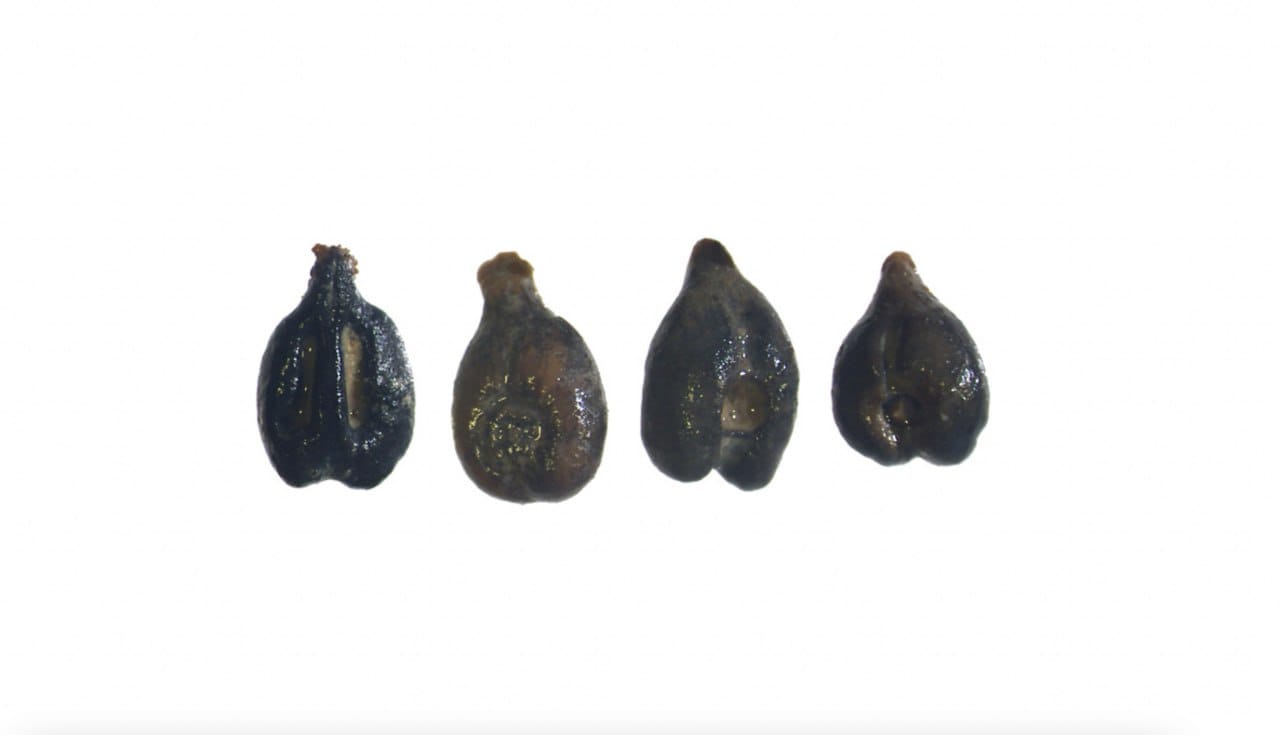
It turns out the Etruscans cloned a single grape variety for centuries. And it was white.
In Chianti, at the Etruscan-Roman site of Cetamura, researchers studied grape pips from the bottoms of wells cut into the rock. They found that most of the pips in the study date from the period between 300 BC and 300 AD and belong to a single variety. More than a quarter of the seeds proved genetically identical and had remained unchanged for at least 362 years.
Behind this lies a technique of vine propagation familiar to every winegrower: the vine is multiplied vegetatively, and is not allowed to cross-breed, just as it is not today. Genetic analysis also established the colour: with a probability of 92%, this long-lived clone bore white berries.
Today Chianti means red Sangiovese, yet for centuries around the turn of our era only a white variety was grown here.
After the Roman conquest of central Italy, new varieties appear in the area. Meanwhile, the Etruscan white vine turns out to be related to grapes of the south of France. It would seem that the Romans built a trade network in order to standardise winemaking.
Another variety from Cetamura is linked to a grape that still grows in Central and Eastern Europe today, including a 400-year-old vine in Slovenia that to this day bears fruit.