
University of Iowa researchers suggest that the regulatory "volume knobs" in DNA were already present in Neanderthals
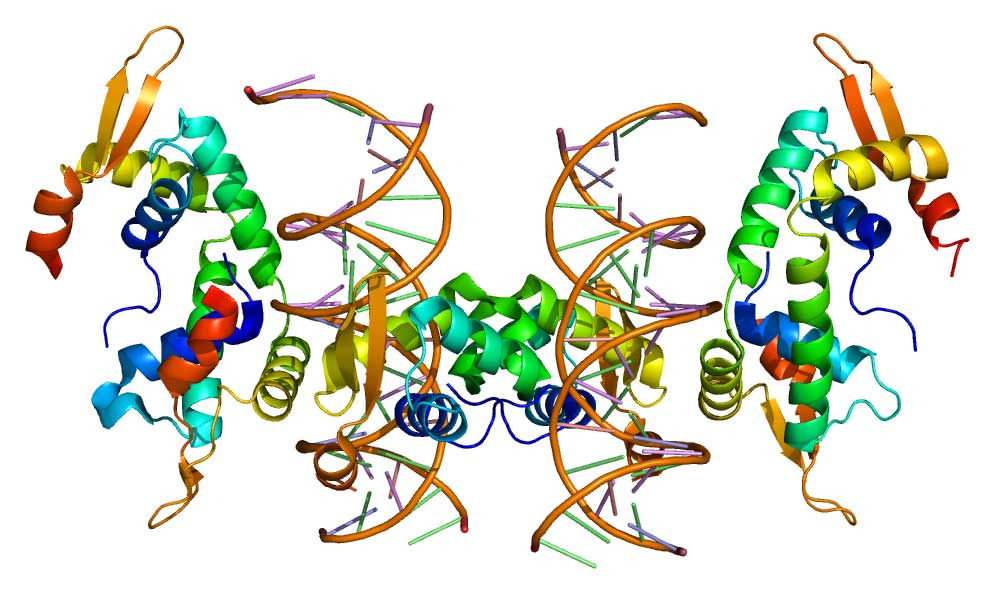
According to the authors of the study, the capacity for language depends most strongly on tiny stretches of the genome, the regulatory regions known as HAQERs, which occupy less than a tenth of one per cent of our DNA yet exert roughly 200 times more influence on linguistic ability than any other stretch.
They regard them as something like volume knobs on the genes responsible for brain development.
The famous FOXP2 gene, suspected twenty years ago of being the "speech gene", is in this scheme not the volume itself but merely one of the hands that turns the dial. These regulatory elements arose before the ancestors of Sapiens and of the Neanderthals went their separate ways, and in Neanderthals they were, if anything, slightly more strongly expressed. In other words, the biological foundation for the emergence of speech appeared far earlier than our own species.
The next question is why so useful a thing ceased to develop. The authors' answer is balancing selection. HAQERs enlarge the brain and skull of the foetus, and before modern medicine an infant's overly large head meant a mortal risk in childbirth. Evolution ran up against the anatomical ceiling of the pelvis and came to a halt, while the other genes of intelligence went on growing.
If one reads this alongside the recent argument for the gradual evolution of intelligence, a single picture emerges: neither language nor reason was switched on with a click. Homo sapiens is wearing hand-me-downs, components assembled long before this biological species took shape.