Sunday, 15 November 2026
Section · 354 stories

Saint Petersburg

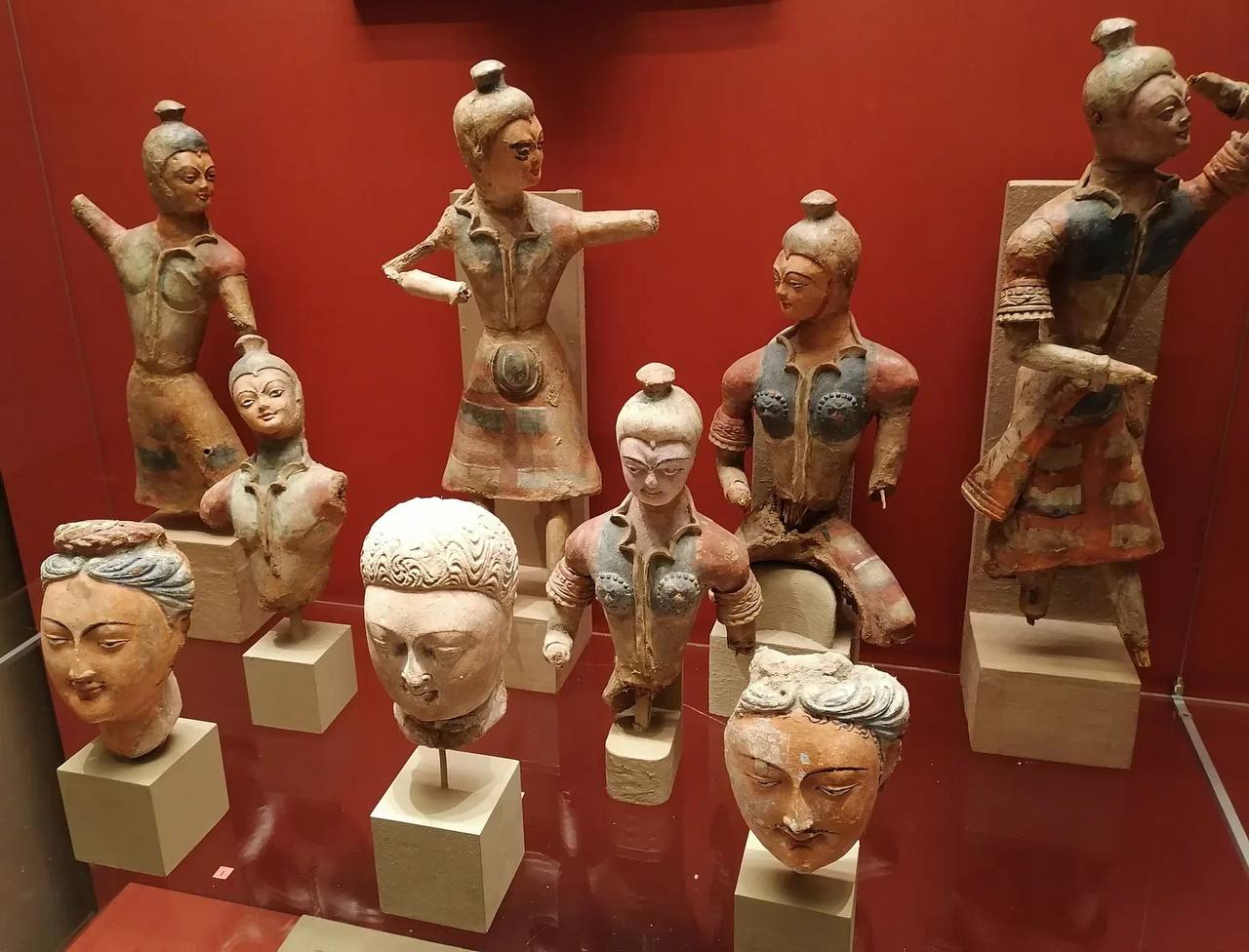
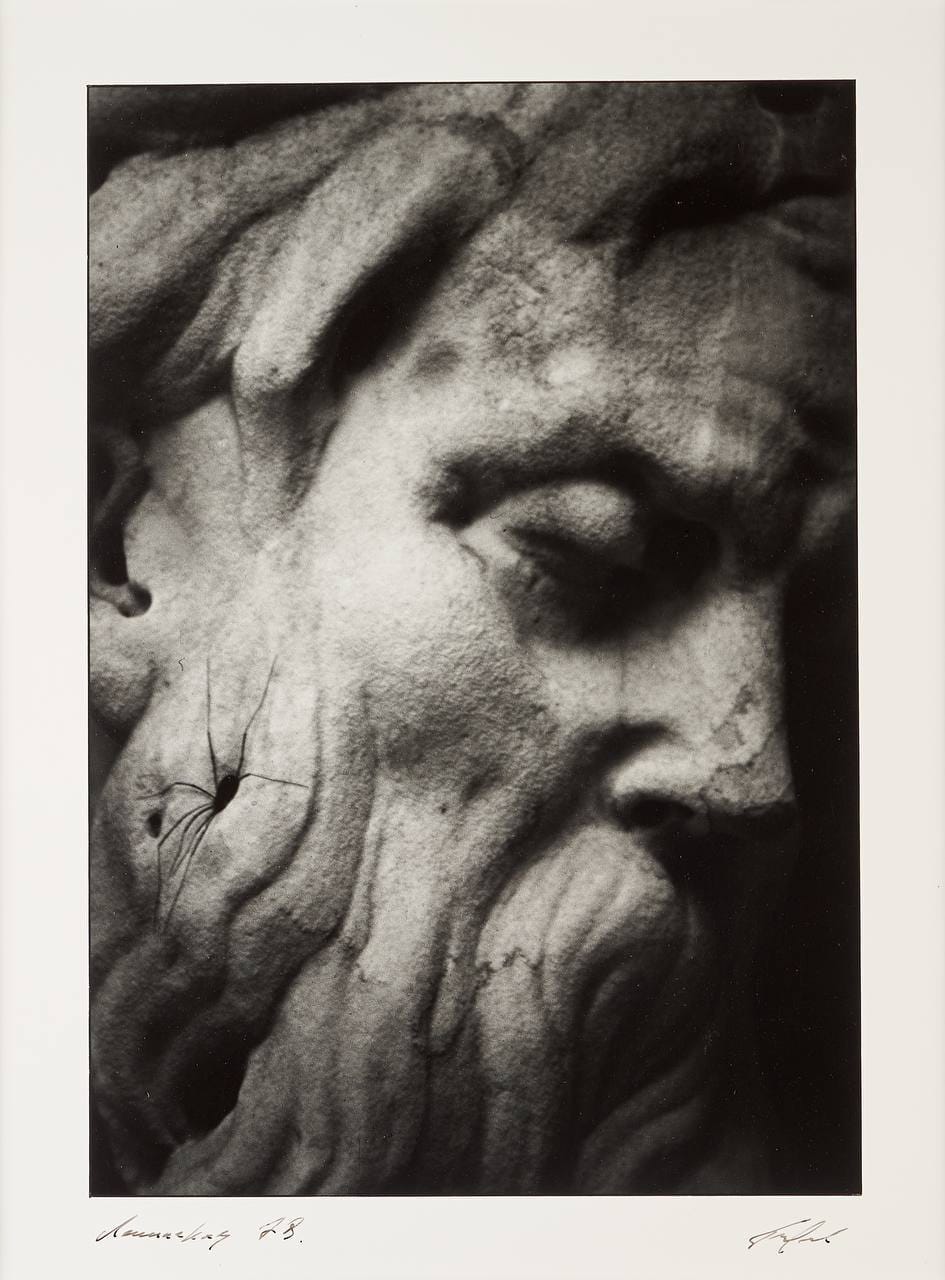
At times it seems to me that museums of classical art are temples not so much of beauty as of discipline, intellectual discipline included, naturally

Coming Up · Art · Museums · Observations · Saint Petersburg

At times it seems to me that museums of classical art are temples not so much of beauty as of discipline, intellectual discipline included, naturally

At times it seems to me that museums of classical art are temples not so much of beauty as of discipline, intellectual discipline included, naturally. We often go there not for inspiration but for confirmation that our world can still be explained, at least a little. And yet, after dozens

By Alexandr Radayev
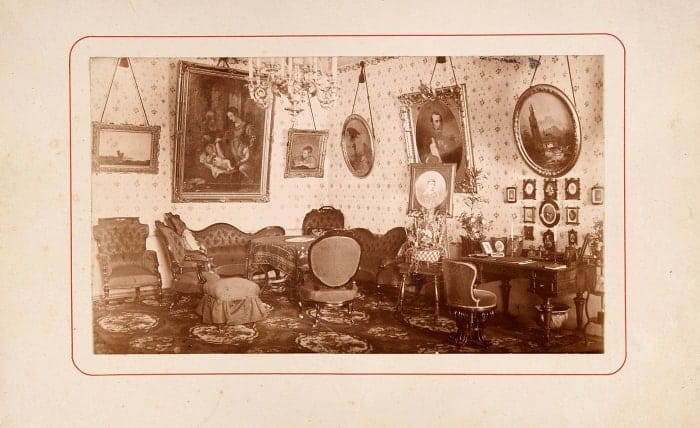
Ekaterina Dolgorukaya's study on the English Embankment in Saint Petersburg, 1876

Aristocracy · Archive · Monarchies · Mores · Saint Petersburg

Ekaterina Dolgorukaya's study on the English Embankment in Saint Petersburg, 1876

Interior of the study of Ekaterina Mikhailovna Dolgorukaya, the first Most Serene Princess Yuryevskaya, in her house on the English Embankment in Saint Petersburg. Photograph of 1876. Princess Ekaterina Mikhailovna Dolgorukova (Dolgorukaya), from 1880 Most Serene Princess Yuryevskaya (1847 to 1922), was the second, morganatic, wife of Emperor Alexander II;

By Alexandr Radayev
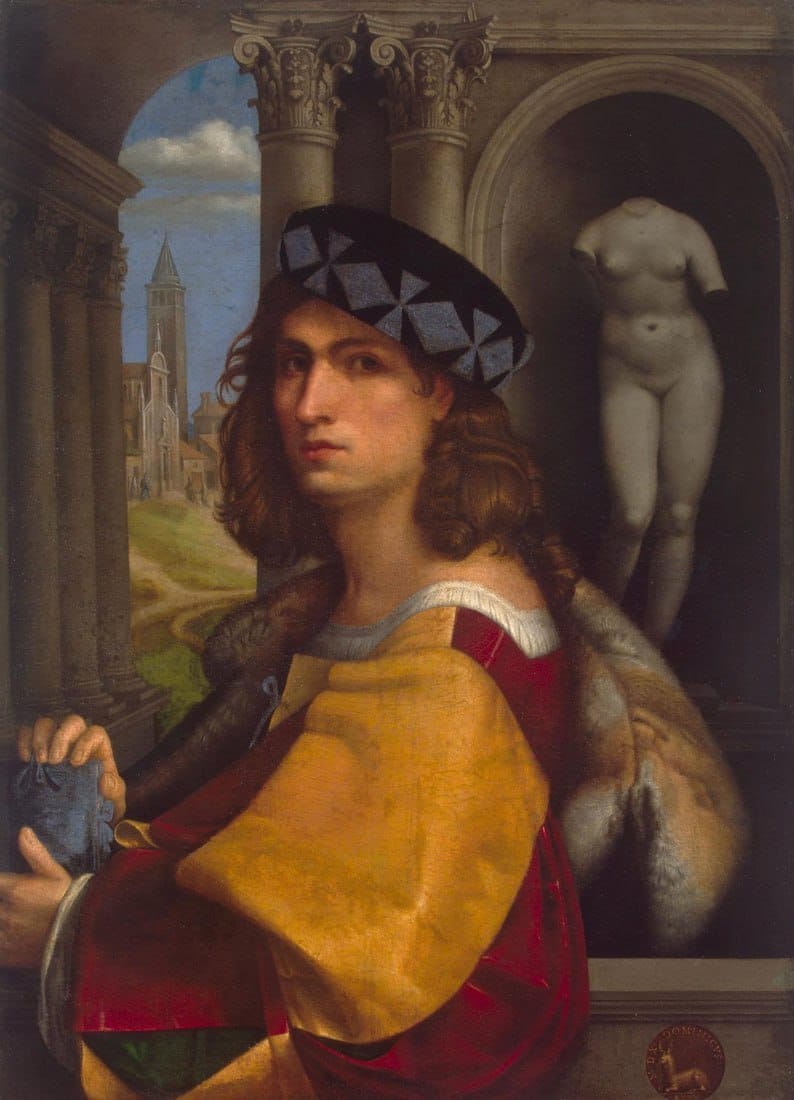
Another Hermitage Giorgione, likewise acquired in 1772 from the collection of Baron Crozat de Thiers in Paris: a widely known male portrait, regarded until the mid-nineteenth century as a work by Giorgione but subsequently reattributed more than once

Art · Museums · Saint Petersburg

Another Hermitage Giorgione, likewise acquired in 1772 from the collection of Baron Crozat de Thiers in Paris: a widely known male portrait, regarded until the mid-nineteenth century as a work by Giorgione but subsequently reattributed more than once

Another Hermitage Giorgione, likewise acquired in 1772 from the collection of Baron Crozat de Thiers in Paris: a widely known male portrait, regarded until the mid-nineteenth century as a work by Giorgione but subsequently reattributed more than once. The picture has been ascribed to Domenico Mancini and to Domenico

By Alexandr Radayev