At times it seems to me that museums of classical art are temples not so much of beauty as of discipline, intellectual discipline included, naturally
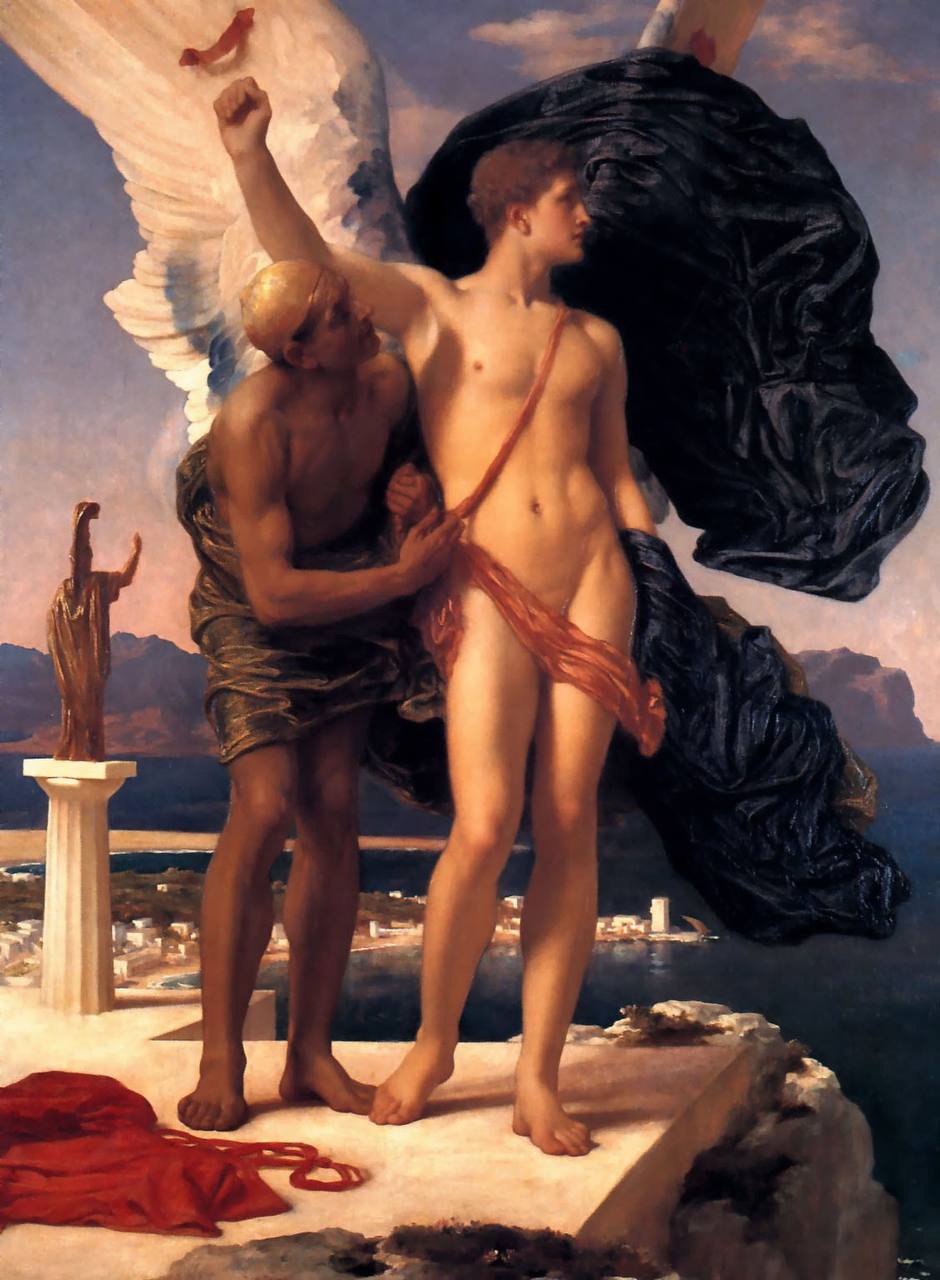
At times it seems to me that museums of classical art are temples not so much of beauty as of discipline, intellectual discipline included, naturally. We often go there not for inspiration but for confirmation that our world can still be explained, at least a little. And yet, after dozens of portraits in gilded frames and perfectly balanced compositions, there comes an almost physical fatigue, as if the eye can no longer bear so much completeness. And contemporary art in the interior of a classical museum is an excellent way to reboot the matrix of perception.
So this time we are sent to Saint Petersburg, to the exhibition "Open World. Contemporary Art of the Nizhny Novgorod Region" at the Fabergé Museum.
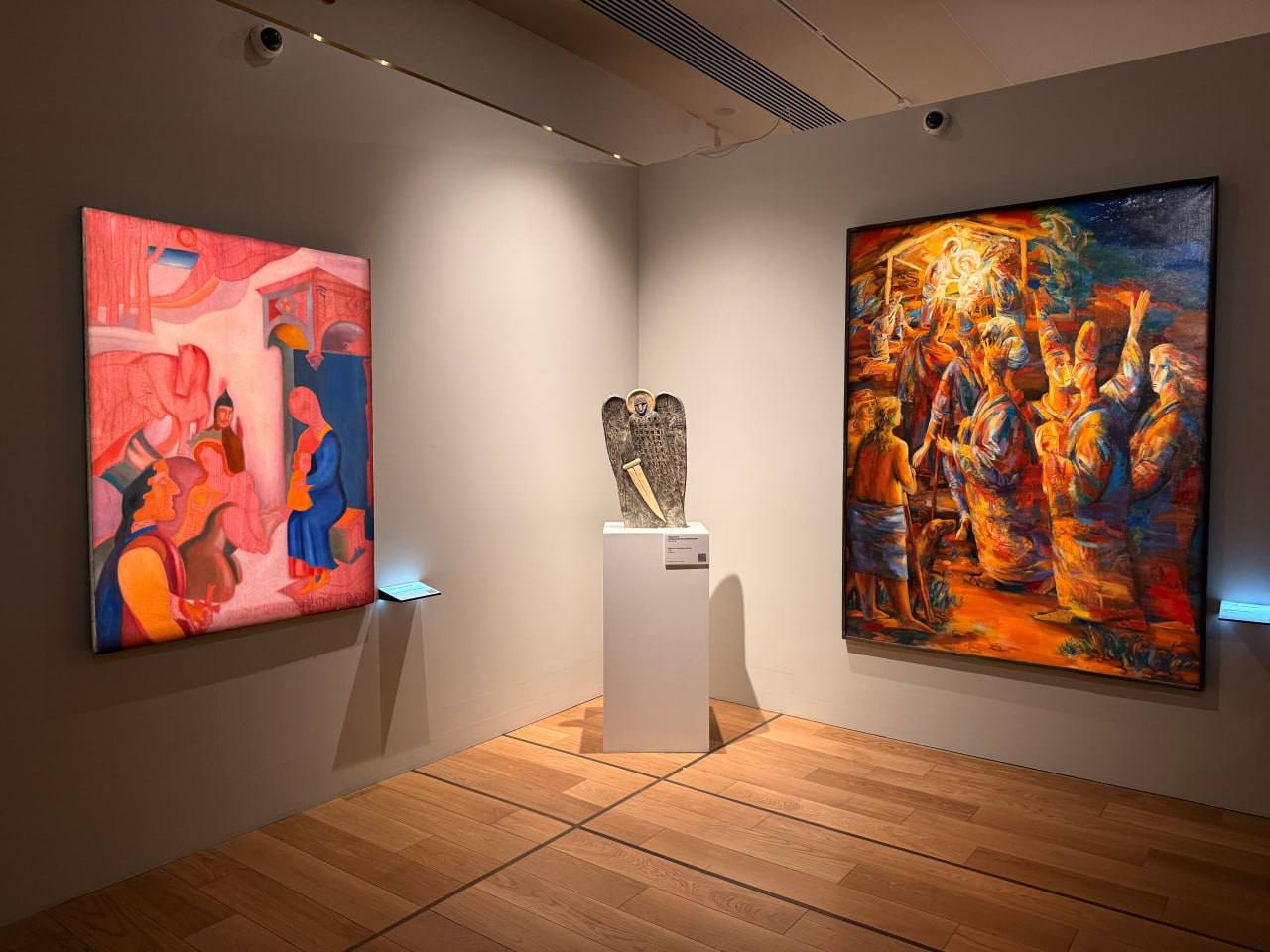
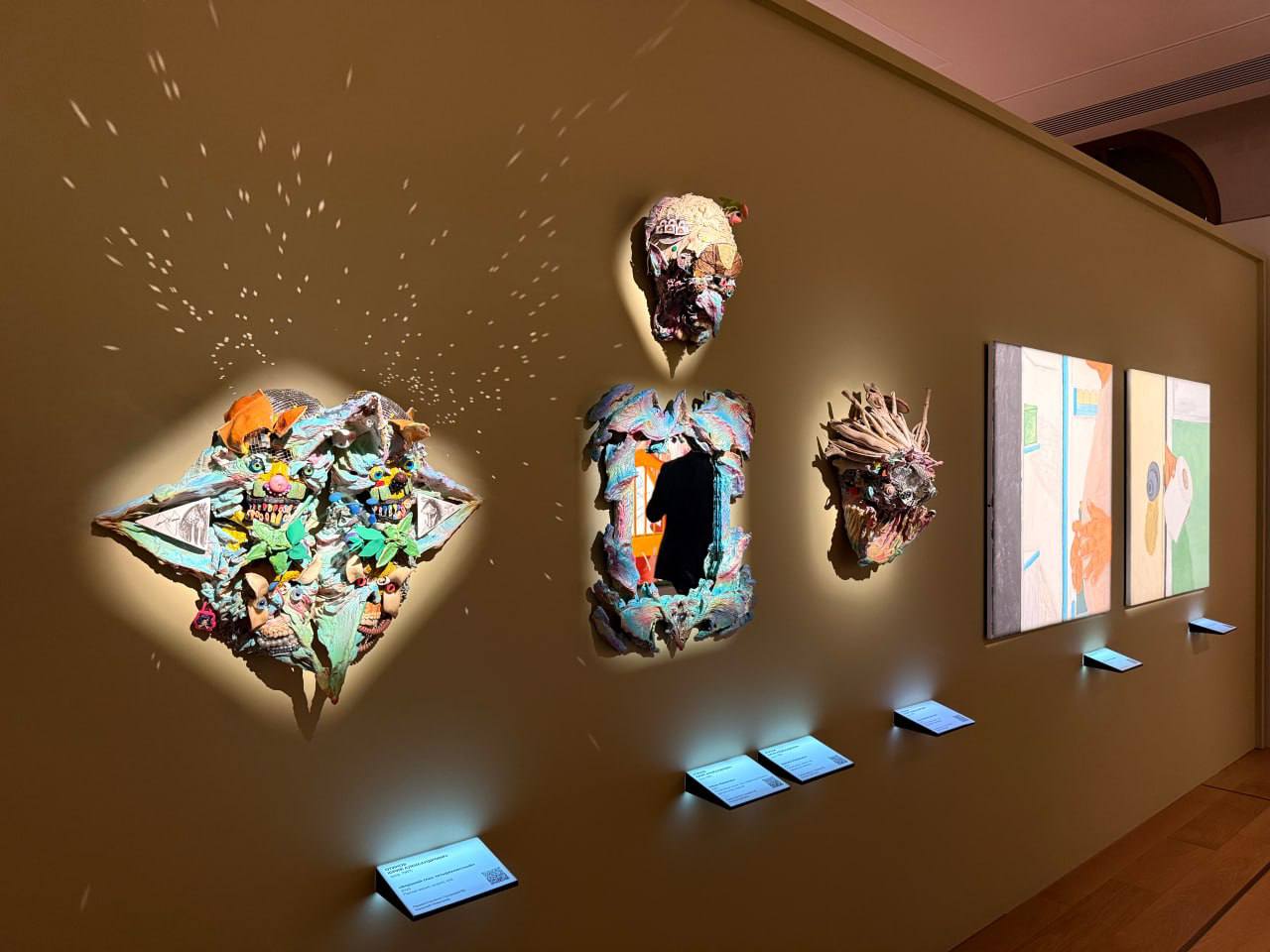
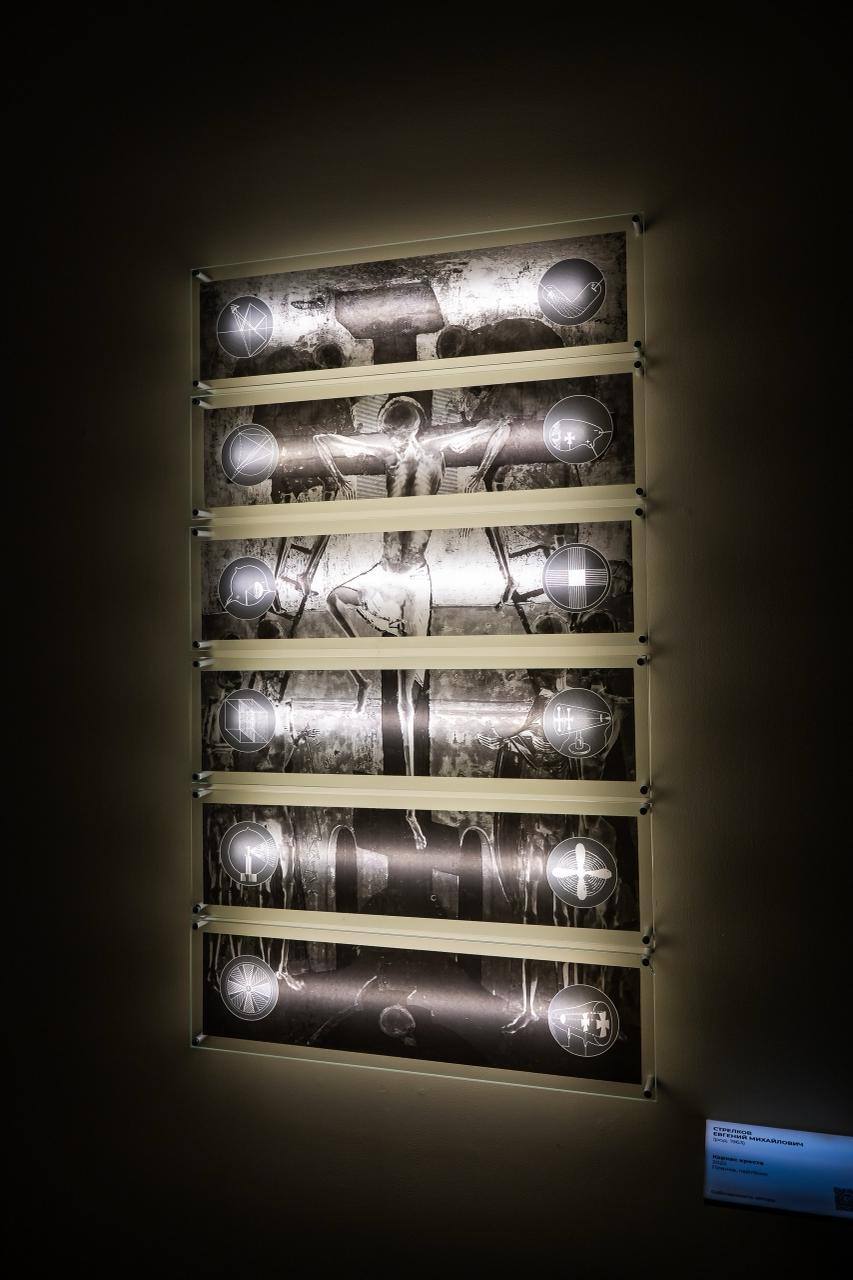
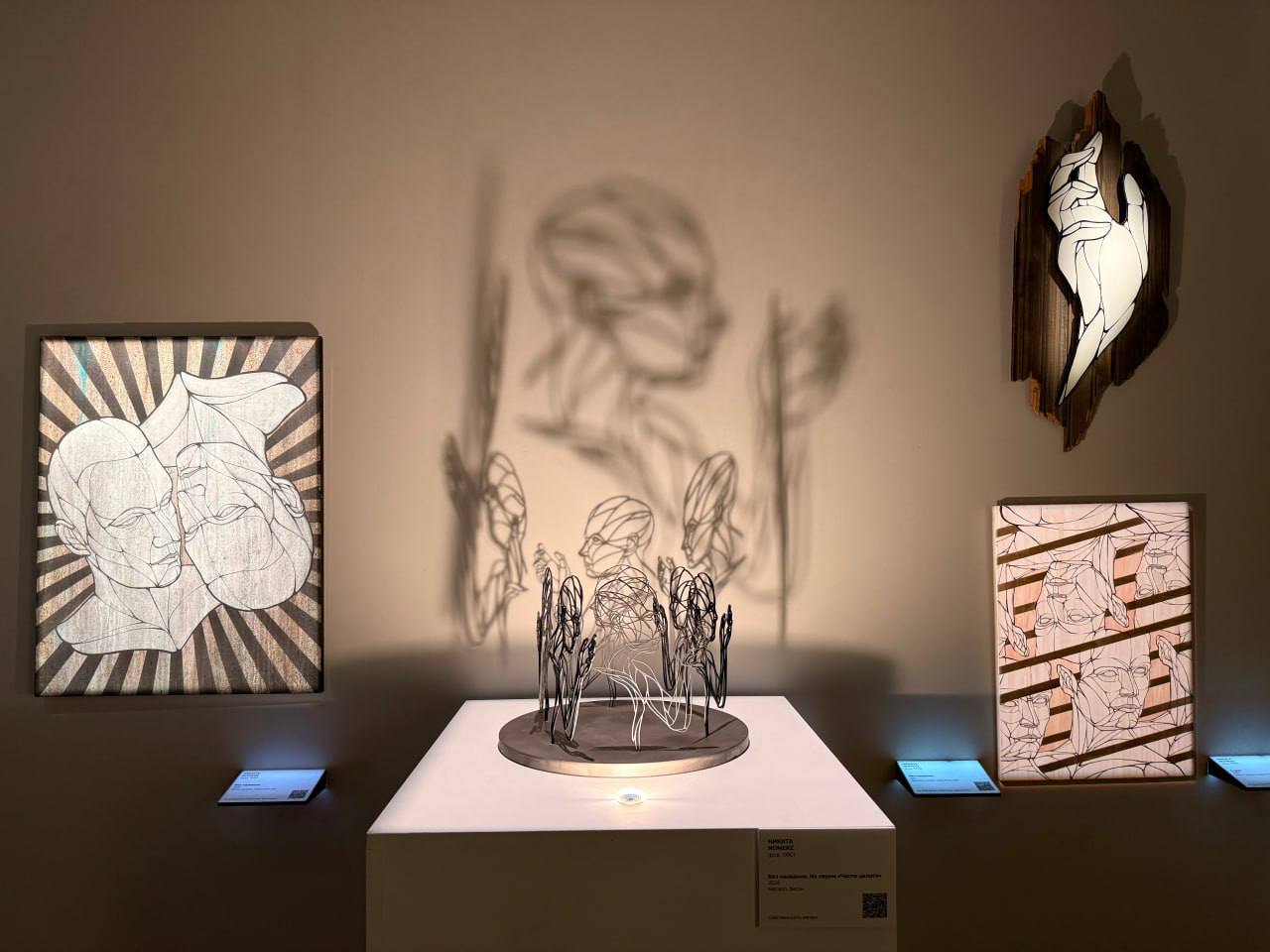
More than a hundred works: painting, graphic art, sculpture, objects, photographs. Much of it is the sort of thing that can provoke mild distrust in the conservative viewer. But what draws me is the sense of an open field, where art has not yet been fully tamed by history, where the artist works not with tradition but with his own vulnerability.
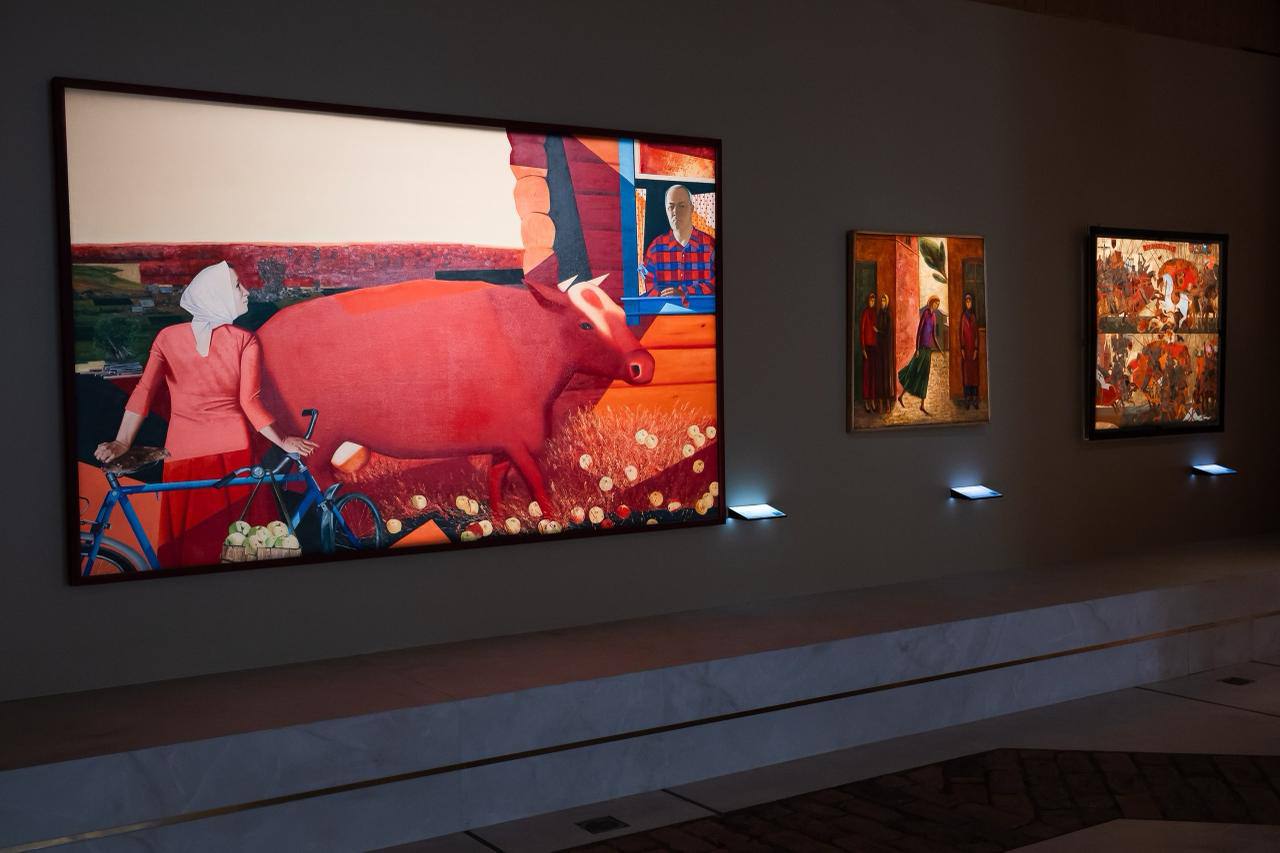
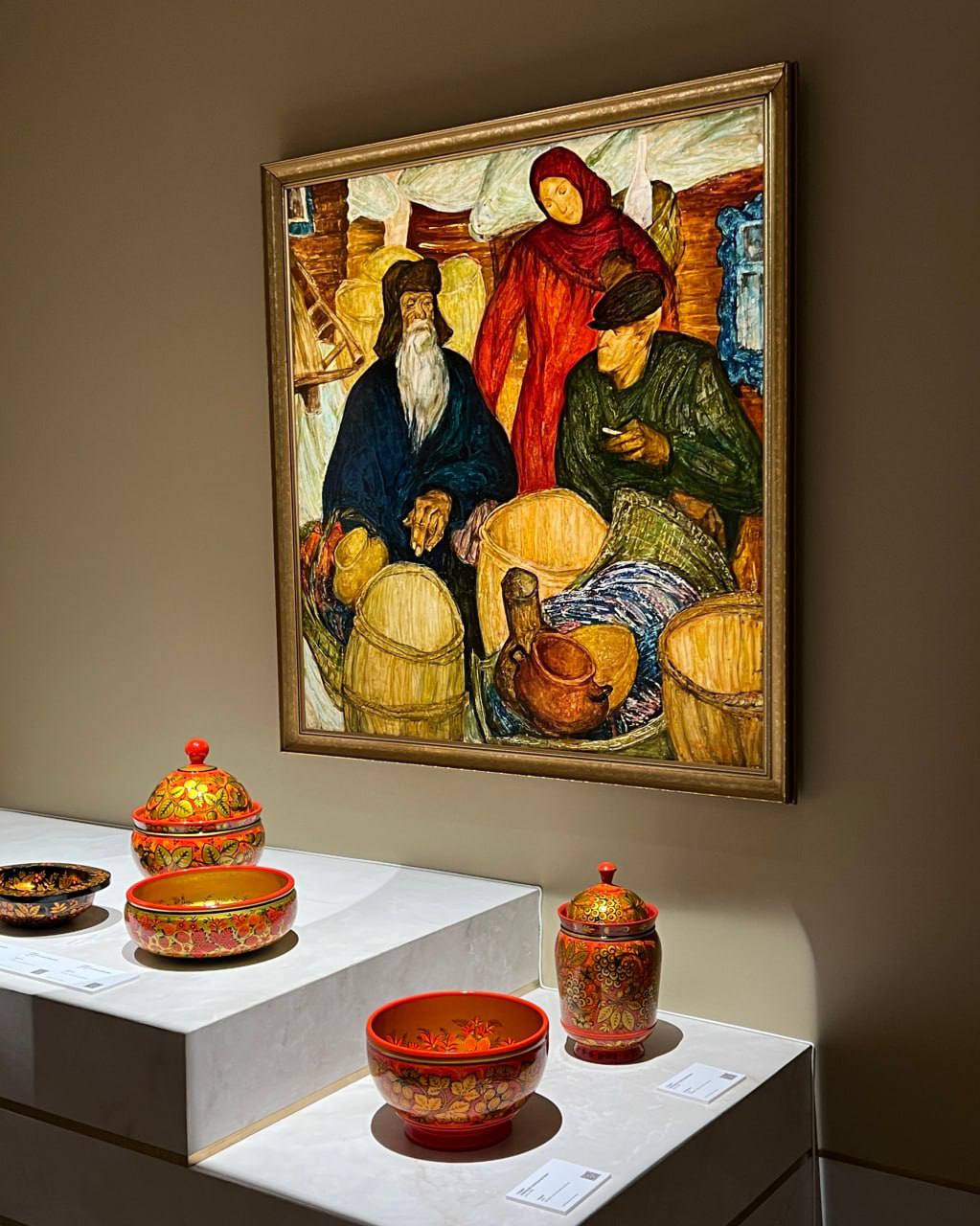
The exhibition presents both masters of the second half of the twentieth century and very young authors. From the Russian national style in the decorative and applied arts and modernist nostalgia for the village, to the ultra-contemporary artists. On the ground floor are paintings that grew out of the Soviet era, where Socialist Realism is no longer an ideology but a strange mirror of lost meaning. Landscapes, still lifes, war subjects: all of this reads today not as the past but as a dream of a time when the unity of image and reality was still possible.
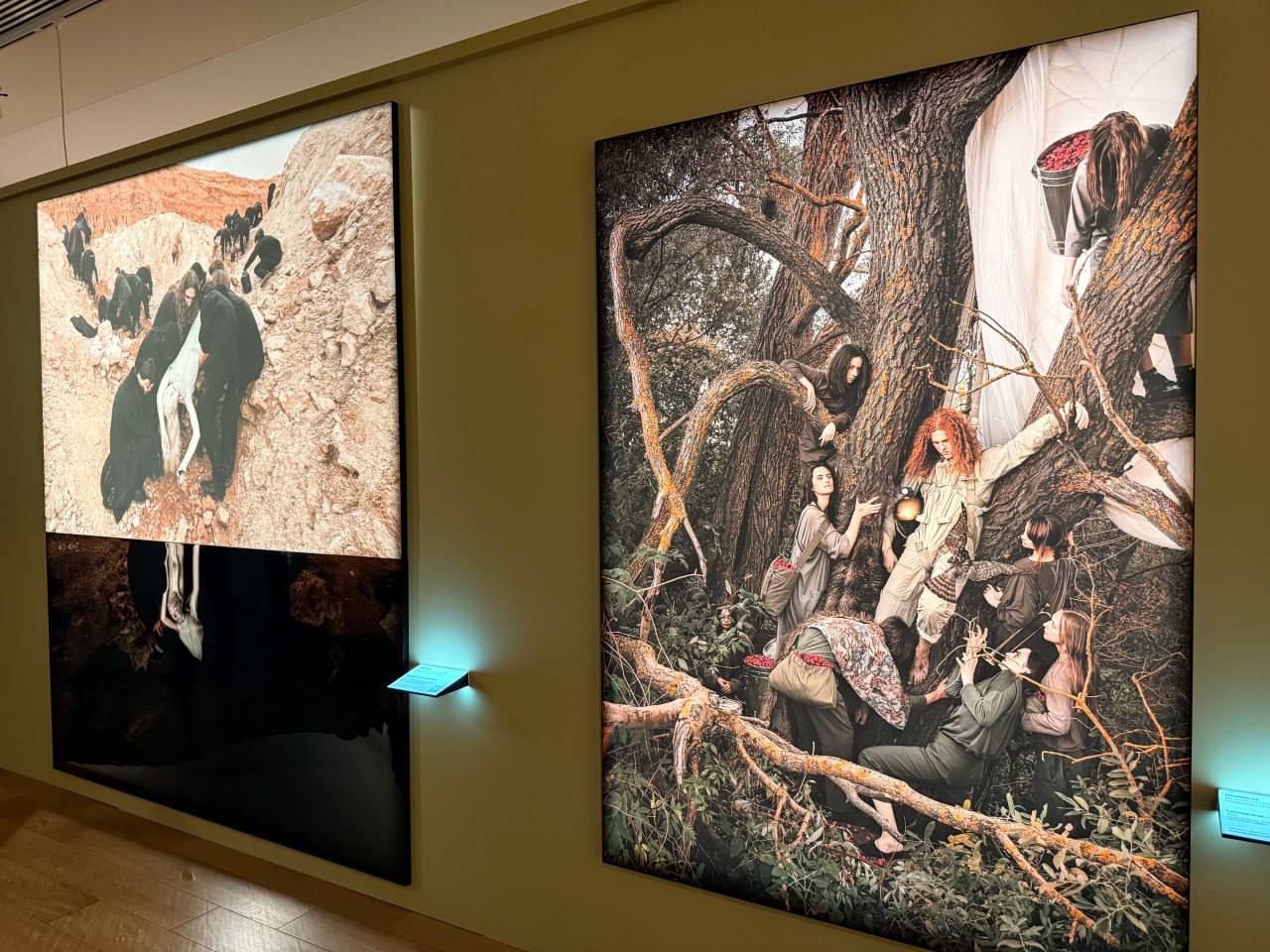
And above is the younger generation. Artists who are not afraid to work with the instability of the world, turning chaos into material. It is intriguing how they set about speaking of the present without the illusion of understanding it. The photographs of the Provmyza group, street art, painting in which expression replaces composition: all of this promises not an exposition but a conversation, in which the viewer is assigned the role not of observer but of participant.
I am interested in the moment when art ceases to depict and begins to search. When colours become not form but the rhythm of breathing, as with Natalia Pankova or Asya Feoktistova, whose works, by all accounts, seem to create a space of their own, without borders, without a centre, without the dictate of design.
That is precisely why I am putting this exhibition on the list of those one must visit. Not for yet another dose of museum tranquillity and textbook subjects in which everything has already been decided, but for what is still unformed, what still beats and resists interpretation. It is sometimes useful to remind oneself: contemporary art is not a riddle to be solved but a mirror in which we see that we ourselves have become too easy to understand