Friday, 2 October 2026
Section · 1121 stories

Moscow

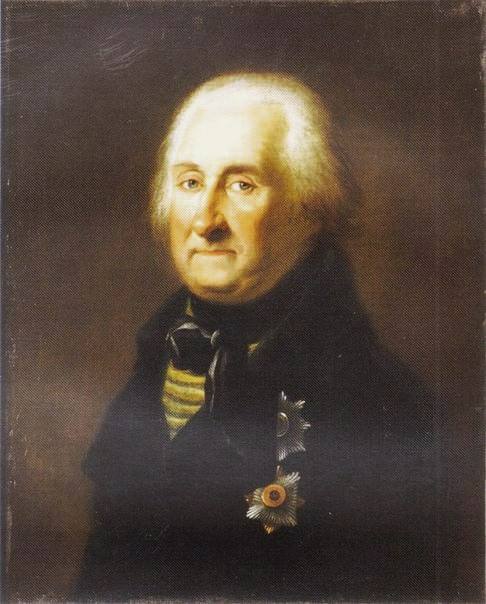
The Military Governor of Moscow, Yury Vladimirovich Dolgorukov, Was a Great Friend of the Eminent Grandee Stepan Stepanovich Apraksin, Formerly Military Governor of Smolensk and Known Above All for His Lavish Receptions at His House on…

Aristocracy · Archive · Faith · Moscow · Mores

The Military Governor of Moscow, Yury Vladimirovich Dolgorukov, Was a Great Friend of the Eminent Grandee Stepan Stepanovich Apraksin, Formerly Military Governor of Smolensk and Known Above All for His Lavish Receptions at His House on…

According to the account of Elizaveta Petrovna Yankova, Apraksin and Dolgorukov had a rather peculiar agreement: whichever of them died first was to give a sign to the other, who remained among the living, and to appear to him three times before his death, to announce that the hour had

By Alexandr Radayev
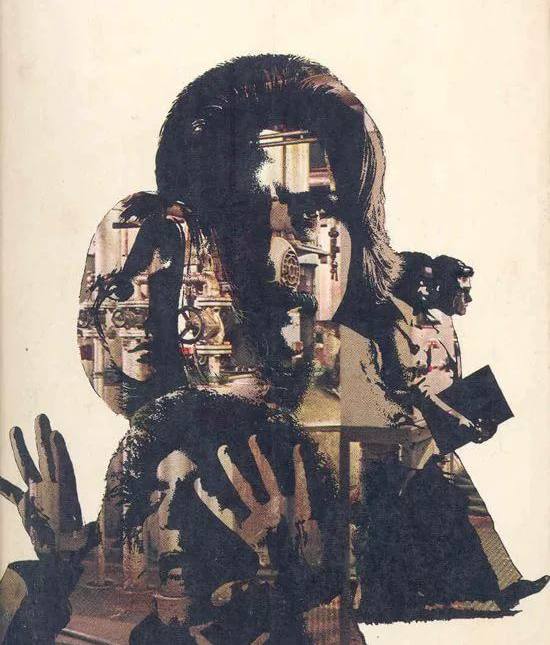
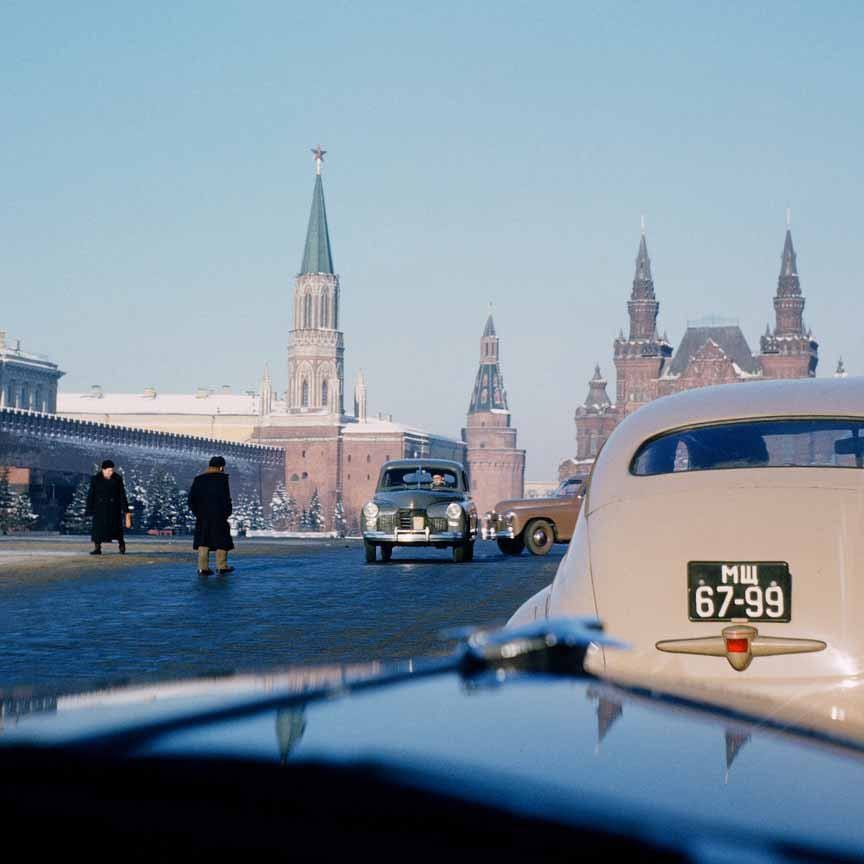
An archive of photographs of Stalin's Moscow and other Soviet cities, taken by a US embassy employee expelled from the country for espionage, found in the cupboard of an old house

Archive · Moscow · Society

An archive of photographs of Stalin's Moscow and other Soviet cities, taken by a US embassy employee expelled from the country for espionage, found in the cupboard of an old house

While in Moscow, Major Martin Manhoff of the US Army, attached to the embassy, was restricted in his movements, yet he managed to take unique photographs of a Soviet world of sharp contrasts. Major Manhoff served at the US embassy in Moscow from February 1952 until June 1954, when he

By Alexandr Radayev
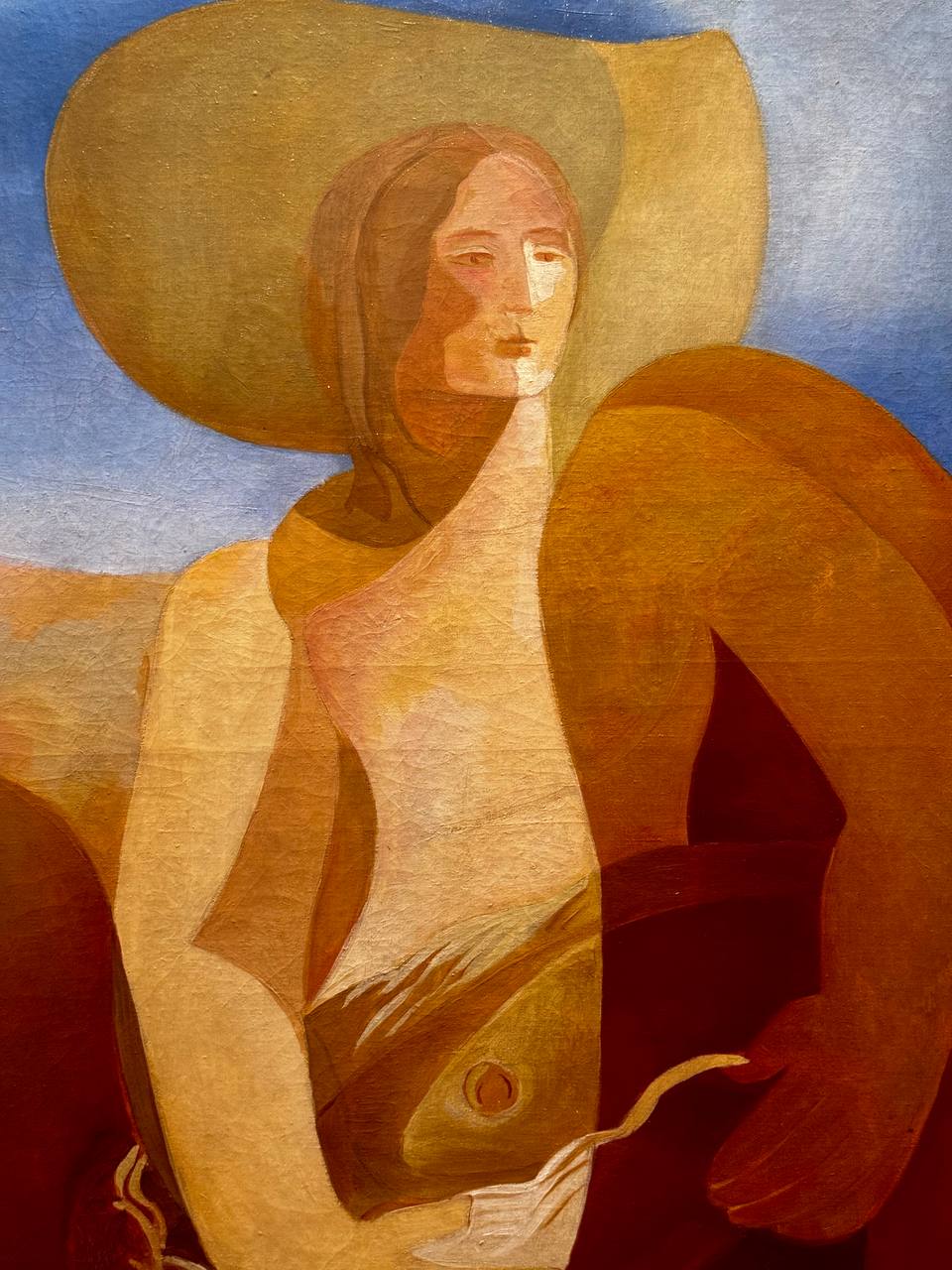
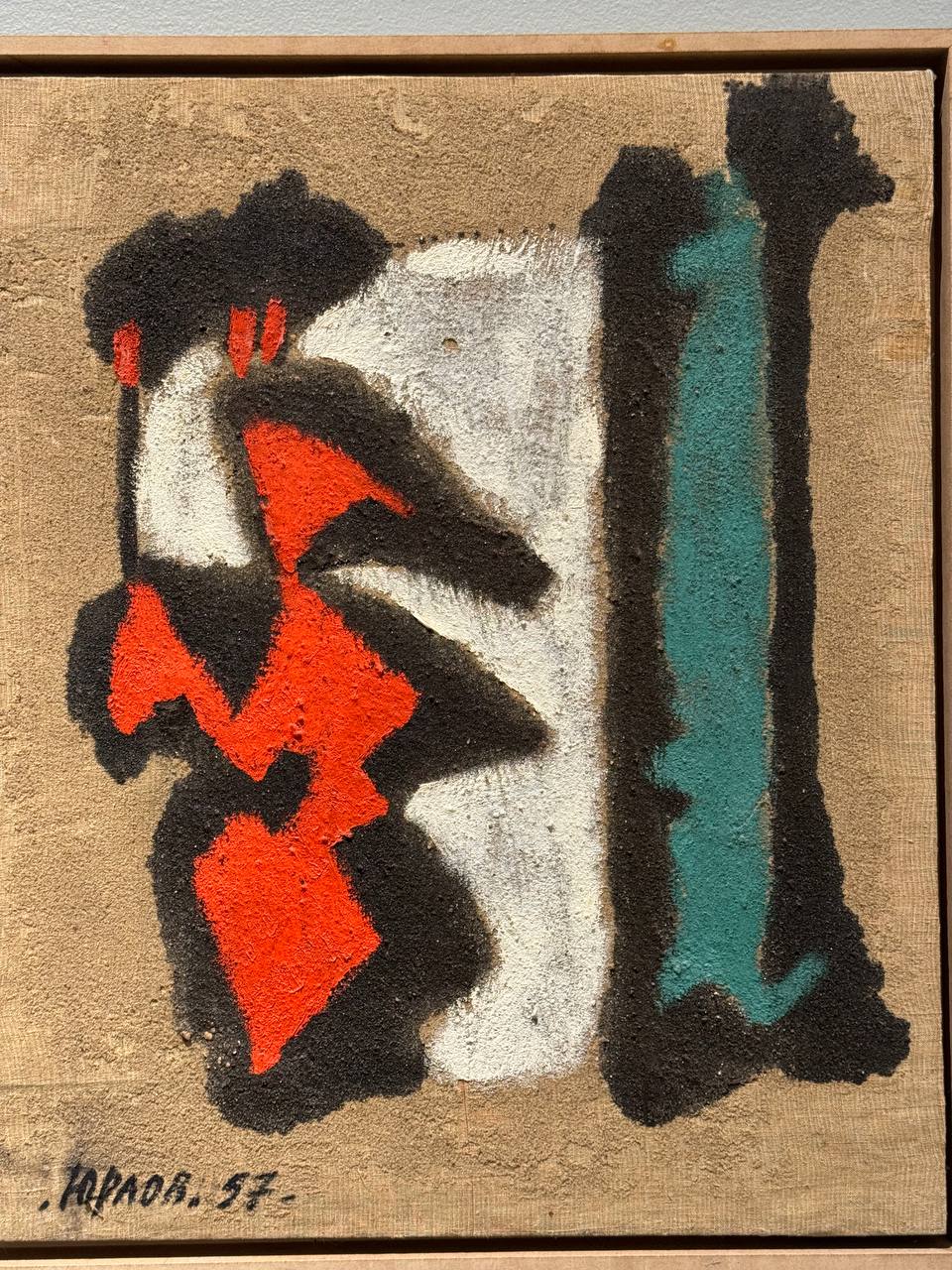
Yesterday the West Wing of the New Tretyakov opened "Experiments in Contemplation", an exhibition by Valery Yurlov, the living patriarch of Soviet nonconformism

Art · Moscow · Museums · People · Society Pages

Yesterday the West Wing of the New Tretyakov opened "Experiments in Contemplation", an exhibition by Valery Yurlov, the living patriarch of Soviet nonconformism

Yesterday the West Wing of the New Tretyakov opened "Experiments in Contemplation", an exhibition by Valery Yurlov, the living patriarch of Soviet nonconformism. The works on show include, for instance, pieces from 1957 and 1958. The retrospective of Yurlov's career spans more than 70 years. But

By Alexandr Radayev