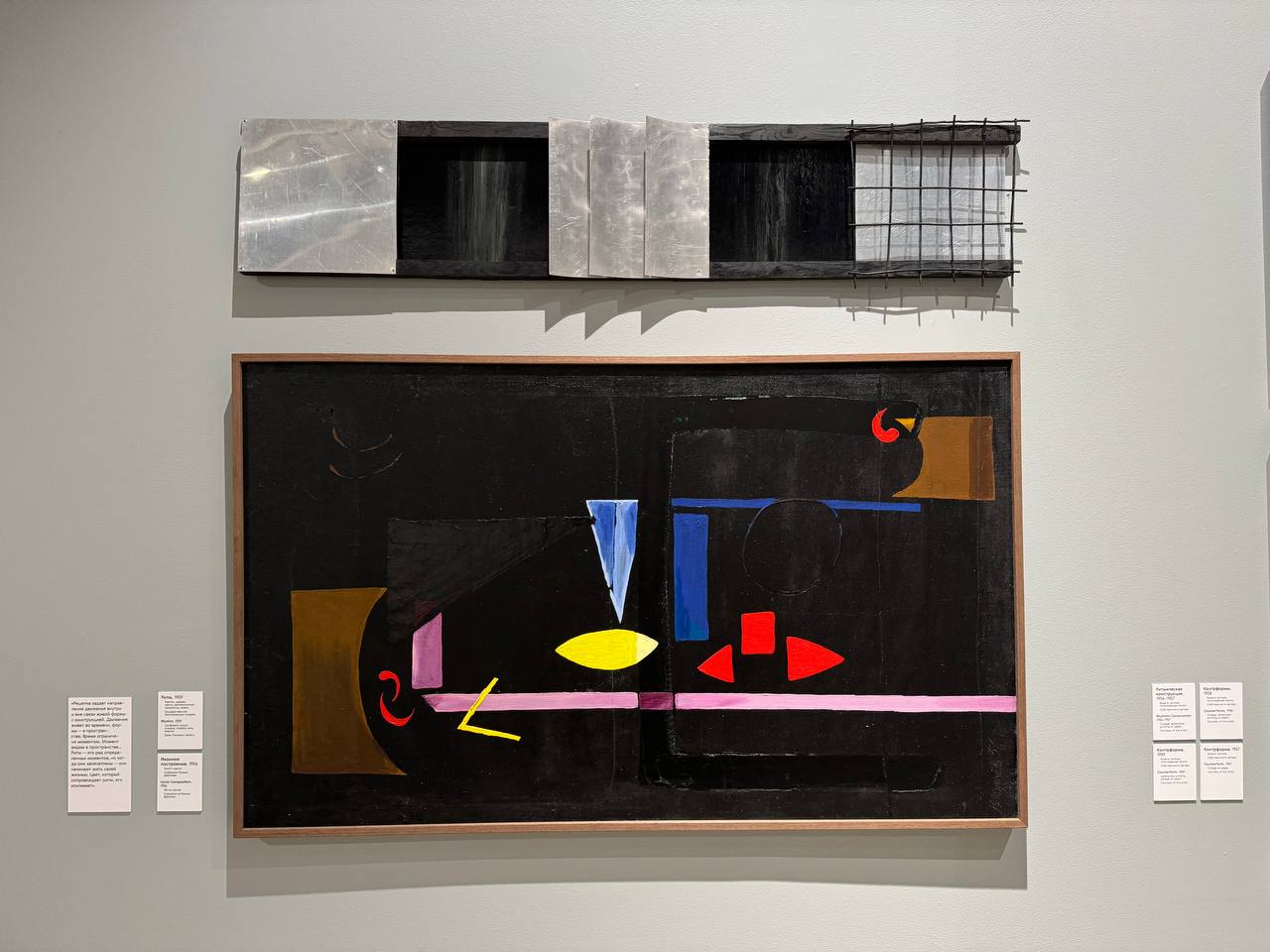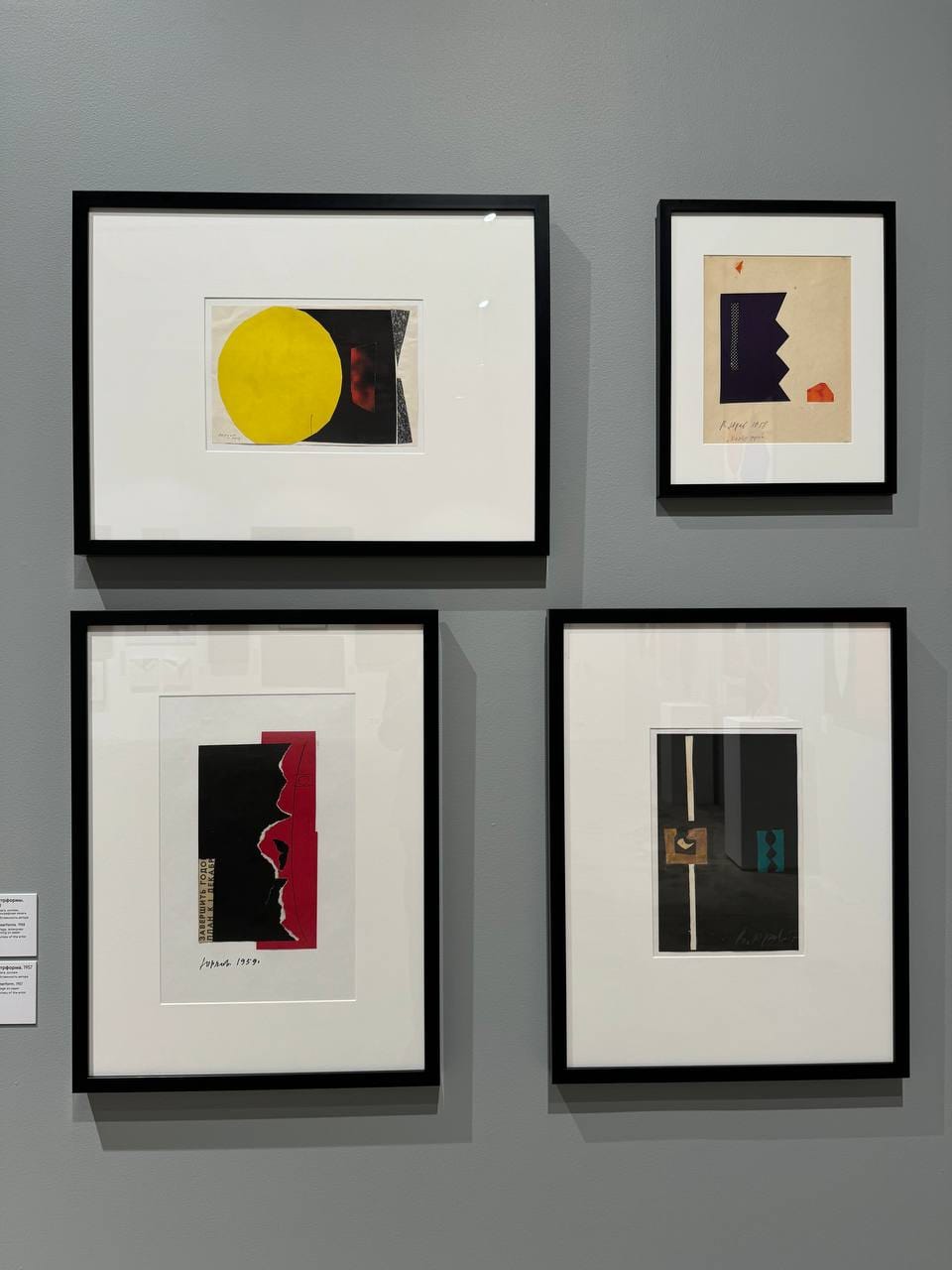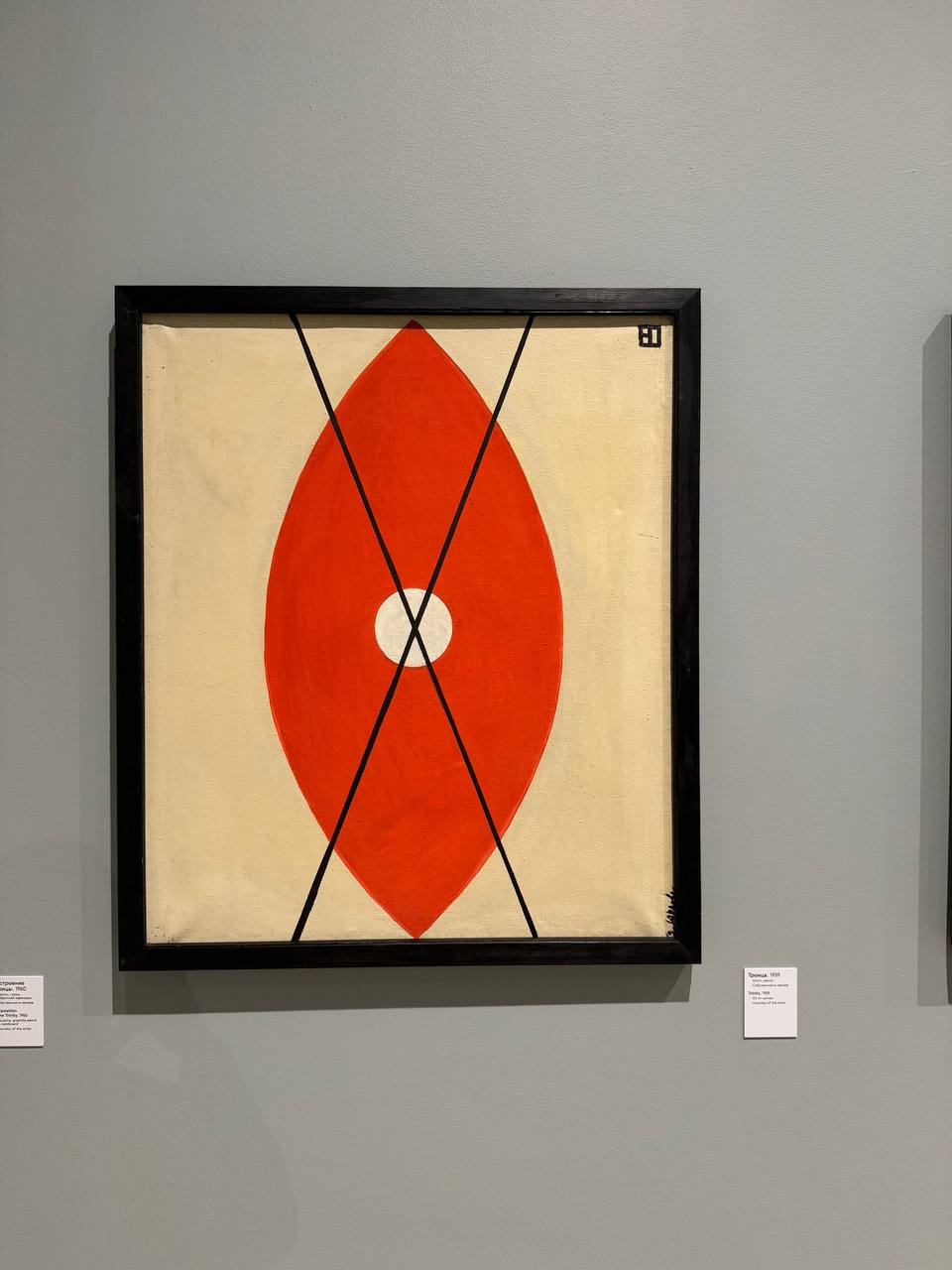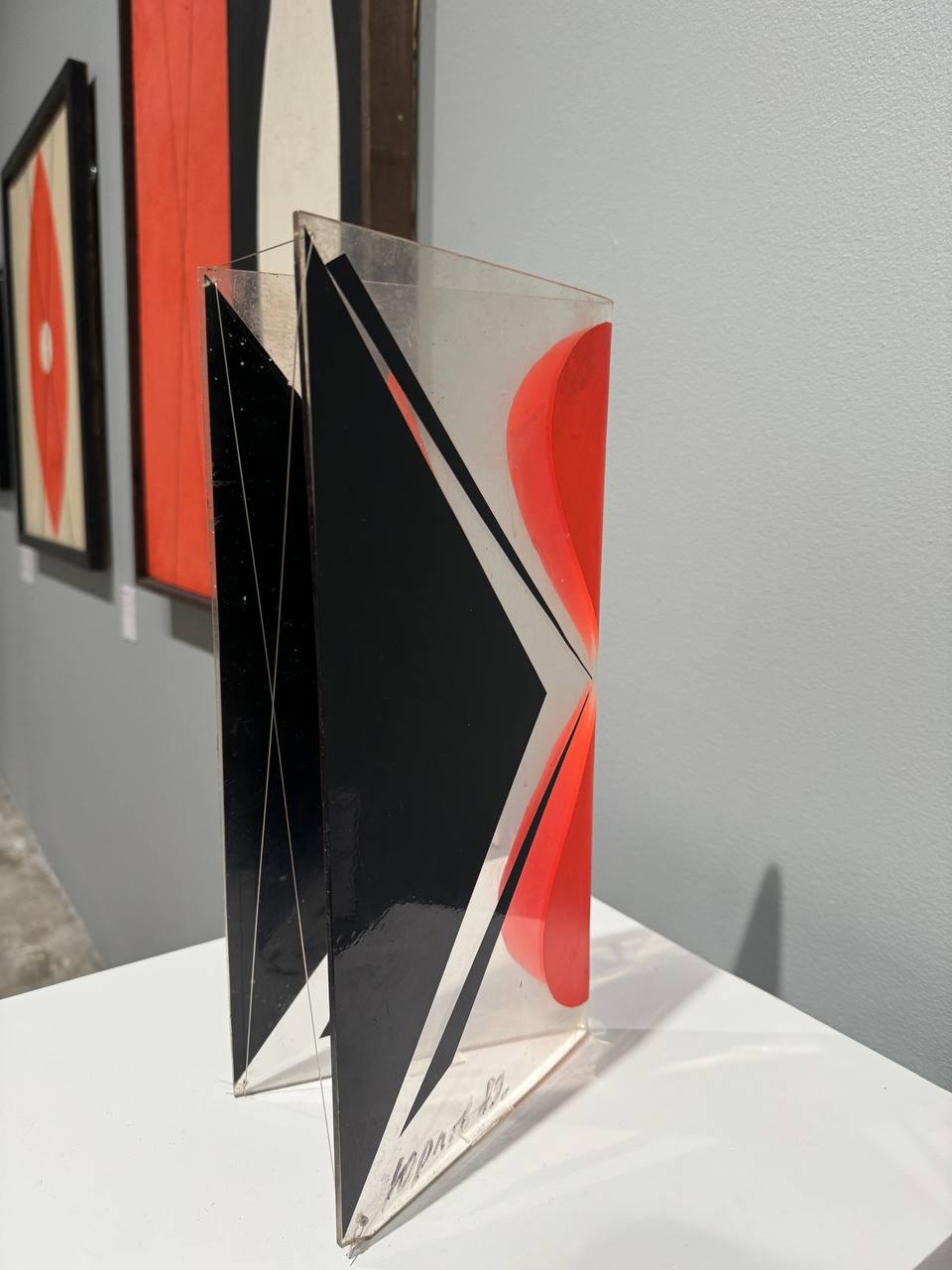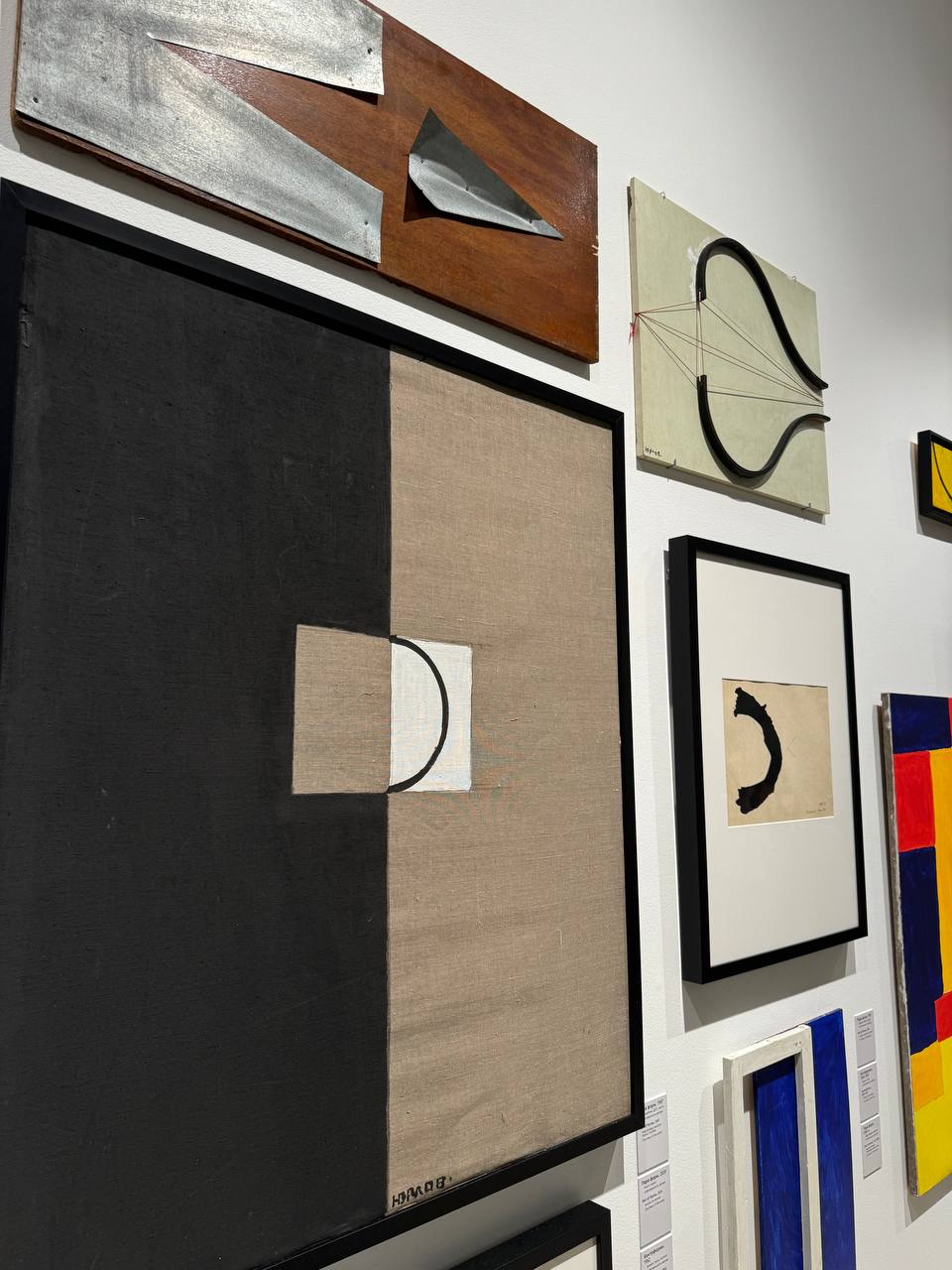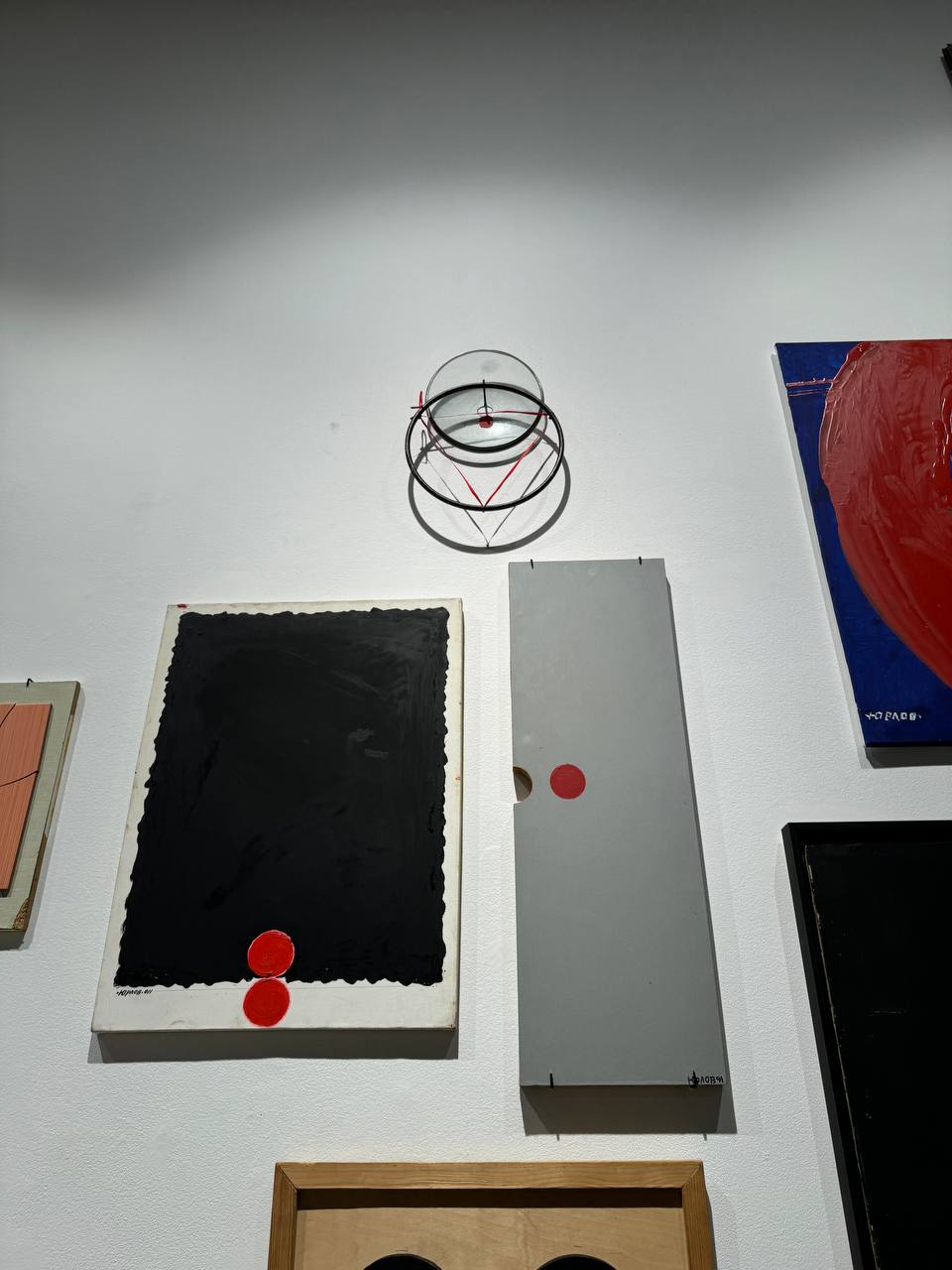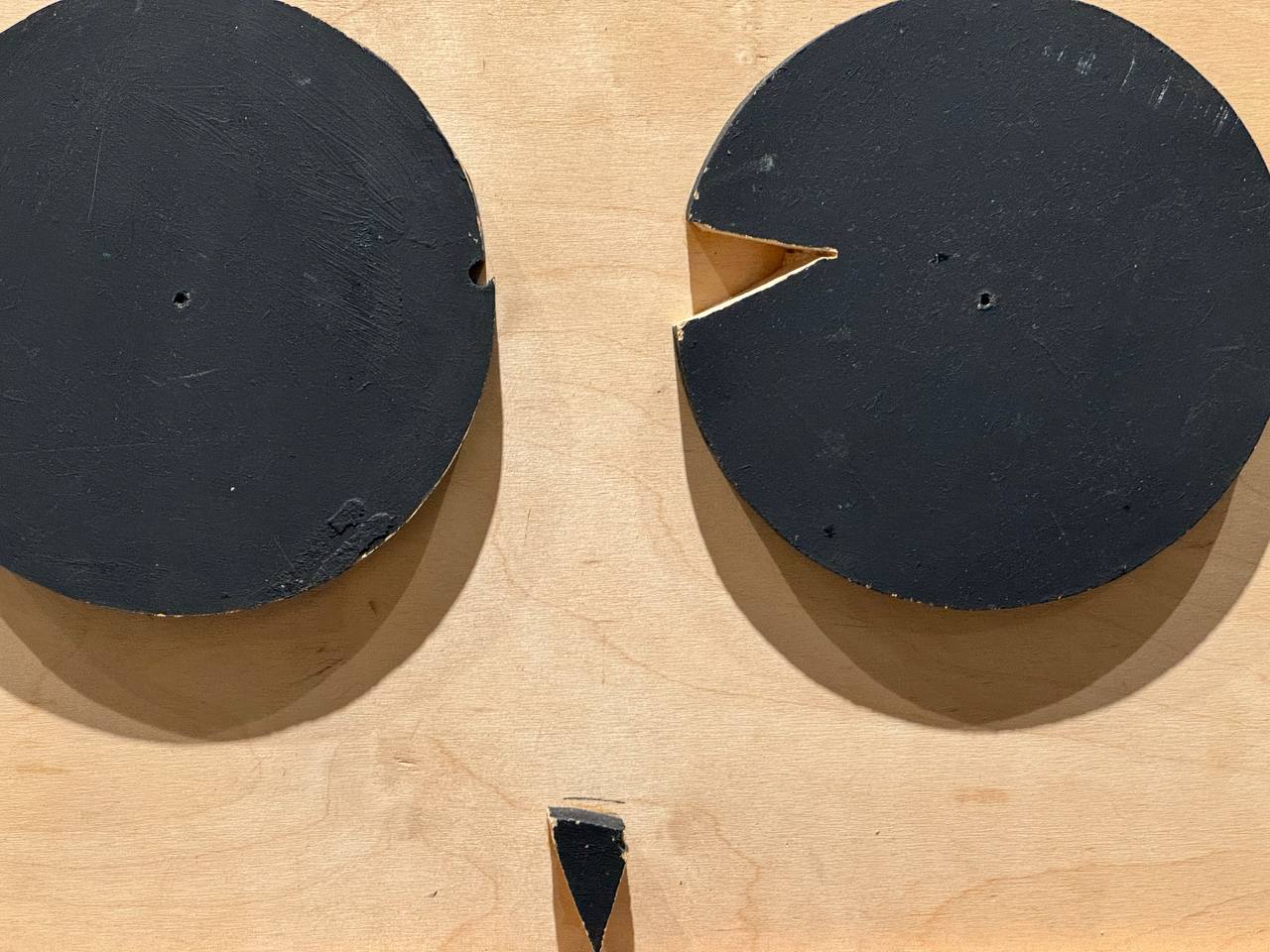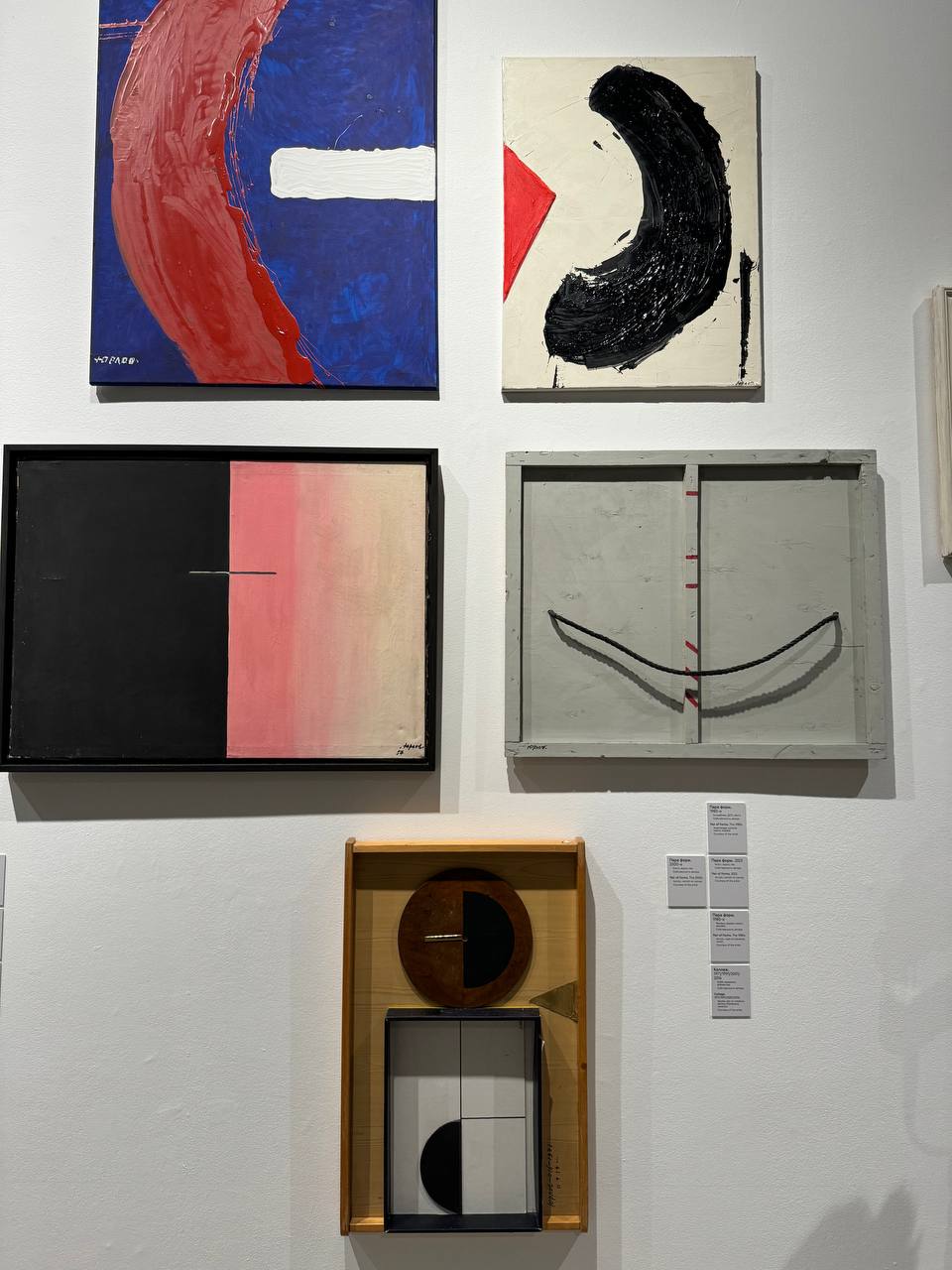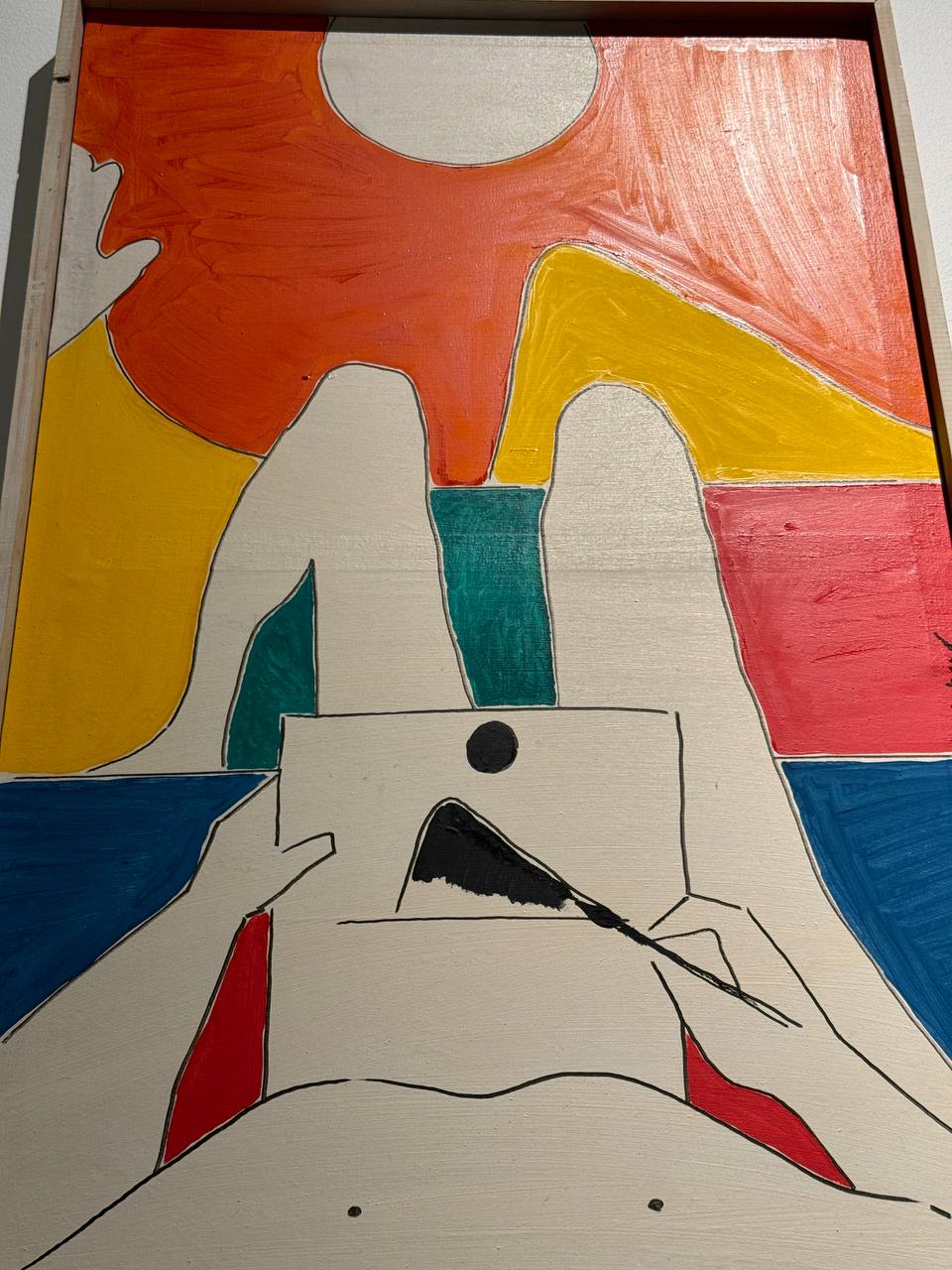
Yesterday the West Wing of the New Tretyakov opened "Experiments in Contemplation", an exhibition by Valery Yurlov, the living patriarch of Soviet nonconformism
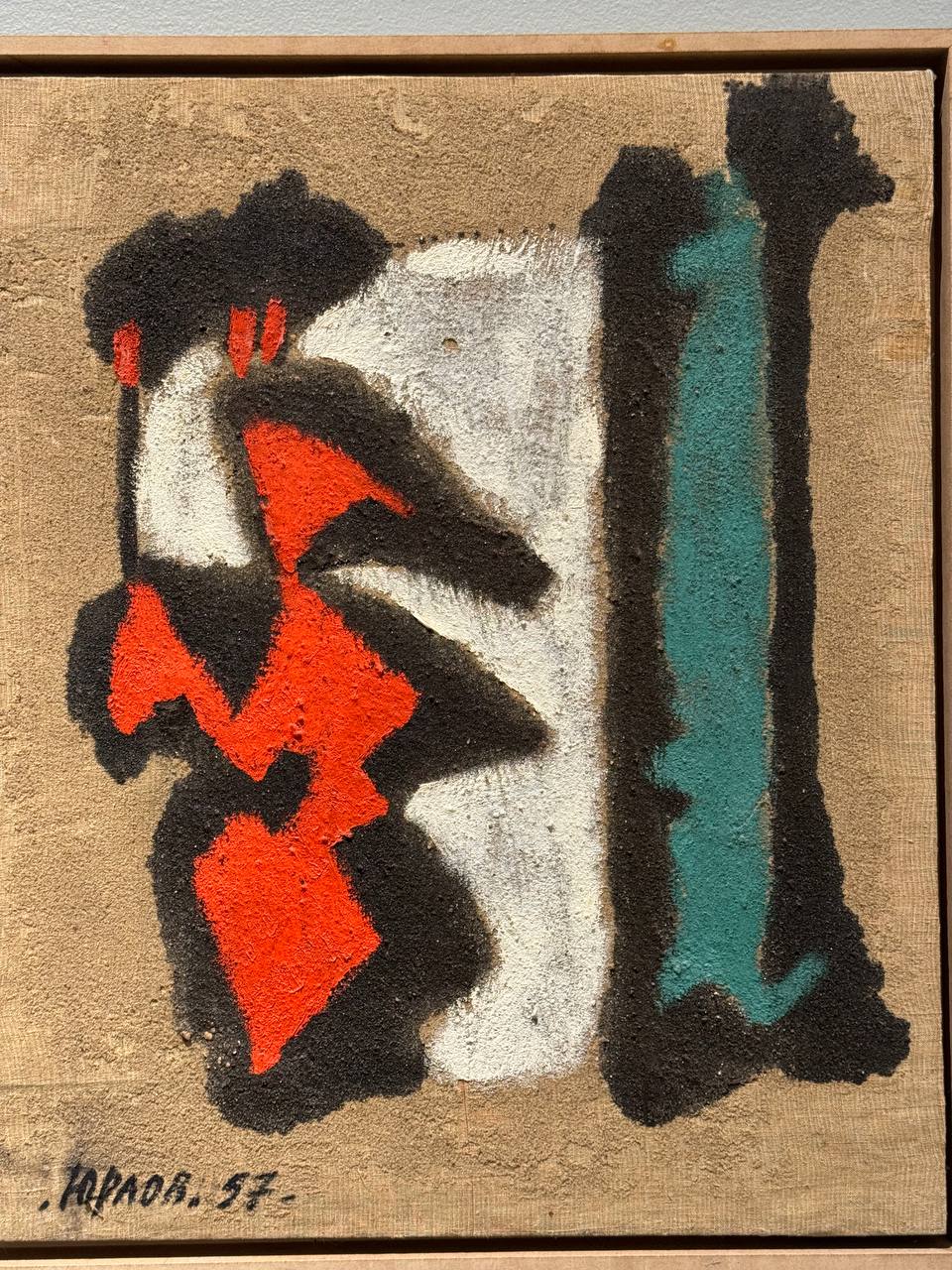
Yesterday the West Wing of the New Tretyakov opened "Experiments in Contemplation", an exhibition by Valery Yurlov, the living patriarch of Soviet nonconformism. The works on show include, for instance, pieces from 1957 and 1958. The retrospective of Yurlov's career spans more than 70 years.
But from the very beginning these are experiments in the field of contemporary art, with the exception of the student drawings shown in a separate display case.
Valery Ivanovich speaks engagingly about his path as an artist: from his first steps he knew that he wanted to work precisely in contemporary art, rather than, as so often happens, turning to it in time. And still less out of considerations of fashion or prestige. Picture it: Moscow as we know it is only just being built, and from his window the young Valera Yurlov watches the high-rise on Kotelnicheskaya in scaffolding and sees the first crane of his life, while his teachers tell him that the sculptures on a Stalinist high-rise are very bad art. The Pushkin Museum is still closed, and in it they are showing gifts to Stalin: sheaves of hay, vases with coats of arms and peasant embroideries, so there is neither Picasso nor Degas to be seen. The collection would be returned only in 1953. The first exhibition of American art in Sokolniki is not yet even glimmering on the horizon, and Yurlov already feels that he wants to work in the most up-to-the-minute art. And he knows how exactly: in the search for form.
One must give due credit to the erudition of the then very young artist, who thought, as his early works show, at the level of the most advanced world ideas, and this in the complete information vacuum of late Stalinism. The one thread tying him to the contemporary world context amid the din of Socialist Realism was an illustration of Matisse stolen from a classroom cupboard. Yurlov received his first artistic education in Alma-Ata, where he was born in 1932 and lived until 1949. There, while still a schoolboy, he managed to study under the best, under eminent artists and masters who were in the Kazakh capital in evacuation. Having mastered the initial art course, by the time he applied he possessed enough knowledge to complete the first years of the Polygraphic Institute as an external student. But above all, early professional contact with art allowed Yurlov to find his own path without long searching.
A contemporary of Ilya Kabakov, Yurlov painted from his first experiments quite unlike any of the Moscow Conceptualists. Everything Yurlov does differs strikingly from the instantly recognisable art of Kabakov, Pivovarov and Bulatov. He himself explains this by saying that their outlook was covertly literary, growing out of the literature-centredness of Russian culture, whereas his was exclusively that of an artist, seeking form at once.
As I understood from the artist's stories, he was not much integrated into the Conceptualist crowd and found himself, in effect, on the sidelines of their apartment exhibitions and active friendships. Apparently partly for this reason too, together with his ideological otherness, he stood somewhat apart from the main core of Soviet unofficial art, the first echelon, so to speak. The complex concept of the search for form put off Yurlov's great recognition by several decades.
In the Thaw and Stagnation decades he worked a great deal as an illustrator, without abandoning his own art. He was not in want and did not figure on any lists of the disgraced, and by the end of the twentieth century he could boast an enormous body of work from different years and exhibitions, including at the Tretyakov.
All his life Valery Yurlov, who is now 92, has gone on developing his method. And here, at the exhibition in the Tretyakov, one can see a veritable encyclopaedia of contemporary art as it was in the twentieth century, through the prism of one man striving to understand the structure of what is happening in the world. All of Yurlov's experiments run along the lines of philosophising in colour about the form of our being.
A very interesting project and an artist of incredible stature, who presented it personally and assembled it himself. Not to be missed.