Sunday, 15 November 2026
Section · 446 stories

Ethnography

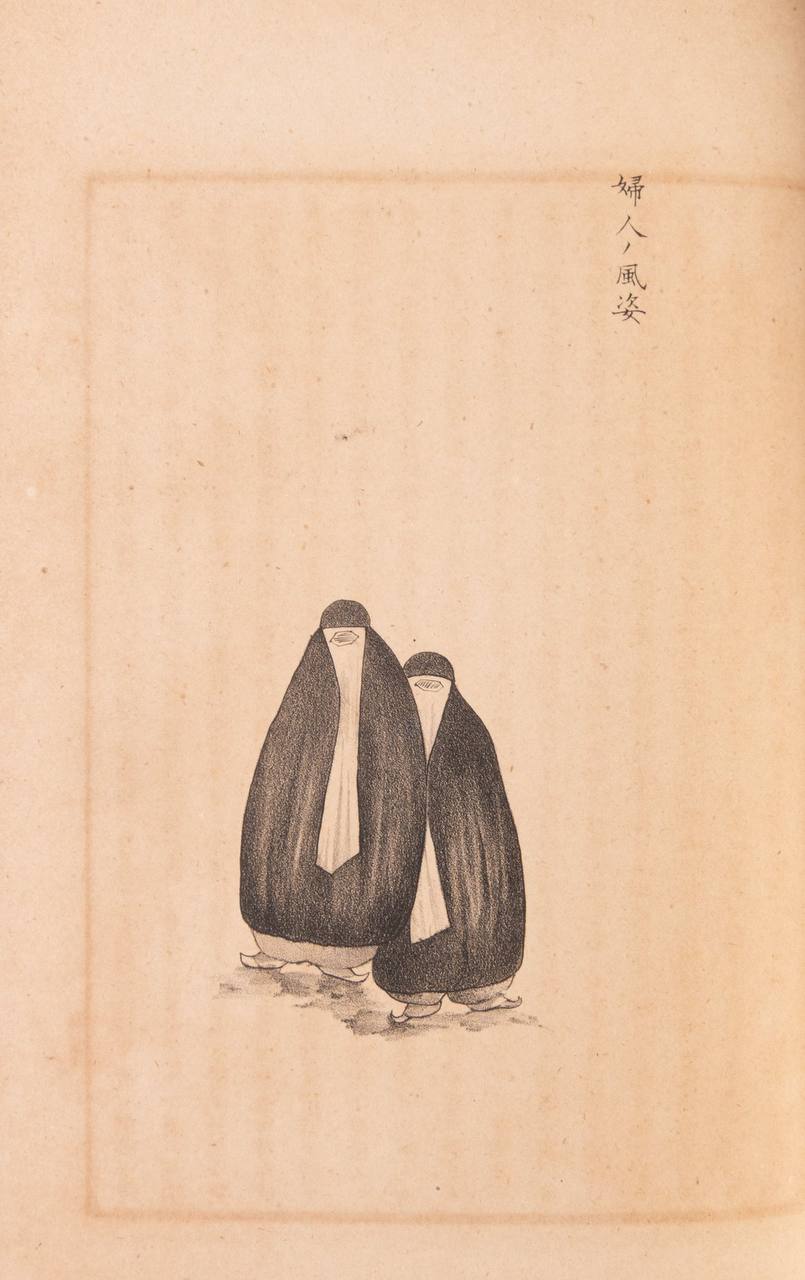
Iranian Women of the Qajar Era in Japanese Woodcuts from the Book by the Engineer and Topographer Naoyuki Furukawa, Describing Japan's First Diplomatic Contact with Iran in 1880 and 1881

The East · Art · Books · Mores · Ethnography

Iranian Women of the Qajar Era in Japanese Woodcuts from the Book by the Engineer and Topographer Naoyuki Furukawa, Describing Japan's First Diplomatic Contact with Iran in 1880 and 1881

Iranian women of the Qajar era in Japanese woodcuts from the book by the engineer and topographer Naoyuki Furukawa, describing Japan's first diplomatic contact with Iran in 1880 and 1881. The mission was carried out under the leadership of Yoshida Masaharu. Besides recounting the incidents of the journey,

By Alexandr Radayev
In Tutayev, more than two thousand people walked in a procession of the cross along the right bank of the Volga with an icon that takes thirty men to lift

Faith · Reportage · Ethnography

In Tutayev, more than two thousand people walked in a procession of the cross along the right bank of the Volga with an icon that takes thirty men to lift

In Tutayev, more than two thousand people walked in a procession of the cross along the right bank of the Volga with an icon that takes thirty men to lift. This is the “Saviour Most Merciful” from the Resurrection Cathedral: a half-length Pantocrator with an open Gospel in his

By Alexandr Radayev
The terms “invasive” and “non-native” carry fatal legal consequences for biological species

Archaeology · Science · Nature · Ethnography

The terms “invasive” and “non-native” carry fatal legal consequences for biological species

The terms “invasive” and “non-native” carry fatal legal consequences for biological species. These labels, in essence, open the way to measures up to and including the complete destruction of populations. In science this is called eradication. What mostly comes to mind are examples of the total eradication of species

By Alexandr Radayev
A team of researchers at Yale University has established that the earliest populations of Near Oceania interbred with at least three distinct groups related to the Denisovans

Archaeology · Science · Ethnography

A team of researchers at Yale University has established that the earliest populations of Near Oceania interbred with at least three distinct groups related to the Denisovans

A team of researchers at Yale University has established that the earliest populations of Near Oceania interbred with at least three distinct groups related to the Denisovans. The conclusion rests on an analysis of the genomes of 177 people from 12 populations in Papua New Guinea, the Bismarck Archipelago and

By Alexandr Radayev