Art
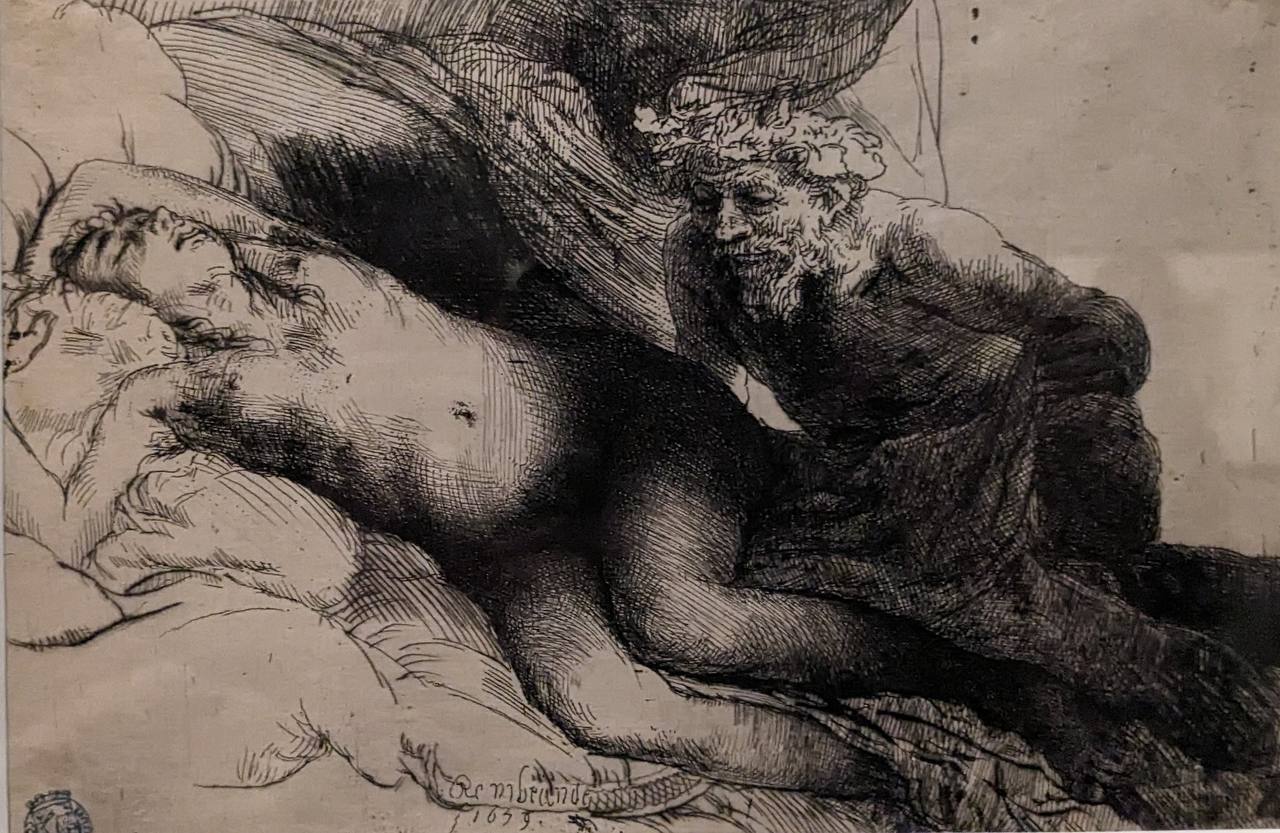
Good Morning, Time to Get Up
Rembrandt, 1655

Art
Rembrandt, 1655
Aristocracy · Art · Museums
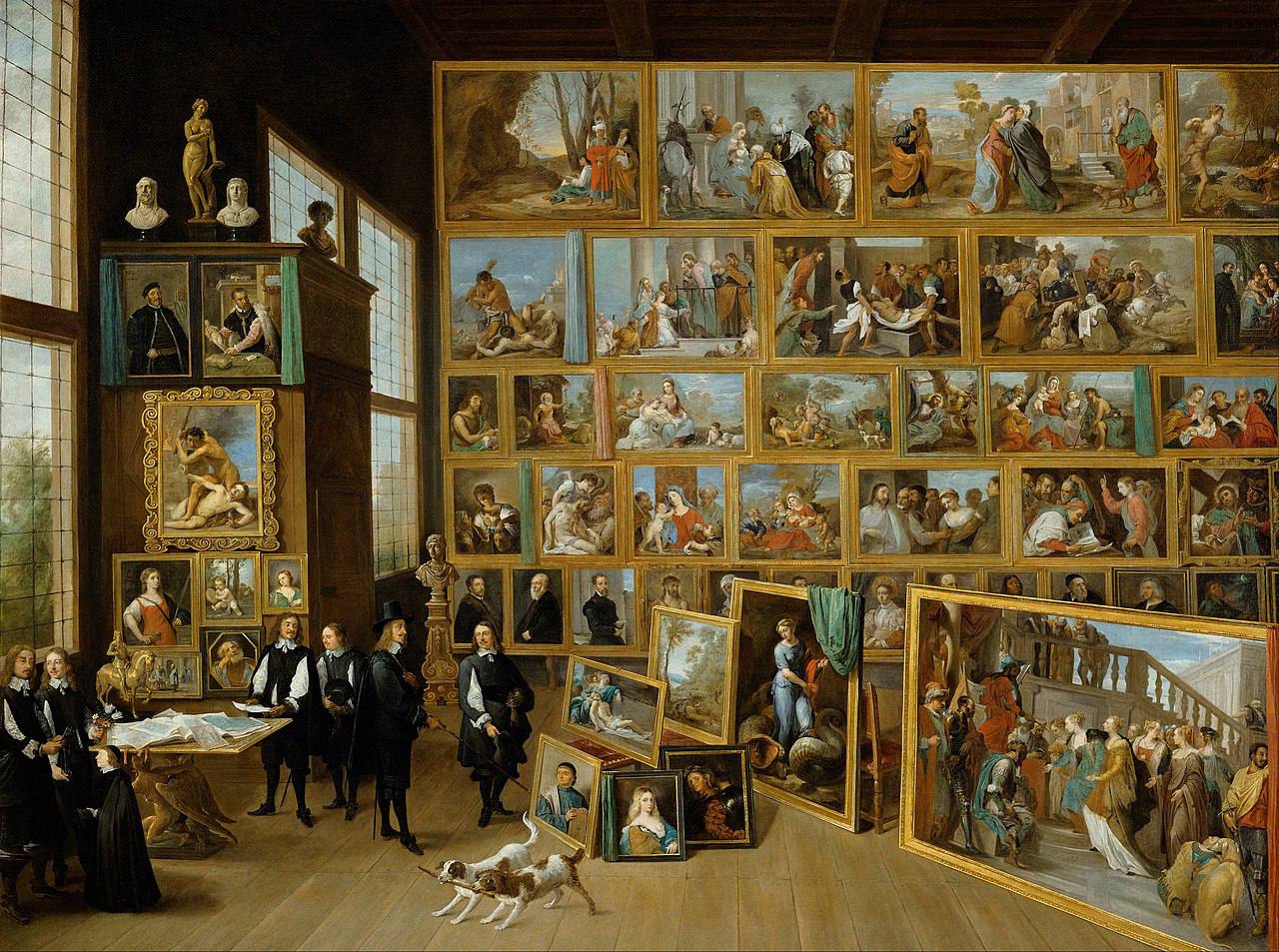
David Teniers the Younger, 1650
Art · Moscow · Museums
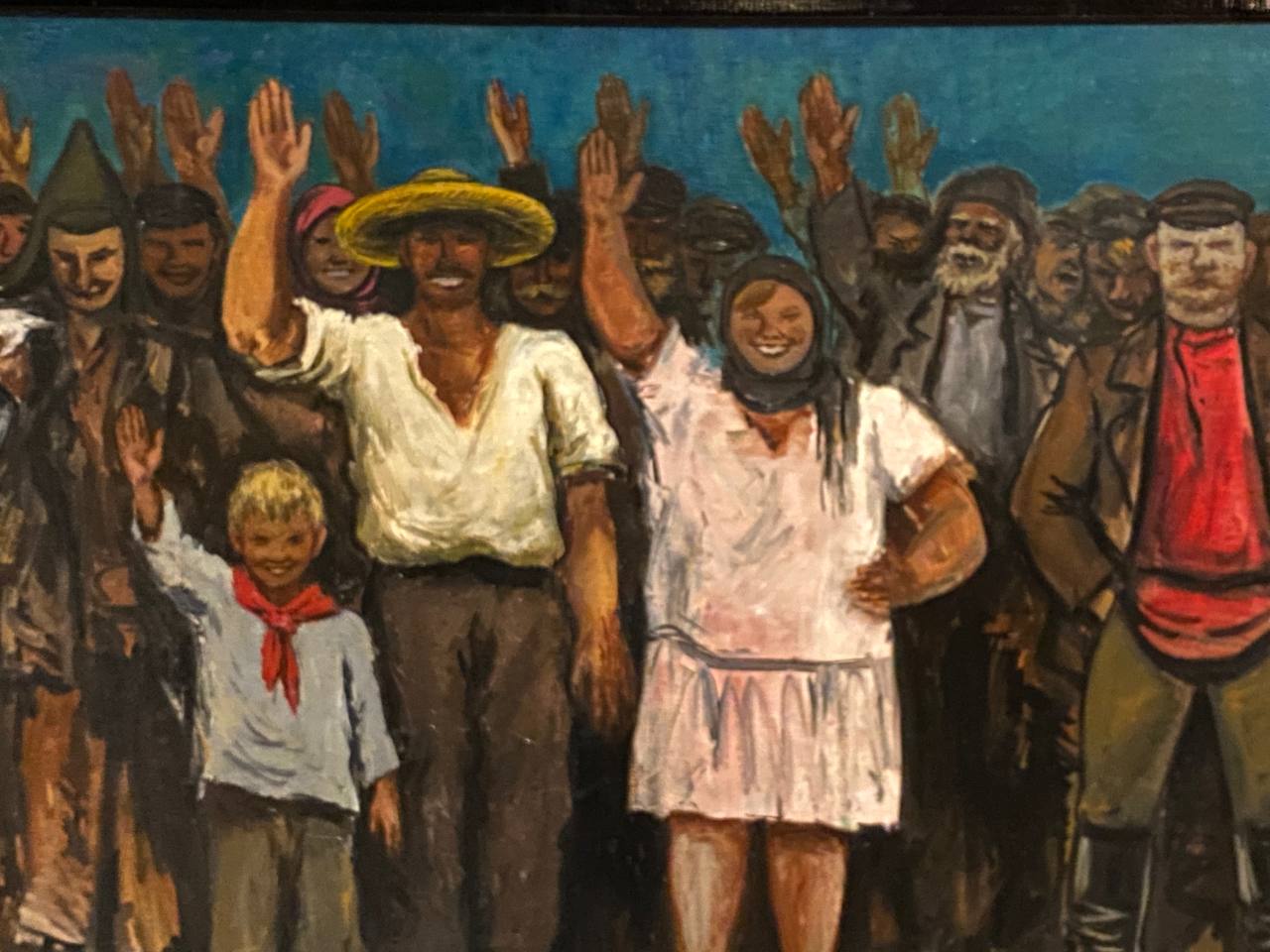
Samuil Adlivankin, 1931, State Tretyakov Gallery collection. Photo from the exhibition The Trial: Franz Kafka and the Art of the 20th Century at the Jewish Museum.
NB! · Archaeology · Art · Museums
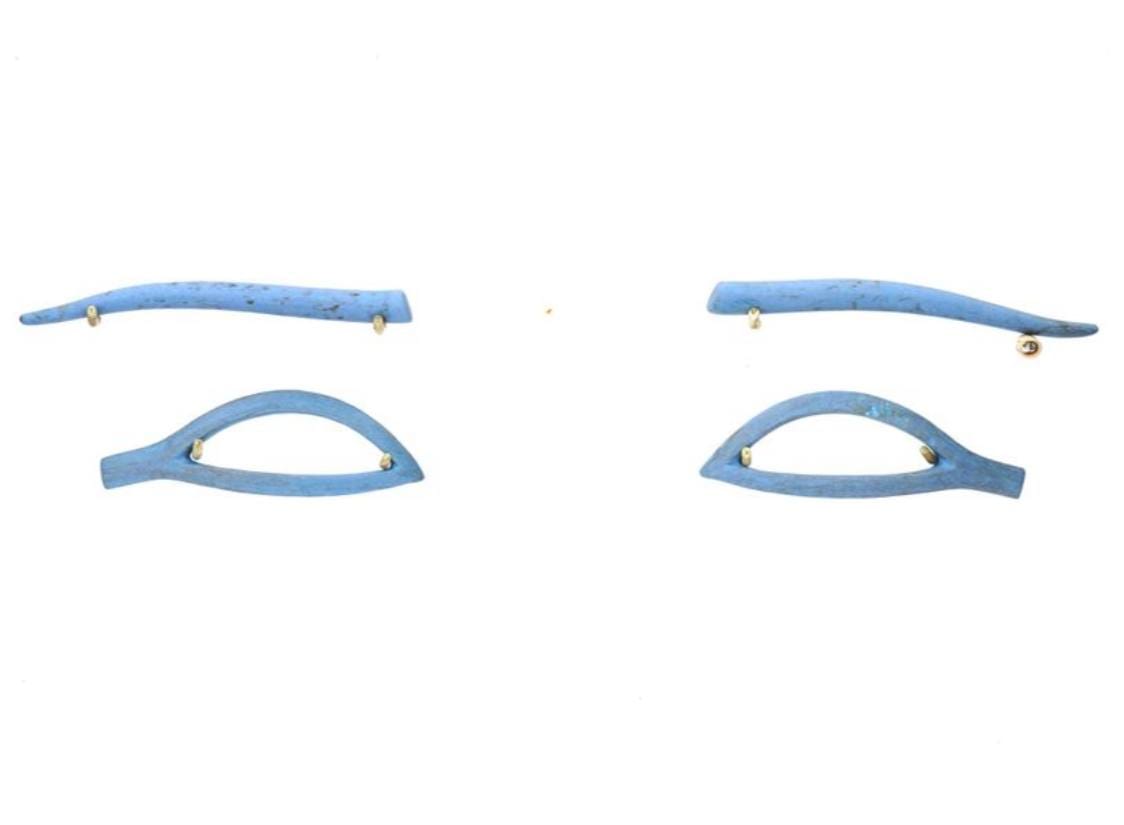
Eye-shaped elements of ancient Egyptian funerary furnishings. Such inlaid eyes usually contained glass and obsidian imitations of the pupil and the eyeball
Faith · Art
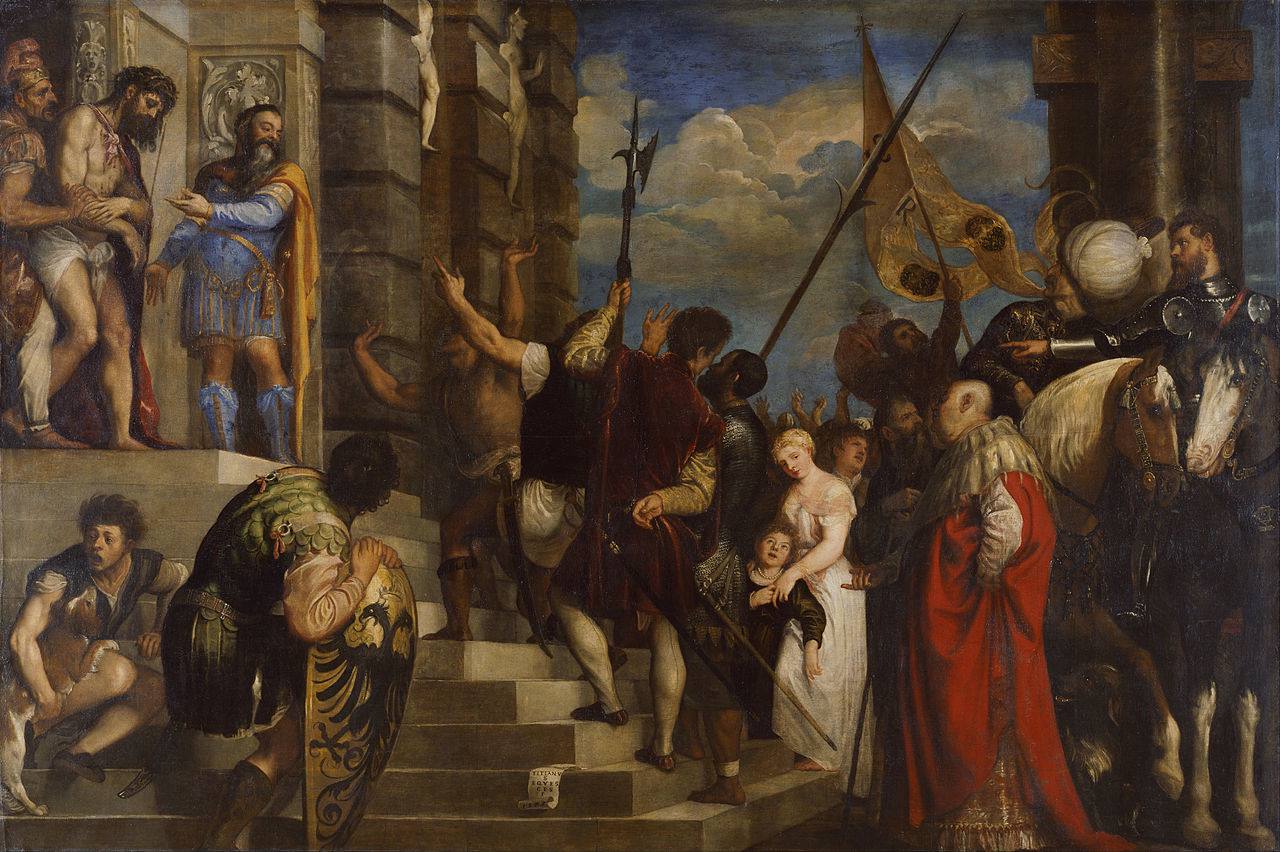
Pontius Pilate presents the captive Christ to a people thirsting for an execution and pronounces: "Behold the man!" The expression on Pilate's face remains a riddle: what does he feel at this moment, compassion, regret or disappointment? The commission came from a wealthy Venetian merchant. Researchers
The East · Art · Monarchies · Ethnography
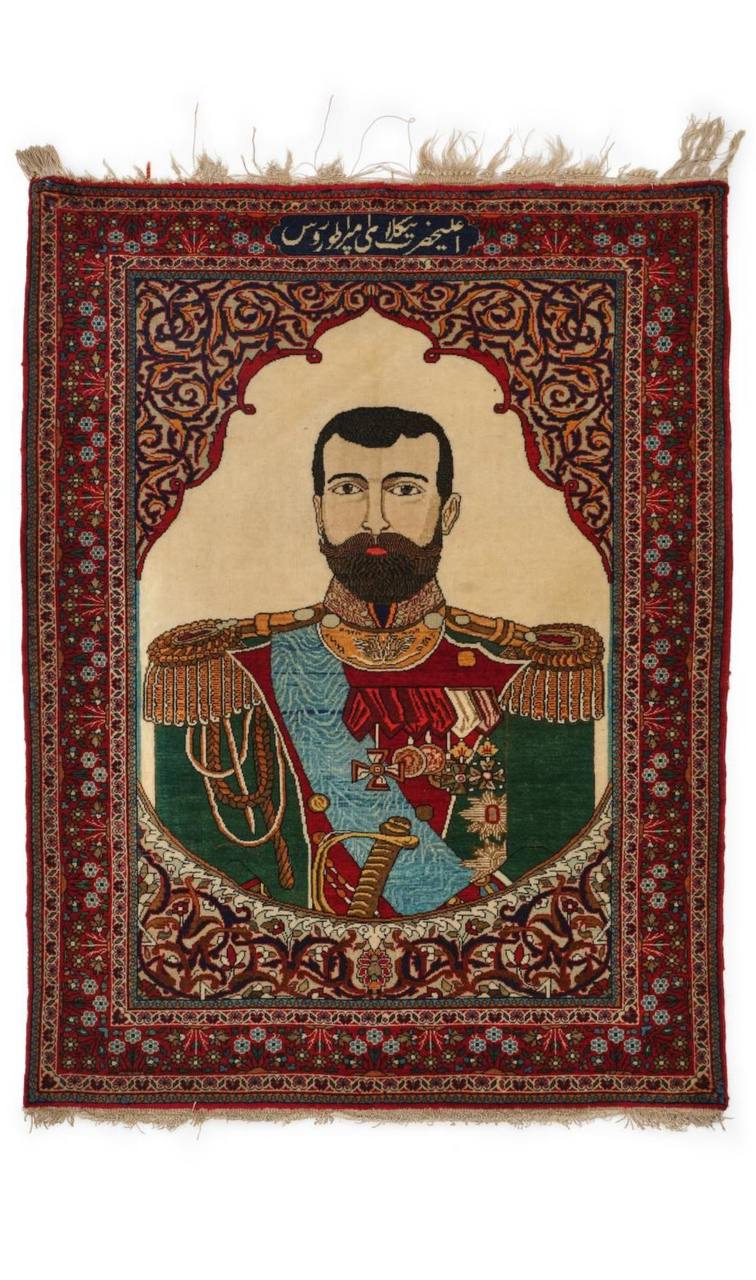
Persian Carpet by Mohtashem of Kashan with a Portrait of Nicholas II. Mohtashem was a celebrated weaver who, in the Iranian city of Kashan in the late nineteenth and early twentieth centuries, produced carpets so skilful and of such high quality that his name became a byword for an entire
Art · Books · Science
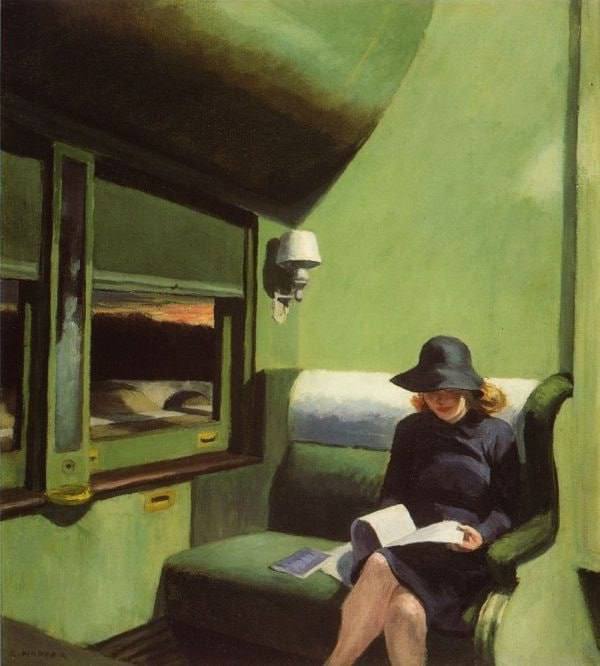
Epochs change, but the wish of artists to capture people's rapture in reading remains unchanged. Paintings of people reading are an excellent illustration to an account of an important article from Bookmate, the book service of Yandex Plus. The neurophysiologist who serves as the article's expert
Art
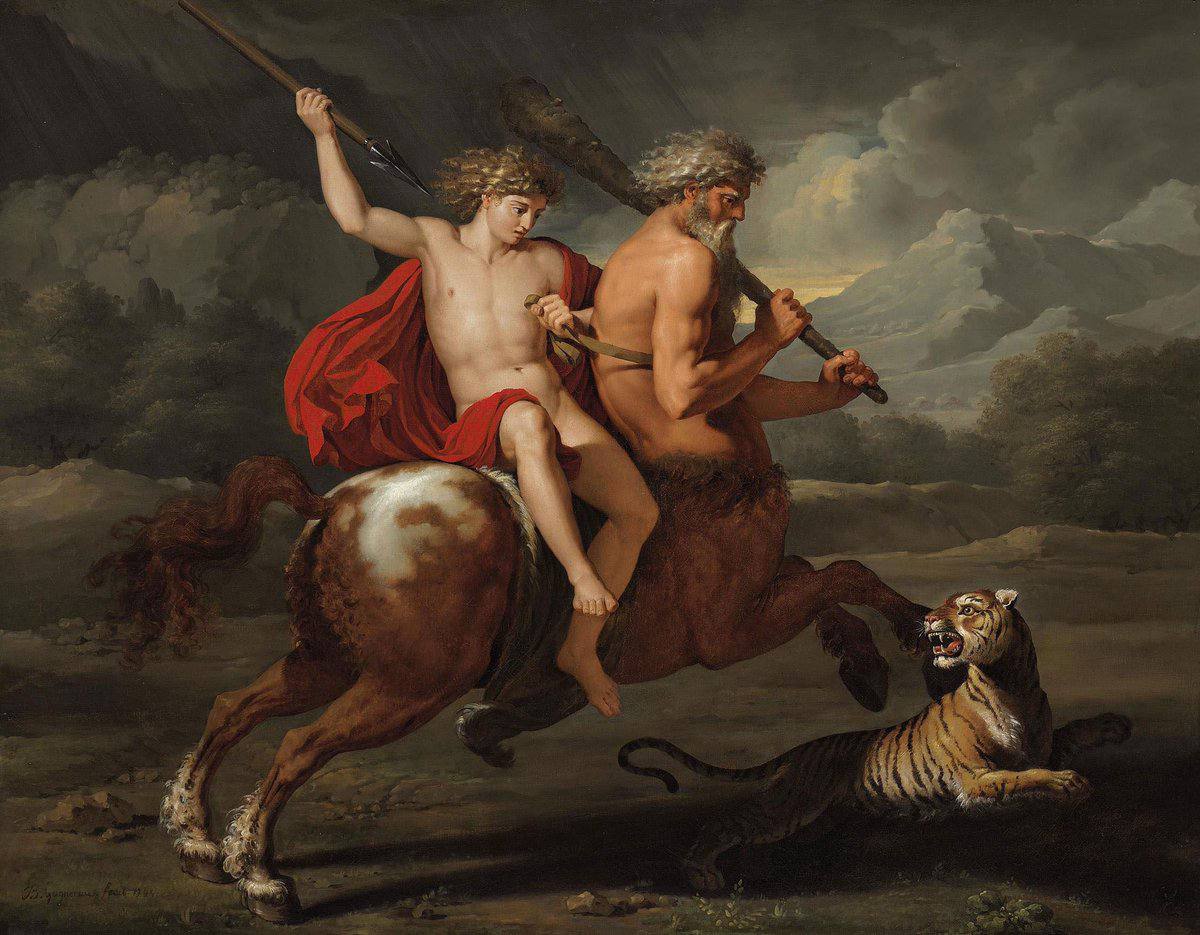
The centaur Chiron fed Achilles on the entrails of wild boars, bears and lions
Archive · Art · Books
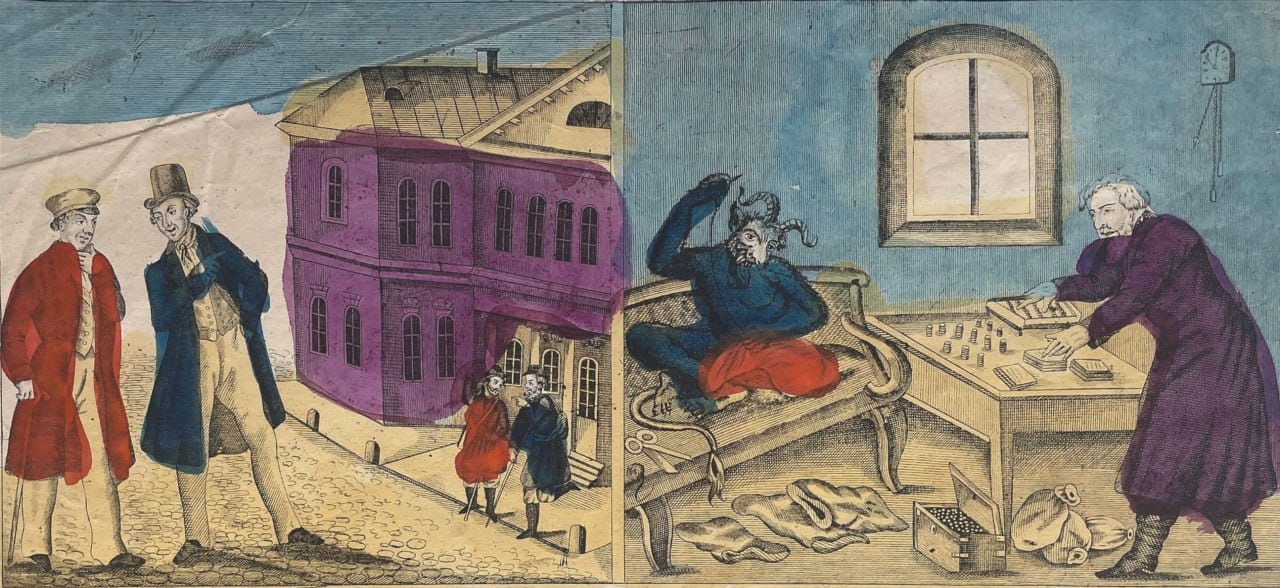
Some miser was there once, who had no end of money, And as he used to tell it, he had grown rich Without dealing crookedly, Without plundering or ruining anyone, No, he swore to it, That God had sent him such wealth into his house And that he was not
Art · Museums · Rome · Saint Petersburg
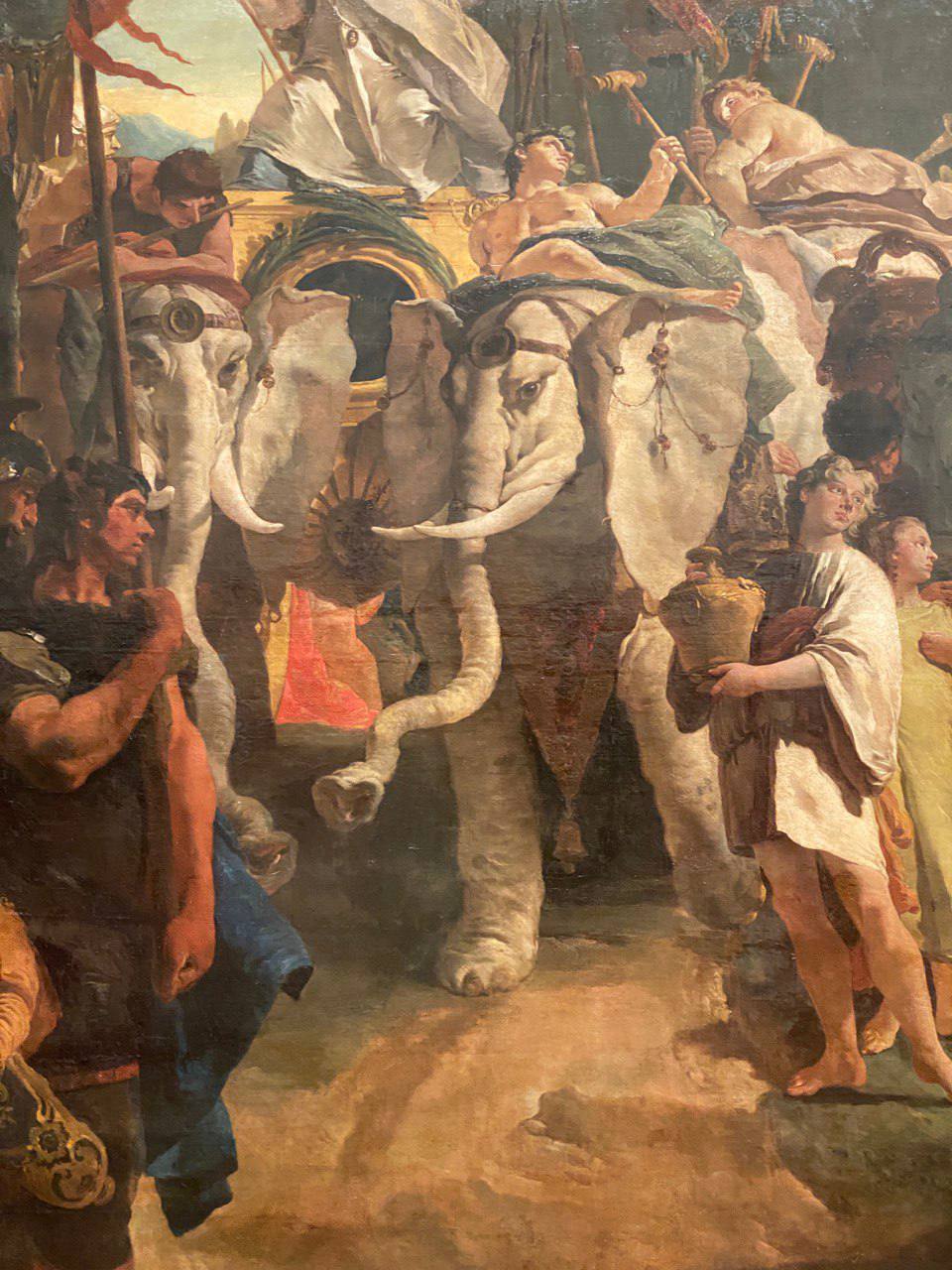
The strange appearance of the elephants in Giovanni Battista Tiepolo's painting "The Triumph of Manius Curius Dentatus" in the Hermitage is explained by the fact that the artist had never seen the animal and imagined it from written descriptions and eyewitness accounts. With that in mind,
NB! · Architecture · Art · Paris
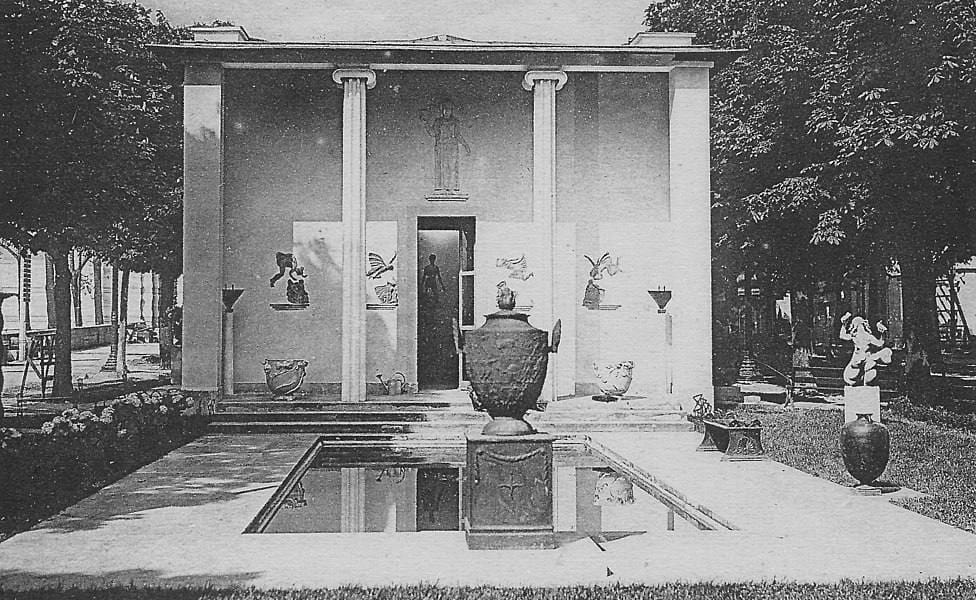
The Swedish Pavilion, built by Carl Bergsten, at the 1925 International Exhibition of Modern Decorative and Industrial Arts. It was the very title of this exhibition that gave the Art Deco style its name: from “arts décoratifs” in Exposition internationale des arts décoratifs et industriels modernes
Geography · Art · Science · Humour
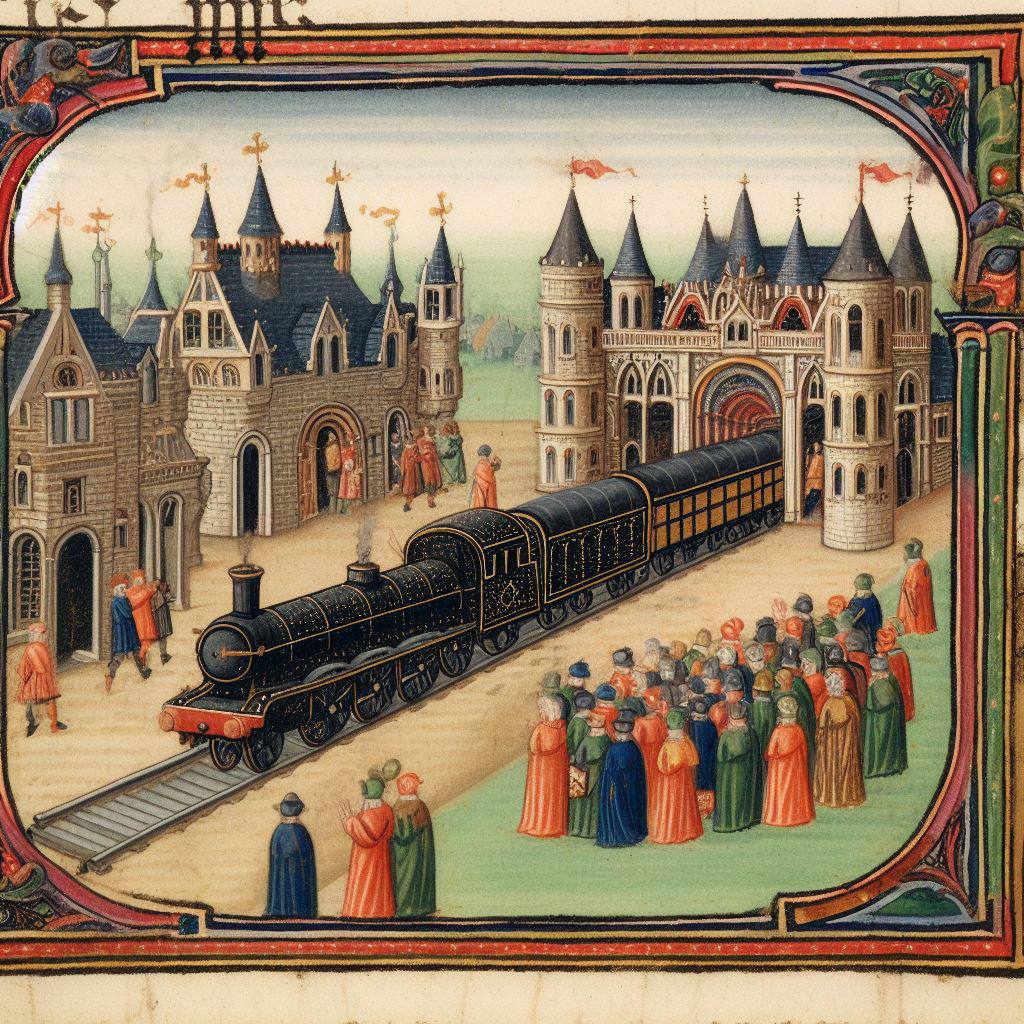
Artificial Intelligence Imagines How Medieval Miniatures Would Look Had They Depicted Trains. A reminder that the first steam locomotive was built in 1803