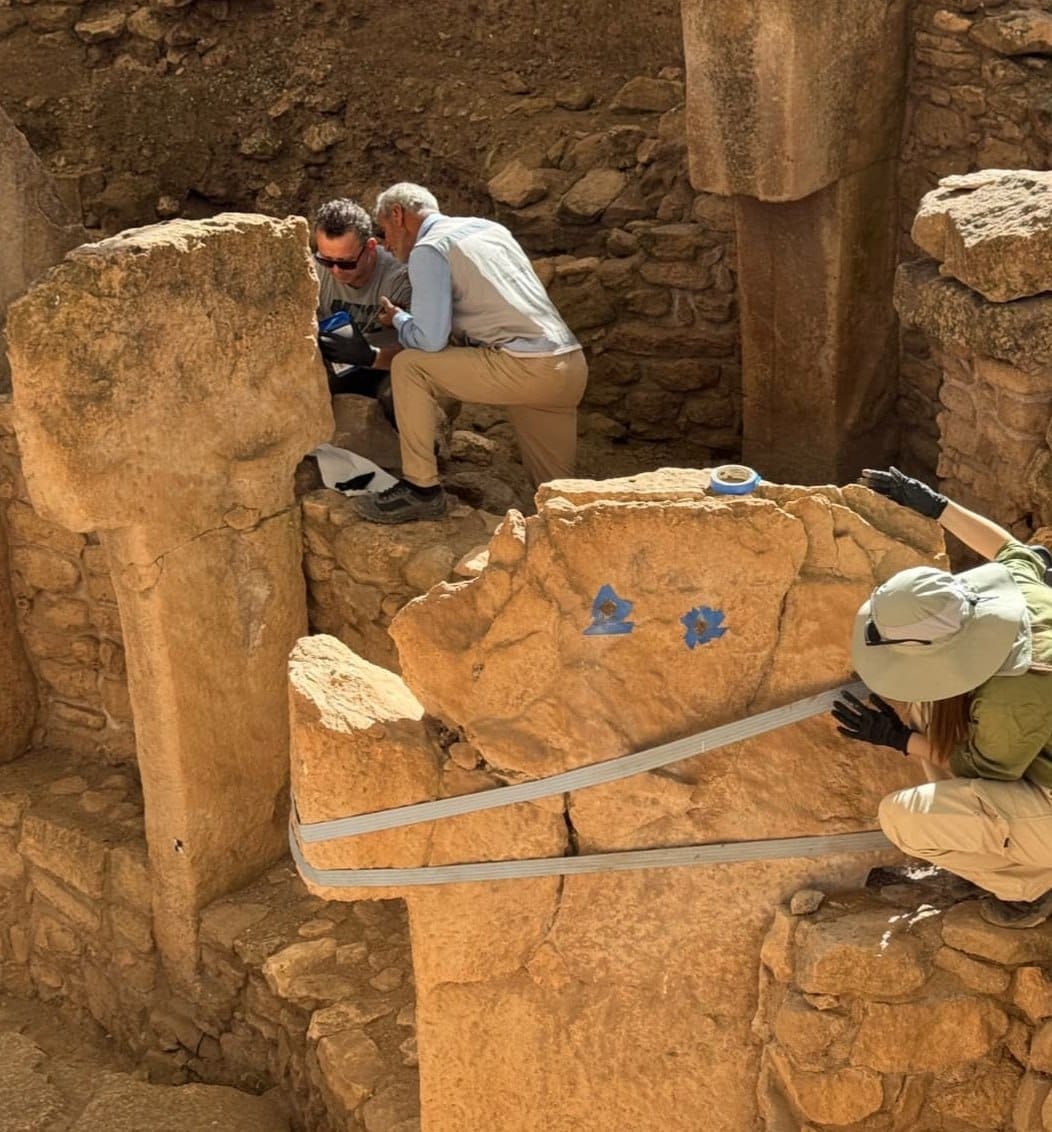
At Göbekli Tepe, the world's oldest megalithic temple complex, more than 11,500 years old, rectangular buildings have been found that may have served as dwellings
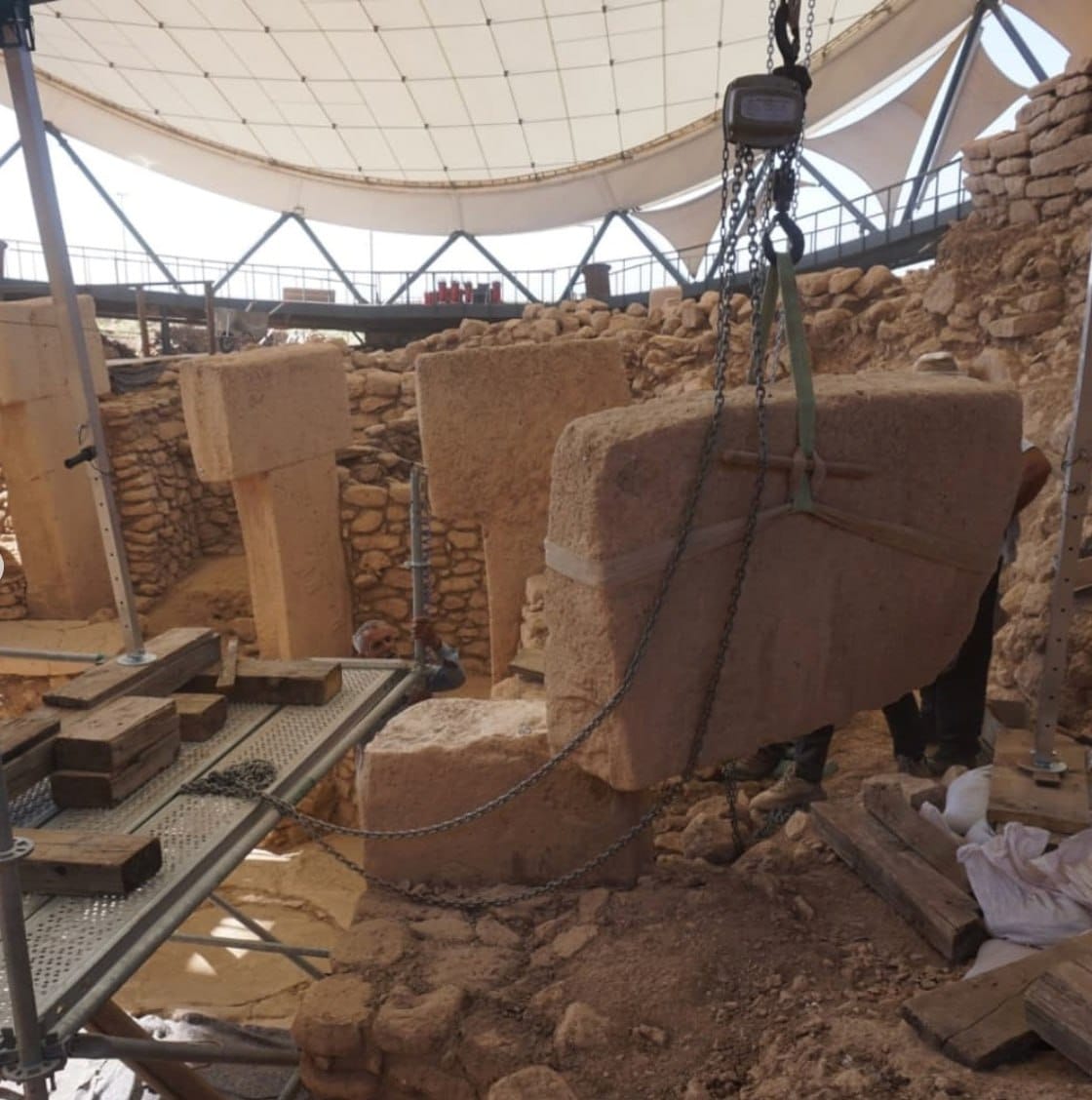
The site is being surveyed by means of geomagnetic mapping, ground-penetrating radar and lidar scanning. The head of the excavation reports that the new rectangular structures are concentrated chiefly in the eastern and southern parts of the hill and lie next to the already known circular monumental buildings with their T-shaped pillars.
To date, eight monumental structures have been excavated at the site. Göbekli Tepe has until now been regarded above all as a cult centre to which hunter-gatherers gathered for ceremonies, since there are almost no traces of agriculture or pottery at the site. Rectangular buildings with an internal layout suitable for habitation complicate this picture. Of course, there is good sense in the thesis of the scholars of the German Archaeological Institute that the excavated monumental structures should be understood as buildings of special purpose rather than as ordinary houses, but in the Neolithic it is hard to separate the ritual from the domestic