One could speak of the antiquities of Bulgaria at length: the oldest worked gold in the world, the oldest solar calendar in Europe in the Magura Cave, Europe's largest Neolithic necropolis at Durankulak with the oldest stone building on the continent…
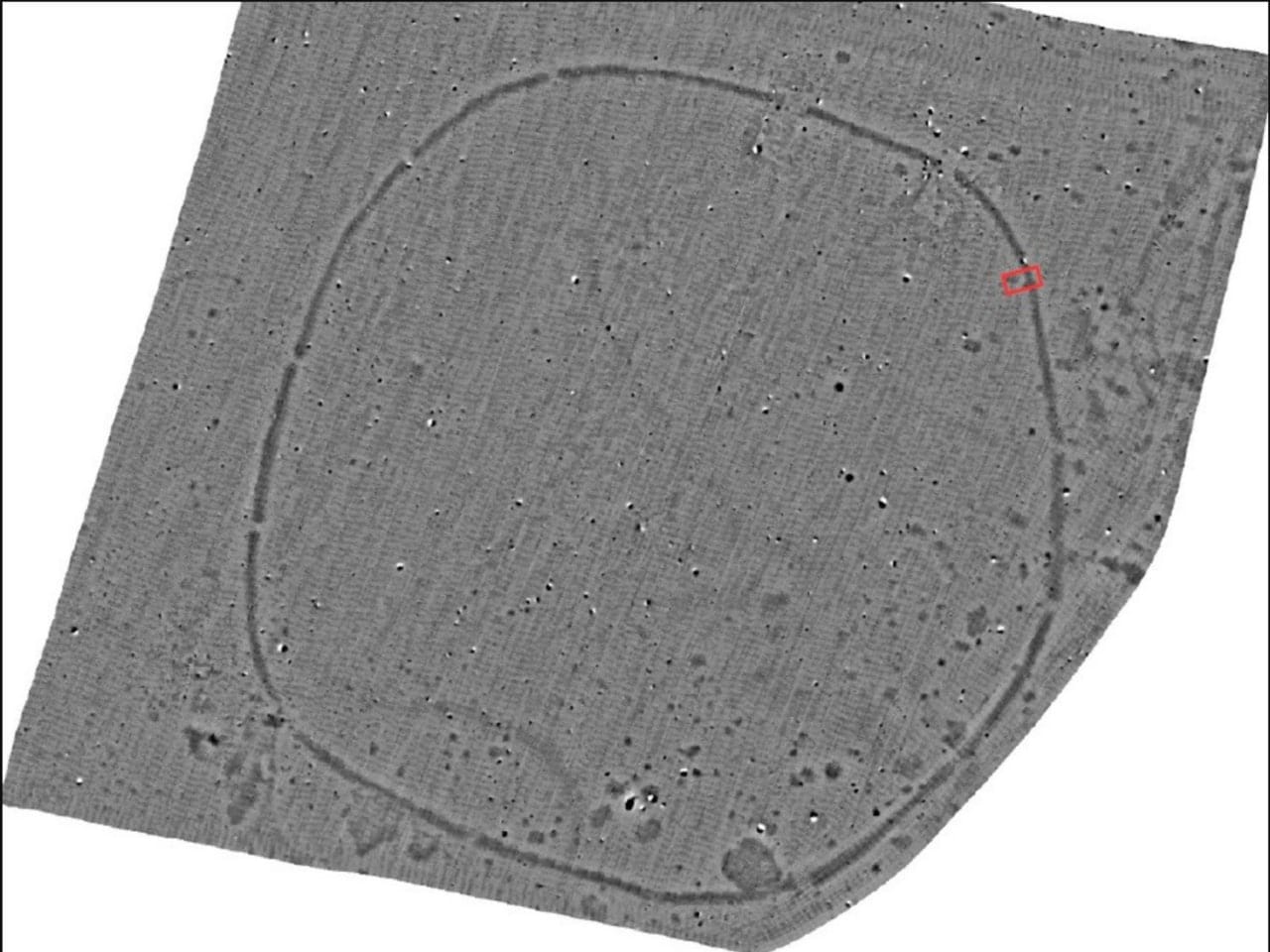
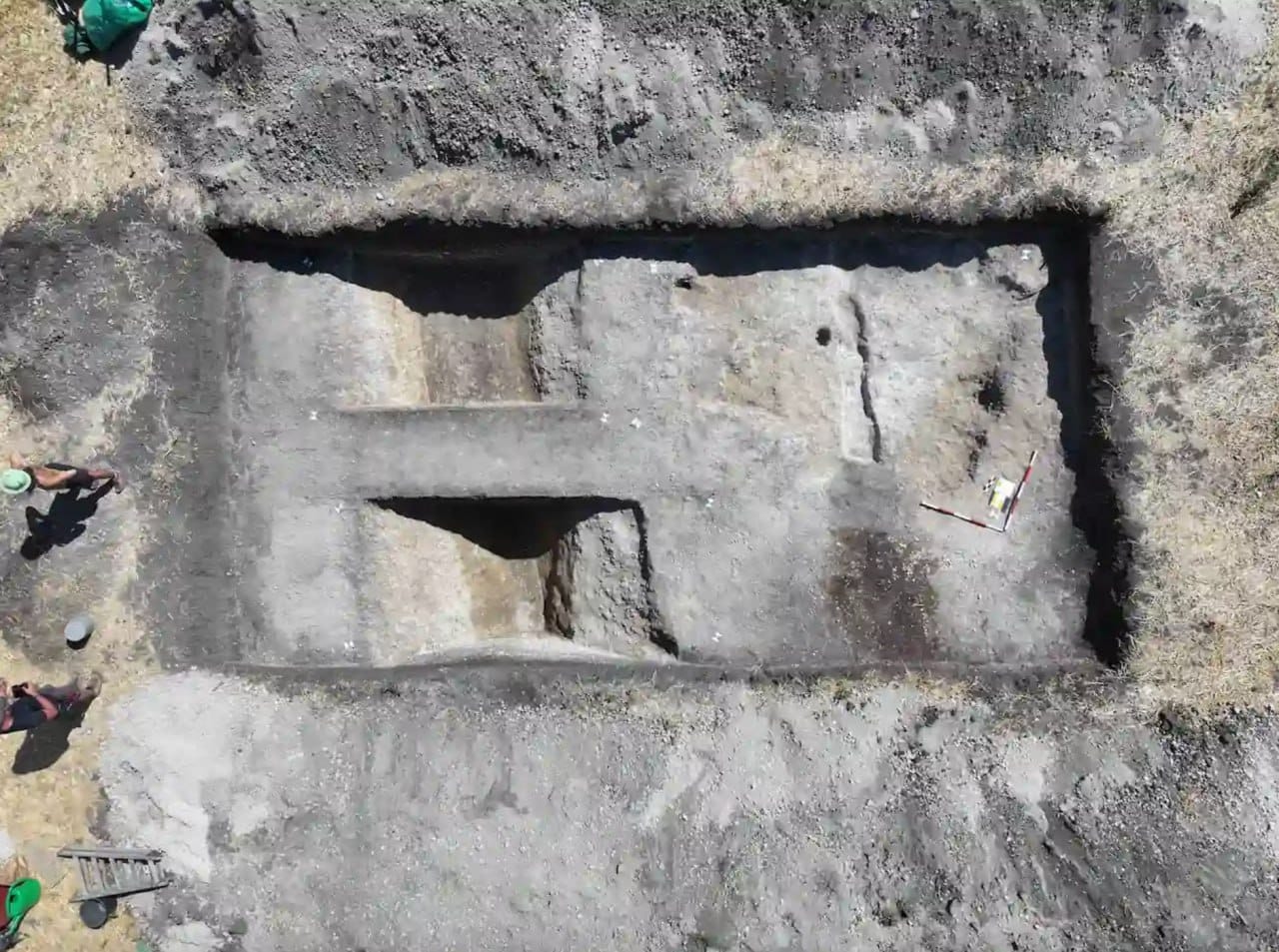
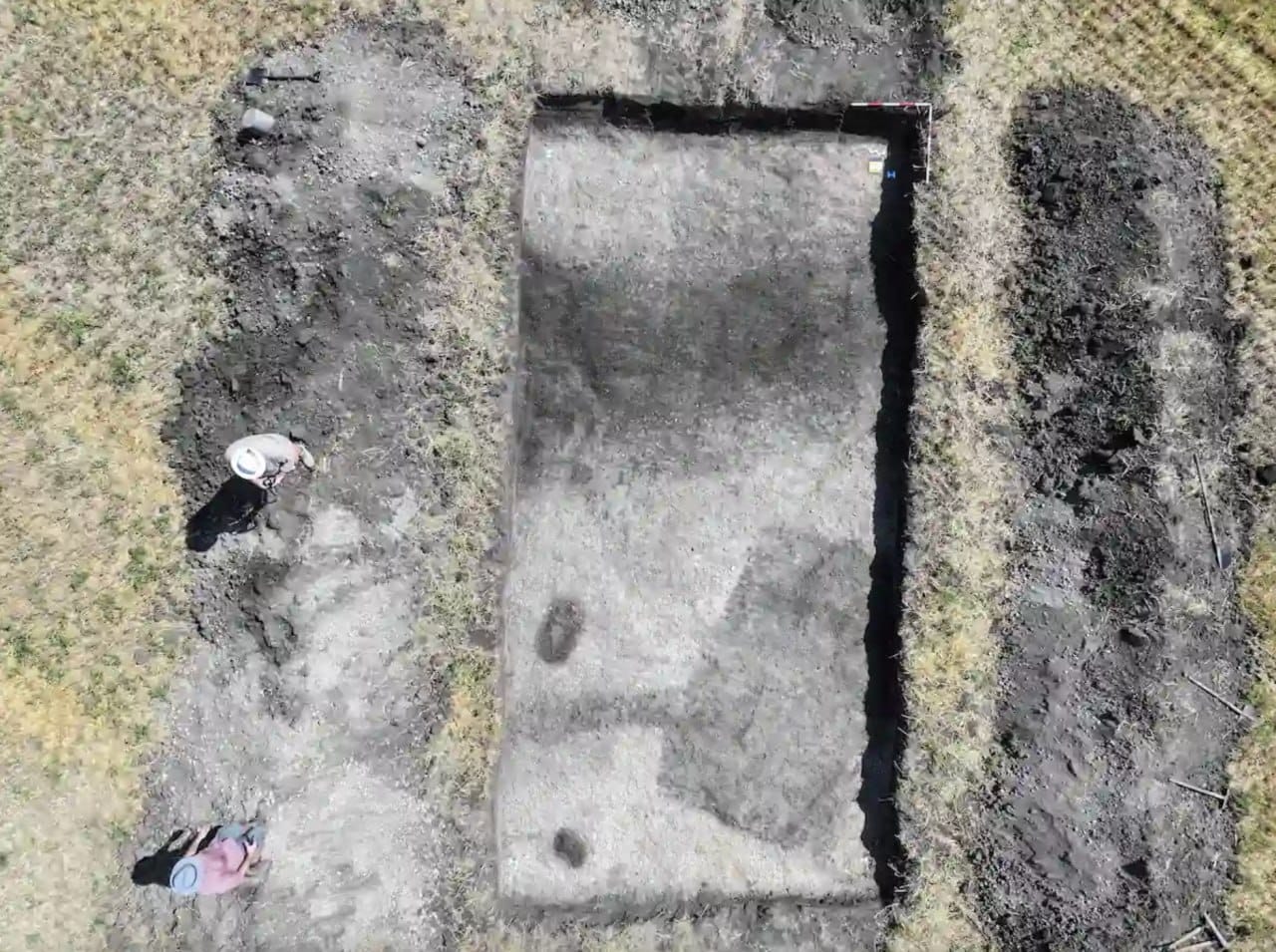
And now, near the village of Člebi in the Nymburk District of Central Bohemia, archaeologists from the University of West Bohemia have unearthed a monumental structure more than 6,500 years old, identified as one of the oldest ritual centres in Central Europe.
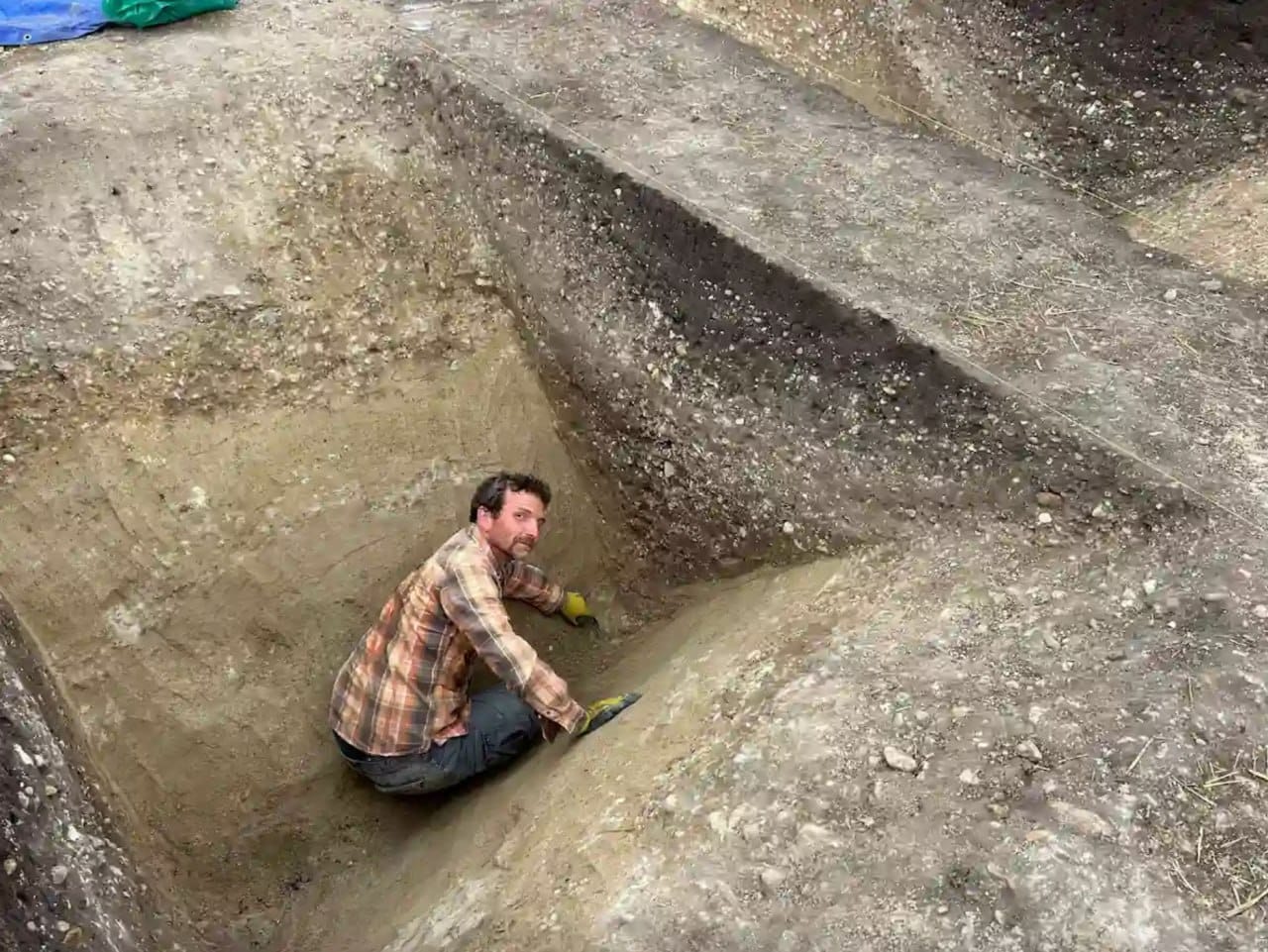
The building is an almost circular enclosure 230 metres in diameter, surrounded by a ditch more than two and a half metres deep. The perimeter is broken by twelve entrances, spaced unevenly.
Circular enclosures of this period had not previously been found in the area, and the twelve openings are arranged according to a scheme connected with the cycles of the sun and the moon. Inside the enclosure the researchers found two principal observation points, from which one can trace the rising and setting of the moon, the sunrise on the day of the summer solstice and the sunset on the day of the winter one.
The monument was at first taken for a funerary structure of the Únětice culture of the Bronze Age: a collective grave had earlier been found here, into which the remains of no fewer than eighteen people were gradually placed over a long period. The new stratigraphic reading shifts this version, although the presence of a burial shows that the place kept its significance long afterwards.
Ritual use is also indicated by the skulls and horns of bulls that were found, which possibly adorned the monumental entrances. The age has been established from datings of organic material. Stonehenge was begun around 3100 BC, that is, more than a thousand years later