It turns out that the so-called "Egyptian blue", the first synthetic pigment in history, is far more intricately made than previously thought
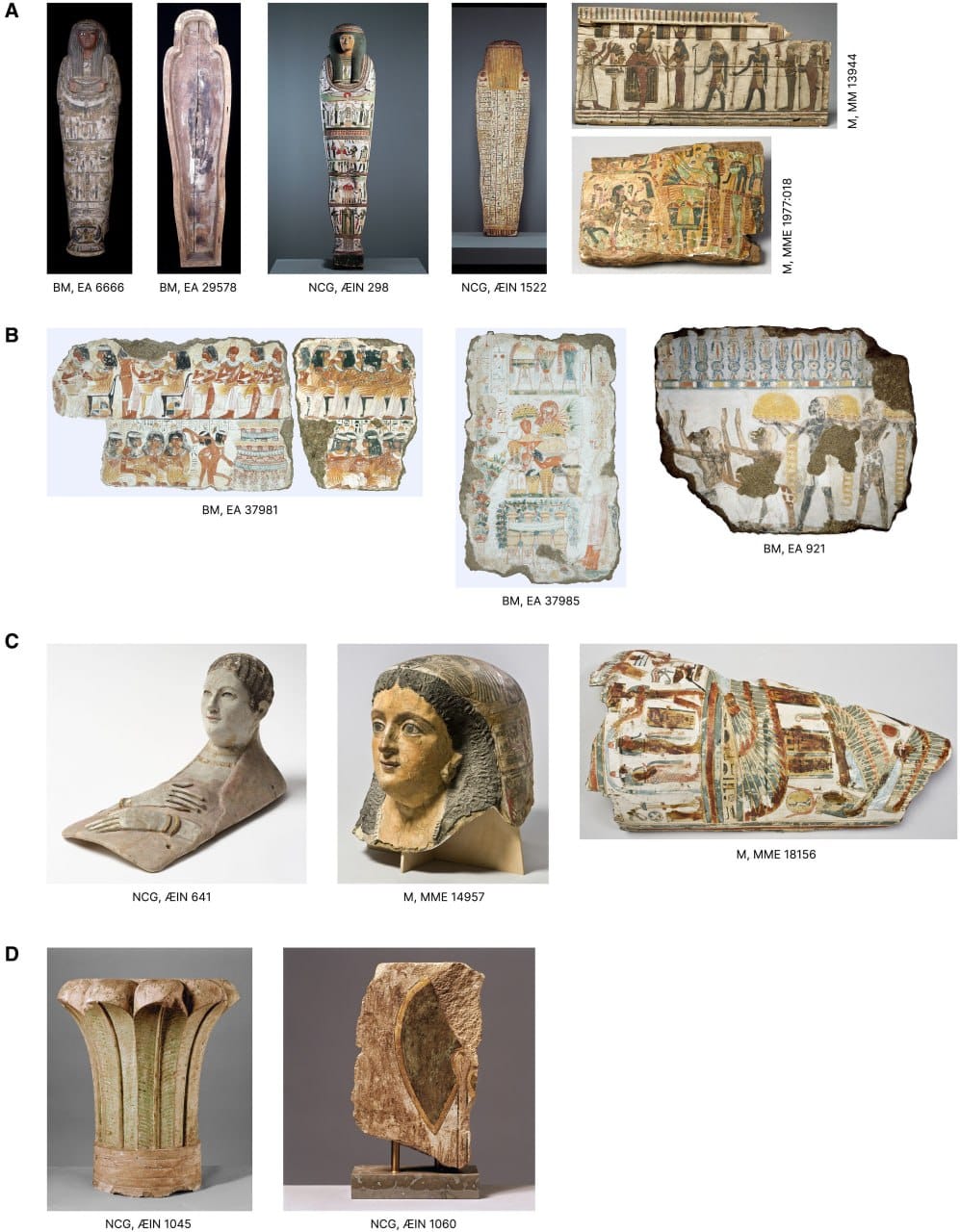
It turns out that the so-called "Egyptian blue", the first synthetic pigment in history, is far more intricately made than previously thought. The paint is not a homogeneous crystal: its blue crystals were fused with a glassy mass and several kinds of quartz particles, and so the final shade depended not only on composition and proportions but also on the precision of the firing. To obtain a stable, deep blue pigment without modern instruments, one needed a technique and a skill that could hold the temperature of the furnace within a margin of accuracy characteristic of far later metallurgical traditions. Yet the production of this paint in Egypt had been perfected by the time of the Old Kingdom and did not change for millennia