Cinema · Science · Society · People · Humour
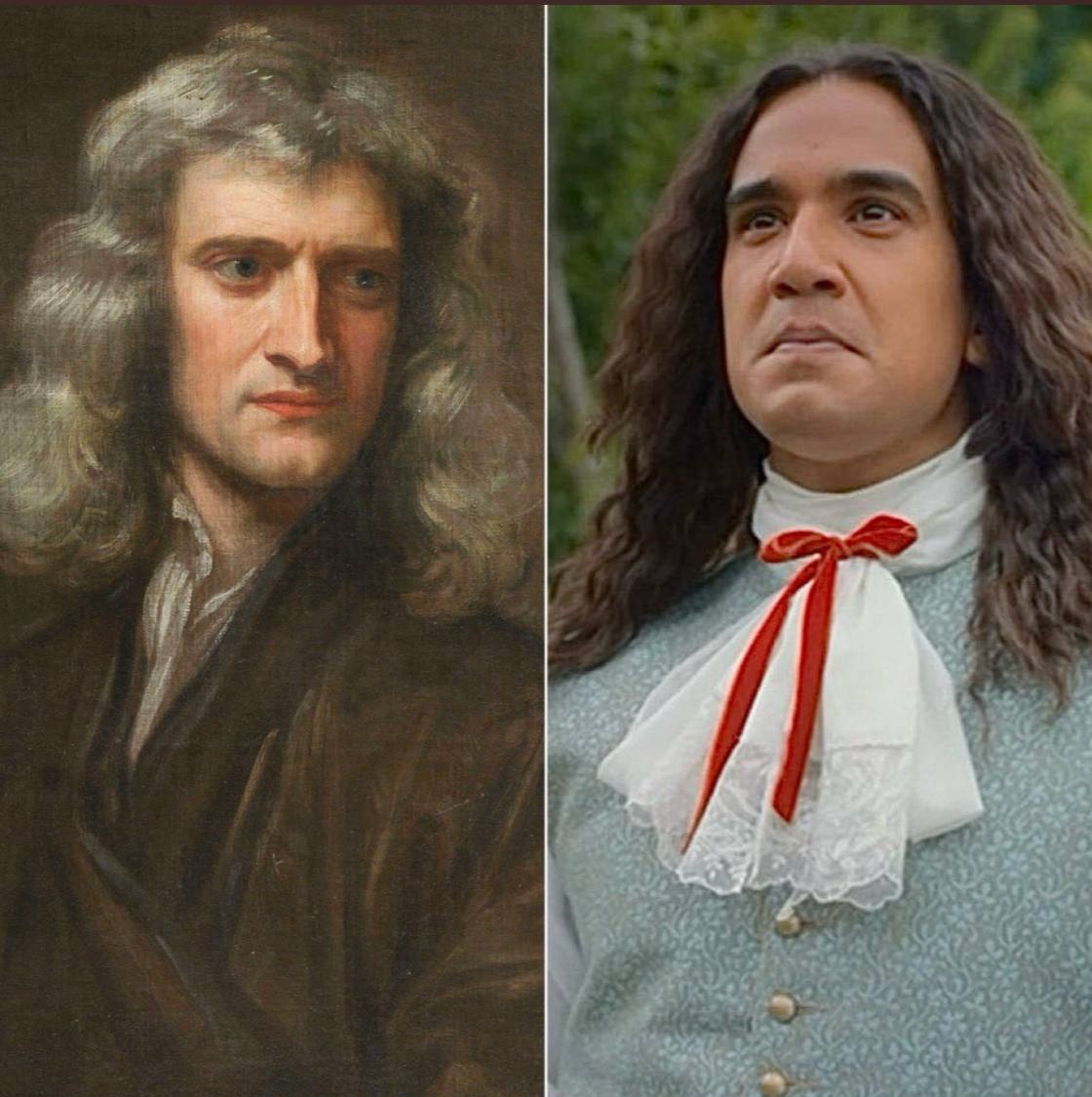
The BBC Has Made Isaac Newton Black
Beethoven, Cleopatra and Hannibal have already been black, so why not Newton this time?

Cinema · Science · Society · People · Humour
Beethoven, Cleopatra and Hannibal have already been black, so why not Newton this time?
Observations · Science · People
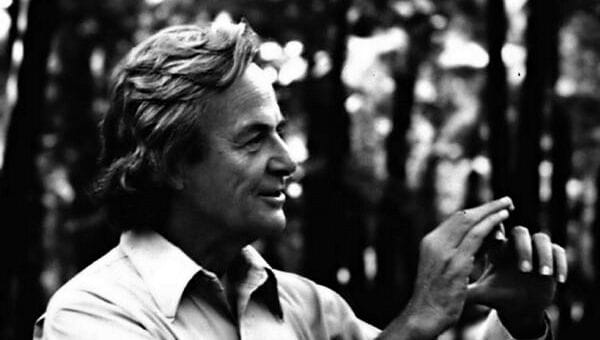
Richard Feynman
NB! · Archive · Science · People
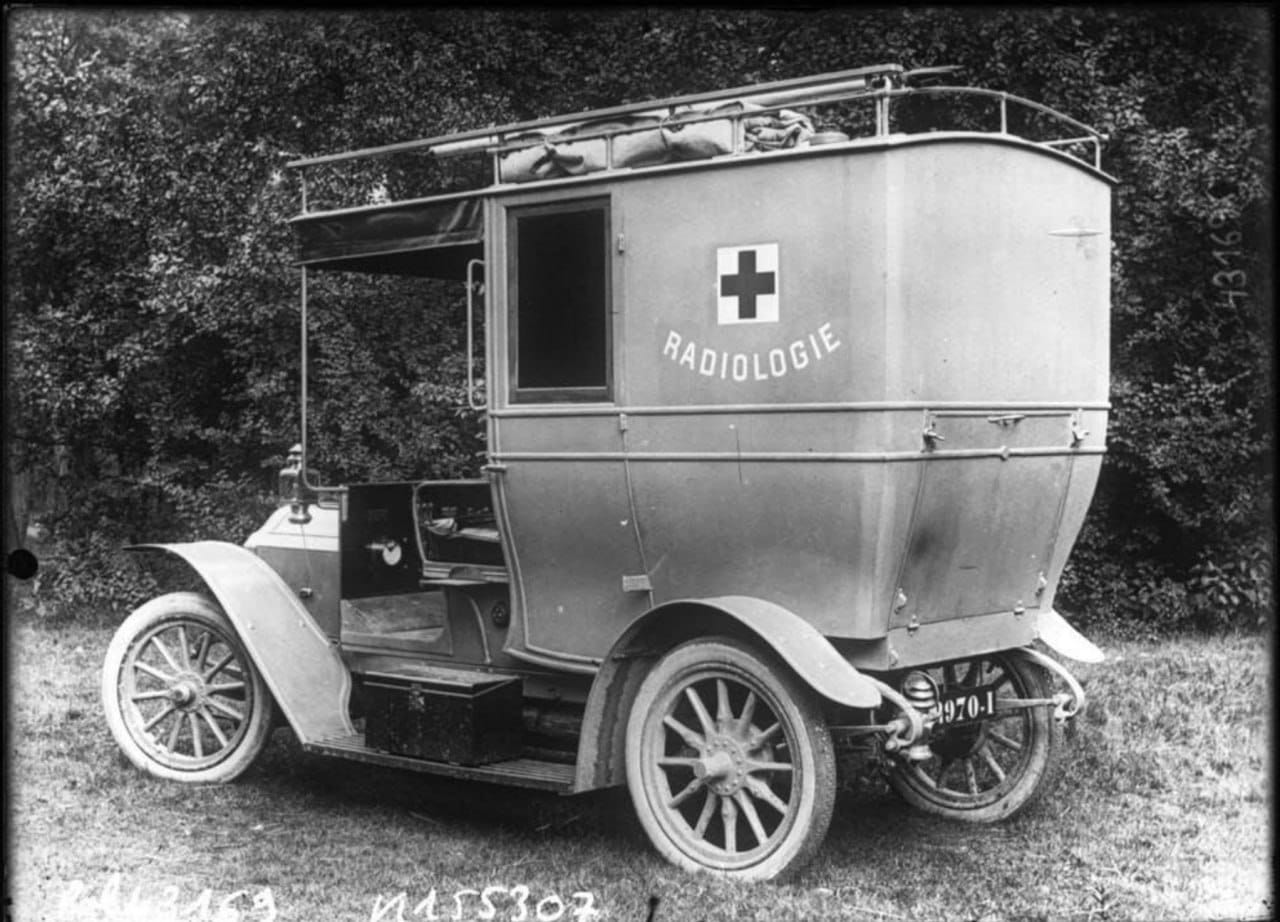
The X-ray car was Marie Curie's idea. It dates from the years of the First World War. She also trained 150 nurses to work as technicians in the mobile X-ray laboratory. On board this vehicle they not only took the pictures but also developed them on
NB! · Archive · Books · Science
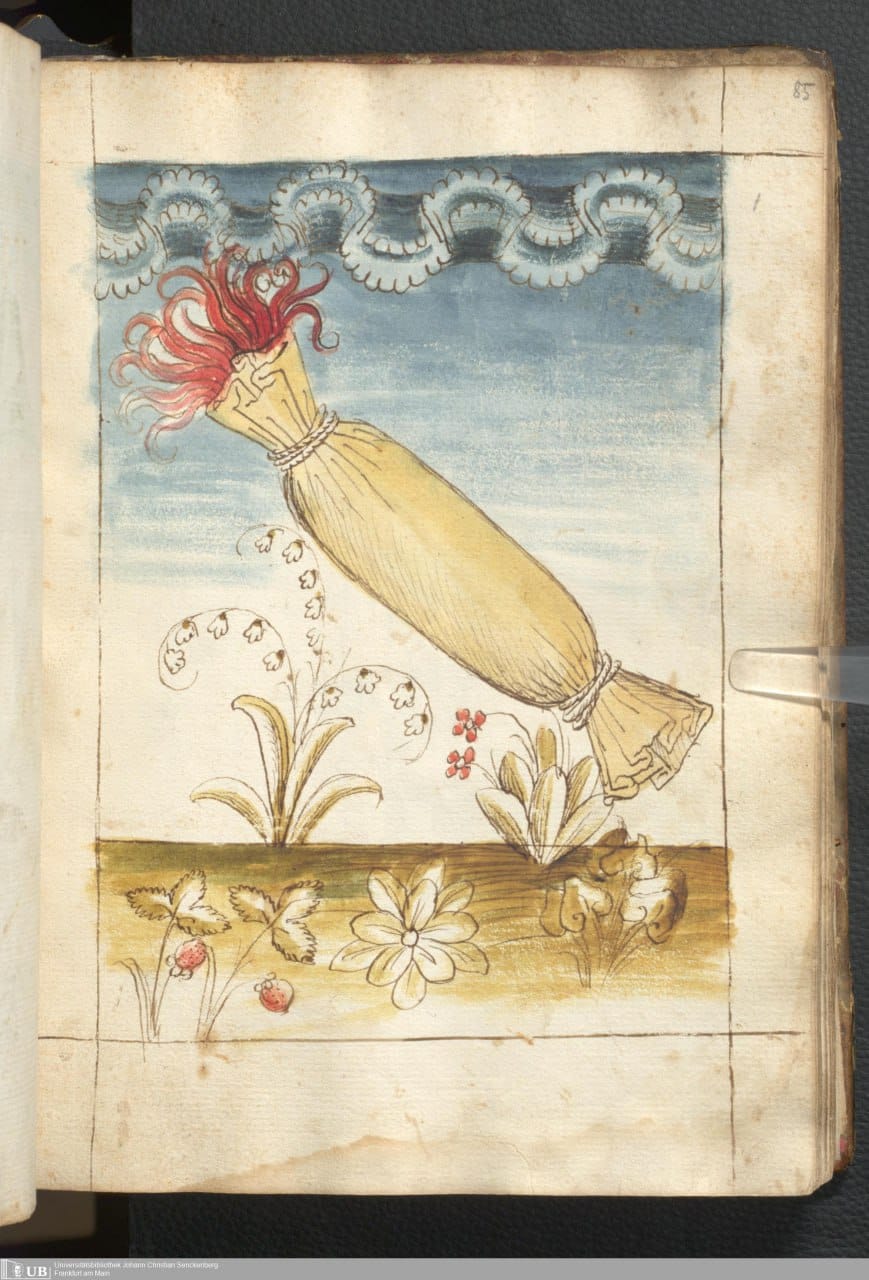
Explosive devices of the fifteenth century. From the 1405 book on military technology by the German engineer Konrad Kyeser
Architecture · The East · Art · Heritage · Science
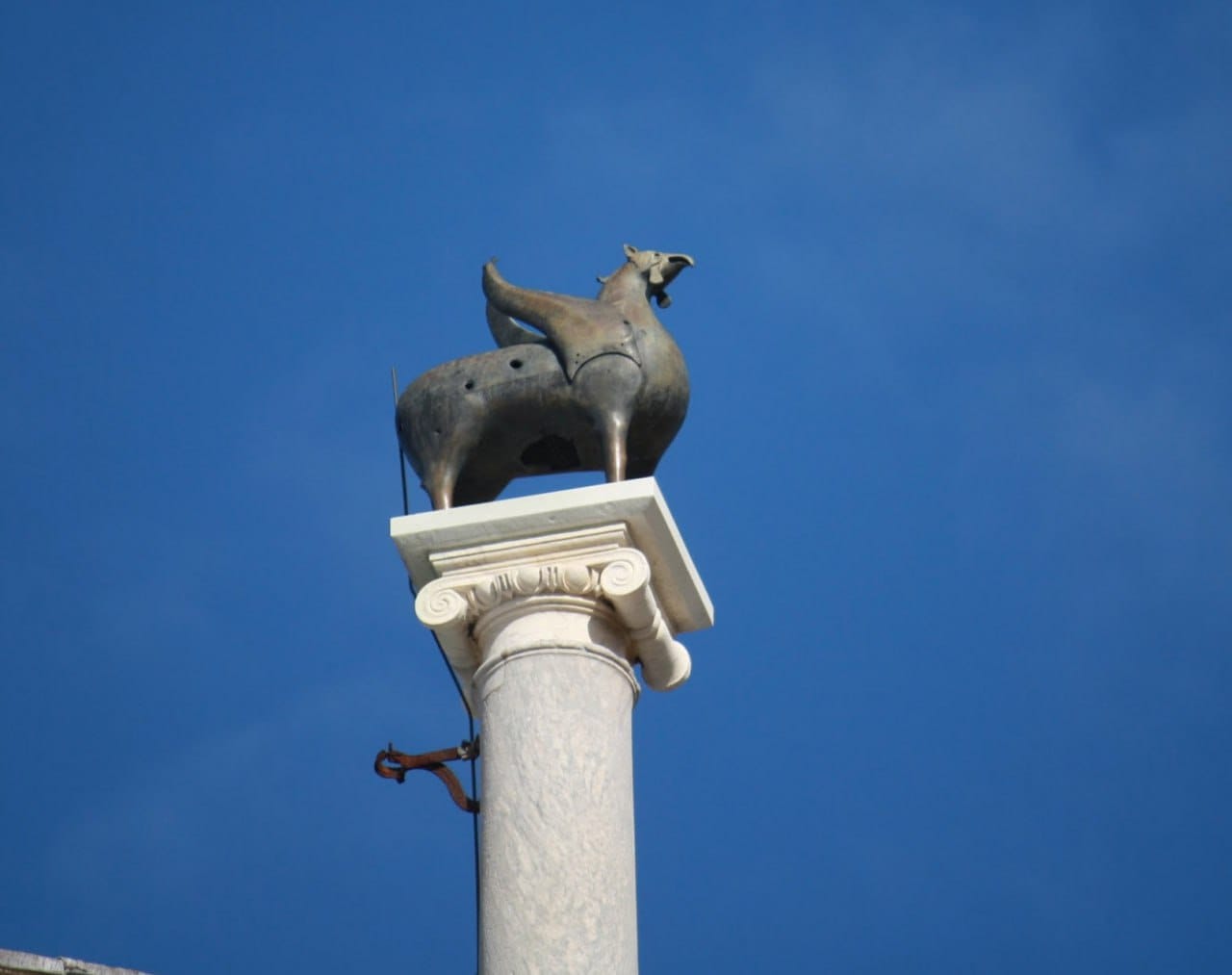
Pisa Cathedral, occupying the most conspicuous site in Pisa, is unfortunately usually eclipsed by the Leaning Tower and attracts little attention. The building is, nevertheless, extraordinarily interesting. And most interesting of all is the eleventh-century griffin atop a column on the cathedral's apse. How did it come
NB! · Science
NB! · Observations · Science · Humour
Science · Nature
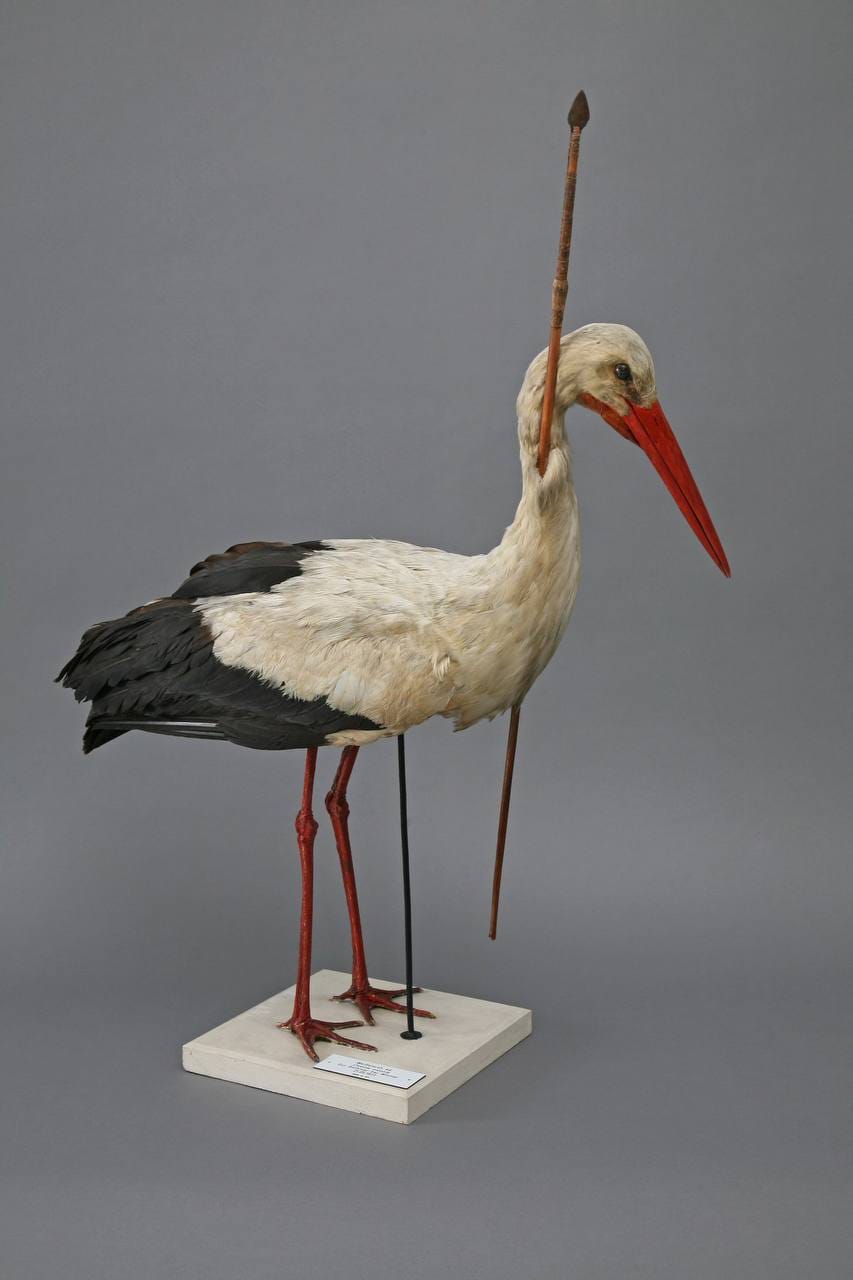
Until the nineteenth century, science did not know for certain what happens to many birds in winter: where do they vanish to? As late as the end of the eighteenth century it was suggested that birds fall into hibernation and sleep beneath the snow or on the beds of lakes
Books · Science · Humour
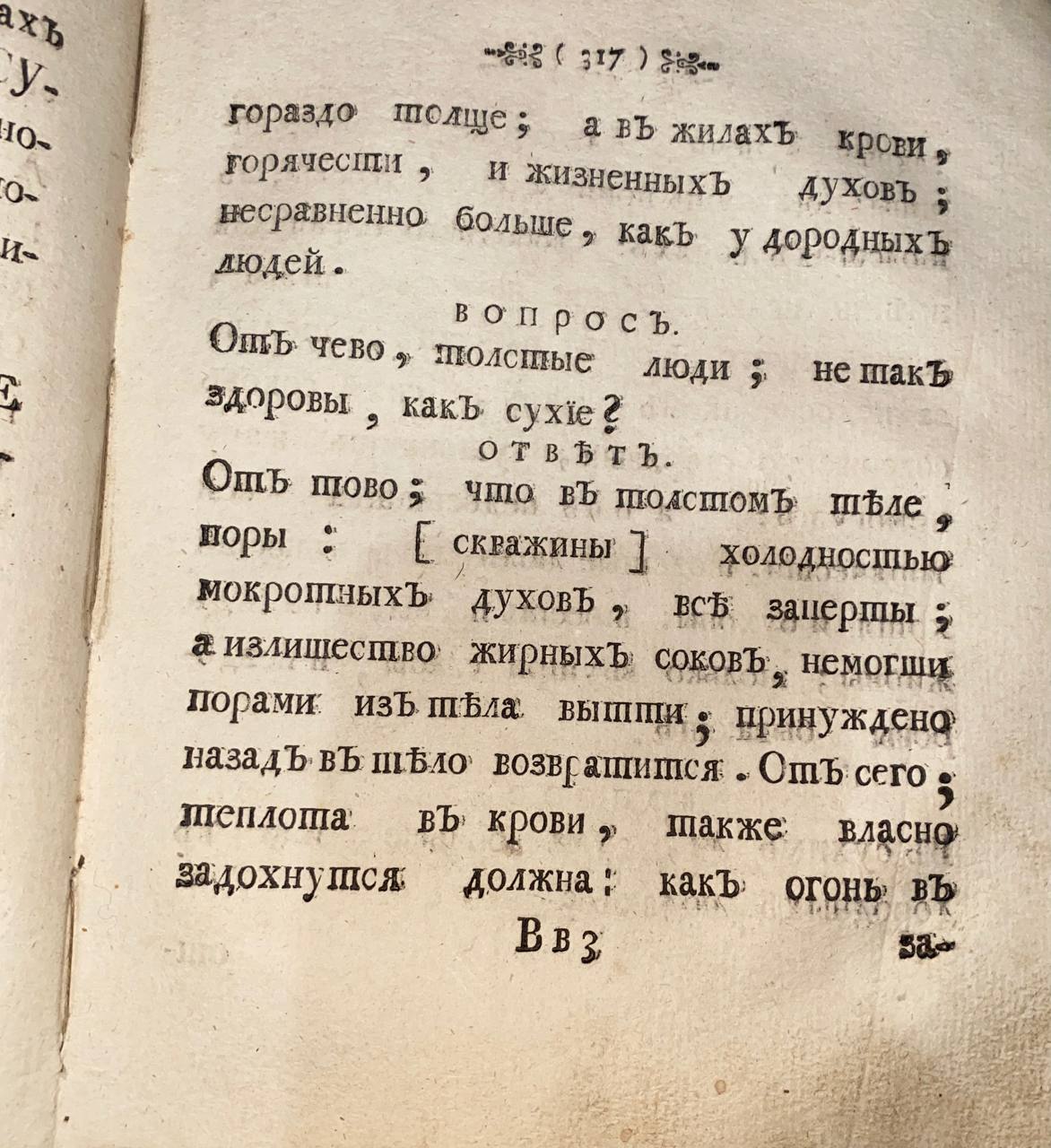
Why are stout people not so healthy as lean ones? Because in a stout body the pores (passages) are all stopped up by the coldness of the phlegmatic spirits, and the excess of fatty humours, unable to escape from the body through the pores, is forced to return back into
NB! · Science
NB! · Geography · Observations · Science · Humour
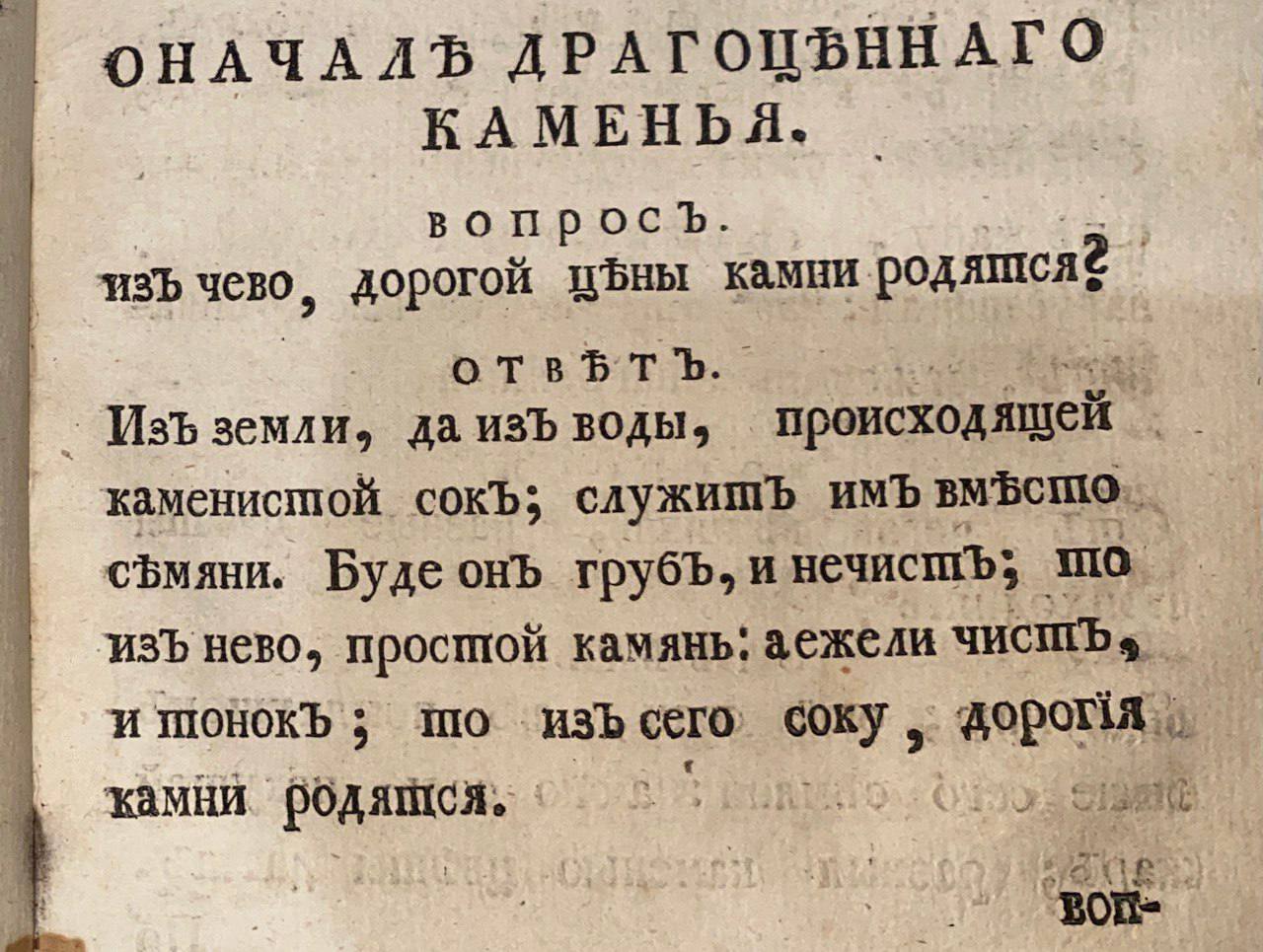
Geological ideas of the sixteenth century: pure and subtle stony juice from earth and water engenders stones of great price, while coarse and impure juice yields plain stones. It turns out that with stones it is almost as it is with people.
Archaeology · Museums · Science · Palaeontology
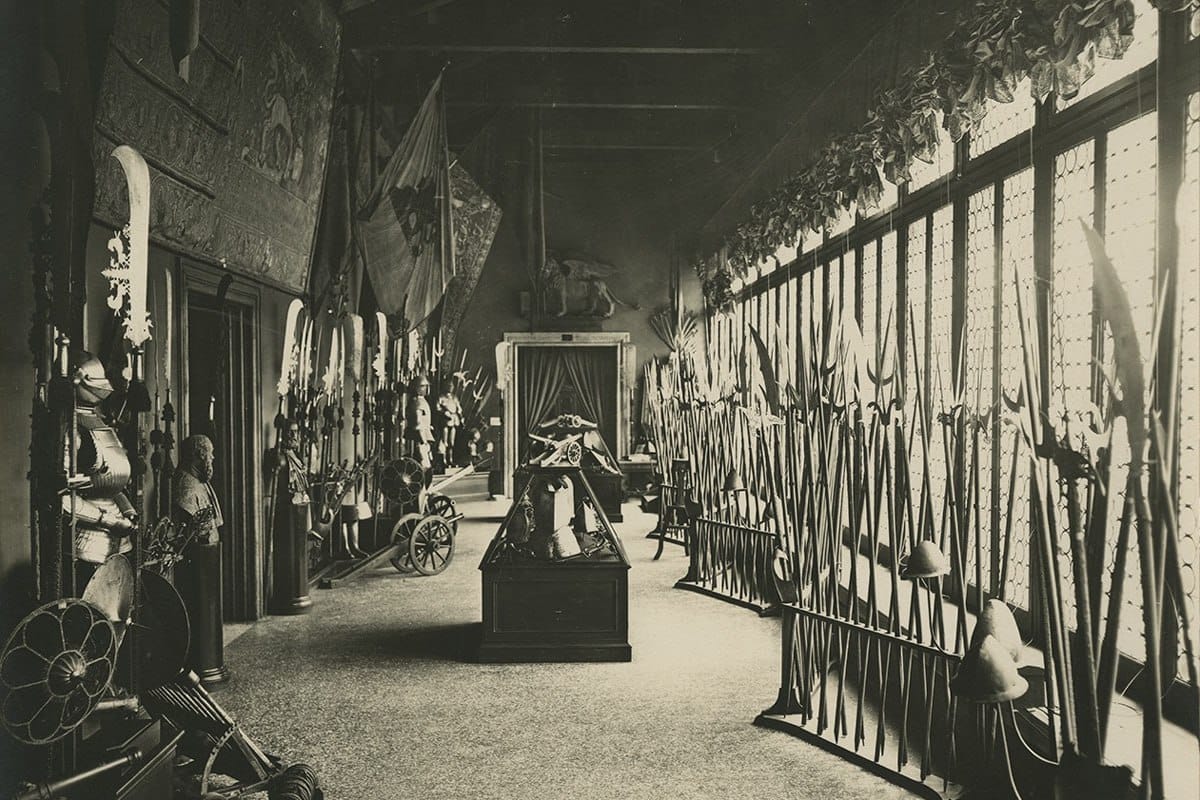
The Natural History Museum of Venice grew out of the collection of the Venetian patrician Teodoro Correr, who in 1830 bequeathed his colossal cabinet-of-curiosities-style holdings to the city, together with substantial funds to found a public museum and to maintain it thereafter in the three halls and