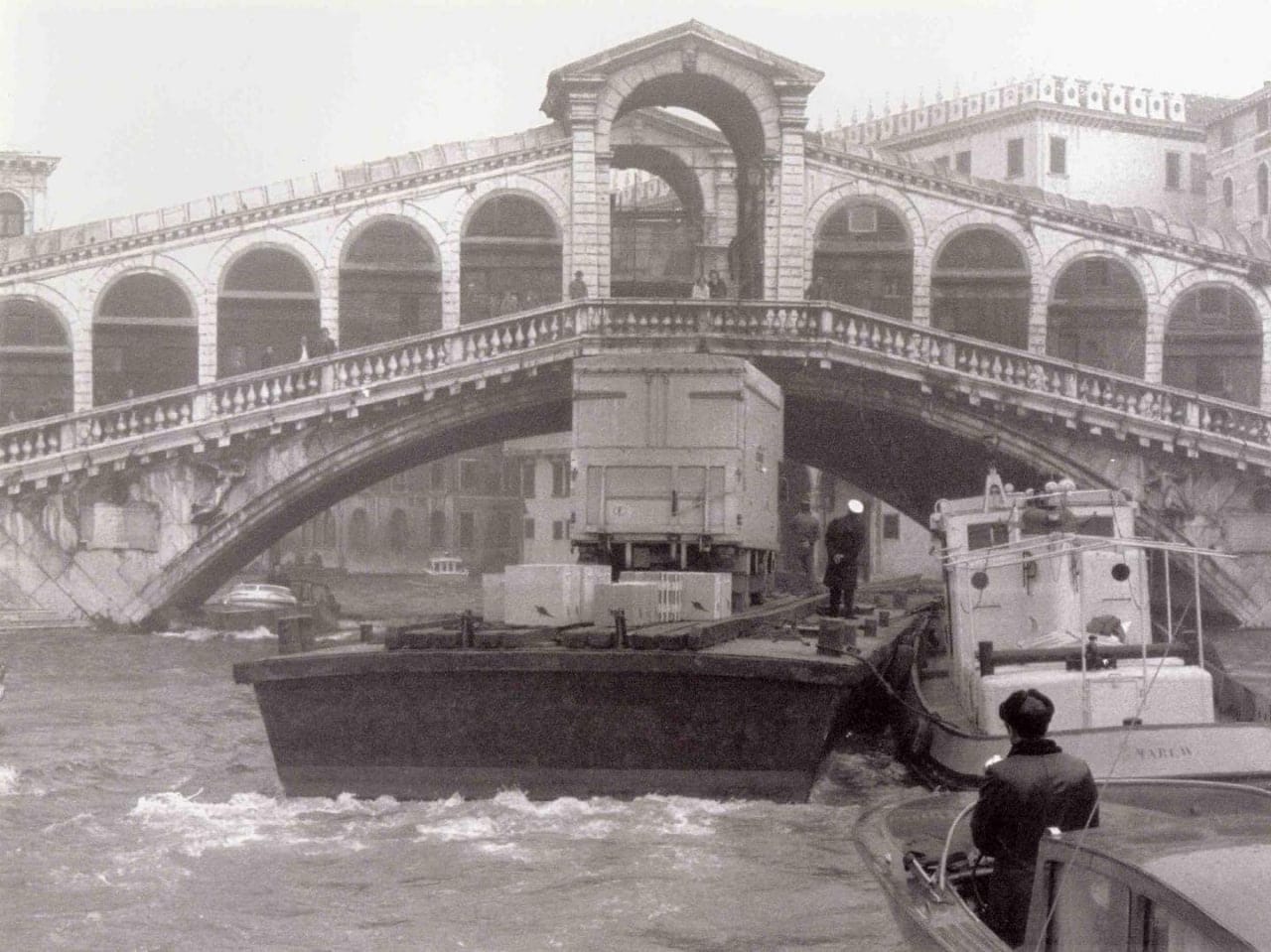
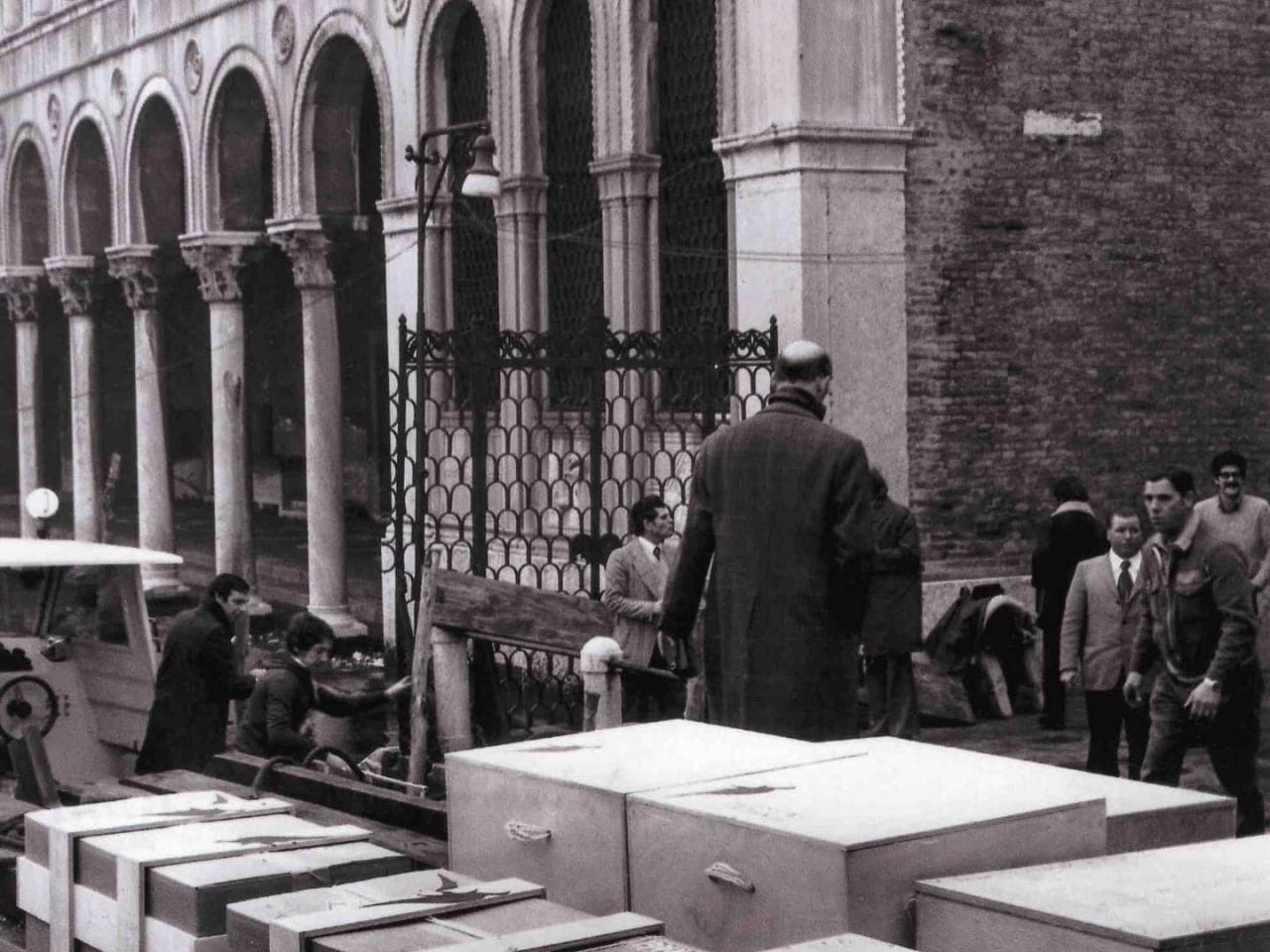
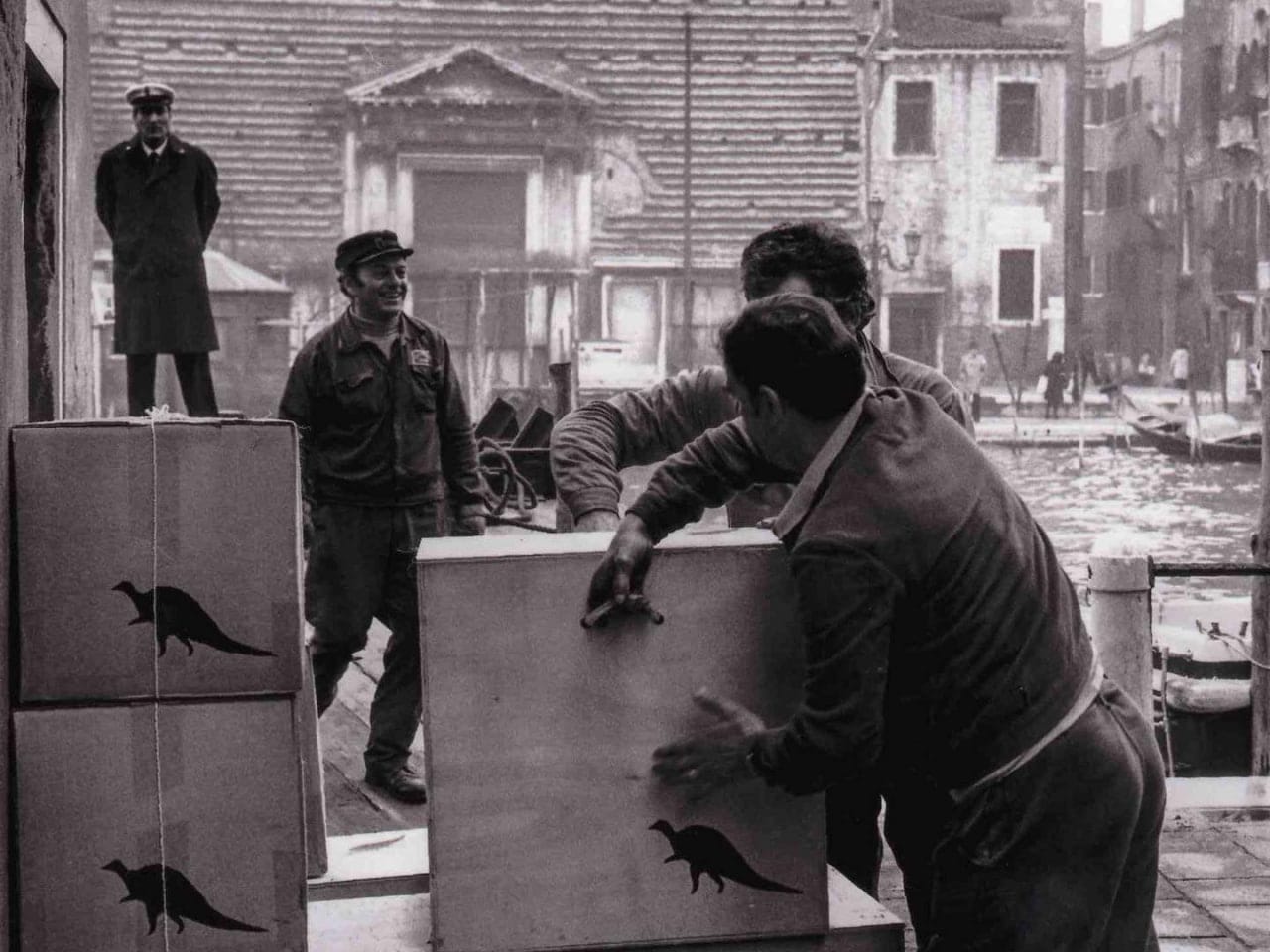
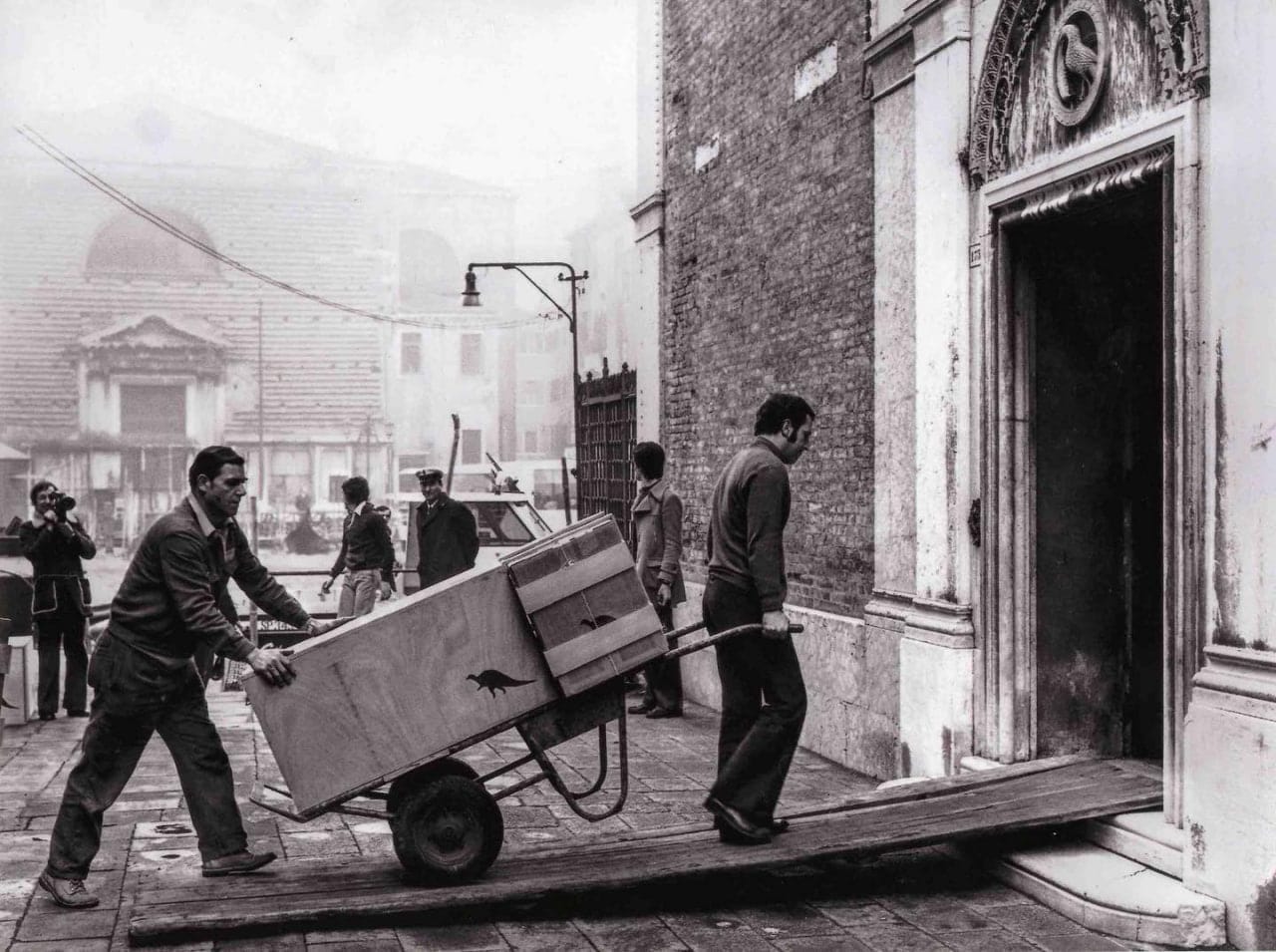
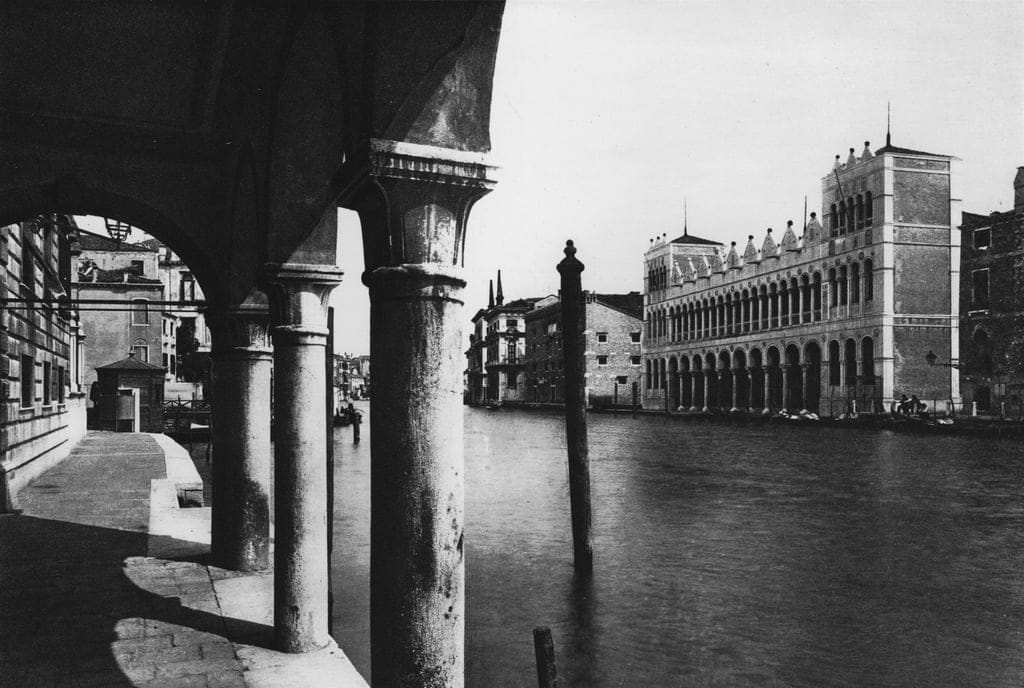
The Natural History Museum of Venice grew out of the collection of the Venetian patrician Teodoro Correr, who in 1830 bequeathed his colossal cabinet-of-curiosities-style holdings to the city, together with substantial funds to found a public museum and…
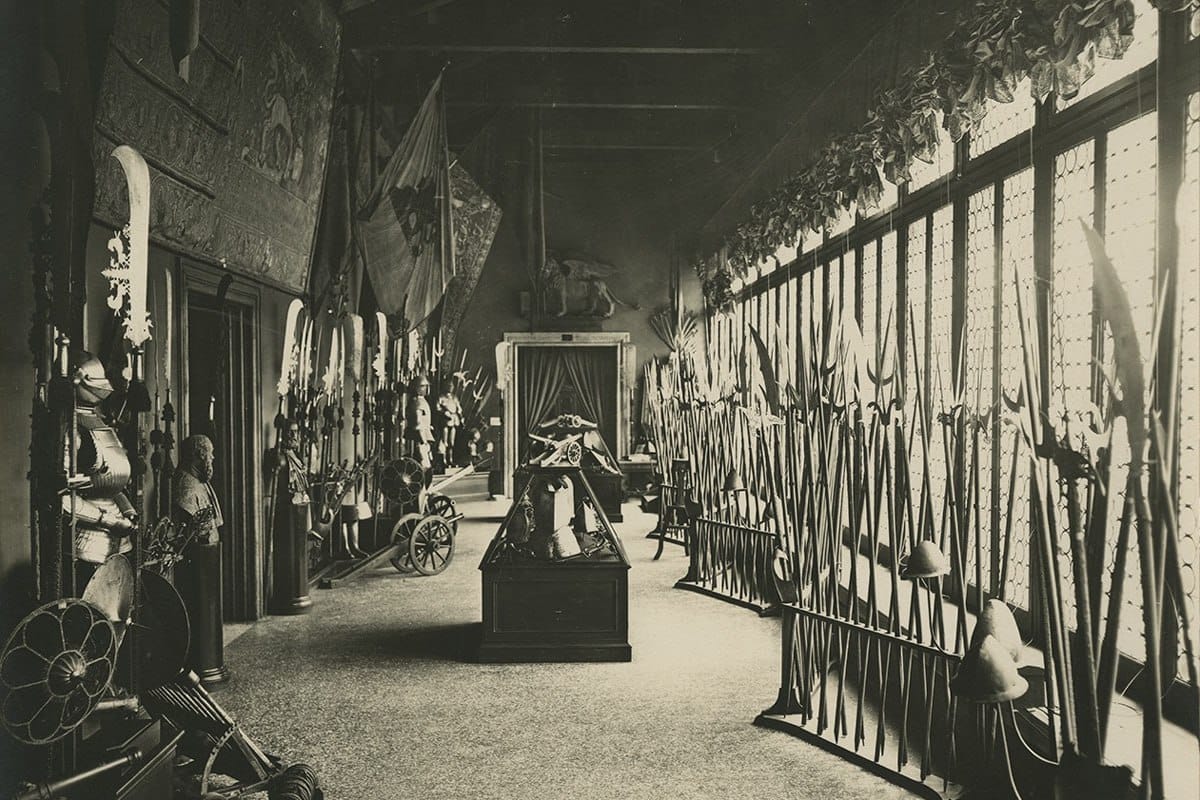
The Natural History Museum of Venice grew out of the collection of the Venetian patrician Teodoro Correr, who in 1830 bequeathed his colossal cabinet-of-curiosities-style holdings to the city, together with substantial funds to found a public museum and to maintain it thereafter in the three halls and twenty-one rooms of his house. Correr's will, moreover, specifically stipulated that the museum should be open to the public and that its collection should be continually enlarged. The upshot was that a motley assemblage of valuables, objects of ivory, animal skeletons, wooden wares, weapons, manuscripts, drawings, silver, seals, coins, herbaria, natural and biological specimens and other antiquities became the first civic museum of Venice, generously augmented by other donors, testators and patrons. In time the collection grew so large that new buildings had to be set aside for the museum. The museum itself was divided into three: historical and artistic, ethnographic, and natural-scientific. In the twentieth century the Natural History Museum of Venice conducted excavations of its own and pursued active scientific work, enriching its holdings with archaeological finds, among them the immensely valuable complete skeleton of the dinosaur Ouranosaurus nigeriensis and the skull of the giant crocodile Sarcosuchus imperator, found in Niger in 1975, the transportation of which we see in the photographs