Tuesday, 6 October 2026
Section · 1022 stories

Heritage

Alexander the Great was well known in Rus', and if we are to believe the texts of Mavro Orbini's "The Kingdom of the Slavs", "The Tale of Slovene and Rus and the City of Slovensk" and Nizami Ganjavi's "Iskandar-nama", Alexander the Great knew Rus' too and

Architecture · Faith · Books · Heritage

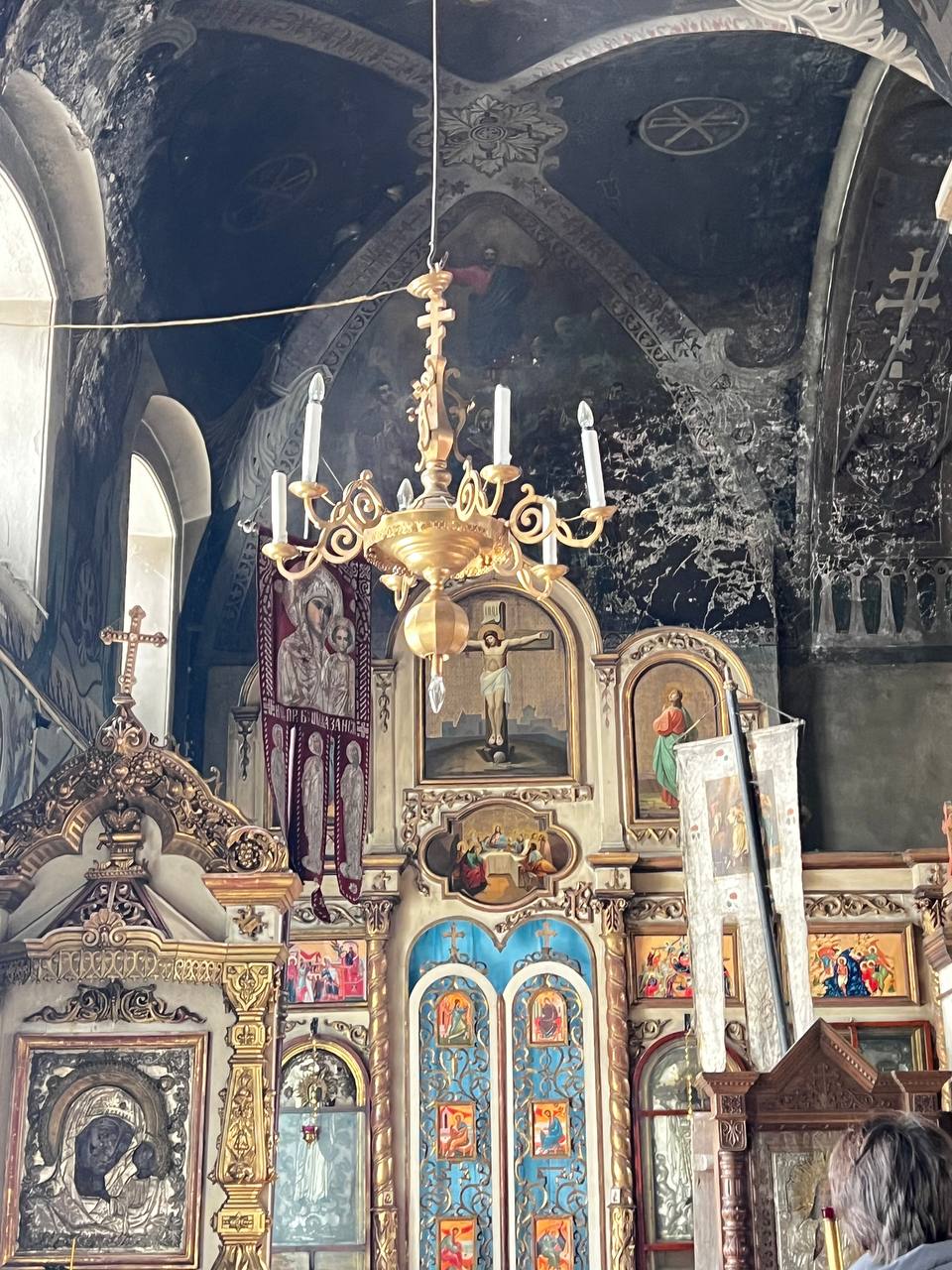
Alexander the Great was well known in Rus', and if we are to believe the texts of Mavro Orbini's "The Kingdom of the Slavs", "The Tale of Slovene and Rus and the City of Slovensk" and Nizami Ganjavi's "Iskandar-nama", Alexander the Great knew Rus' too and

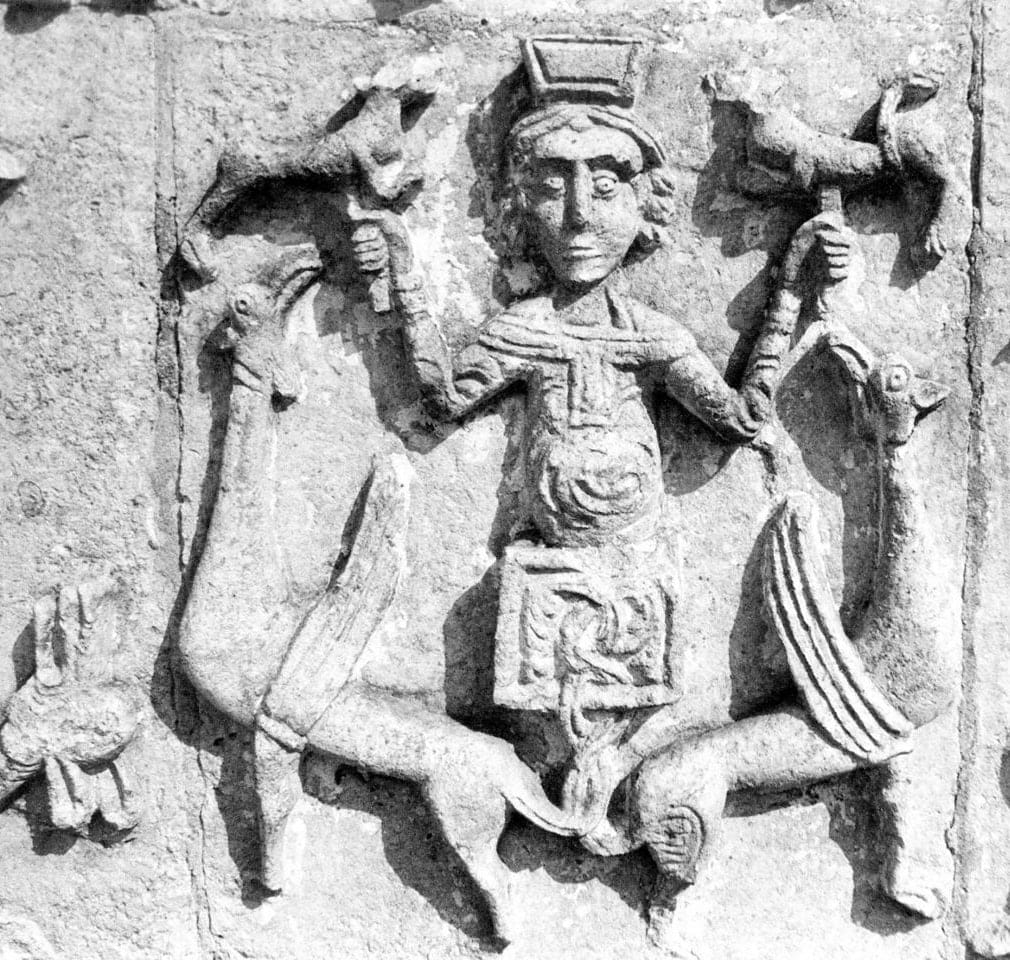
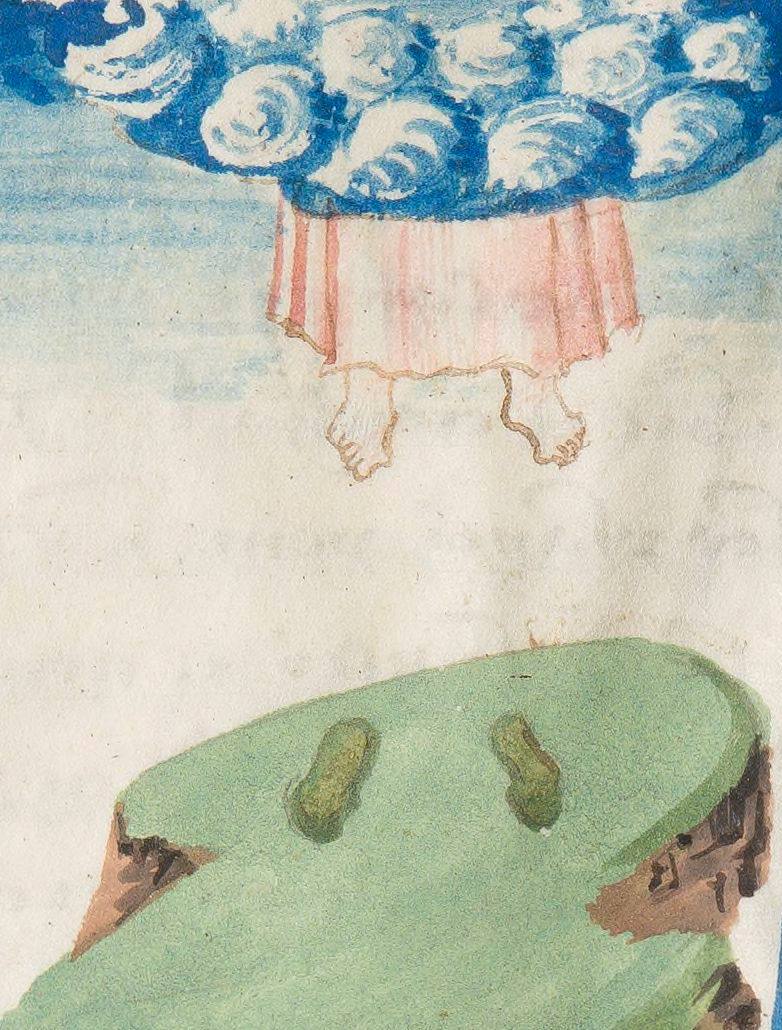
These legendary reports find reflection in Old Russian architecture. The subject of the Ascension of Alexander the Great is widely known. One example is the relief of Alexander the Great's ascension, in which he holds two sceptres and is borne aloft by griffins, on the façade of the

By Alexandr Radayev
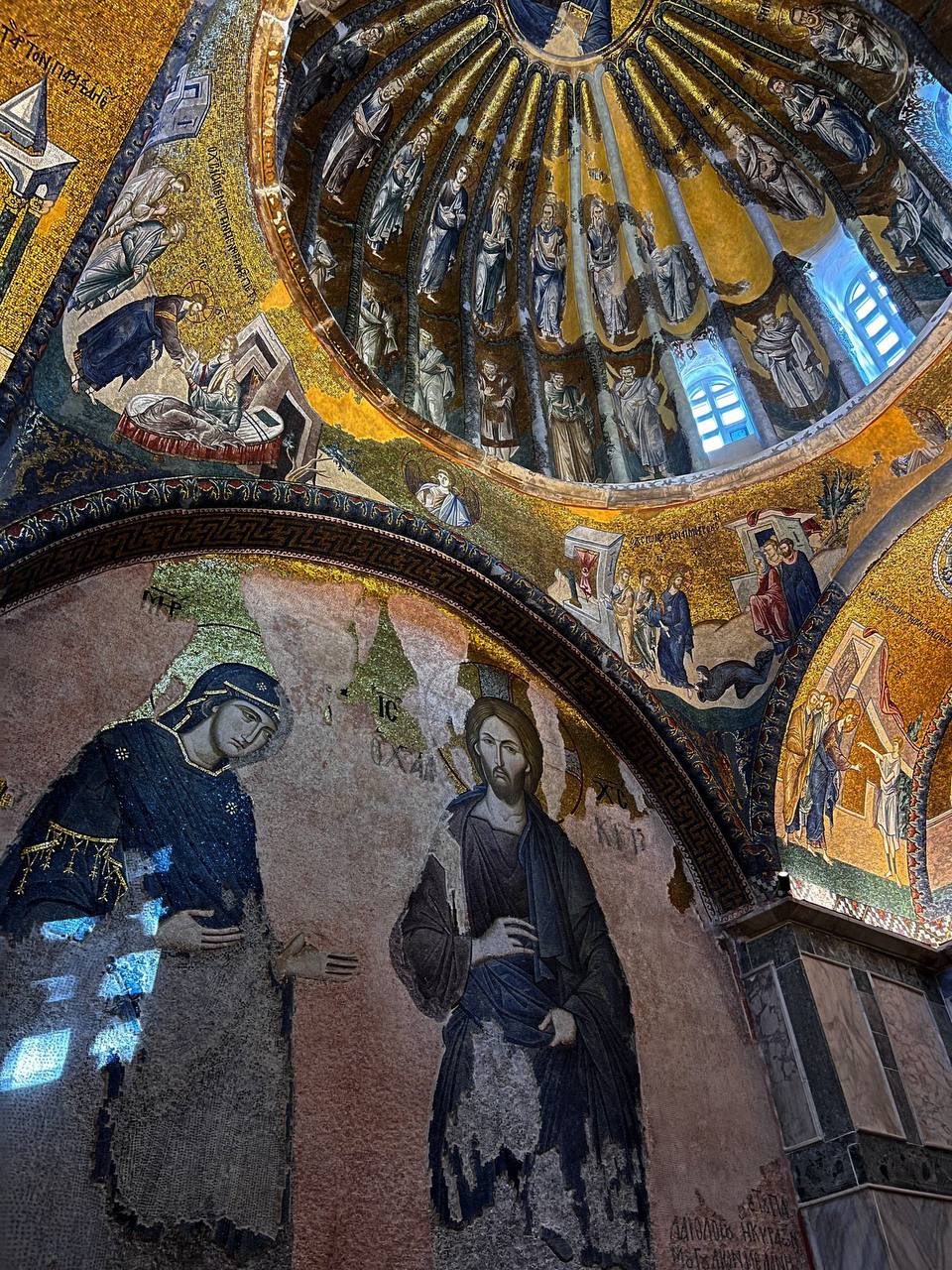
Of all the churches in Constantinople, the one that impressed me most was the Church of the Holy Saviour in Chora, part of the Chora Monastery complex

Architecture · Faith · The East · Observations · Heritage

Of all the churches in Constantinople, the one that impressed me most was the Church of the Holy Saviour in Chora, part of the Chora Monastery complex

Of all the churches in Constantinople, the one that impressed me most was the Church of the Holy Saviour in Chora, part of the Chora Monastery complex. In present-day Istanbul it is the best-preserved Byzantine church; the current building dates from the 11th century and stands on the

By Alexandr Radayev
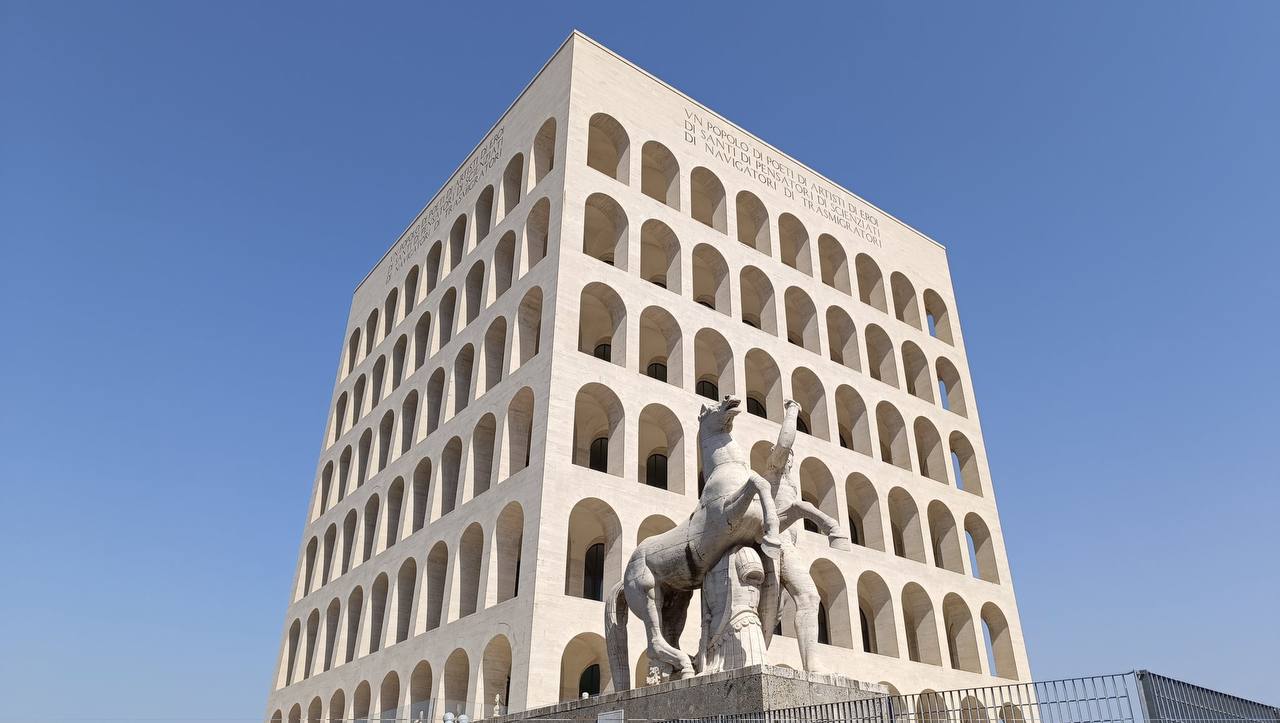
On the pediment of the Palace of Italian Civilisation, built in 1938-1940 by the architects Guerrini, La Padula and Romano, Mussolini's quotation of 2 October 1935 is still inscribed: "A people of poets, artists, heroes, saints, thinkers, scientists…

Architecture · Heritage · Rome

On the pediment of the Palace of Italian Civilisation, built in 1938-1940 by the architects Guerrini, La Padula and Romano, Mussolini's quotation of 2 October 1935 is still inscribed: "A people of poets, artists, heroes, saints, thinkers, scientists…

On the pediment of the Palace of Italian Civilisation, built in 1938-1940 by the architects Guerrini, La Padula and Romano, Mussolini's quotation of 2 October 1935 is still inscribed: "A people of poets, of artists, of heroes, of saints, of thinkers, of scientists, of navigators, of

By Alexandr Radayev