NB! · Architecture · Books · Heritage

NB! · Architecture · Books · Heritage
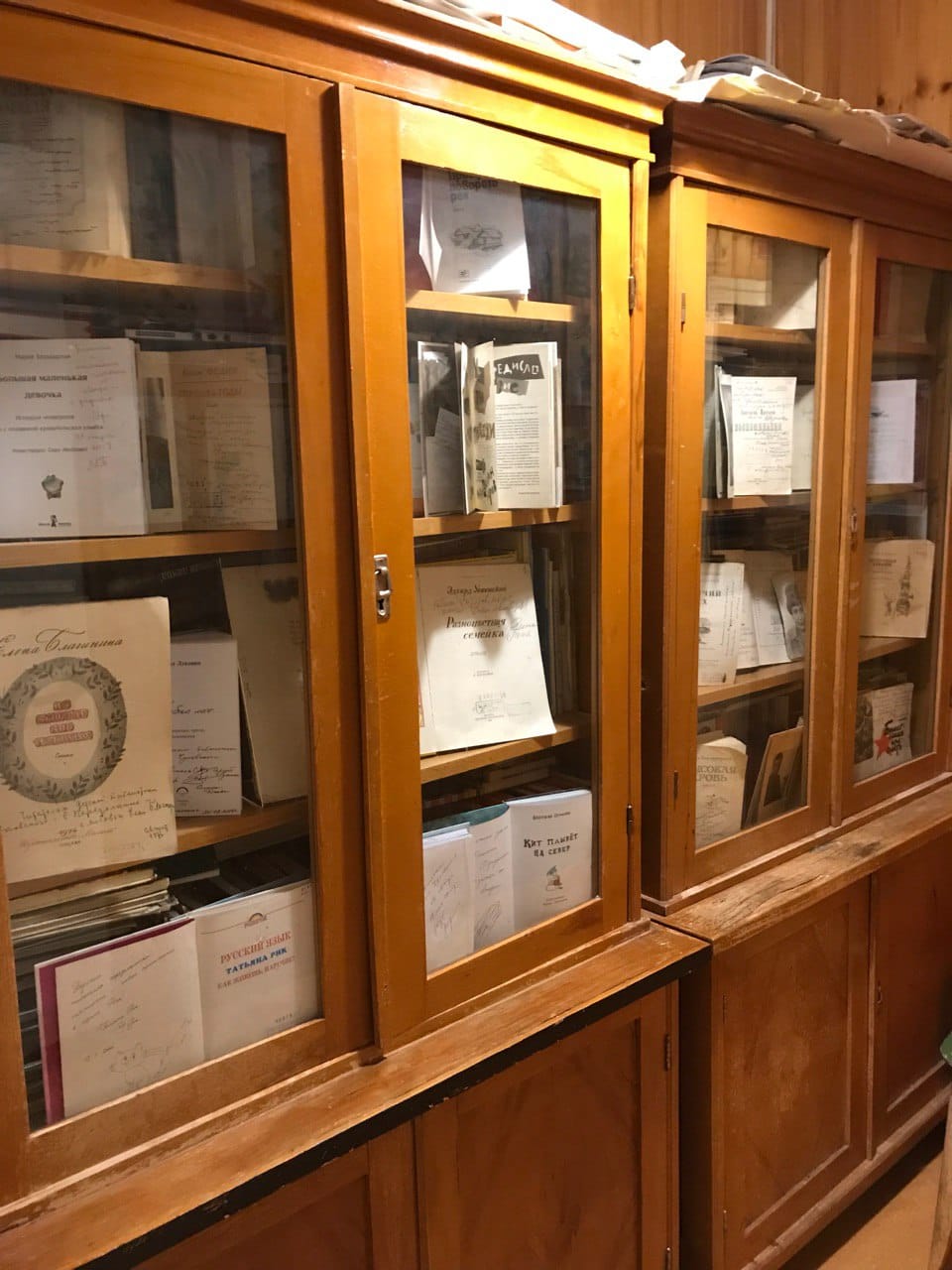
Books · Moscow · Museums · Heritage · Society
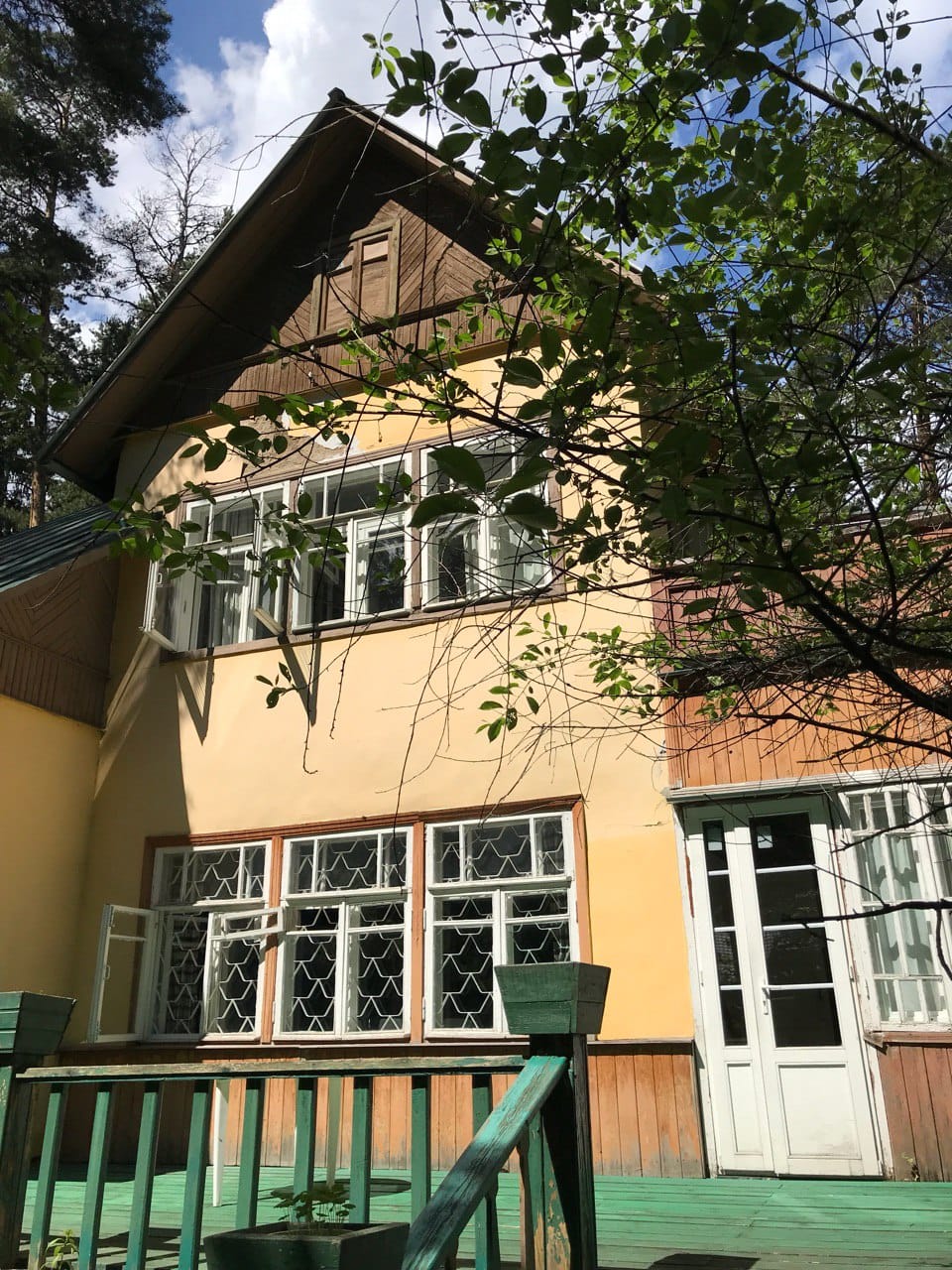
In this modest house in Peredelkino, at 3 Serafimovich Street, Chukovsky lived from 1938 to 1969. A few years after Chukovsky's death, in 1974, Lydia Korneyevna was expelled from the Writers' Union, and the Litfond decided to evict the family from the dacha. Legal wrangling dragged on
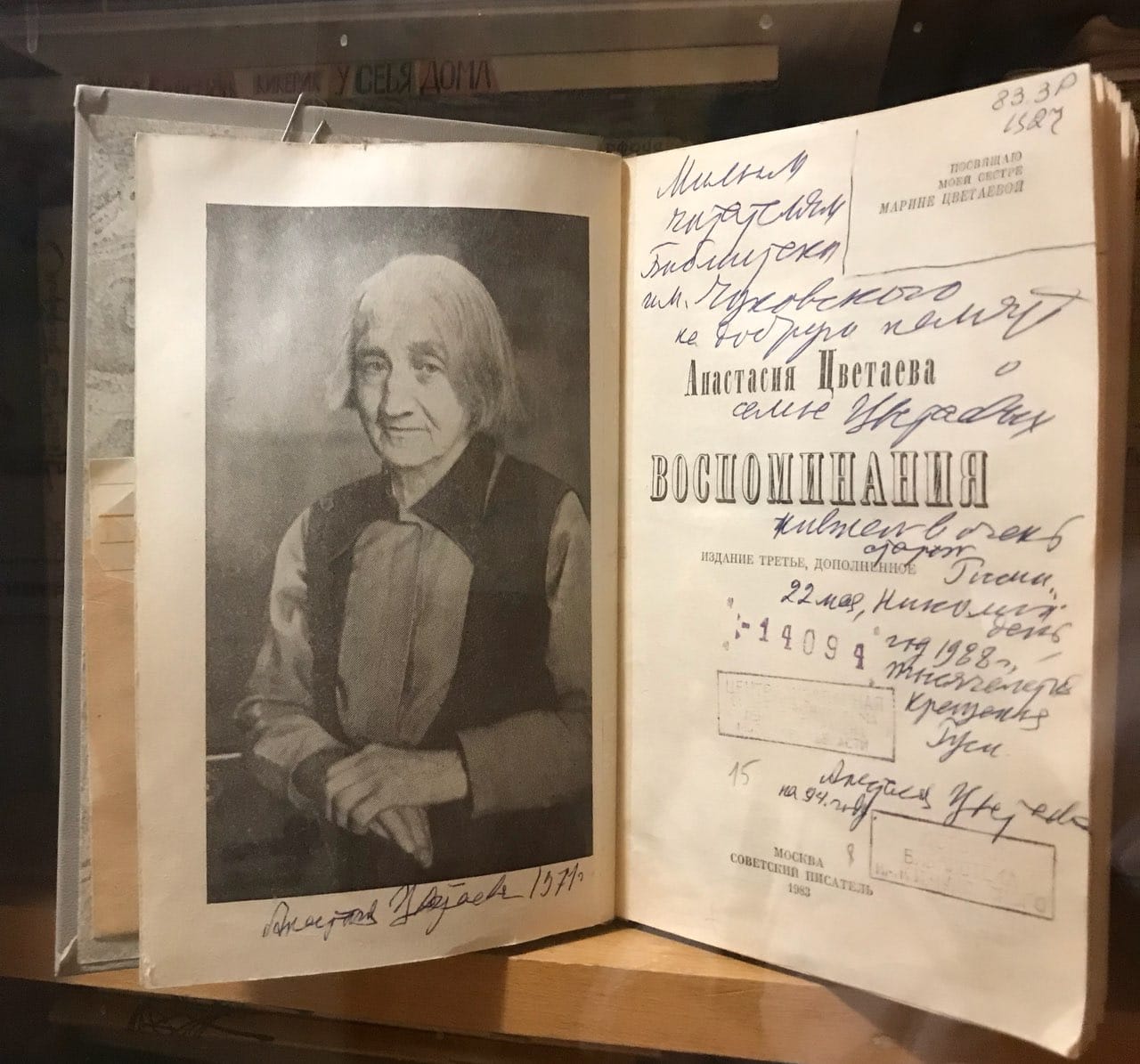
NB! · Archive · Books · People
Books · Museums · Heritage
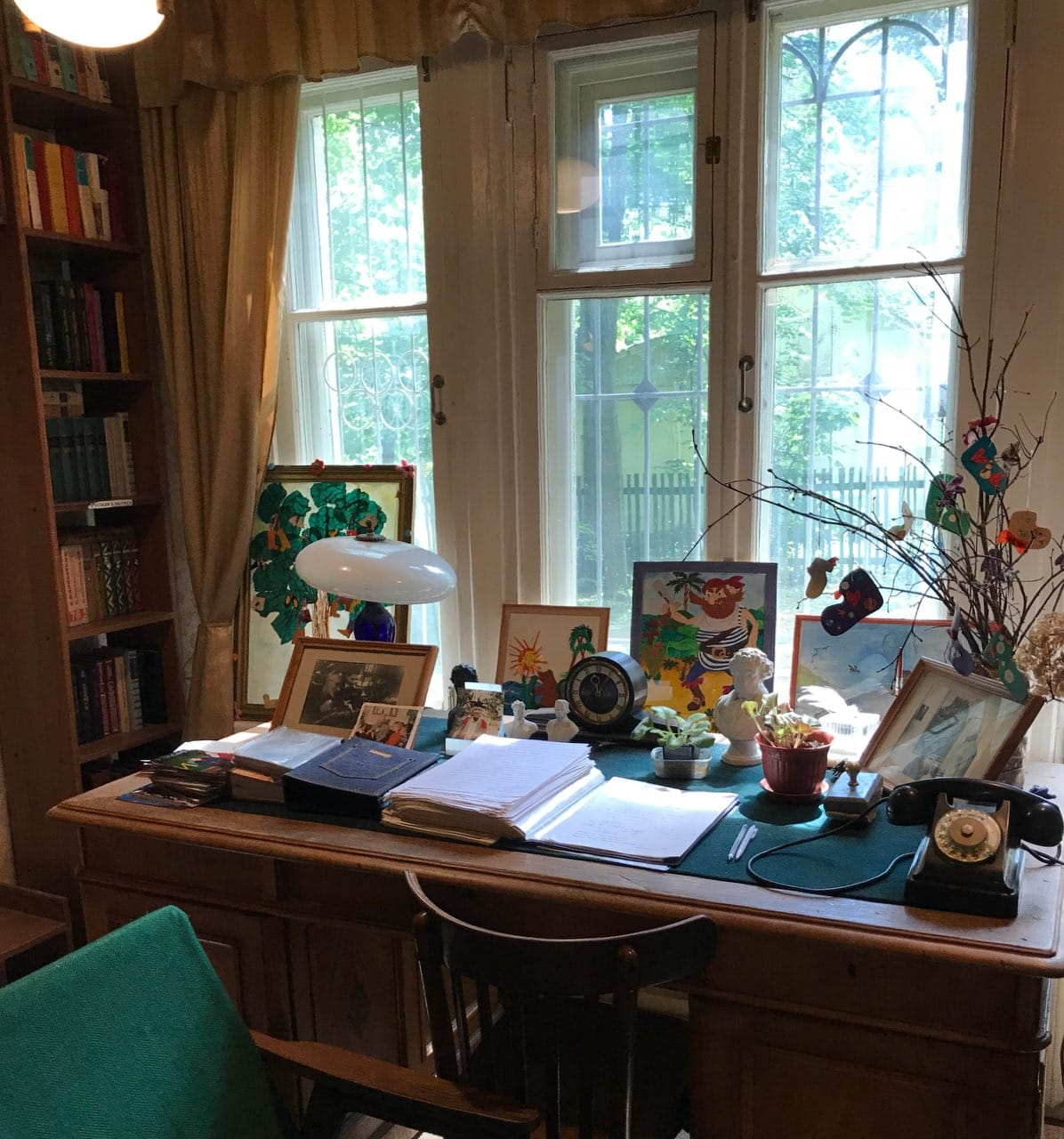
The desk in Chukovsky's library, which he built in the 1930s at his own expense on a neighbouring plot: a few hundredths of a hectare were given to him by the poet Stepan Petrovich Shchipachev (1898-1980). Chukovsky's personal library for children began with 400 volumes
Archive · Books · Monarchies · Observations · Mores · Humour
"Ah, you naughty girl! How could you write such a letter! How cold it is! My soul is sad! My heart melts, and my imagination simply frightens me. You love me less strongly. A day will come when you will cease to love me altogether." I have been
Books · Observations · Ethnography
The hero of Neil Gaiman's "American Gods" is accompanied by a mysterious old man named Wednesday. Perhaps one ought to have guessed sooner, and the sly old fellow would have ceased to seem so enigmatic, but the text offers no special explanation. As the book unfolds,
Architecture · Books · Museums · People
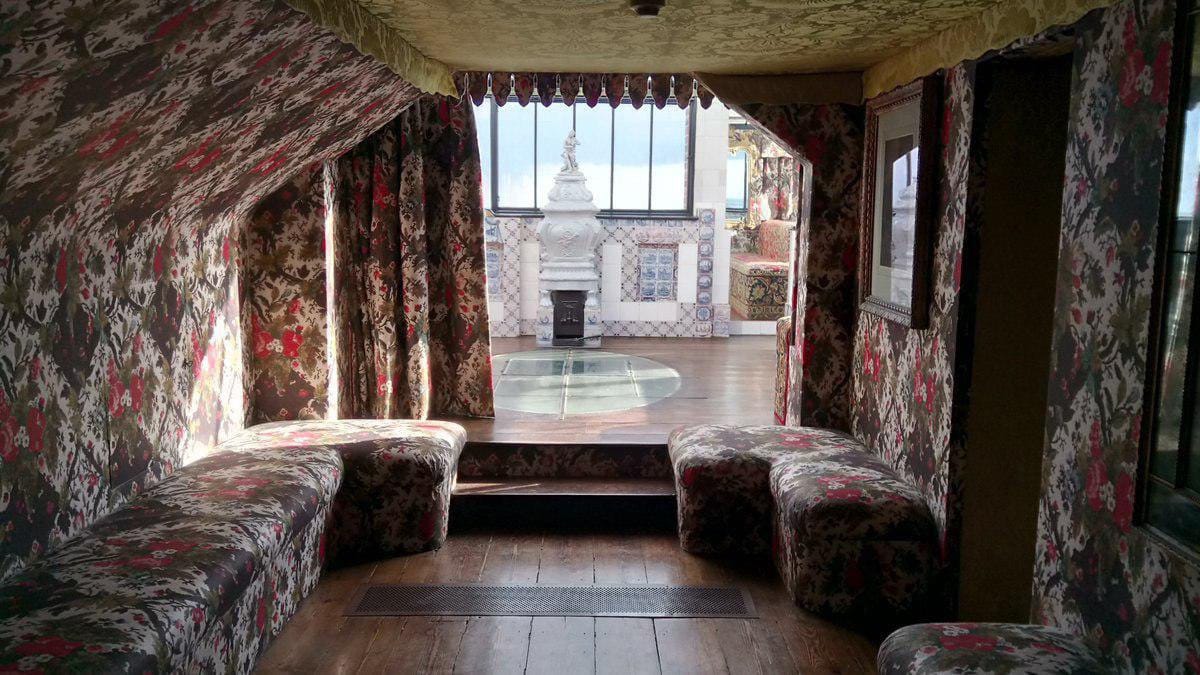
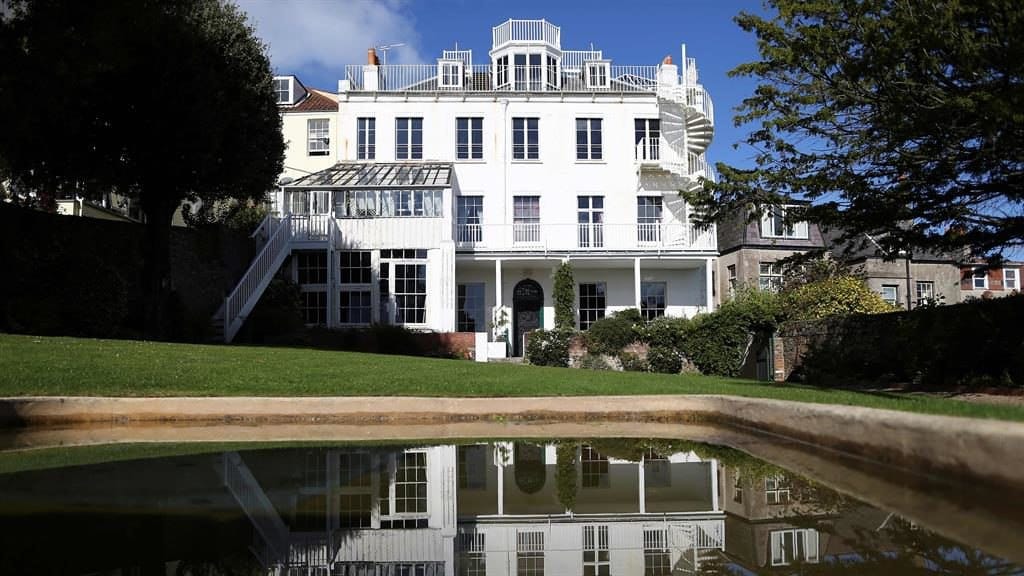
The third floor of the house is the summit of Victor Hugo's architectural creativity. This is the fully glazed attic with a panoramic view, which, as he put it, took in all of France: from here one can see the island itself and the distant line of the
NB! · Architecture · Books · Museums · Paris · People
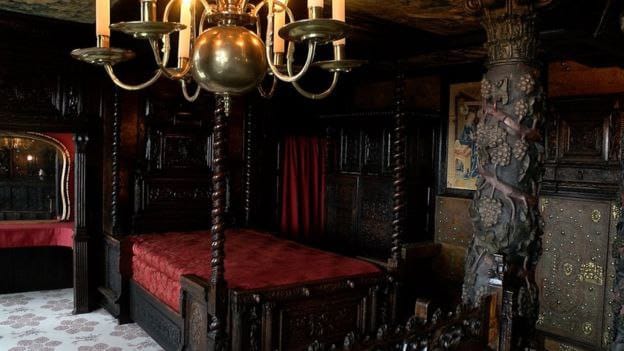
The second floor is arranged in the Renaissance spirit. There is an enormous, solemn study with an adjoining tiny library, where Hugo housed the library he had rescued in exile, and a bedroom with carpets and tapestries of every conceivable colour. And a symbolic corridor leading upwards, ending in a
Architecture · Books · Museums
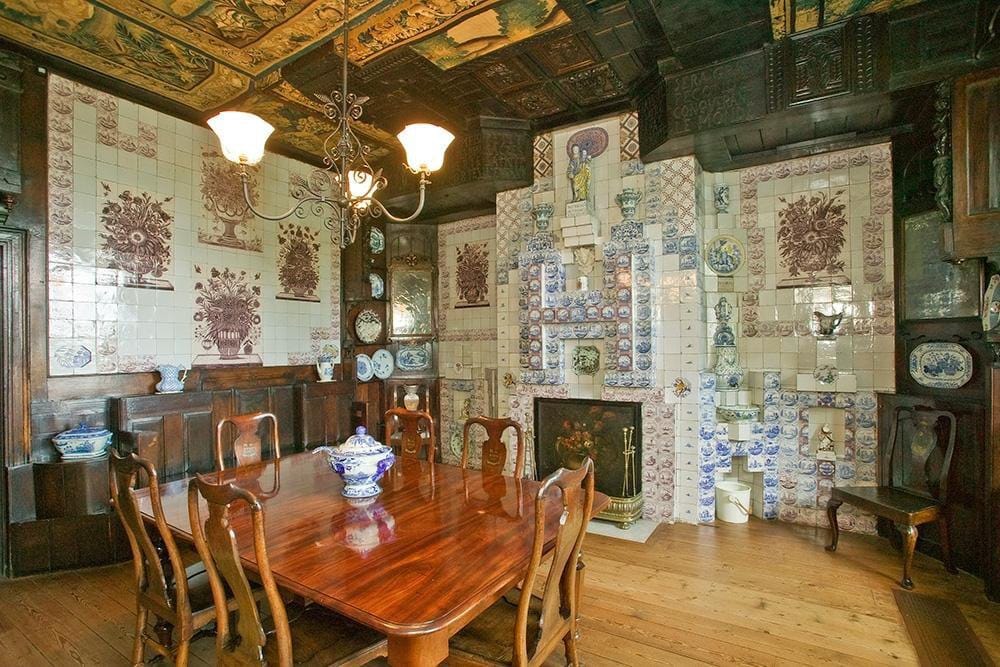
The house itself recalls one of Hugo's novels. Even in the layout of its rooms and floors: once inside, you find yourself among dark wooden interiors with a great deal of carving and, as you climb, pass gradually into ever more appealing and lighter surroundings, until at last
Architecture · Books · Museums · People
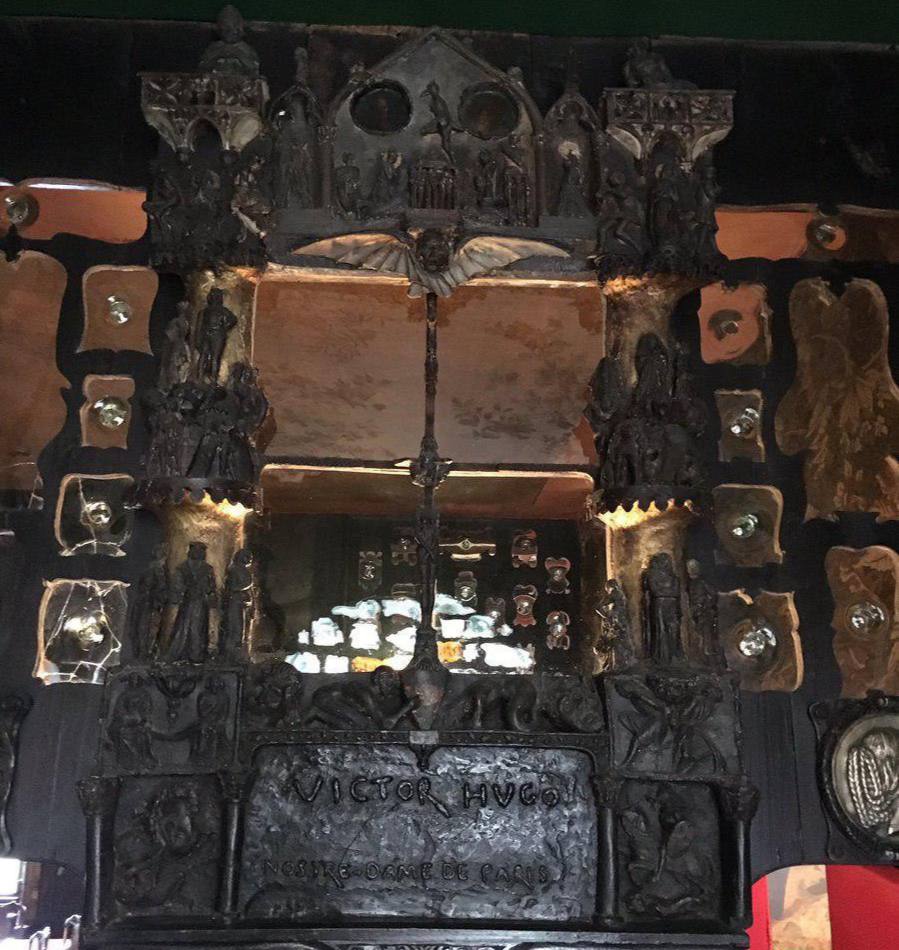
One of Hugo's descendants said of this house that it is an autograph spread over three floors and a poem in several rooms. Resembling a fairy-tale labyrinth, the house presents Hugo as writer, poet, dramatist, draughtsman and decorator, and truly reflects his creative genius. Symbolism pervades Hauteville
Architecture · Books · Society · People
On 2 December 1851, after the coup d'état, Louis-Napoléon Bonaparte banished Victor Hugo from France. The writer fled to Belgium, passing himself off as a printing-house worker, Jacques Firmin Lanvin, and from there he was expelled in 1852. In 1854 he finally settled on Guernsey, an
Books · People · Rome · Humour
His early childhood passed in Rome; he was brought up as is the custom among Roman grandees who are living out their days. His teacher, tutor, nursemaid and anything else you please was an abbé, a strict classicist, an admirer of the letters of Pietro Bembo, the writings of Giovanni