NB! · Art · Monarchies · Moscow · Museums · Observations

NB! · Art · Monarchies · Moscow · Museums · Observations
Art · Mores · Paris · People
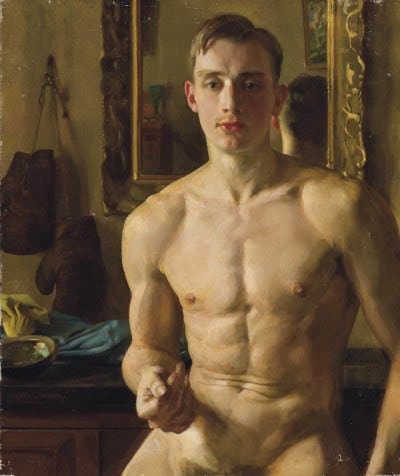
Konstantin Somov, The Boxer. 1933. Somov emigrated to the United States in 1923, but stayed there only a year. The Russian artist found a new home in Paris, where he illustrated Pushkin's poems and mostly painted portraits. The boxer is the nineteen-year-old Boris Snezhkovsky, an artist&
Art · Museums · Observations
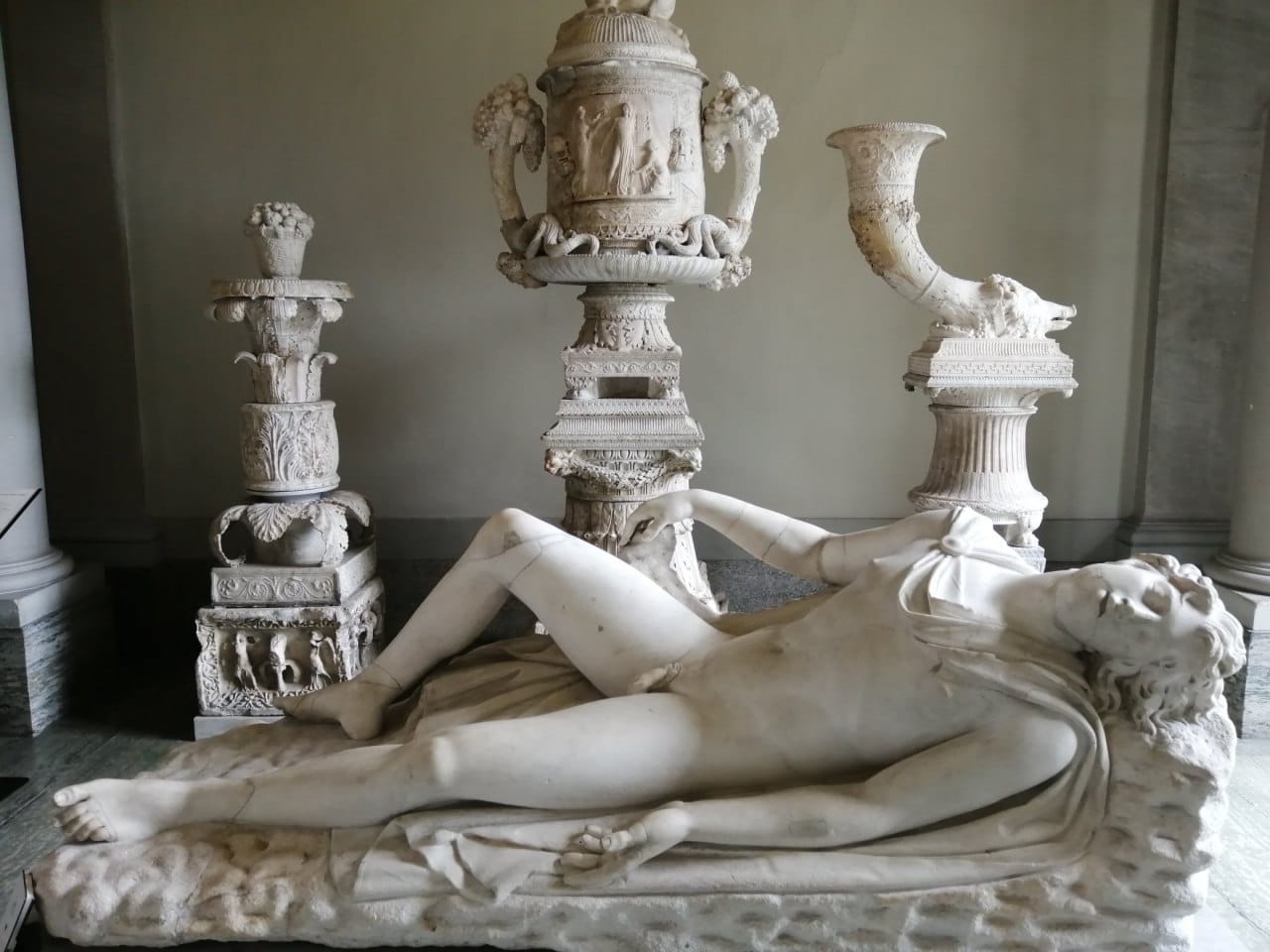
Endymion is a sleeping shepherd youth, the beloved of the moon goddess Selene. He is the most famous exhibit in the Gustav III Museum of Antiquities in Stockholm, which houses one of the oldest collections of ancient sculpture in Europe. It is sometimes compared to the Vatican Museums, though on
Aristocracy · Art · Mores · Pop Culture
The emerald tiara with 11 large yellow cushion-cut diamonds belonging to Katharina Henckel von Donnersmarck is usually described as the most sumptuous diadem ever owned by a person not of royal blood. Jewels of this kind are what the newspapers like to gossip about. The story of this gem
Coming Up · Art · Moscow · Museums · Saint Petersburg
For those too idle to hunt out items for their own cultural programme, a small selection of events for the coming week. An exhibition by the practising National Geographic photojournalist Gerd Ludwig, “The Long Shadow of Chernobyl”. He is the only foreign photojournalist to have received permission to photograph in
Aristocracy · Art · Monarchies · Moscow · Heritage
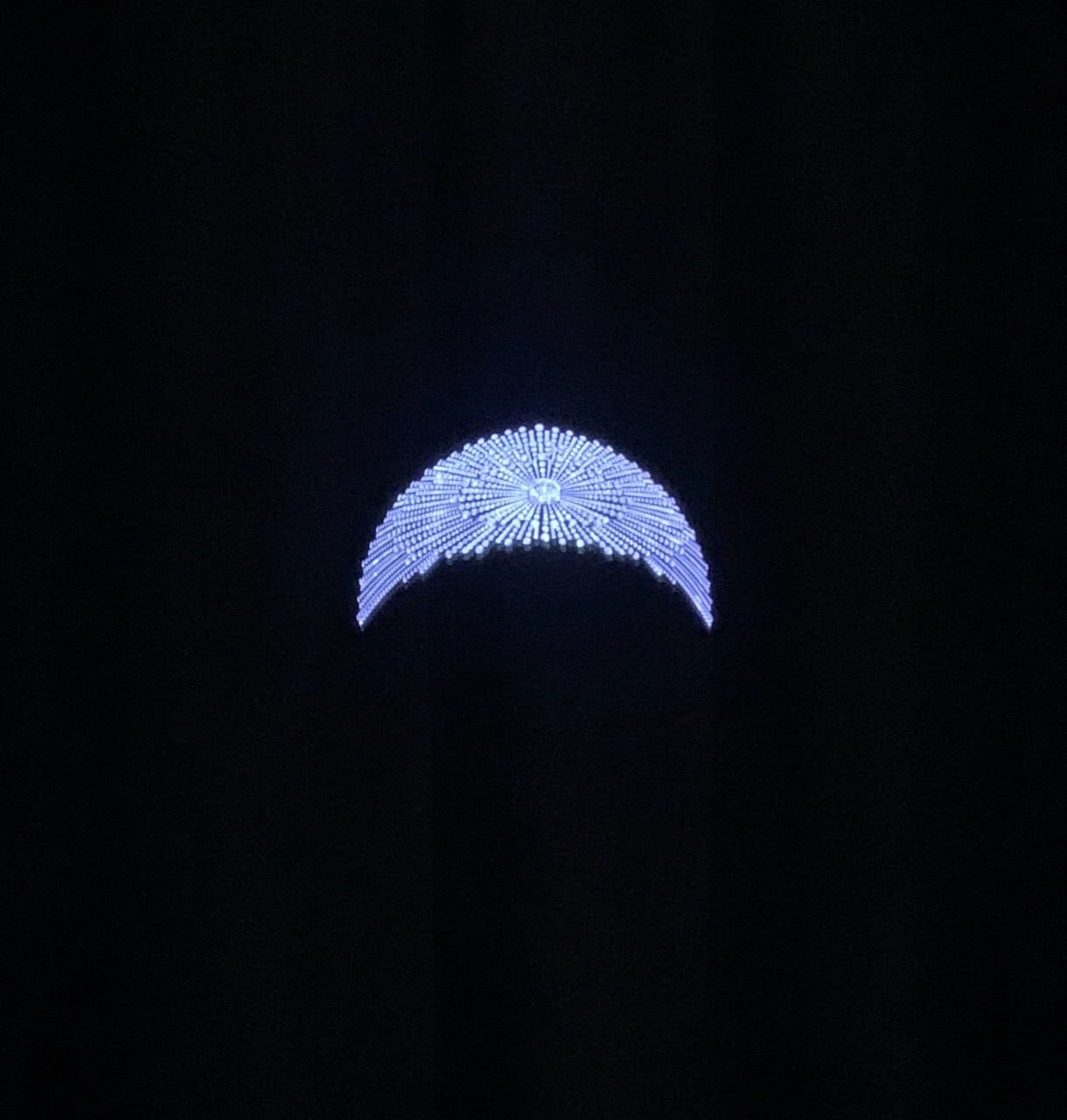
The most emblematic Chaumet jewel connected with Russia is the sun tiara created for Nicholas II's niece Irina Alexandrovna Romanova, acknowledged as one of the most beautiful princesses in Europe. In 1914 Irina married Felix Yusupov. The tiara was a gift from Princess Zinaida Yusupova, who had assembled
Aristocracy · Art · Monarchies · Museums
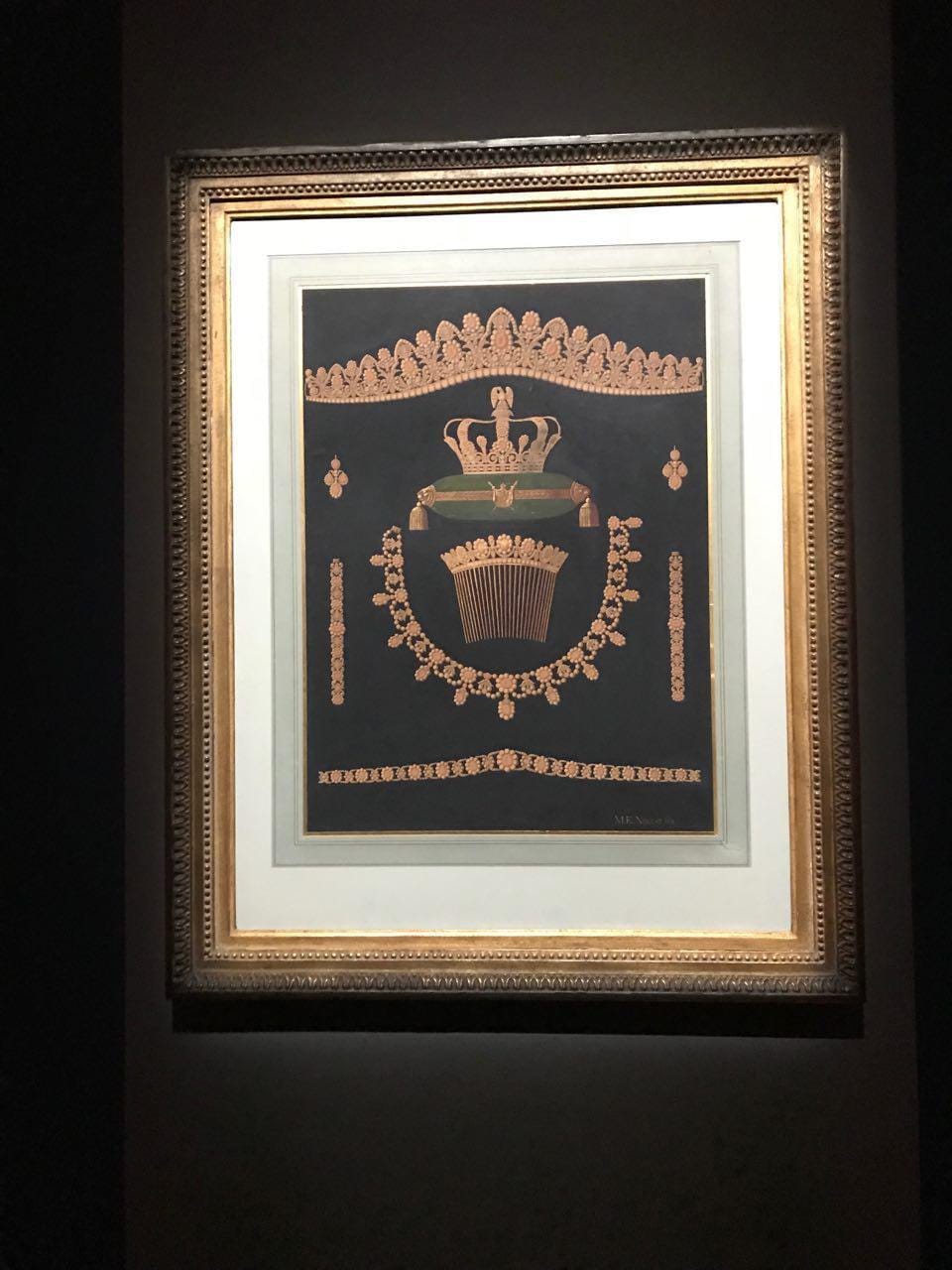
As such, parures reached the height of their popularity in the early nineteenth century: in the 1800s it was precisely sets of jewellery that adorned ladies in Europe's principal capitals. This fashion owed a great deal to the jewellers of the future house of Chaumet, which over its
Art · Monarchies · Museums · Mores · Paris
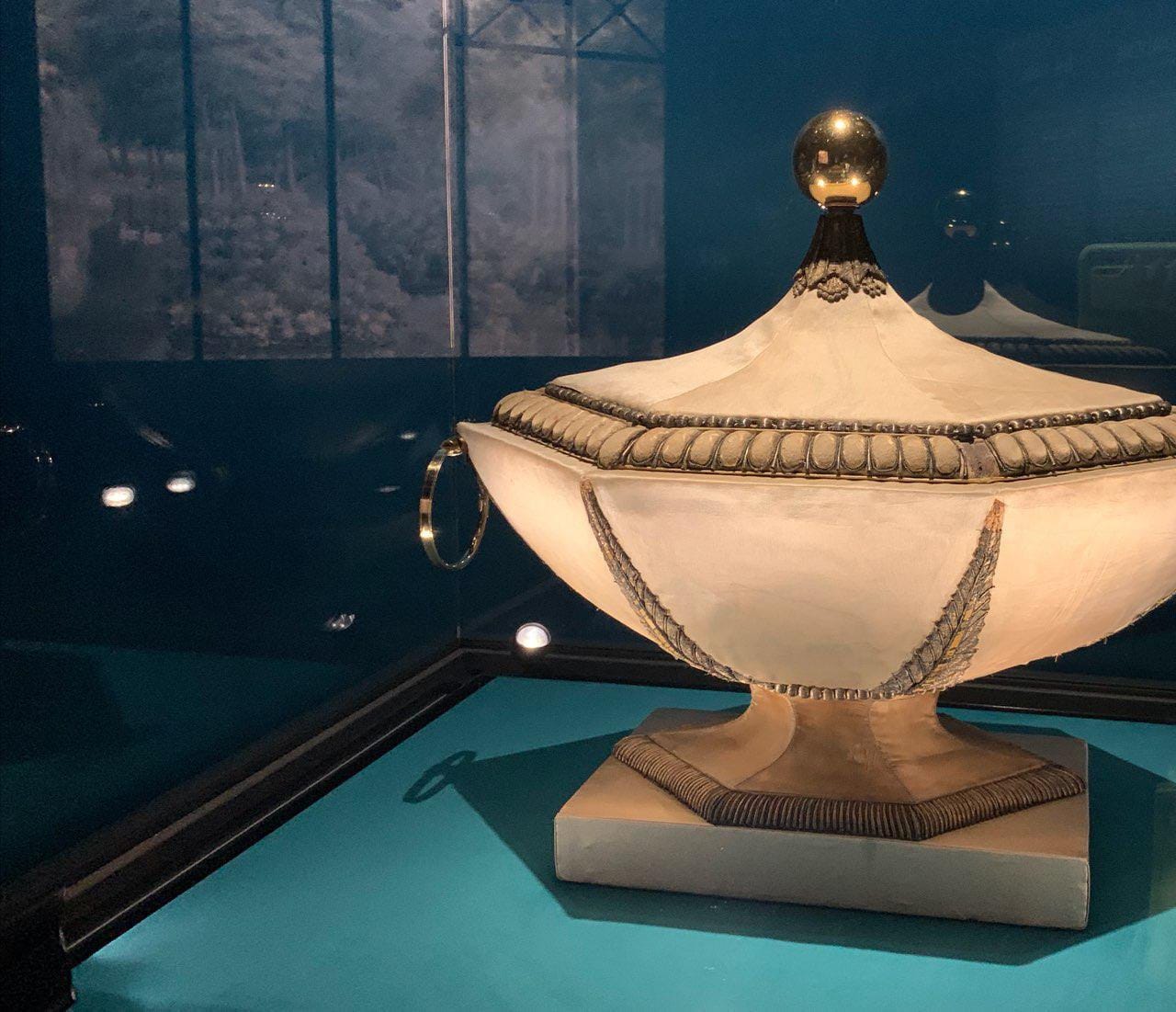
The Chaumet exhibition presents a magnificent tradition dating back to the seventeenth century: the corbeille de mariage, or wedding basket. The set of gifts that the bridegroom prepared for his bride was presented in a special casket in the shape of a vase with a lid. The chest was usually
Art · Monarchies · Mores · Paris
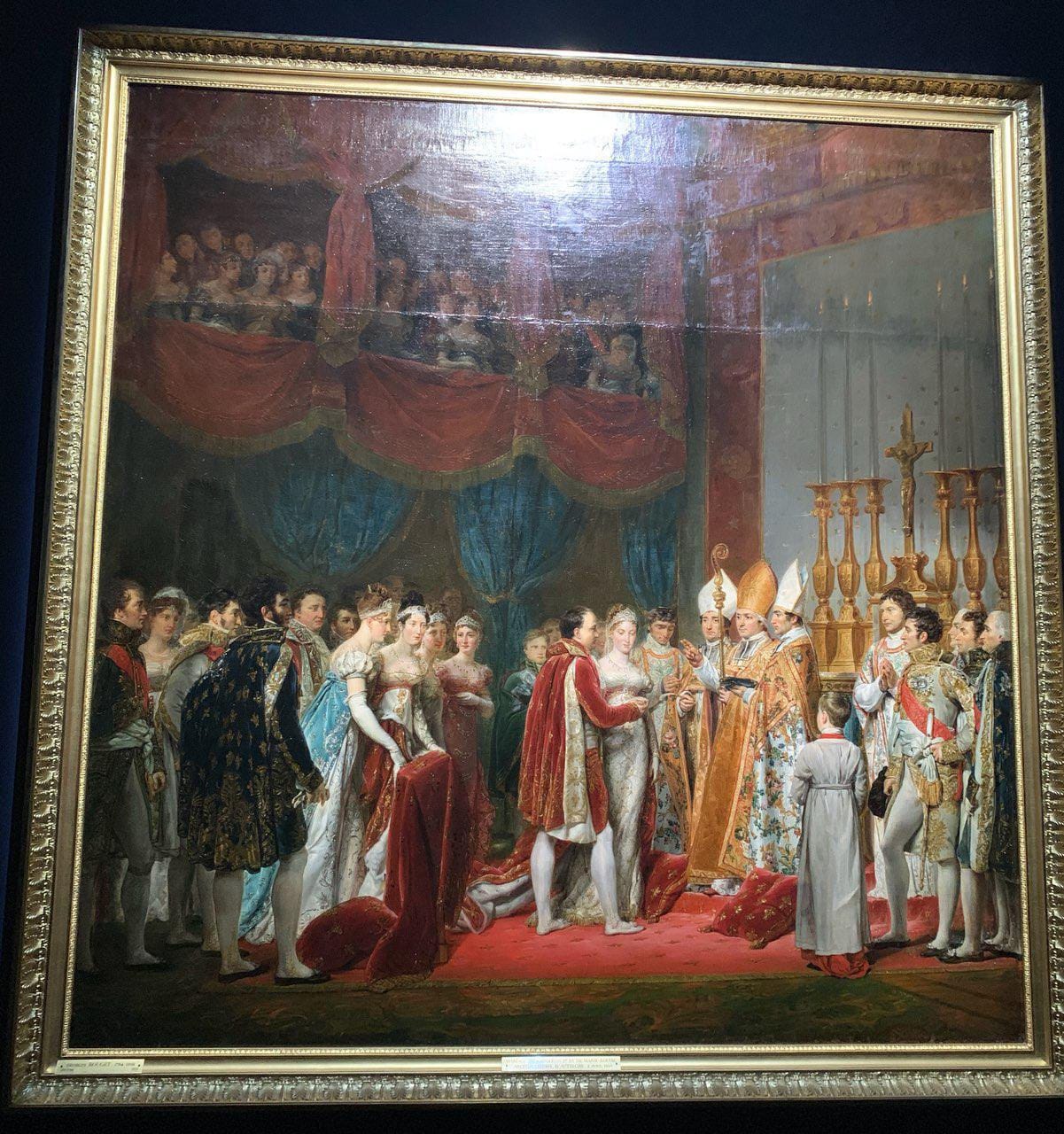
The Marriage of Napoleon and Marie Louise, by the artist Georges Rouget. The wedding of 1 April 1810 took place in the Louvre, where the architects Percier and Fontaine had rebuilt the Salon Carré as a chapel. The painting captures the moment when Cardinal Fesch blesses the couple; Napoleon and
Art · Monarchies · Pop Culture · Reportage
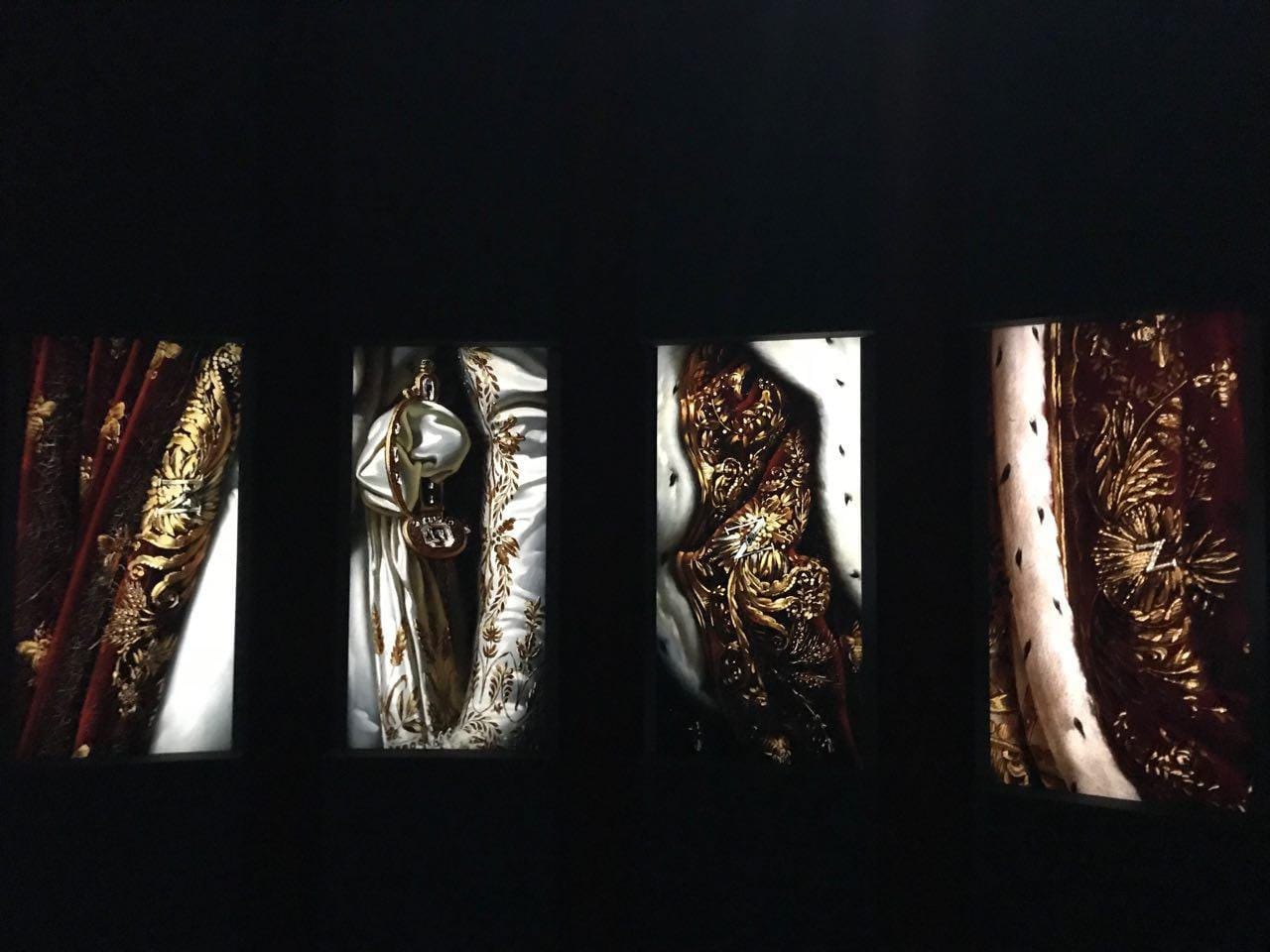
It is the age of Napoleon that is most vividly represented at the impressive exhibition of the jewellery house of Chaumet at the Grimaldi Forum in Monte Carlo. The history of the house is inseparable from the reign of Bonaparte and his empresses: the many gifts ordered by Napoleon for
Art · Monarchies · People
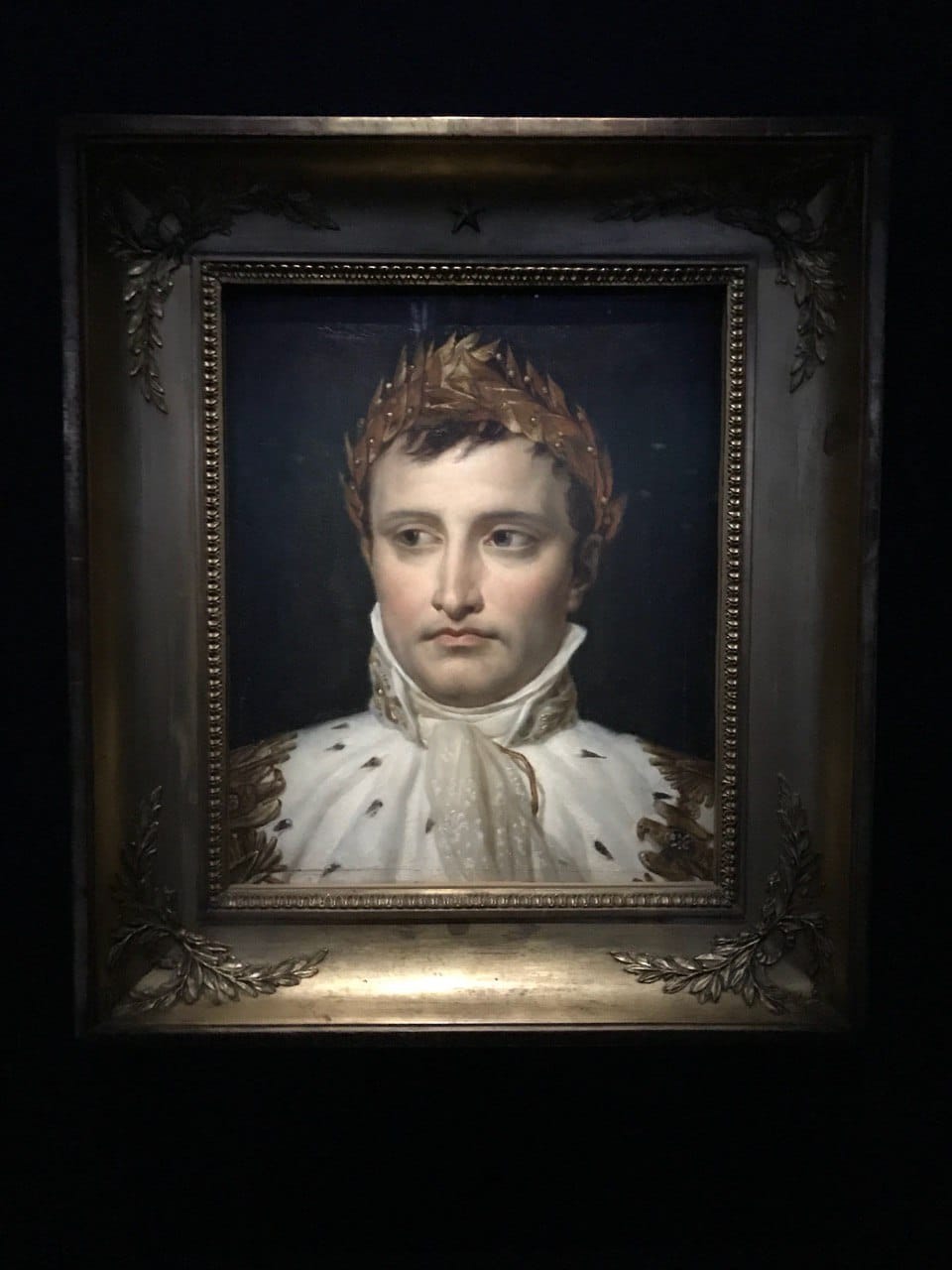
Jacques-Louis David, 1807. Sketch for the portrait of Napoleon in his coronation robes. On Napoleon's head is the golden wreath made for his coronation on 2 December 1804 by the jeweller Martin-Guillaume Biennais. The laurel wreath points us to Napoleon's favourite style, the antique.
The East · Geography · Art · Observations · Nature
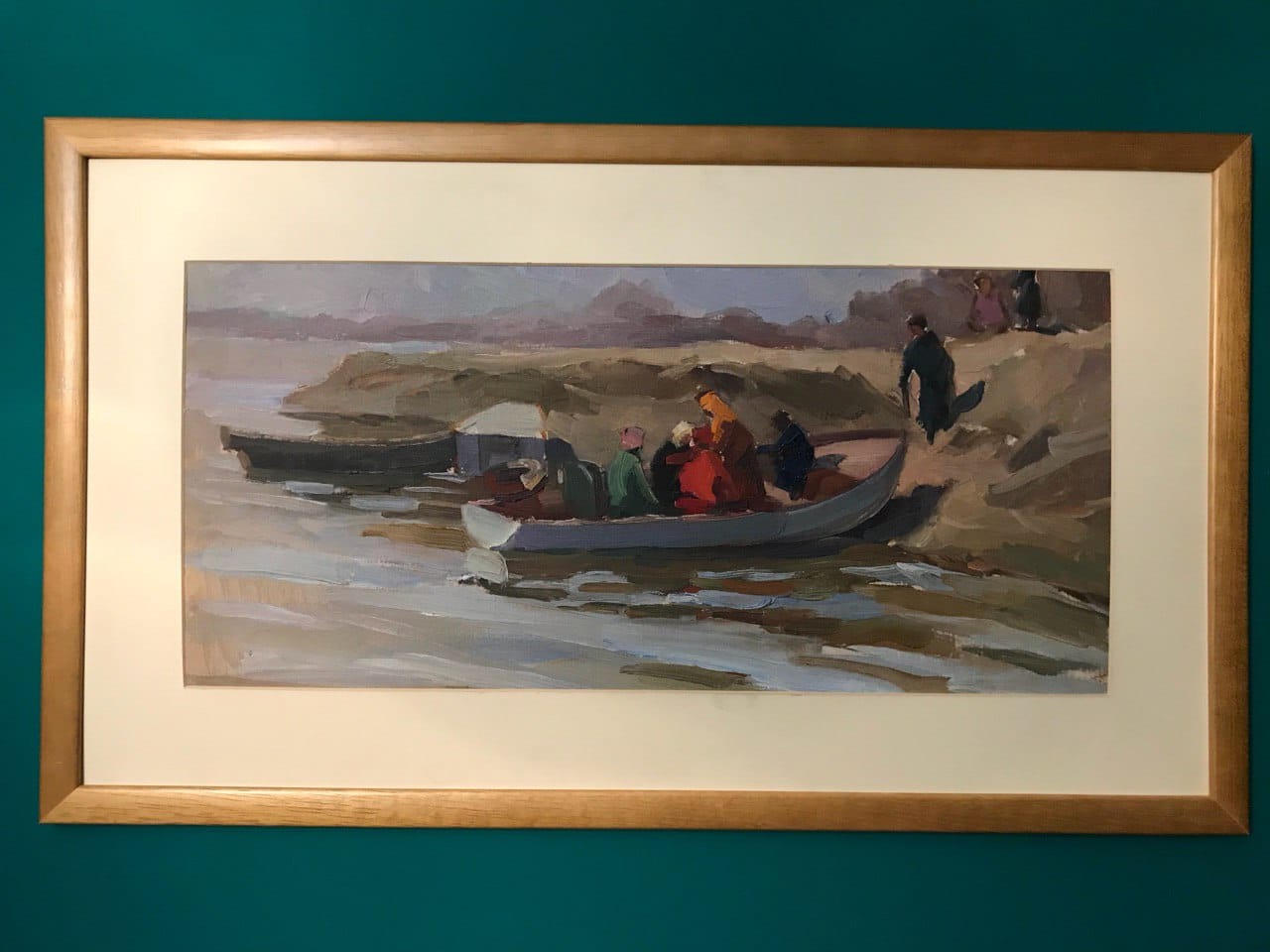
The Aral Sea, a boat, 1969. This picture hangs in my home in one of the most prominent places, beside several similarly unassuming subjects, all of them from the Aral. It is a fairly simple specimen of the genre study in the Impressionist manner, by an author who is not