NB! · Archaeology · Archive · The East · Heritage

NB! · Archaeology · Archive · The East · Heritage
Archaeology · Architecture · Heritage · Science
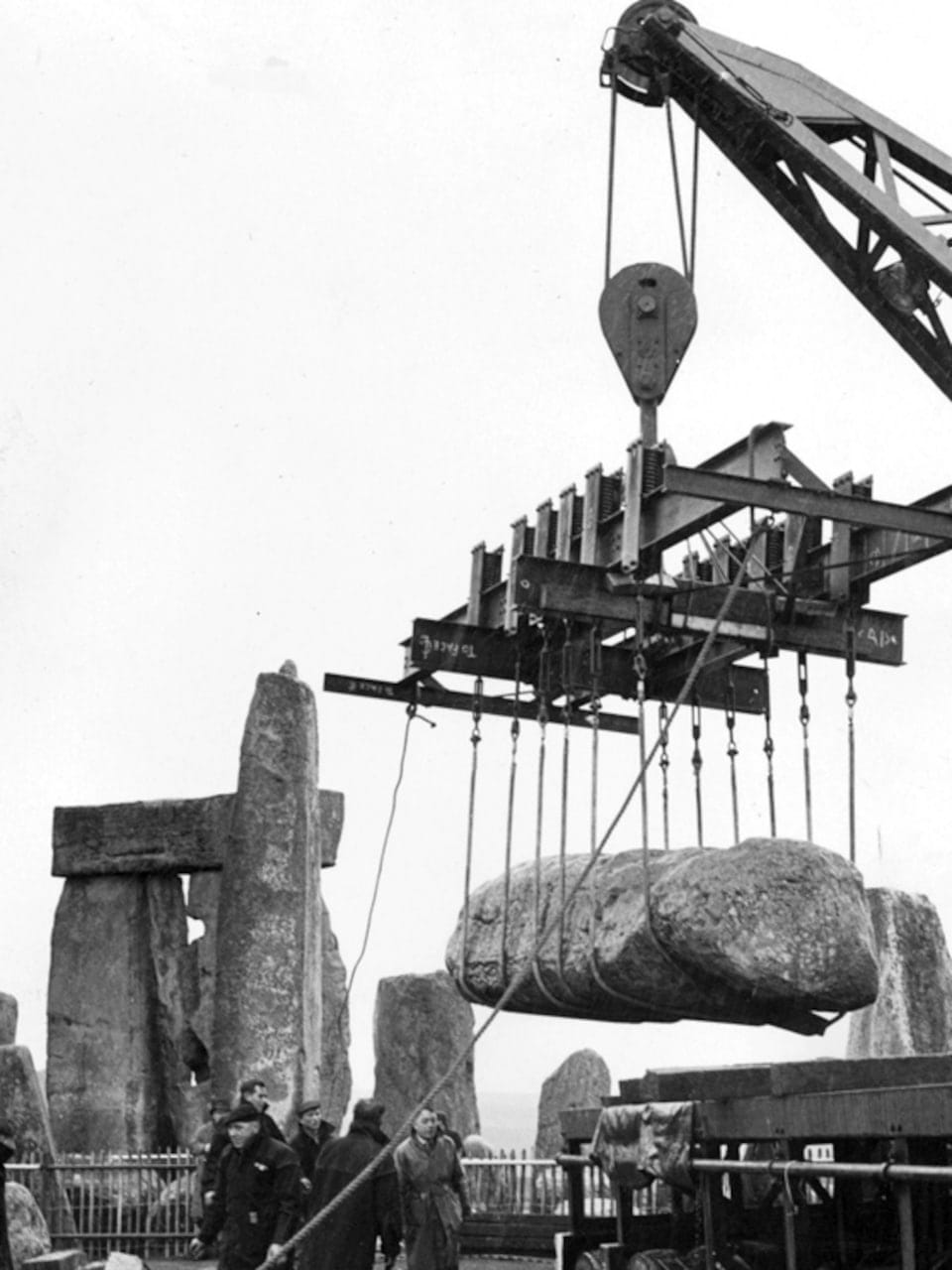
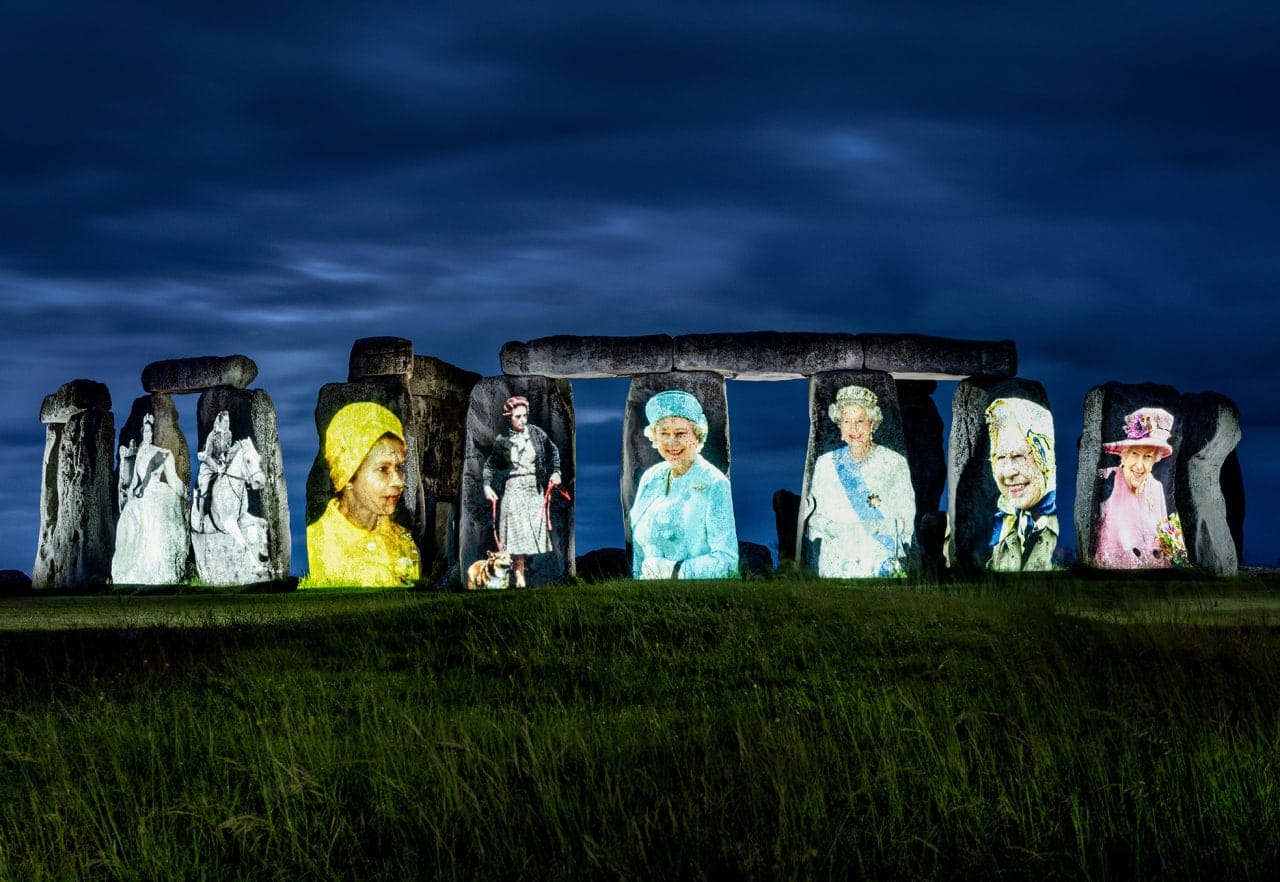
The cement grout used to fill cracks in the horizontal stones of Stonehenge in the 1960s may lead to its destruction. Sixty years after the restoration, it has emerged that the airtight cement causes moisture to accumulate and the blocks to crumble as it freezes and thaws. In September 2021
NB! · Archaeology · Art · Museums
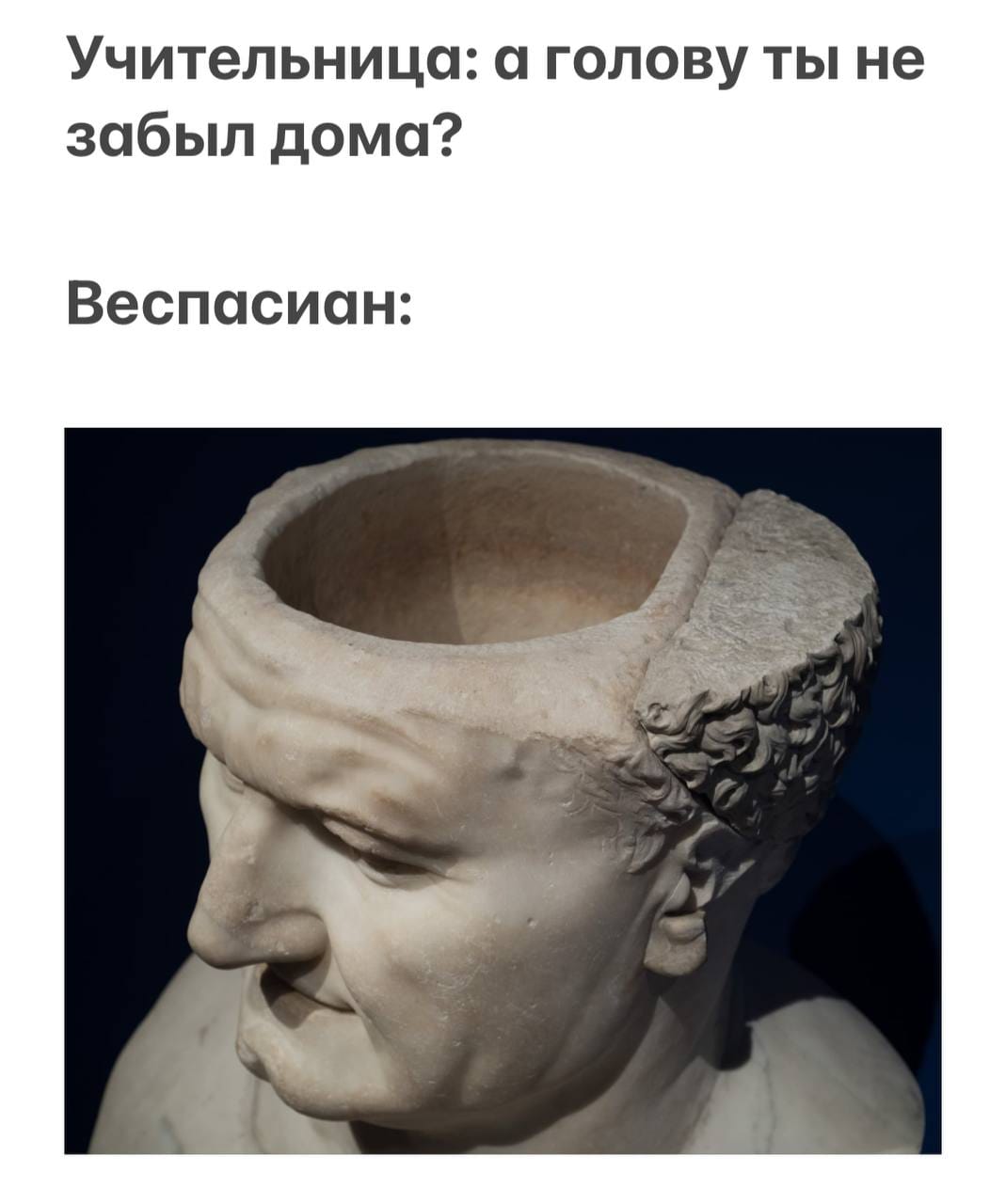
In the Middle Ages the head of Vespasian was hollowed out from within and used as a water basin, with a hole bored in the ear to serve as a drain. Collection of the National Archaeological Museum of Naples, Farnese Collection
Archaeology · Architecture · The East · Geography · Heritage
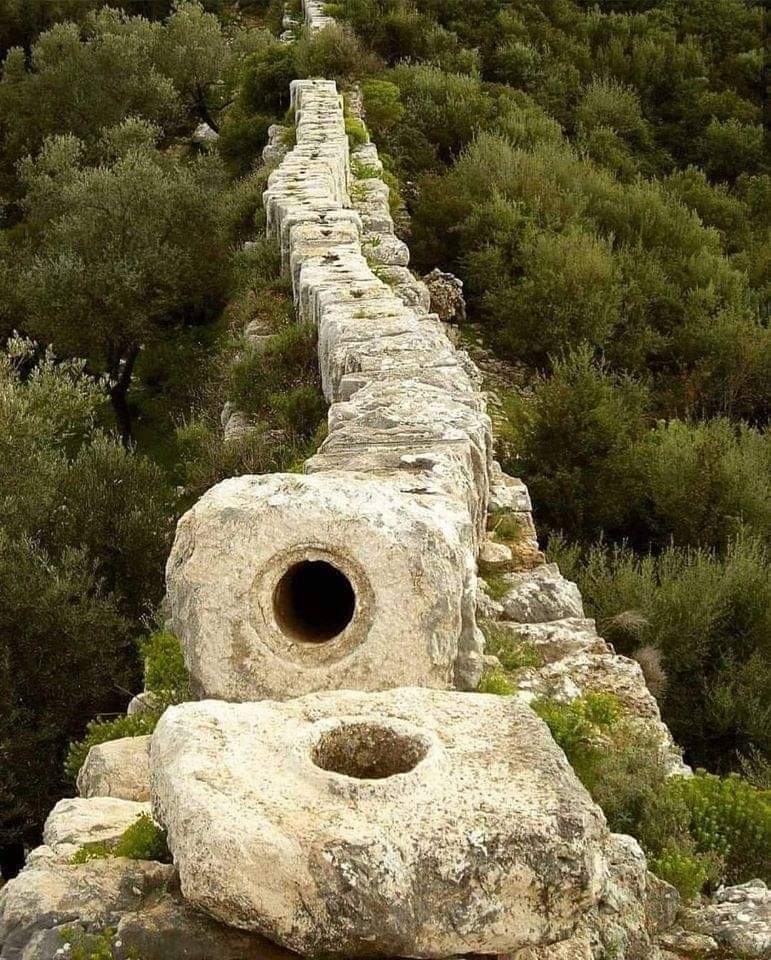
The Delikkemer Aqueduct, built some 2,000 years ago, is a pipe laid along the top of a stone wall up to 12 metres high. The pipe is formed within limestone blocks, each with a hole hollowed out through the middle. The aqueduct supplied the Lycian city of Patara with
Archaeology · Faith · The East · Art
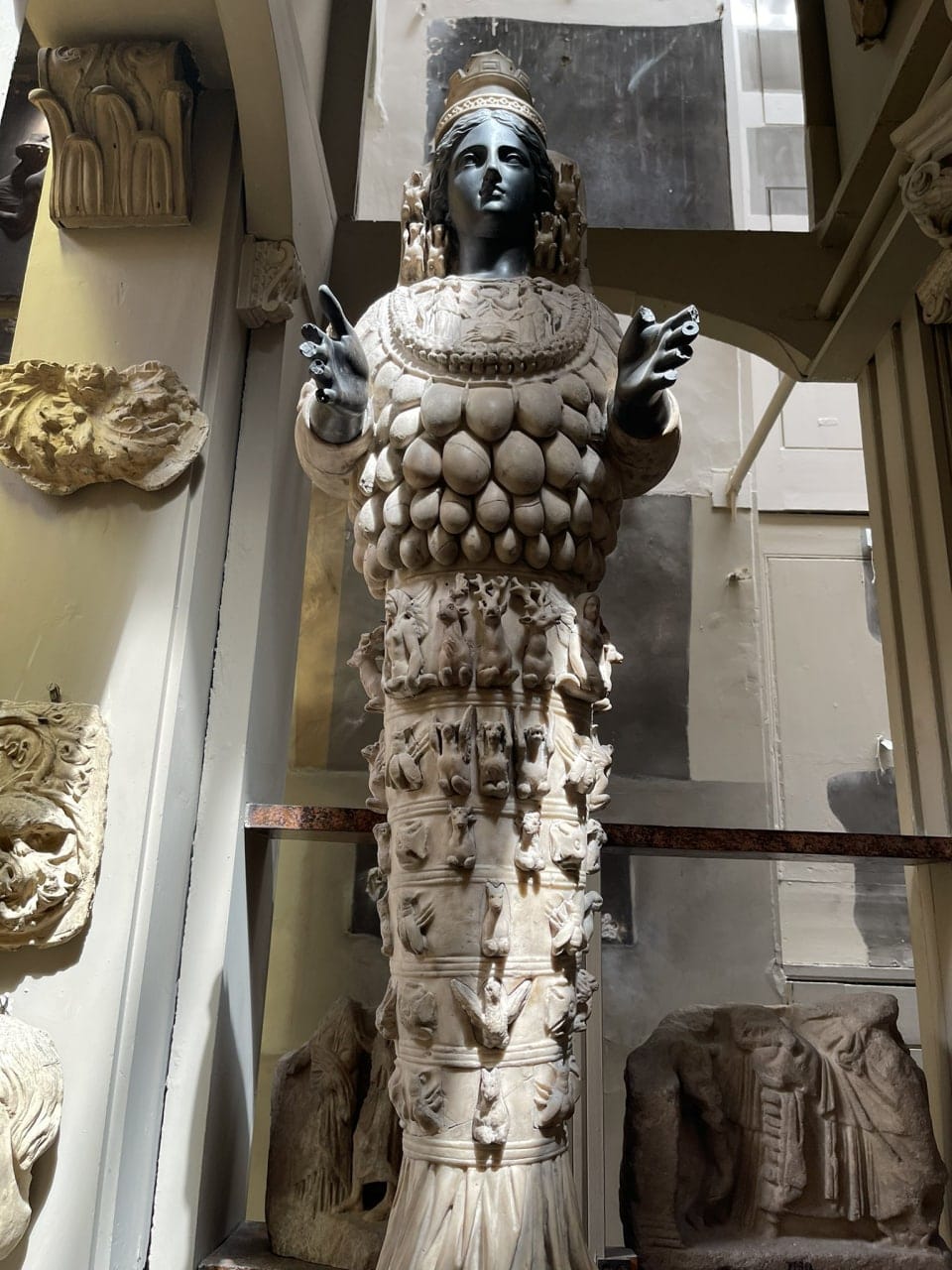
This is what the cult statue from the temple of Artemis at Ephesus, one of the Seven Wonders of the World, looks like. It is the very temple that was burnt down by Herostratus in 356 BC, reputedly on the day of the birth of Alexander the Great. Alexander of
Archaeology · Museums · Humour
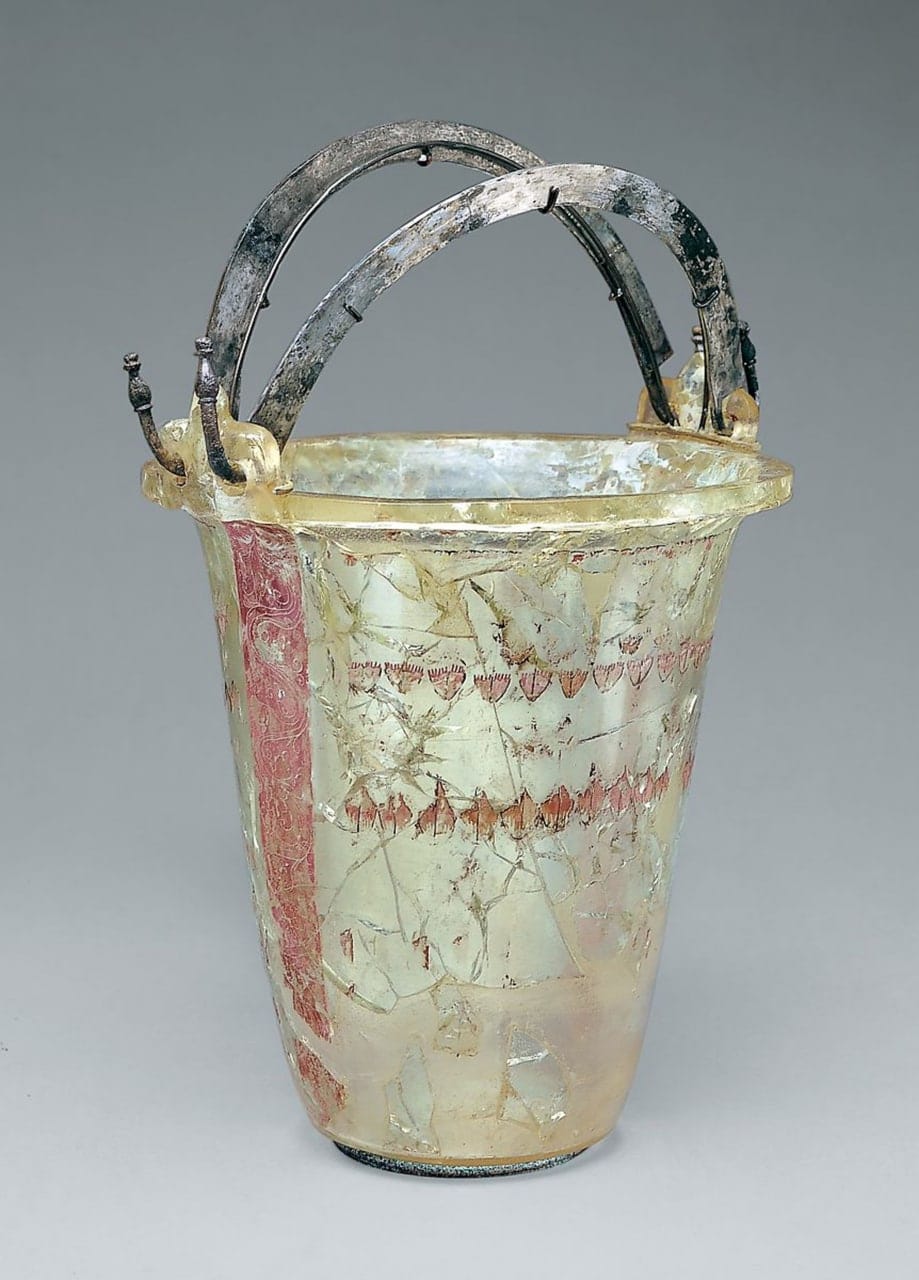
To consider oneself a continuator of antique culture, one need not know Pindar and Archilochus by heart. In principle, one may simply carouse from morning till night, reclining on a couch amid handsome youths, beauties and the strains of a pipe, provided one is sipping wine chilled in an elegant
NB! · Archaeology · Geography · Nature
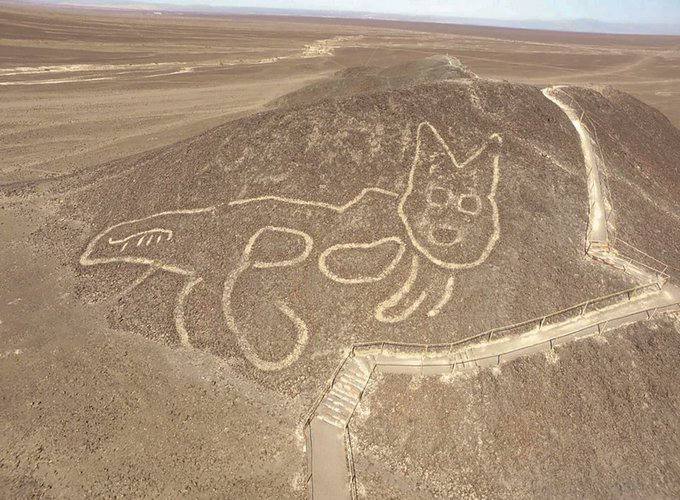
This kitty from Peru is 2,000 years old. The giant geoglyph was discovered a few years ago on the famous Nazca plateau, where there are dozens of figures of people, birds, mammals and other objects and shapes
NB! · Archaeology · The East · Art · Heritage · Humour
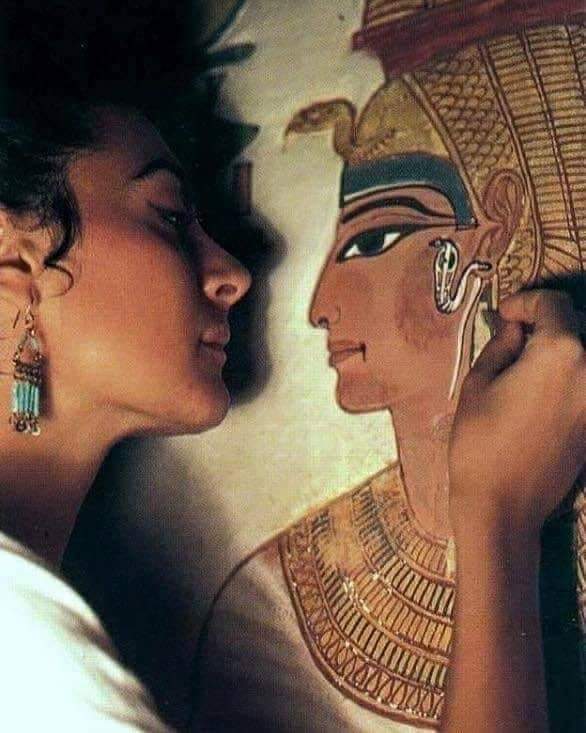
The Italian Lorenza D'Alessandro, art historian and curator, during the restoration of the tomb of Nefertari, Queen of Egypt, in Luxor. So reincarnation does exist after all?
Archaeology · Faith · The East · Museums · Humour
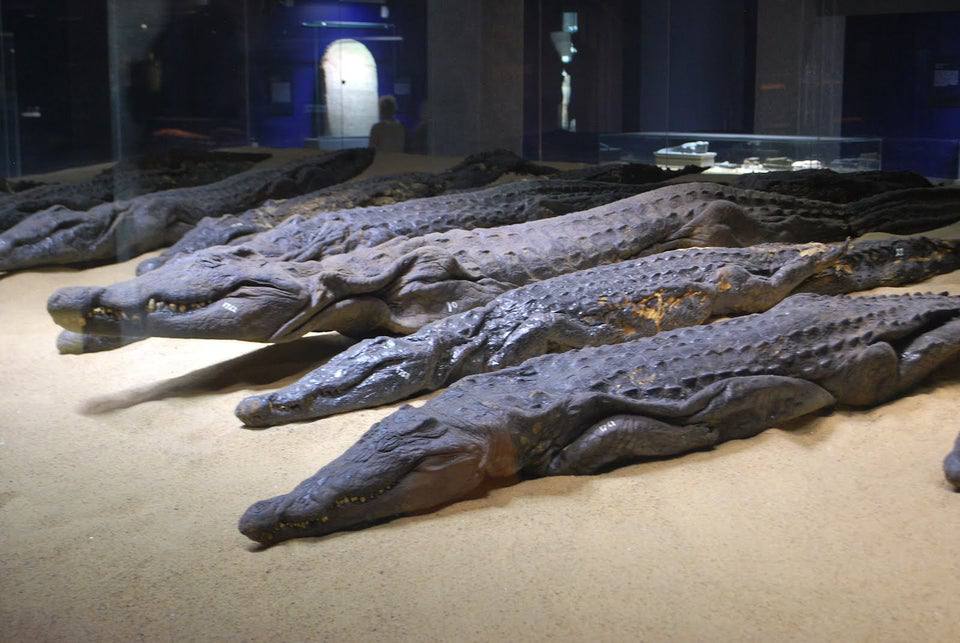
Beauty and spa treatments may turn you into a goddess, but there is no guarantee that it will not be the deity Sobek, who appears in the guise of a crocodile. The proof: specimens from among the three hundred crocodile mummies discovered in the vicinity of the temple of Kom
Archaeology · Mores · Rome
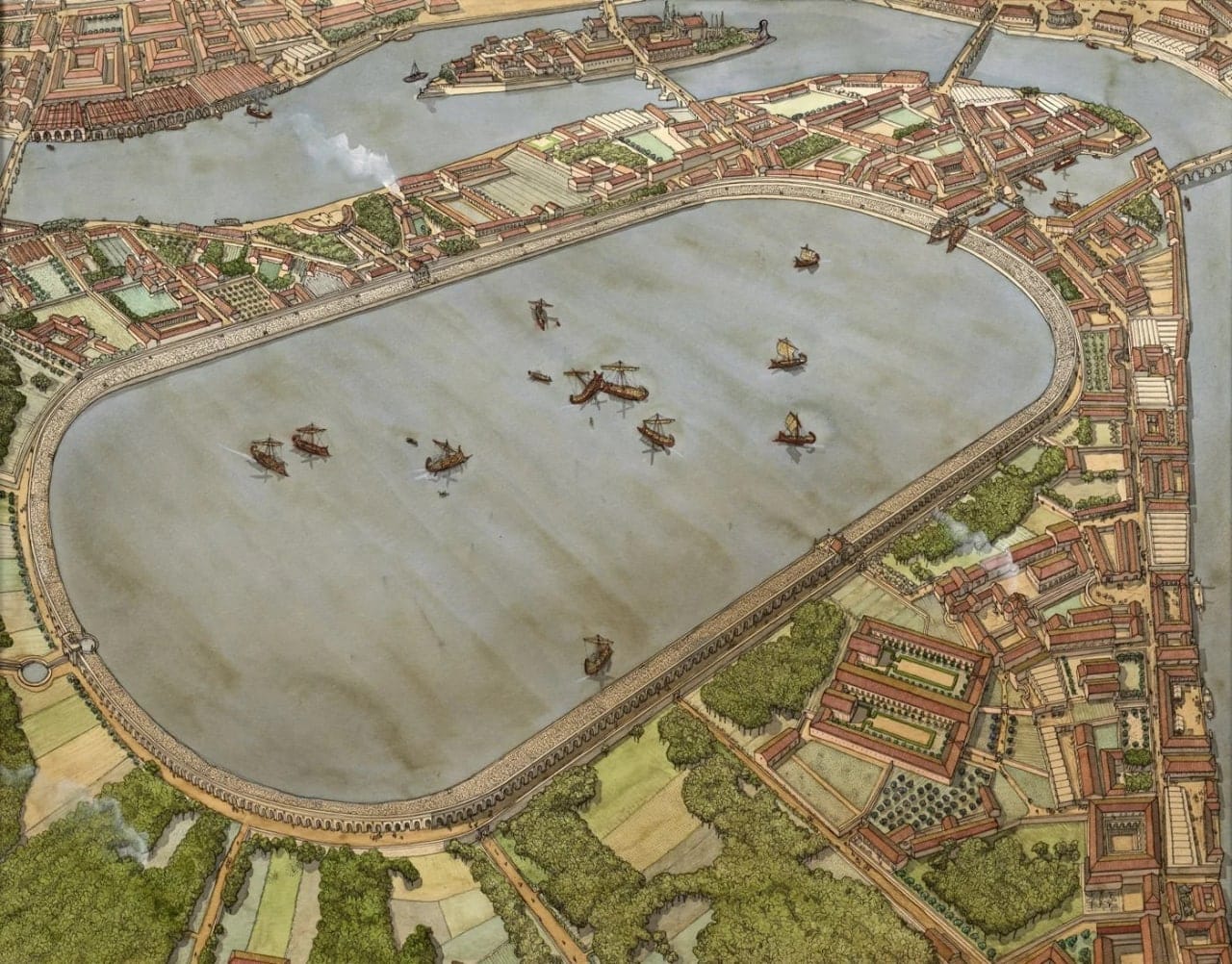
Can you picture a stadium in the middle of a city, filled with water and twelve times the size of Luzhniki? The ancient Romans could, and they passed their time at such a stadium very agreeably indeed. Naumachia, from the ancient Greek for "naval battle", was a specially
NB! · Archaeology · Monarchies · Society
Archaeology · Art · Museums · New York
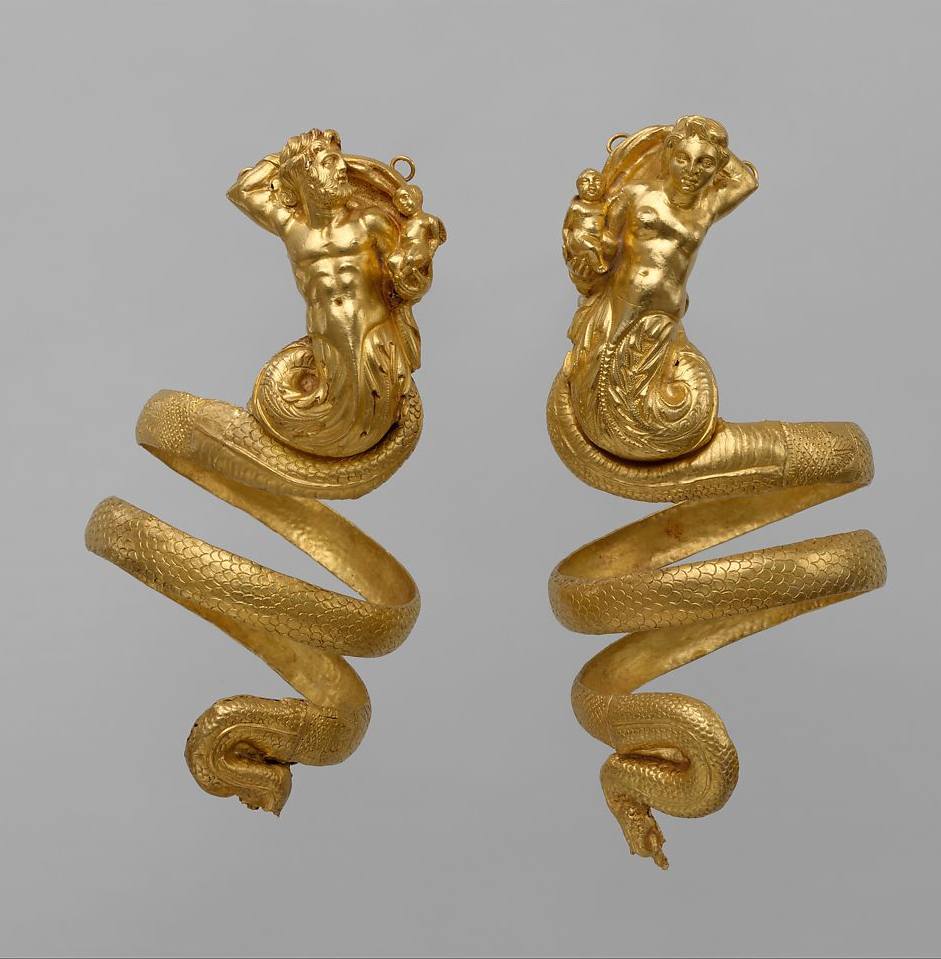
Gold Hellenistic armlets of the 2nd century BC from the collection of the Metropolitan Museum of Art. The armlets represent a male and a female figure, a triton and a tritoness, each holding a small winged Eros in their hands. Behind the heads of the tritons are hoops, through which