Friday, 2 October 2026 · Almaty
Section · 664 stories

Archaeology

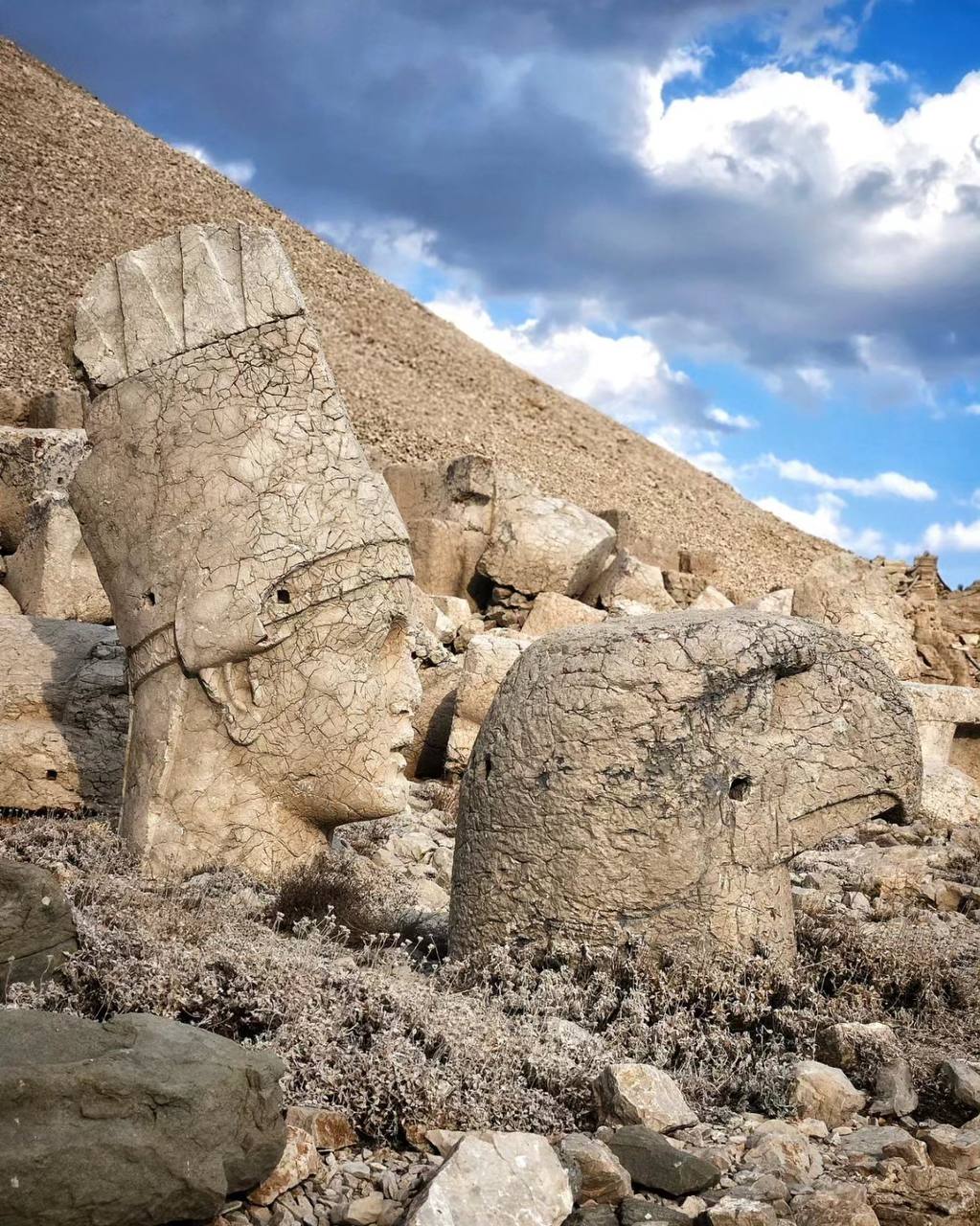
Mount Nemrut in south-eastern Turkey is famous for the tomb of Antiochus I, who lived from 69 to 34 BC and ruled Commagene, an ancient Armenian kingdom of the Hellenistic period in Asia Minor

Archaeology · Faith · The East · Monarchies

Mount Nemrut in south-eastern Turkey is famous for the tomb of Antiochus I, who lived from 69 to 34 BC and ruled Commagene, an ancient Armenian kingdom of the Hellenistic period in Asia Minor

Mount Nemrut in south-eastern Turkey is famous for the tomb of Antiochus I, who lived from 69 to 34 BC and ruled Commagene, an ancient Armenian kingdom of the Hellenistic period in Asia Minor. The history of the Commagenian kingdom unfolded at the meeting point of Persian and Greek

By Alexandr Radayev
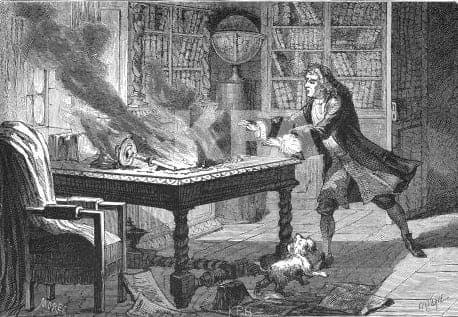
Newton's alchemical laboratory in his Cambridge years stood in the garden of Trinity College, between the chapel and the college gate; its exact location is unknown, but the approximate site was established by excavations, in which were found…

Archaeology · Archive · Science · Education · People

Newton's alchemical laboratory in his Cambridge years stood in the garden of Trinity College, between the chapel and the college gate; its exact location is unknown, but the approximate site was established by excavations, in which were found…

Newton's alchemical laboratory in his Cambridge years stood in the garden of Trinity College, between the chapel and the college gate. Its exact location is unknown, but the approximate site was established by excavations, in which waste from chemical experiments was found. It is known that Newton devoted

By Alexandr Radayev
The chief exhibit, perhaps, of the Istanbul Archaeology Museum, the so-called Alexander Sarcophagus, like much in Turkey, does not correspond to its name in the least

Archaeology · The East · Museums

The chief exhibit, perhaps, of the Istanbul Archaeology Museum, the so-called Alexander Sarcophagus, like much in Turkey, does not correspond to its name in the least

The chief exhibit, perhaps, of the Istanbul Archaeology Museum, the so-called Alexander Sarcophagus, like much in Turkey, does not correspond to its name in the least. In truth, it is connected with Alexander only by a coincidence of dating and by the fact that the king appears in one

By Alexandr Radayev