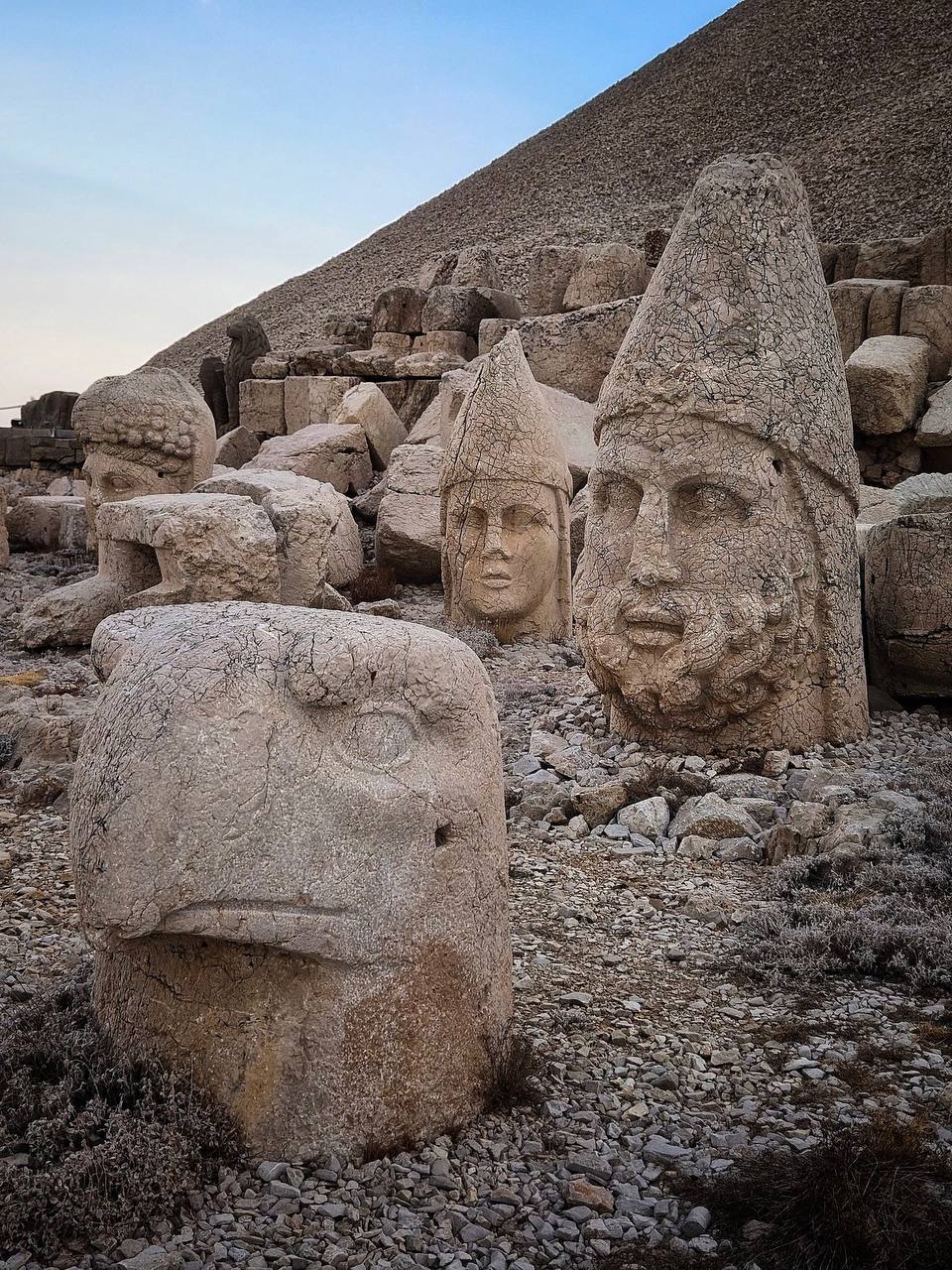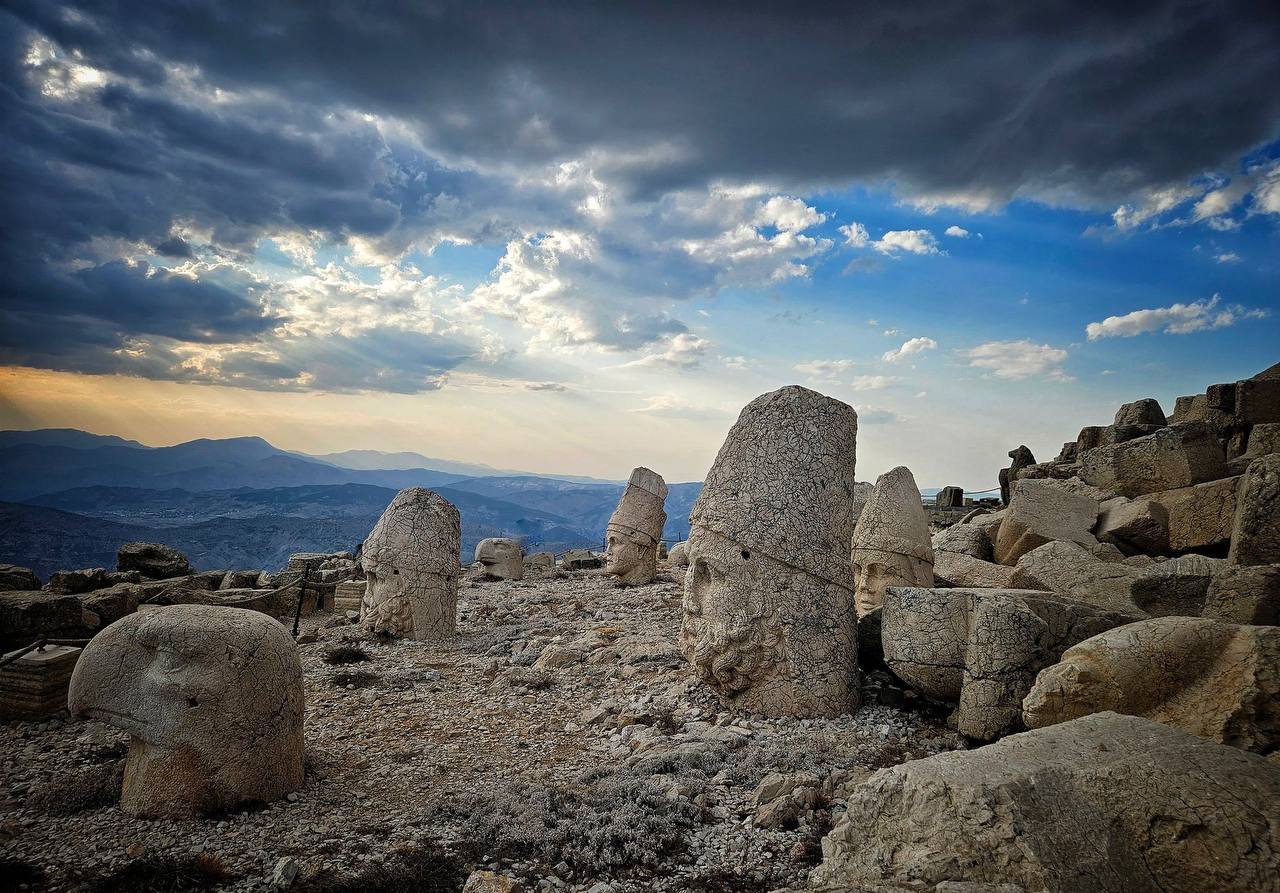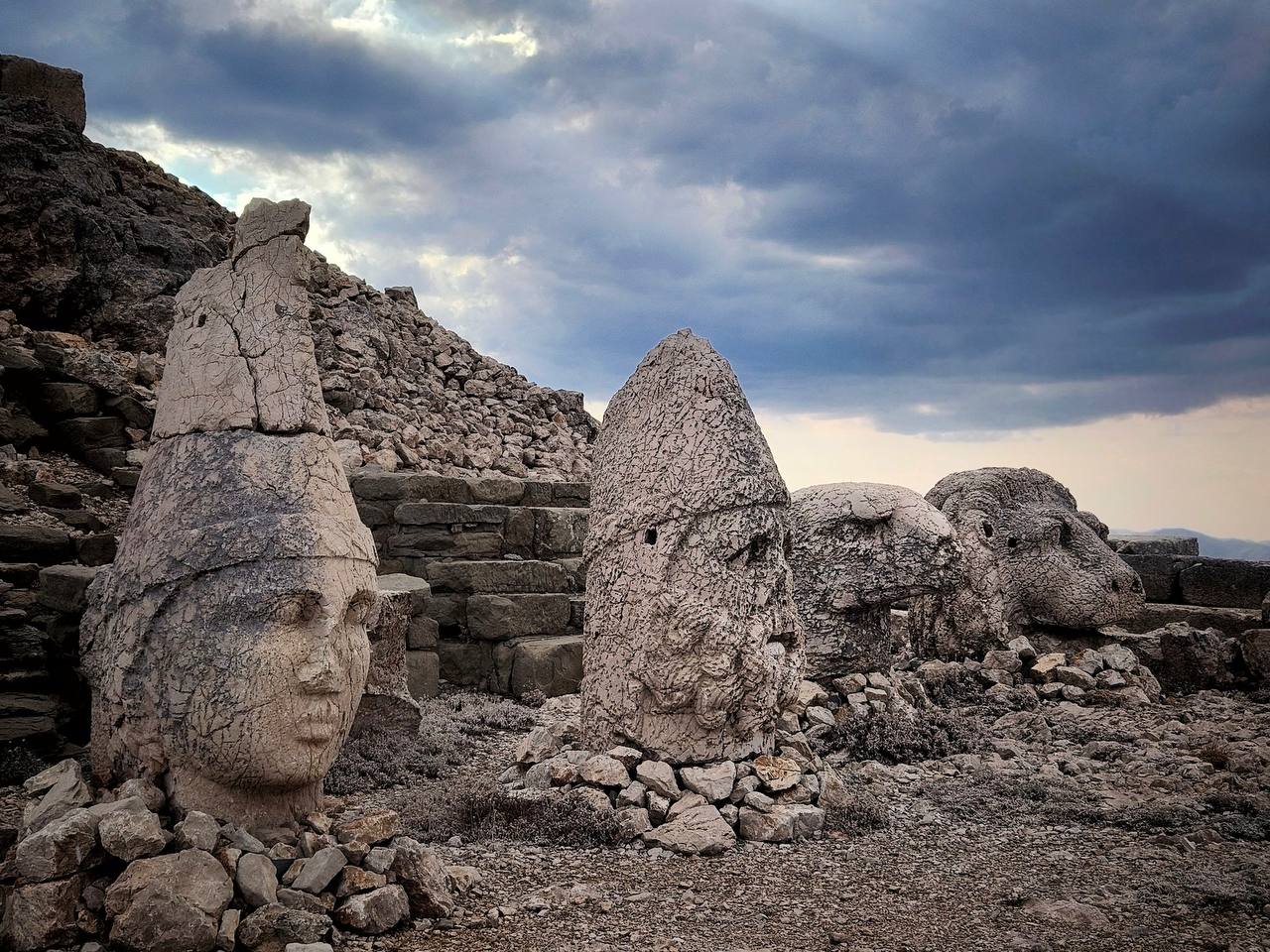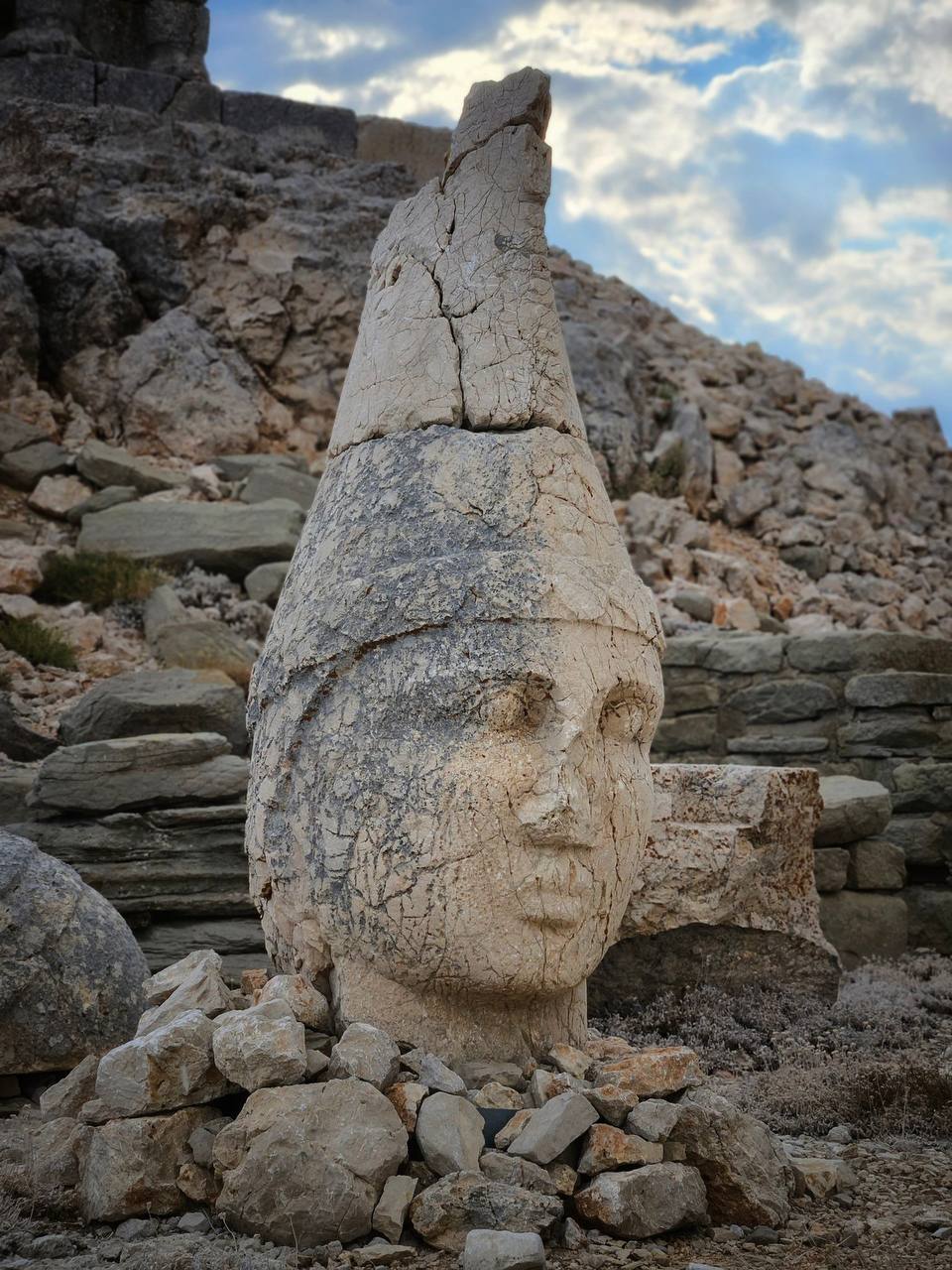
Mount Nemrut in south-eastern Turkey is famous for the tomb of Antiochus I, who lived from 69 to 34 BC and ruled Commagene, an ancient Armenian kingdom of the Hellenistic period in Asia Minor
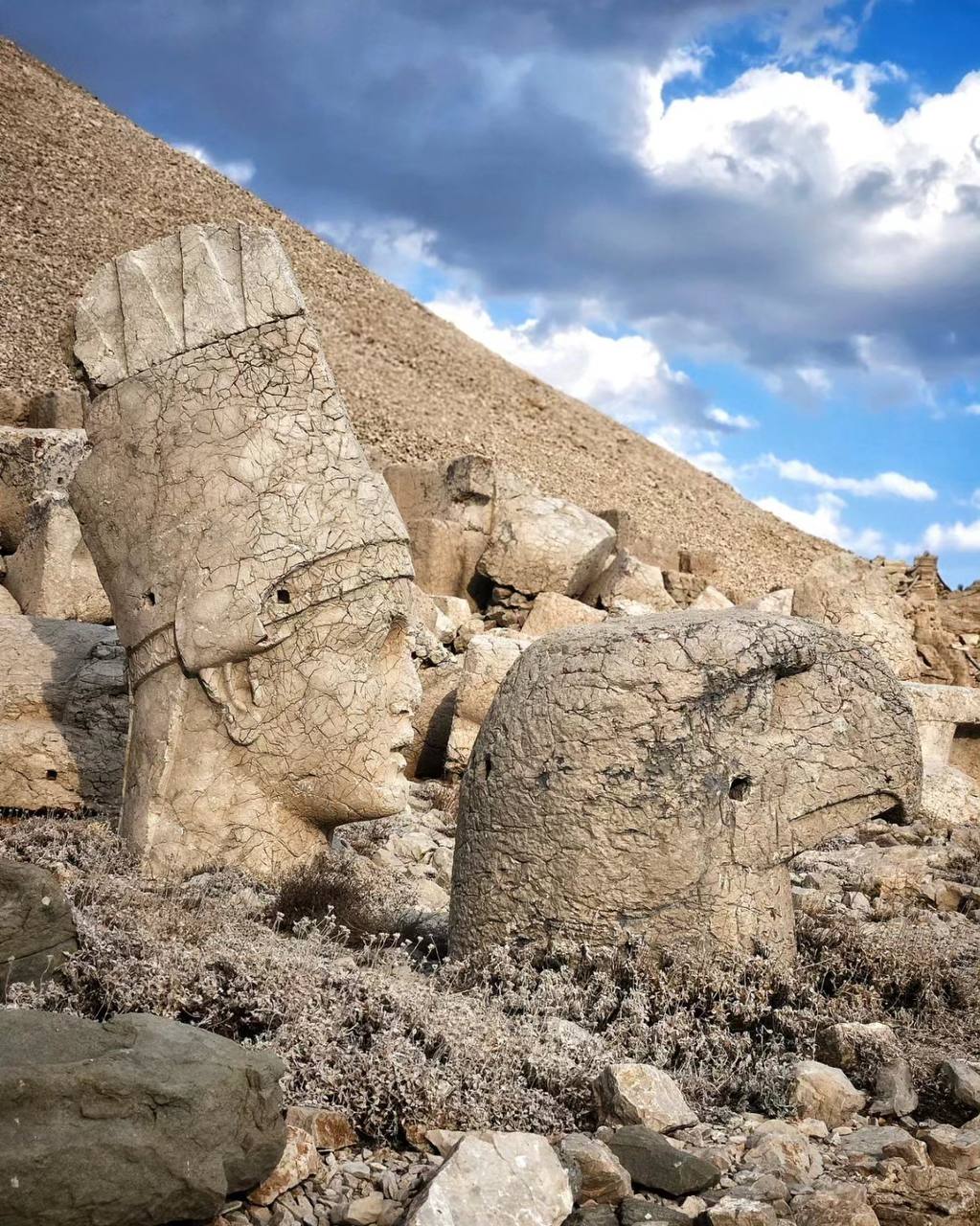
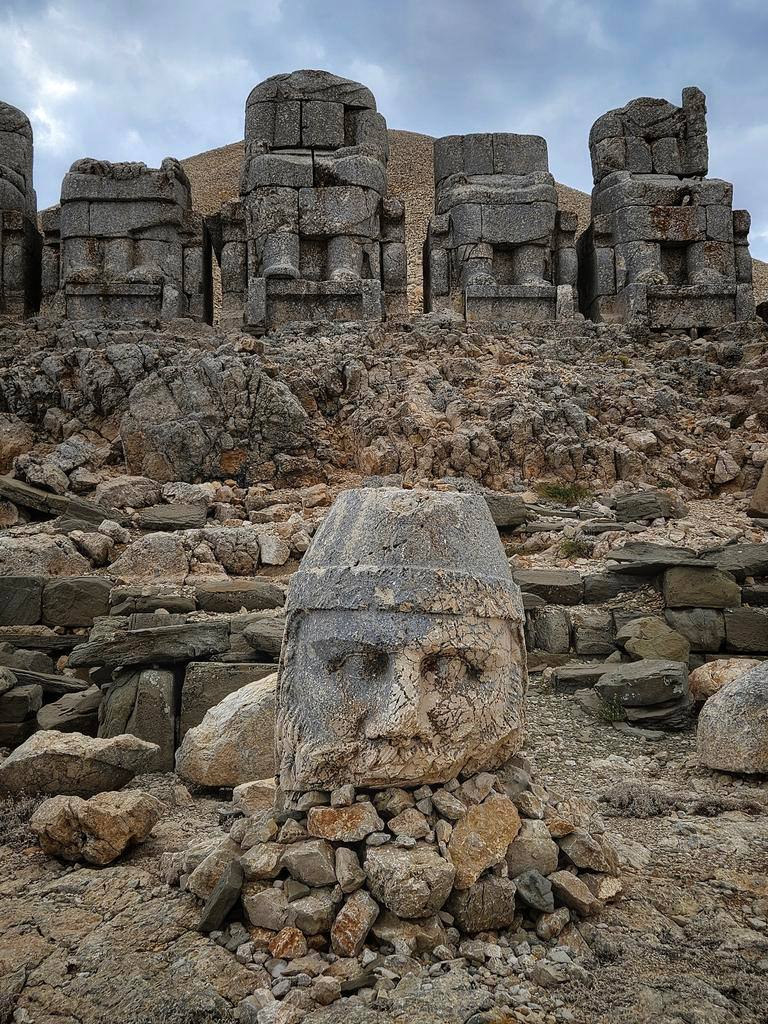
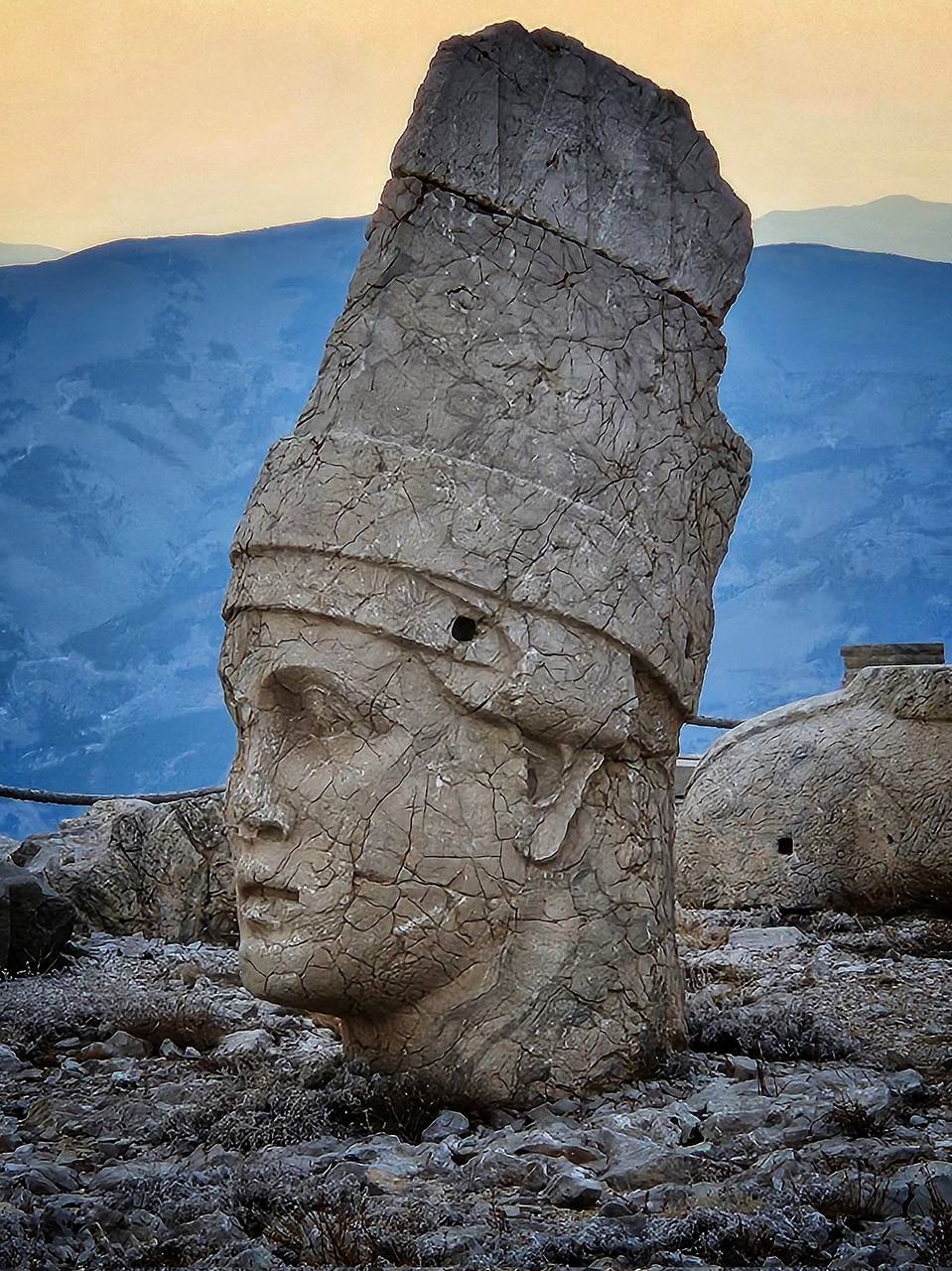
Mount Nemrut in south-eastern Turkey is famous for the tomb of Antiochus I, who lived from 69 to 34 BC and ruled Commagene, an ancient Armenian kingdom of the Hellenistic period in Asia Minor. The history of the Commagenian kingdom unfolded at the meeting point of Persian and Greek cultures. The pantheon of deities guarding the royal tomb illustrates this vividly: enormous statues, up to seven metres high, of Apollo, Mithras, Helios, Hermes, Ahura Mazda, Zeus, Heracles, Ares, Artagnes and Antiochus himself.
Antiochus I is remembered as an eccentric king, convinced that through his father he descended from the great king Darius, and through his mother from Alexander the Great himself. He took the wrong side in the Roman civil war, was obliged to buy off Mark Antony, and was in the end killed by the Parthians.
The gods whom Antiochus worshipped were a syncretic blend of Greek and Iranian beliefs, such as Heracles-Artagnes-Ares, Zeus-Ahura Mazda and Apollo-Mithras-Helios-Hermes. Antiochus ordered his tomb to be built in a high and holy place, far from men and close to the gods, among whom he numbered himself even in his lifetime. Antiochus dreamed of his body being preserved for ever and of his spirit dwelling in the empyrean with Zeus.
The conical mound of stones of various sizes, including huge blocks of rock, has still not been explored inside, and the entrance to the supposed tomb has never been found. It is not even clear whether the corpse of Antiochus ever found its way into the vast artificial tumulus that he created for his remains.