The Greatest Robbery of All Time
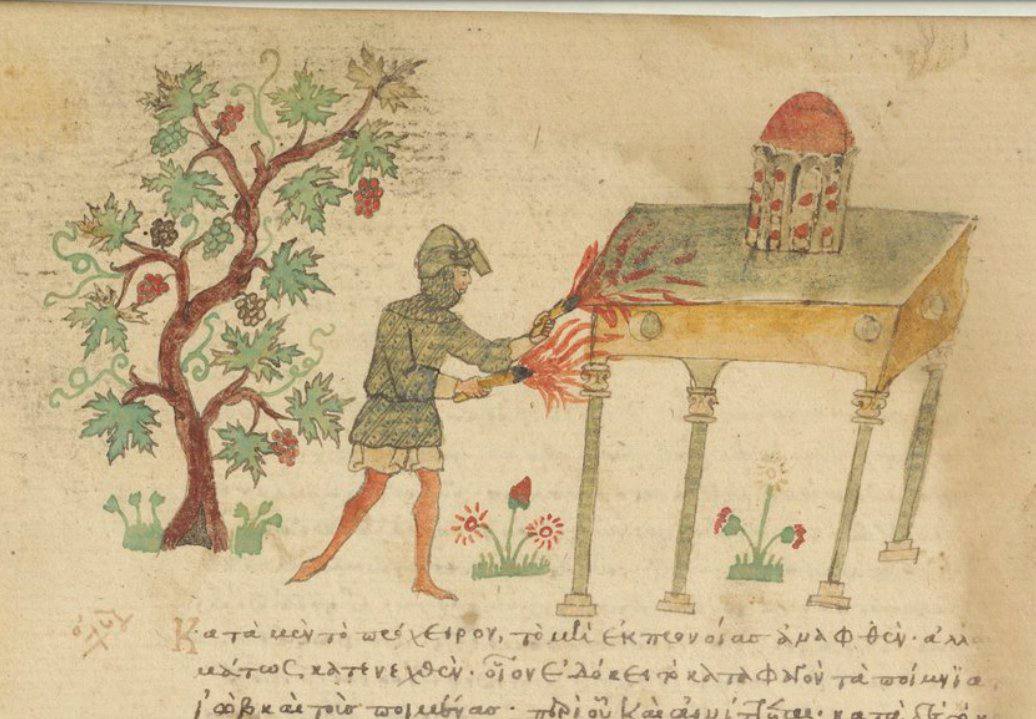
So wrote the German Benedictine chronicler Otto of St Blasien of the sack of Constantinople by the Latins in 1204.
He describes how the sack of Constantinople sent enormous Greek riches, above all the sacred treasures of the Cathedral of Saint Sophia and countless relics of the saints, flowing into Western Europe, chiefly to Venice and to certain parts of Germany and Alsace.
The author interprets these events from a theological standpoint. The sack is presented as God's just punishment of the Greeks for the crimes they had committed against pilgrims.
The removal of the relics is justified by providence. The author points out that God allowed Christians rather than pagans to seize these holy things, so that the sacred objects might be preserved from defilement and be duly venerated and honoured in Christian lands.
Thus the riches of Greece were carried off to many western lands, especially the adornments of that temple which the Emperor Justinian had built some time before in honour of Saint Sophia, renowned for its vast quantity of gold, as well as the relics of countless saints, in which that city surpassed the whole of the East. A large part of this treasure was carried off to Venice, and other regions and cities were greatly enriched by these relics and treasures. Moreover, a certain Cistercian abbot named Martin, from the monastery of Pairis in Alsace, went on this expedition, took part in the storming of Constantinople, and then brought home a very large portion of the Life-Giving Cross and other relics of Our Lord, as well as many relics of the saints, adorned with gold, silver and precious stones. By this he greatly benefited the whole of Germany, Alsace included.