
Thursday, 1 October 2026 · Almaty
Section · 625 stories

Nature

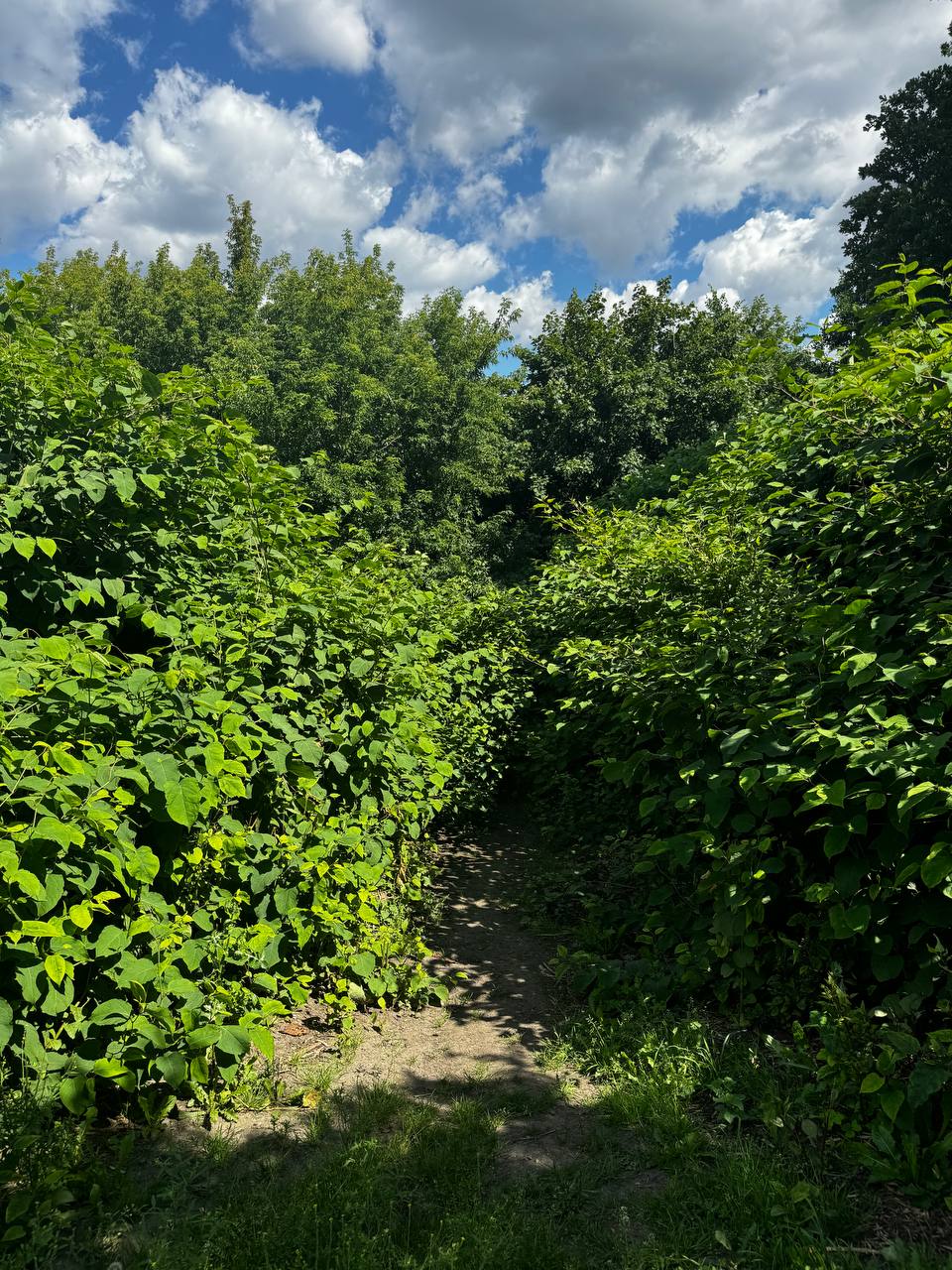
You know, when they started digging up all of Kolomenskoye in 2024 under the reserve's "improvement" programme, I made a private wager: would they, I wondered, tackle the matters that genuinely call for intervention?

Moscow · Observations · Heritage · Society · Nature

You know, when they started digging up all of Kolomenskoye in 2024 under the reserve's "improvement" programme, I made a private wager: would they, I wondered, tackle the matters that genuinely call for intervention?

You know, when they started digging up all of Kolomenskoye in 2024 under the reserve's "improvement" programme, I made a private wager: would they, I wondered, tackle the matters that genuinely call for intervention? The destruction, for instance, of the thickets of an invasive species, Sakhalin

By Alexandr Radayev
The terms “invasive” and “non-native” carry fatal legal consequences for biological species

Archaeology · Science · Nature · Ethnography

The terms “invasive” and “non-native” carry fatal legal consequences for biological species

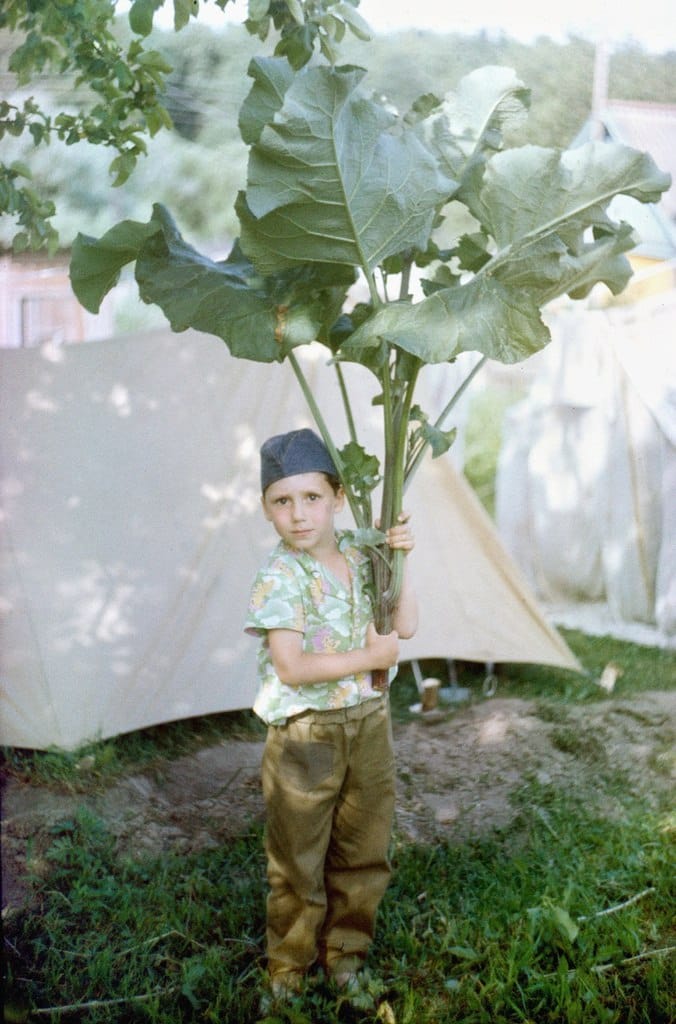
The terms “invasive” and “non-native” carry fatal legal consequences for biological species. These labels, in essence, open the way to measures up to and including the complete destruction of populations. In science this is called eradication. What mostly comes to mind are examples of the total eradication of species

By Alexandr Radayev
A team of researchers from Oxford, let us call the collective MacLeod and colleagues, has found traces of the plague bacillus about 5,500 years old in the DNA of the hunter-gatherers of the Baikal region

Archaeology · Science · Nature

A team of researchers from Oxford, let us call the collective MacLeod and colleagues, has found traces of the plague bacillus about 5,500 years old in the DNA of the hunter-gatherers of the Baikal region

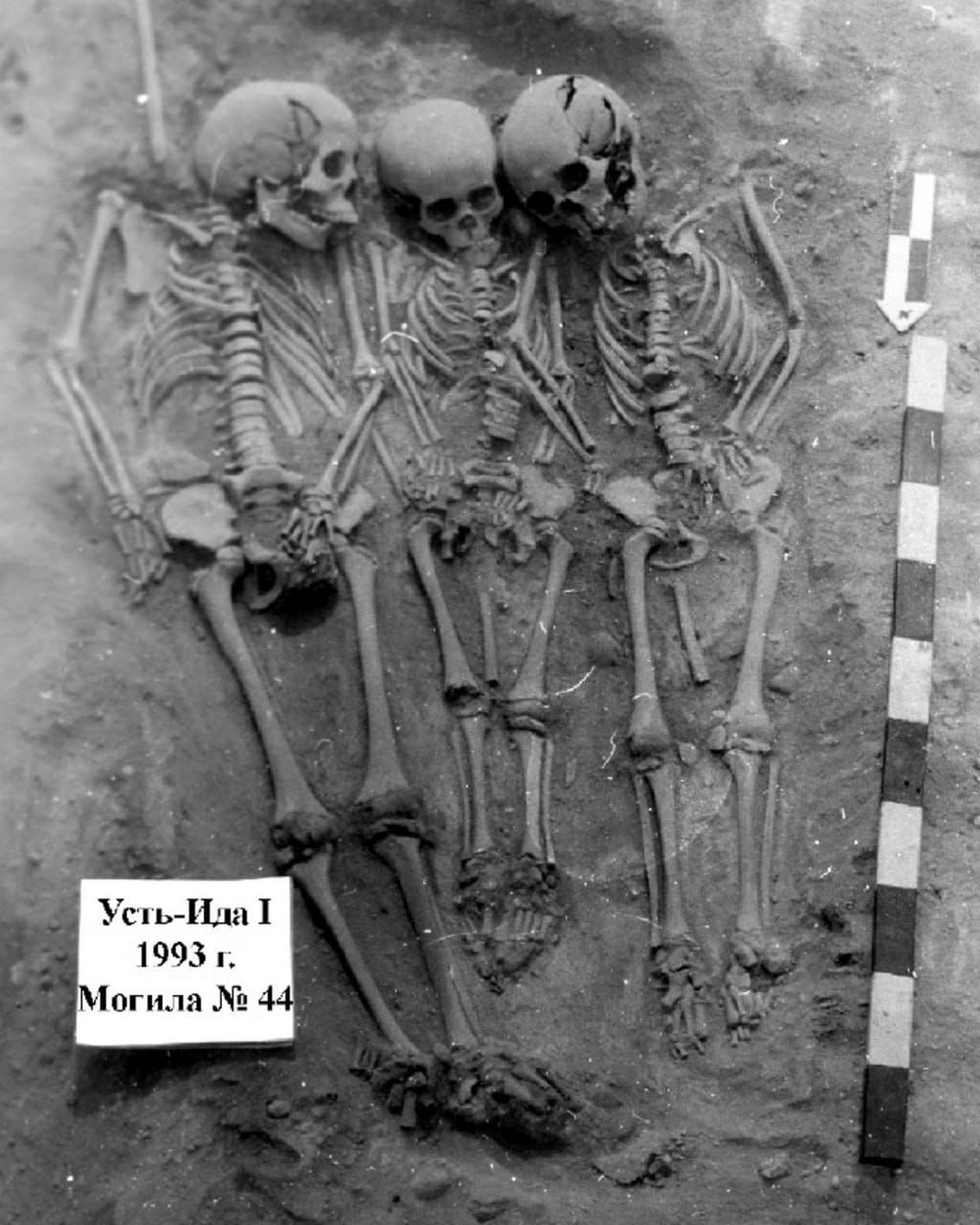
A team of researchers from Oxford, let us call the collective MacLeod and colleagues, has found traces of the plague bacillus about 5,500 years old in the DNA of the hunter-gatherers of the Baikal region. This is the earliest outbreak of plague recorded in archaeological material. The Plague

By Alexandr Radayev
Next time, before you kill a centipede at home, remember that its ancestors came ashore 80 million years before the vertebrates

Science · Palaeontology · Nature · Humour

Next time, before you kill a centipede at home, remember that its ancestors came ashore 80 million years before the vertebrates

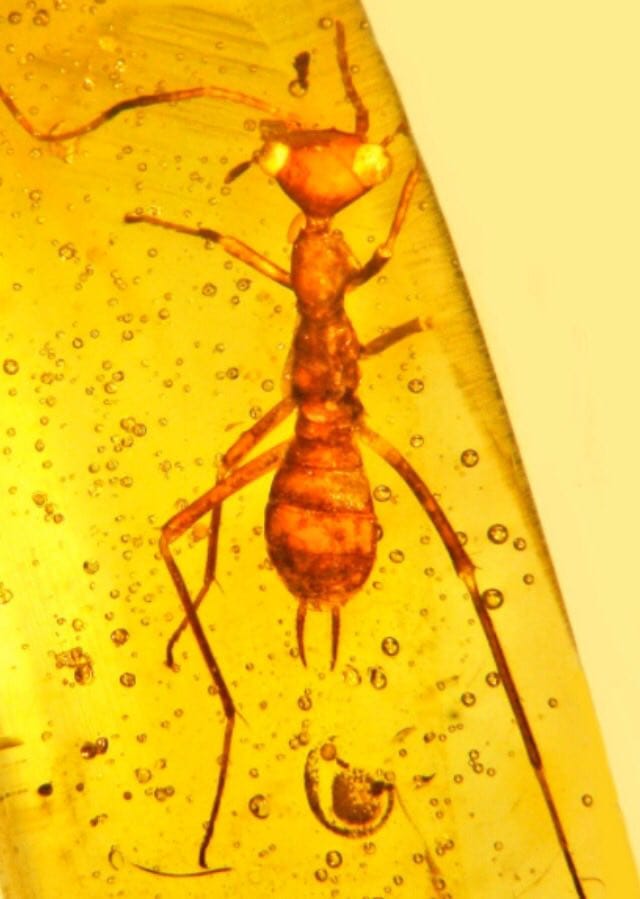
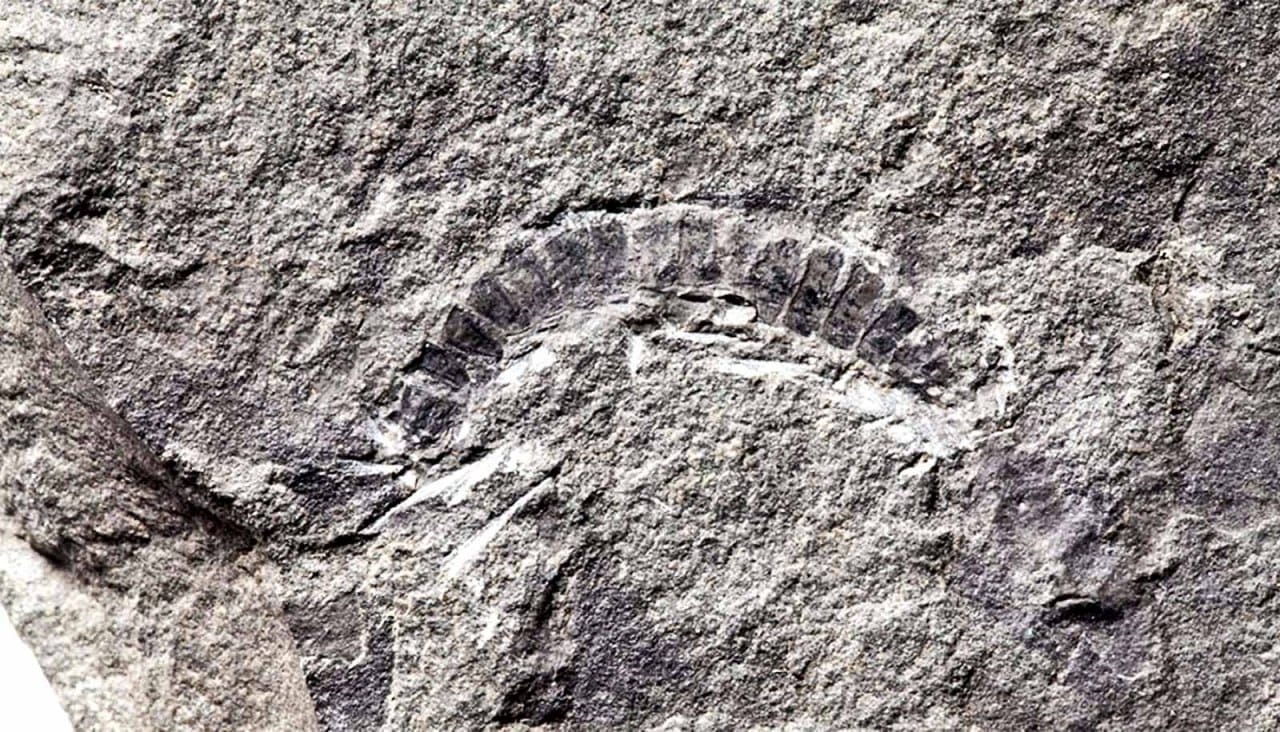
Next time, before you kill a centipede at home, remember that its ancestors came ashore 80 million years before the vertebrates. The first myriapods appeared some 460 million years ago. That is 35 million years earlier than the oldest known myriapod fossils. In the world onto which they crawled, or

By Alexandr Radayev
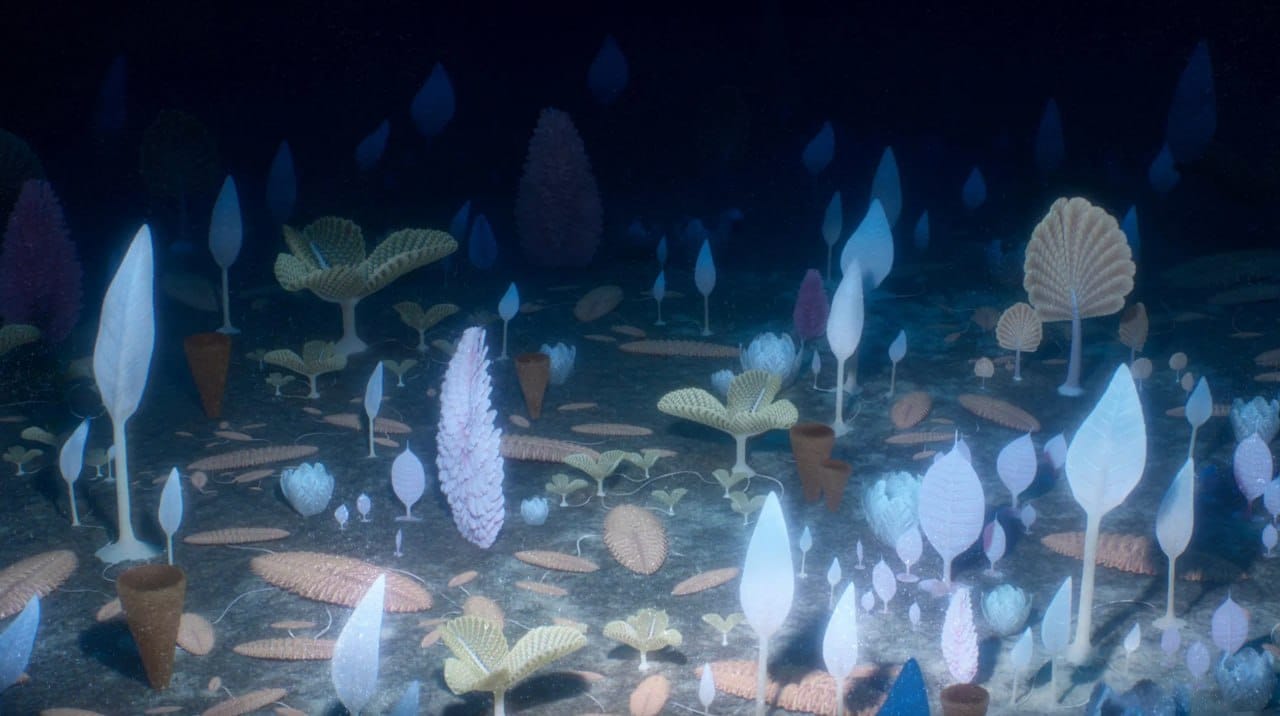
The first animals are thought to have appeared in the Ediacaran, some 635 to 539 million years ago, but then came millions of years of calm, until a sudden diversity burst forth

Science · Palaeontology · Nature

The first animals are thought to have appeared in the Ediacaran, some 635 to 539 million years ago, but then came millions of years of calm, until a sudden diversity burst forth

A study from Cambridge, published in Nature Ecology and Evolution, tries to answer the question of where this pause came from. The version runs as follows. Early animals reproduced asexually. They spread by stolons, runners, like the modern strawberry, producing copies of themselves. In the bountiful Ediacaran seas this worked

By Alexandr Radayev