Wednesday, 7 October 2026
Section · 1348 stories

Mores

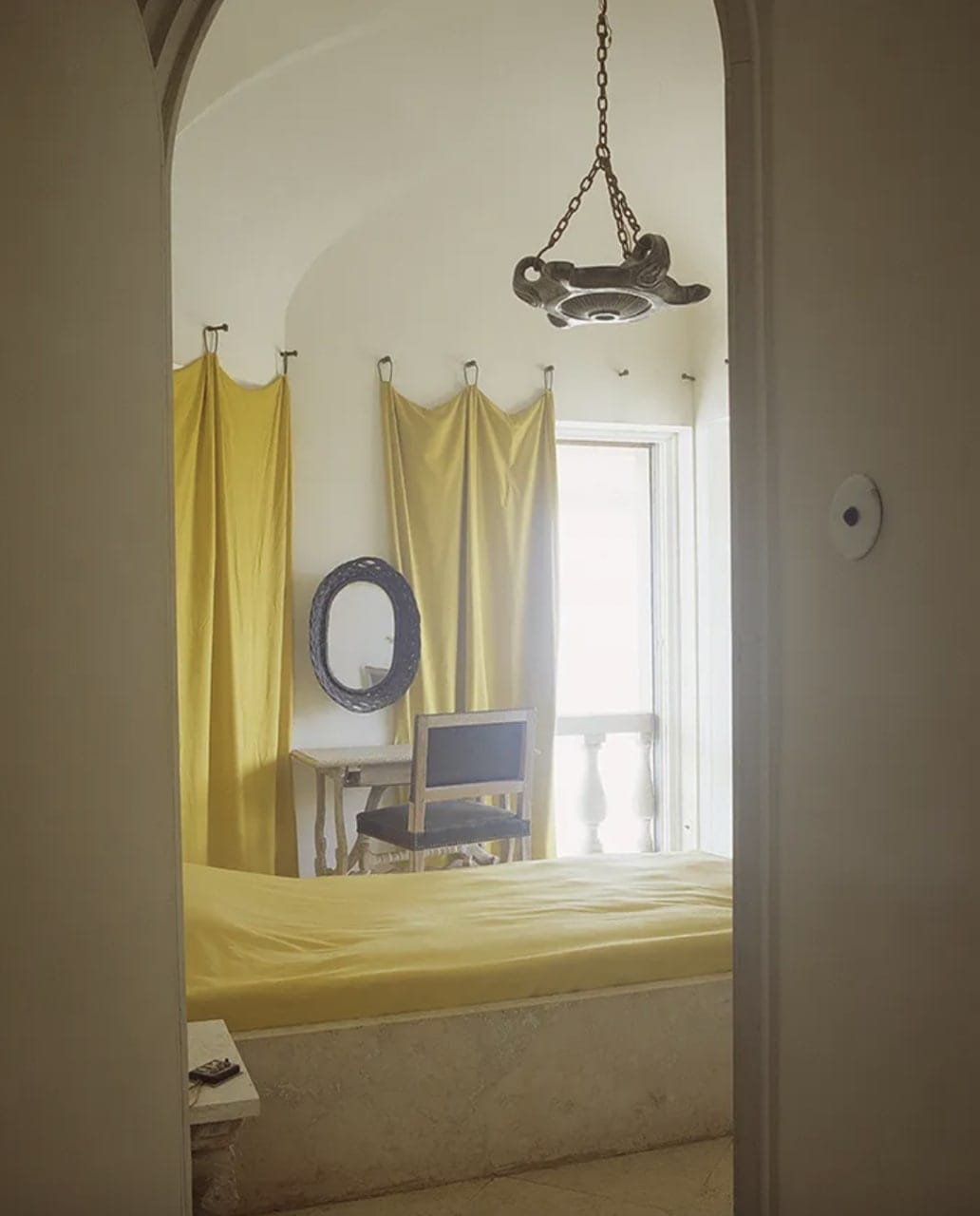
Built in the first half of the twentieth century not far from Rome, the Villa Volpi still stirs connoisseurs of architectural styles with its neo-Palladian atmosphere, created against the fashion of the day by the architect Tomaso Buzzi in the heyday of m

Aristocracy · Architecture · Mores · Rome

Built in the first half of the twentieth century not far from Rome, the Villa Volpi still stirs connoisseurs of architectural styles with its neo-Palladian atmosphere, created against the fashion of the day by the architect Tomaso Buzzi in the heyday of m

Built in the first half of the twentieth century not far from Rome, the Villa Volpi still stirs connoisseurs of architectural styles with its neo-Palladian atmosphere, created against the fashion of the day by the architect Tomaso Buzzi in the heyday of modernism on the shore of the Tyrrhenian
By Alexandr Radayev
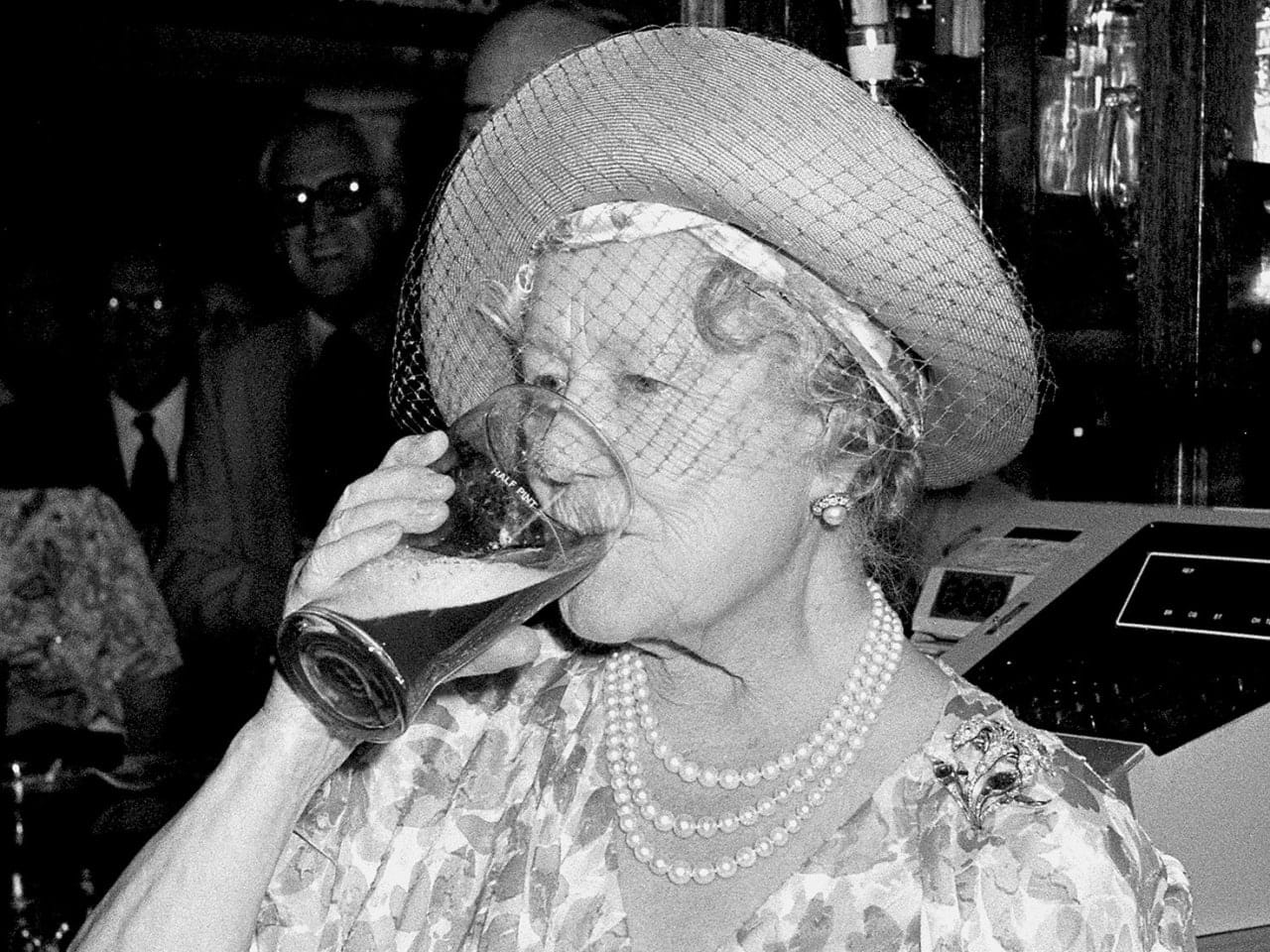
The legendary series of photographs in which the Queen Mother sips a beer became the source of the cover image for a new biography by the Northern Irish writer Gareth Russell, Do Let’s Have Another Drink: The Singular Wit and Double Measures of…

Books · Monarchies · Mores · People

The legendary series of photographs in which the Queen Mother sips a beer became the source of the cover image for a new biography by the Northern Irish writer Gareth Russell, Do Let’s Have Another Drink: The Singular Wit and Double Measures of…

The legendary series of photographs in which the Queen Mother sips a beer became the source of the cover image for a new biography by the Northern Irish writer Gareth Russell, Do Let’s Have Another Drink: The Singular Wit and Double Measures of Queen Elizabeth the Queen Mother. The

By Alexandr Radayev

Mores · Society · Ethnography

However, there is also the opposite version, which points to the very low pay of spinners in the early Middle Ages, on account of which this work was done precisely by unmarried women, that is, those less socially integrated and less…

However, there is also the opposite version, which points to the very low pay of spinners in the early Middle Ages, on account of which this work was done precisely by unmarried women, that is, those less socially integrated and less endowed with the privilege of contacts with guilds and

By Alexandr Radayev