NB! · Observations · Pop Culture · Humour
Well, well, what have we here?
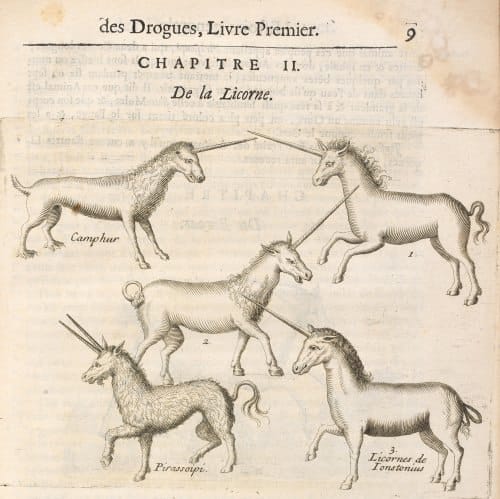
Well, well, what have we here? A catalogue of unicorns, I see. I trust you have at least a two-horned one in stock?

NB! · Observations · Pop Culture · Humour
Well, well, what have we here? A catalogue of unicorns, I see. I trust you have at least a two-horned one in stock?
Books · Observations · Mores · Humour
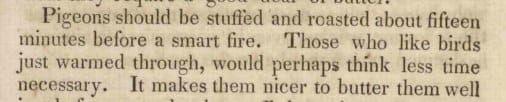
The nineteenth-century American abolitionist and writer Lydia Maria Child, in her book "The Mother's Book" of advice on thrifty housekeeping for those of modest means, gives a veeeery strange recipe for cooking a pigeon. The vegetables she bids one boil for an hour at the
Archive · Books · Moscow · Mores · People · Humour
At a meeting of the members of the writers' housing cooperative, engaged in building a five-storey residential House of Soviet Writers and adding storeys to two neighbouring houses in Nashchokin Lane and a house in Kamergersky Lane (Proyezd MKhAT), Mikhail Bulgakov expressed surprise that a certain Comrade B-
Observations · Mores · Humour
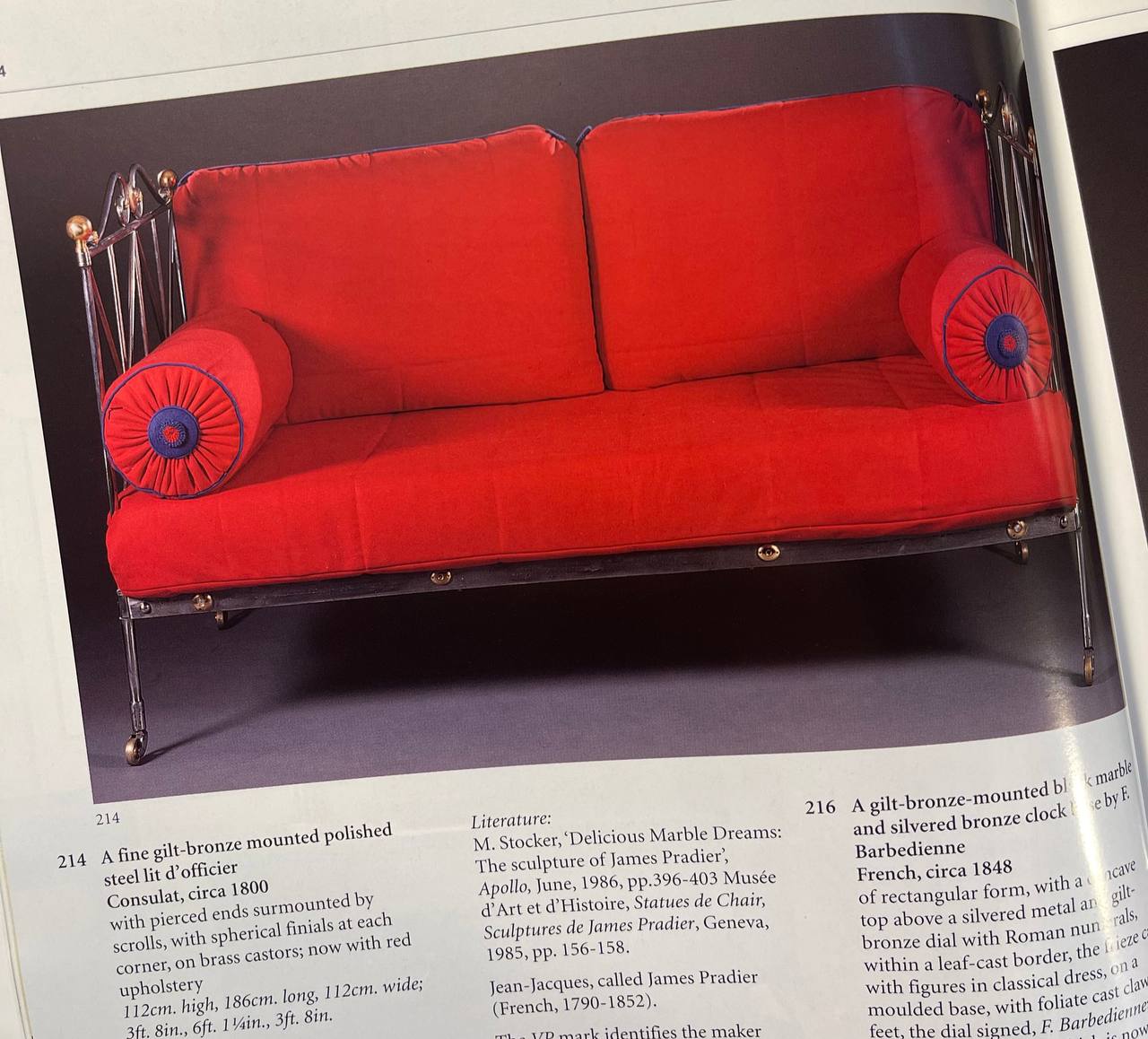
I know that everyone but me got rid of their antique metal beds long ago, and more's the pity. Here is an excellent couch, both for the interior and for comfort: a steel officer's bed of the 1800s. One need only add a handsome cover for
Art · Museums · Mores · Humour
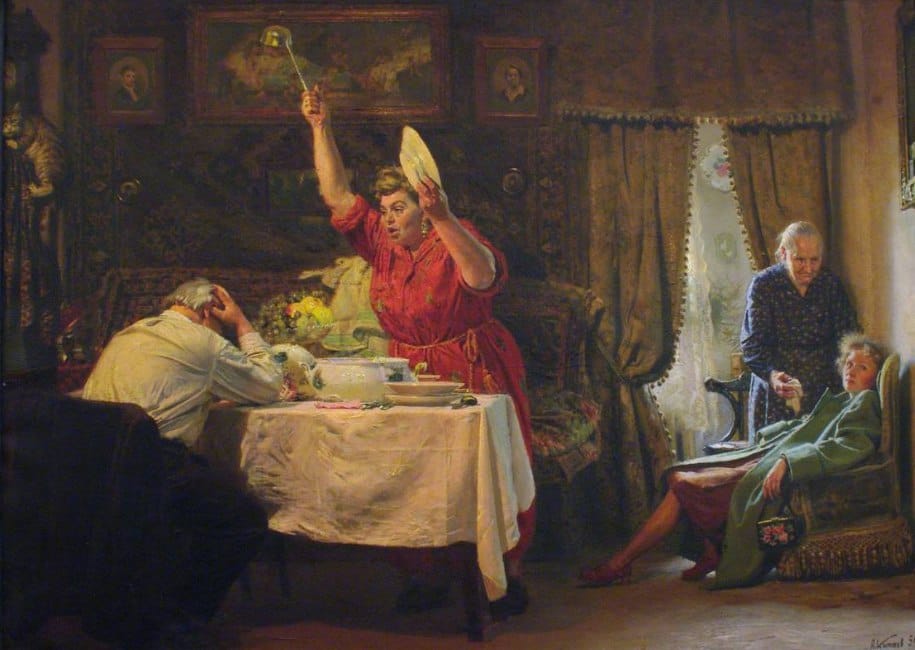
That is what the painting is actually called. The artist is Akhmet Kitayev, and it belongs to the collection of the Simferopol Art Museum. The canvas dates from 1954, yet the mise-en-scène is thoroughly modern. The family scene, familiar to everyone, recalls Squid Game more than anything else:
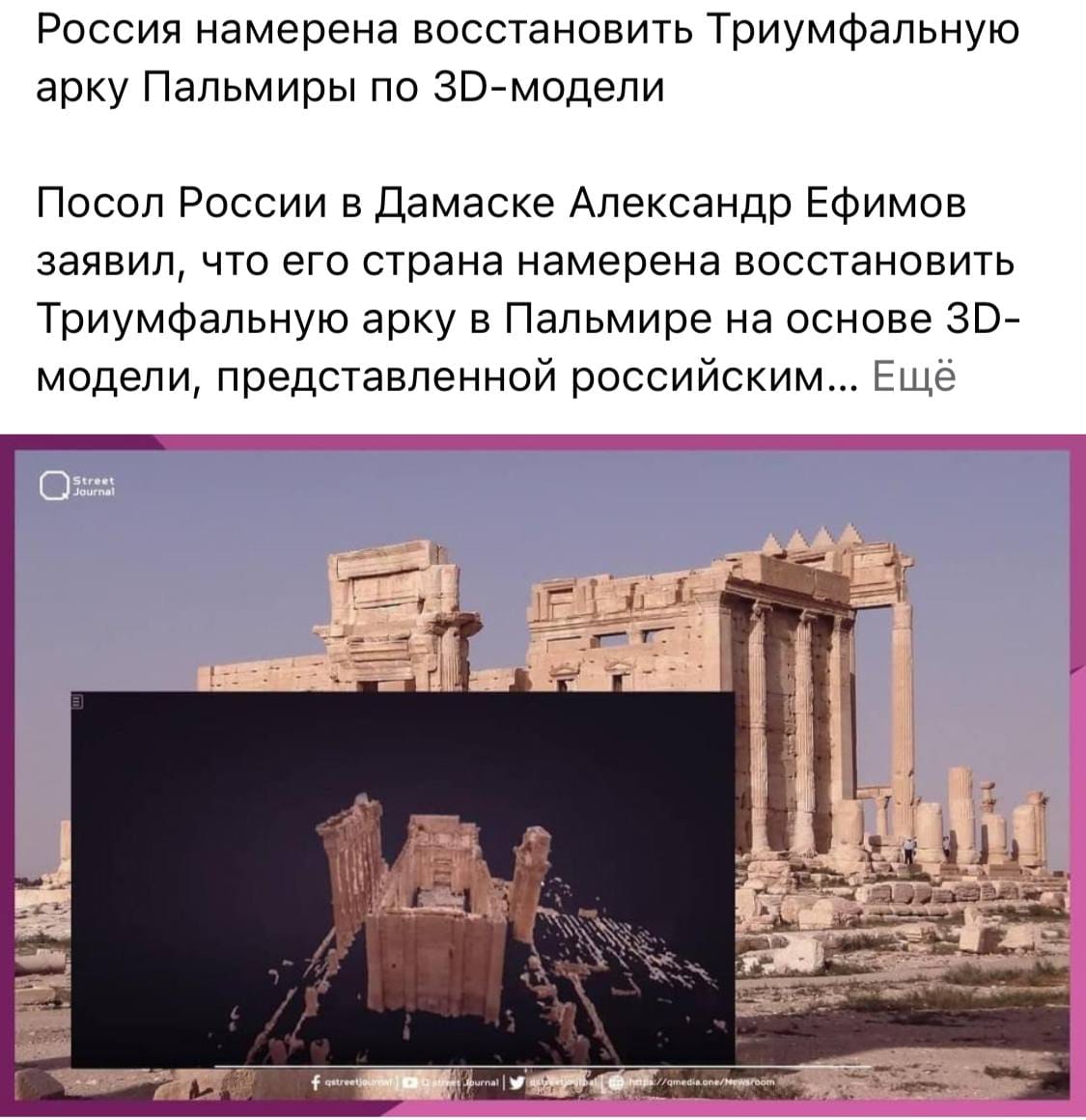
NB! · Observations · Heritage · Humour
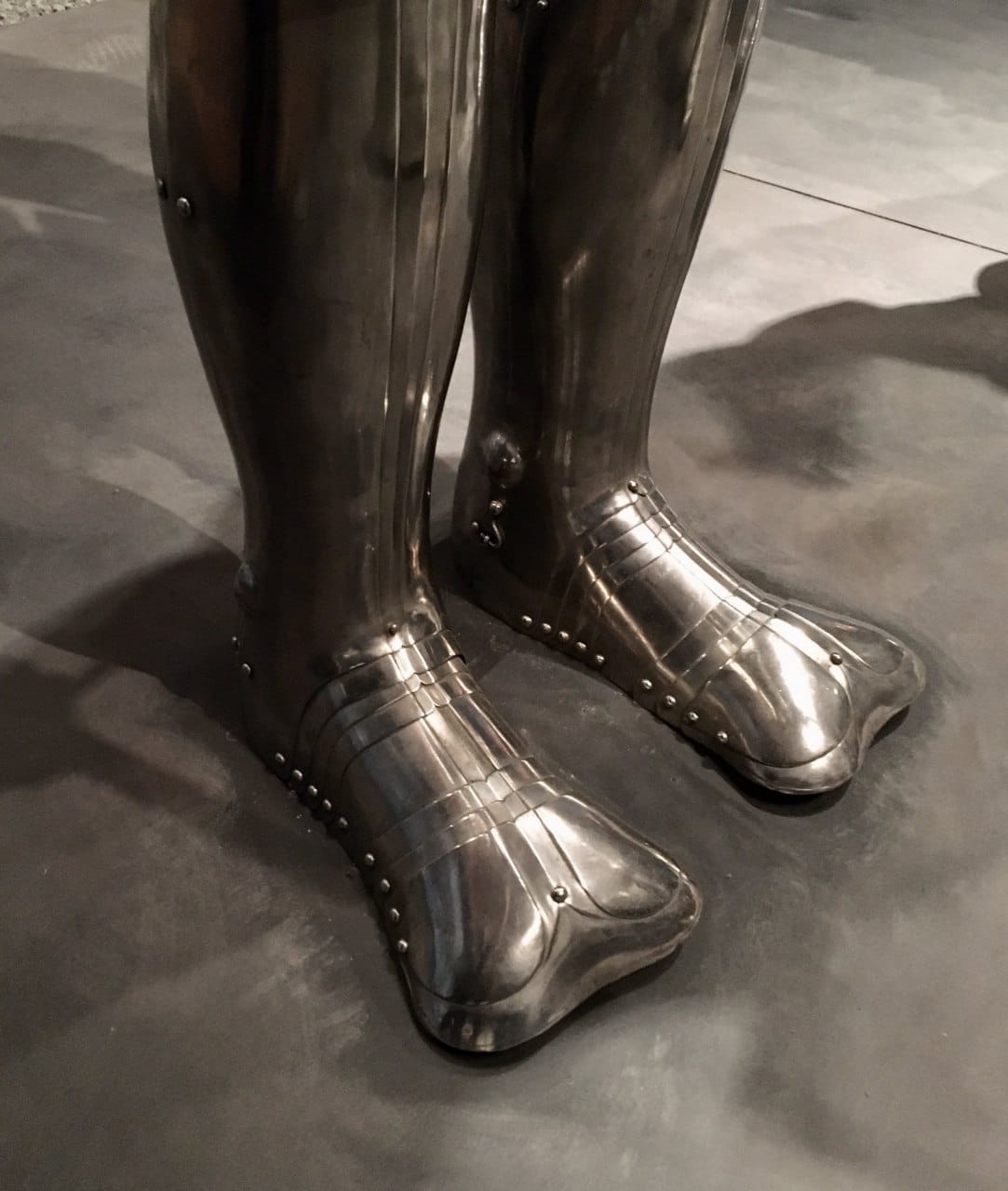
NB! · Art · Pop Culture · Humour
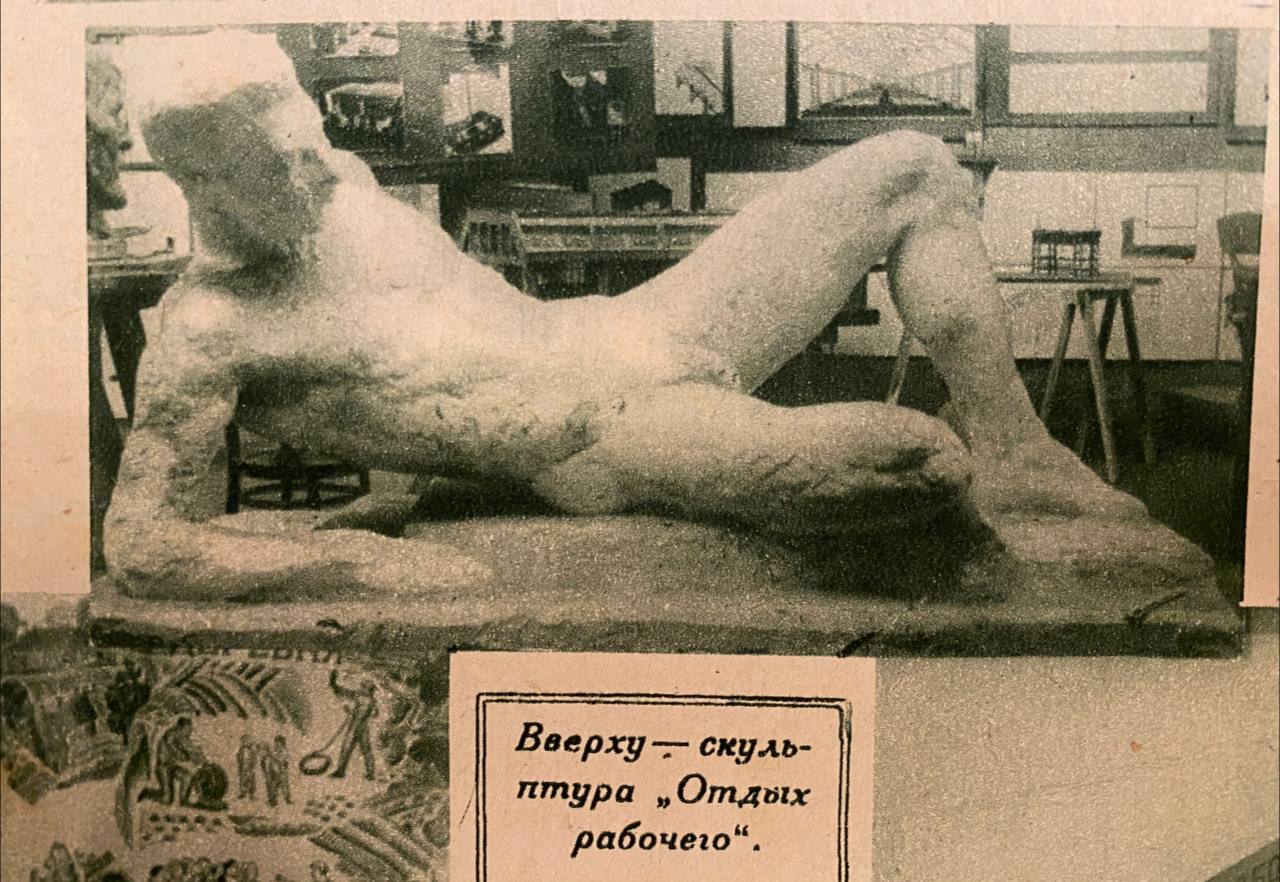
Archive · Art · Education · Humour
"Sir, are you all right?" "Can't you see? I'm resting." Work by a VKhUTEIN student, 1924
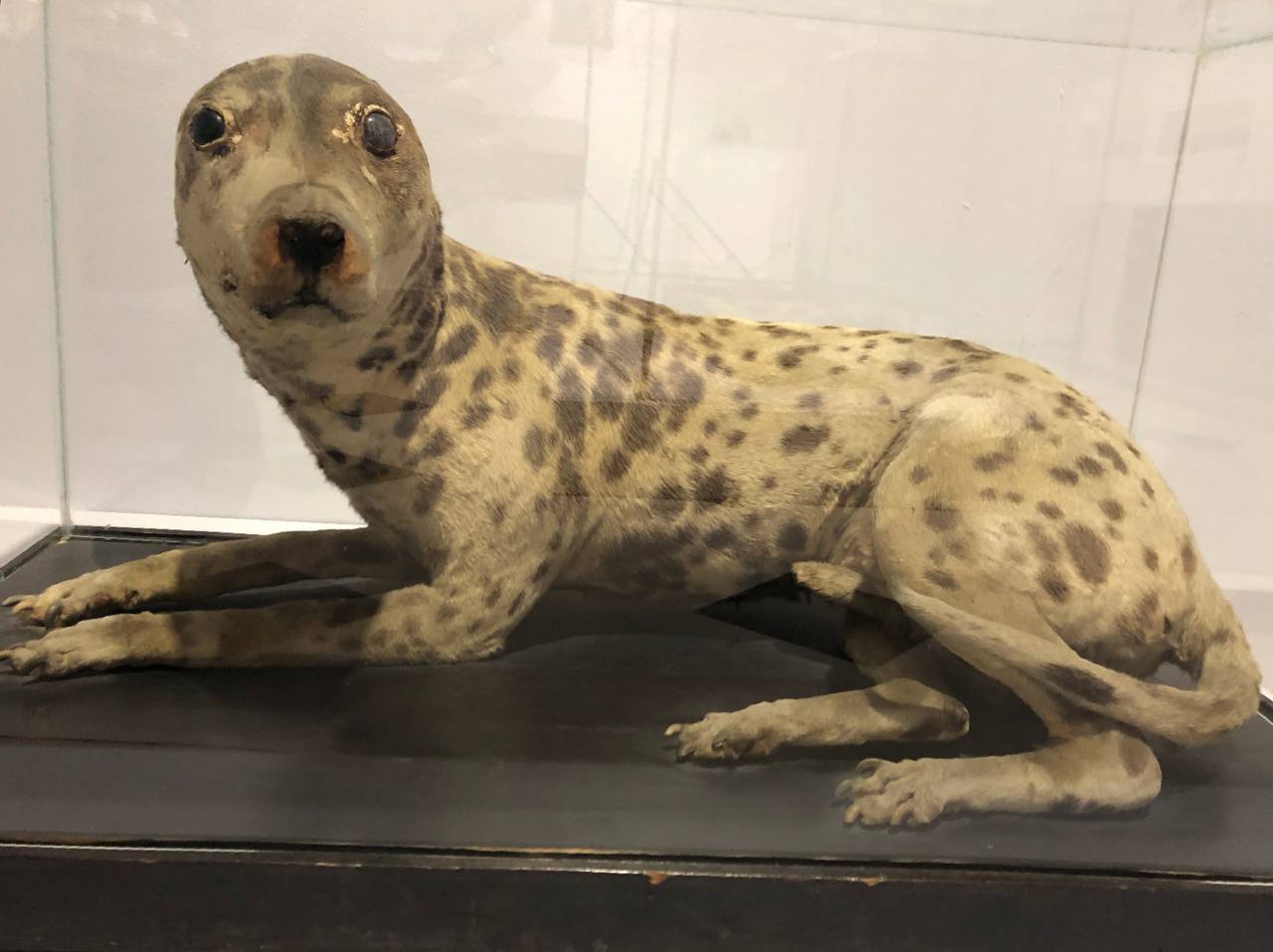
NB! · Museums · Nature · Humour

NB! · Observations · Mores · Humour
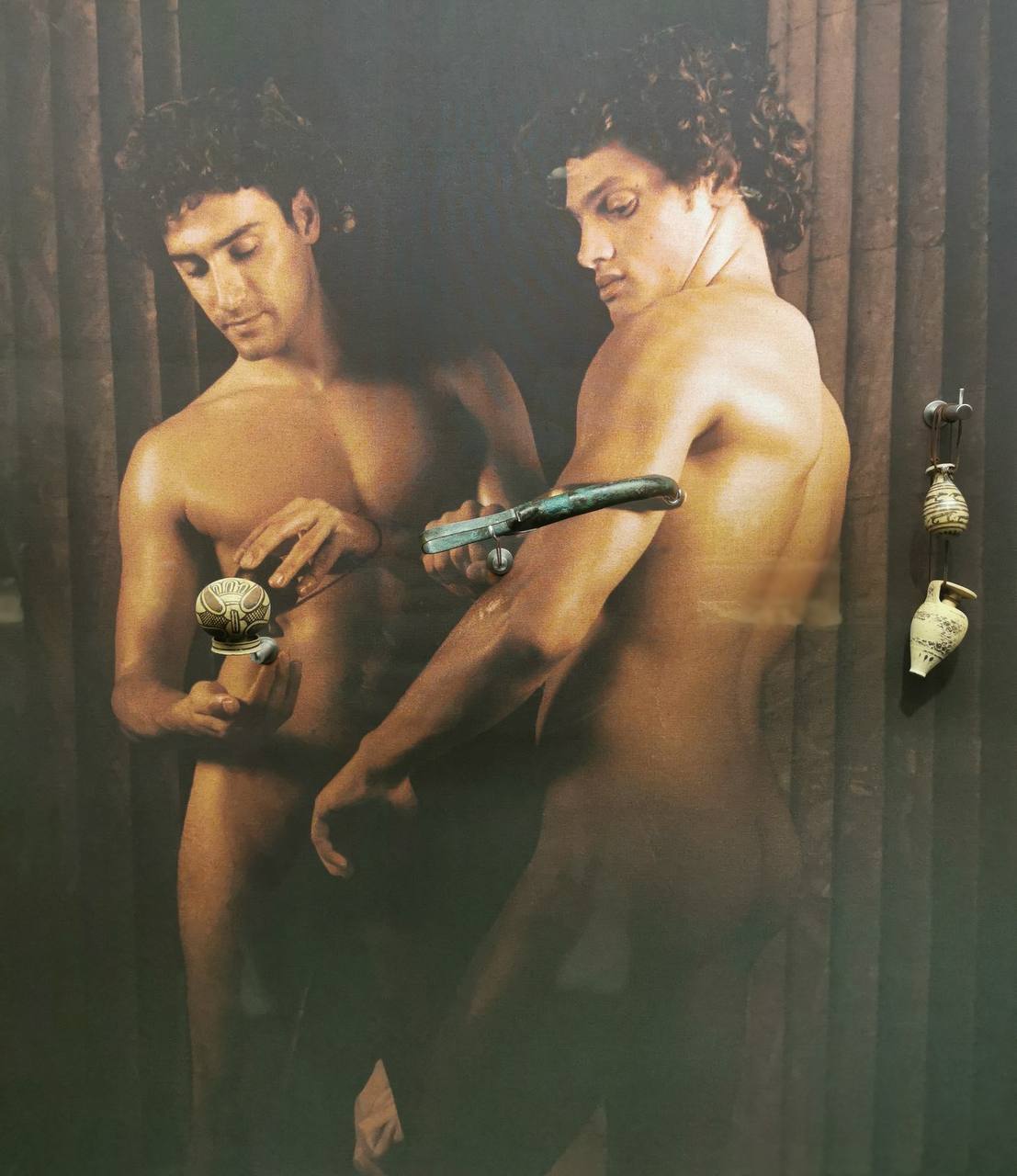
Art · Museums · Mores · Humour
The Museum of Cycladic Art in Athens makes skilful use of the theme of eroticism in its display. Naked youths demonstrate quite plainly the purpose of the clay vessels known as the aryballos and the alabastron, in which aromatic oils for rubbing into the skin were kept, and of the
Archive · Observations · Humour
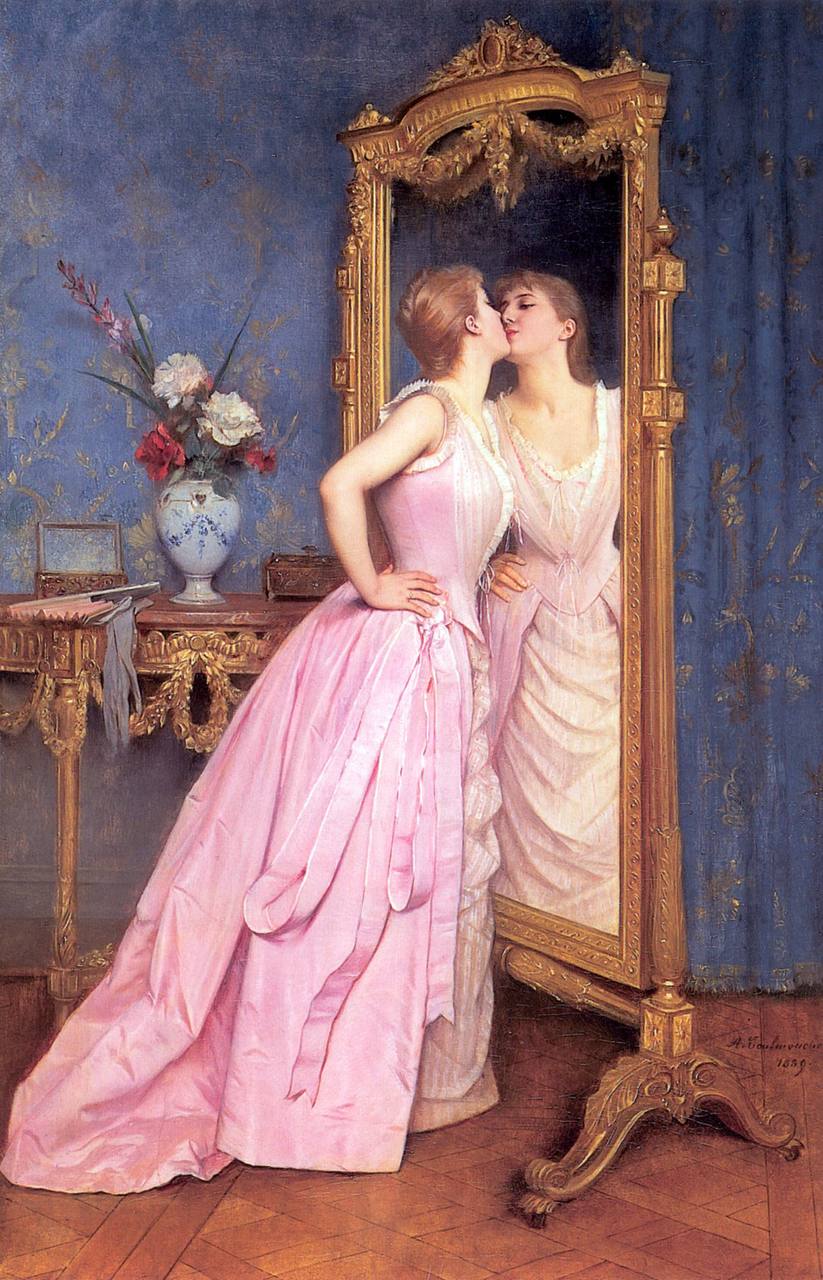
Auguste Tulmouche, 1870