NB! · Faith · Books · Mores · Ethnography

NB! · Faith · Books · Mores · Ethnography
Faith · Observations · Ethnography
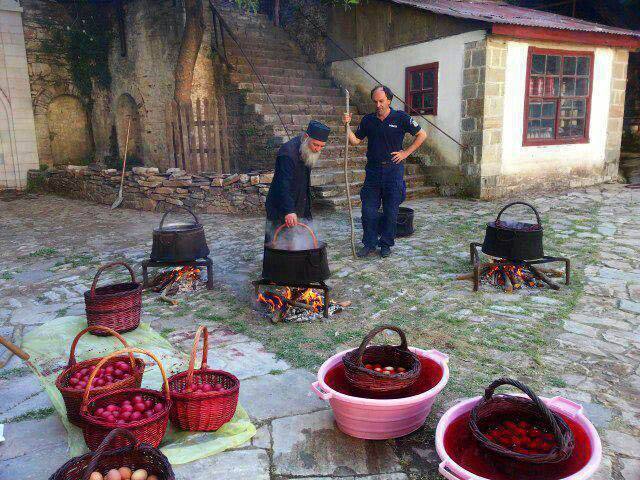
Dyeing Eggs on Mount Athos. Wishing everyone a happy approaching bright feast of Easter, without exaggeration the chief feast of the year!
NB! · Archive · Art · Ethnography
Faith · Mores · Society · Paris · Ethnography
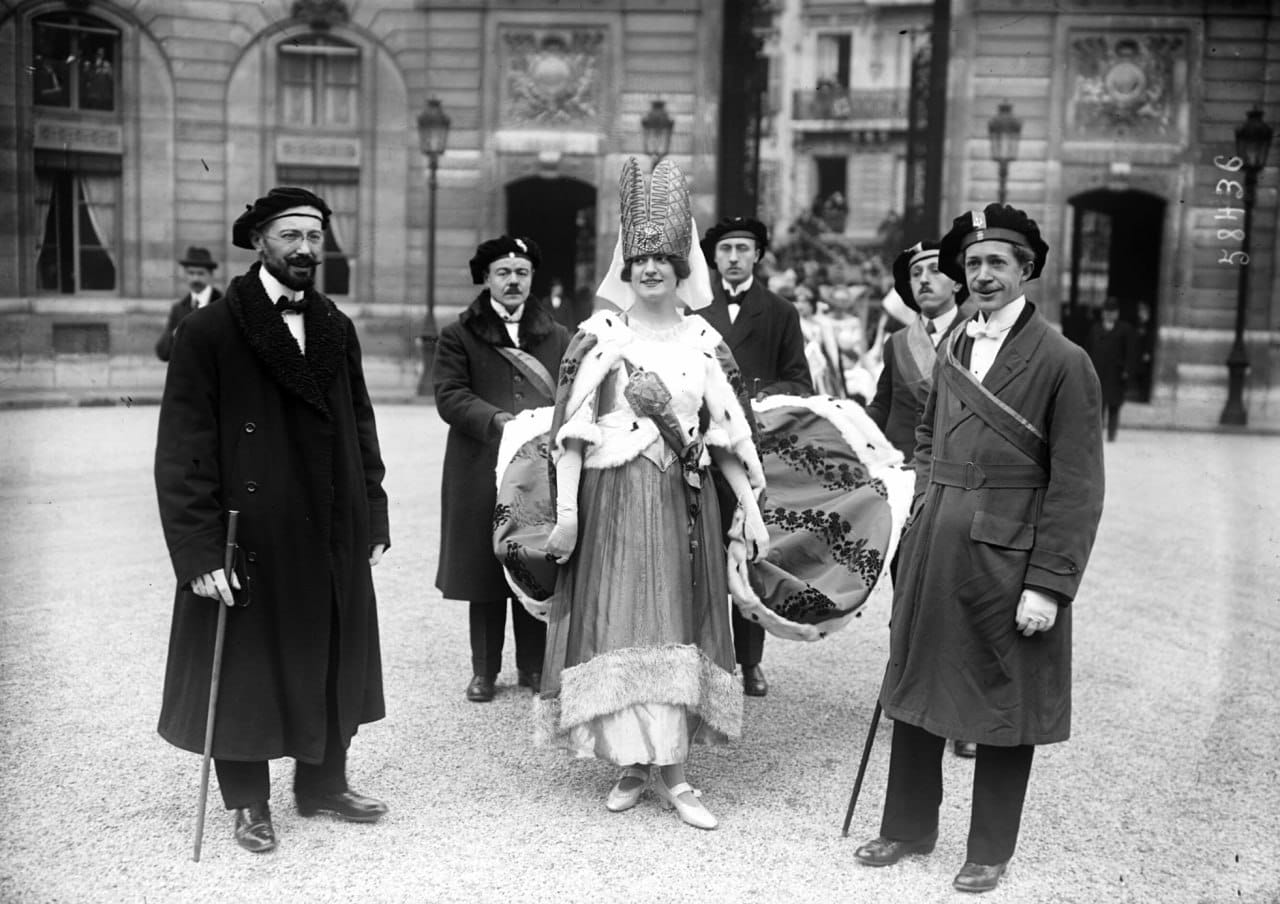
For Catholics, the middle of Lent coincided with the French carnivalesque festival of Mi-Carême, which in Paris and its suburbs was celebrated on a very grand scale, with processions of coal-heavers, water-carriers, washerwomen and students. There were processions, parades, feasts, dances, parties, merry-go-rounds, fireworks and
Mores · Ethnography
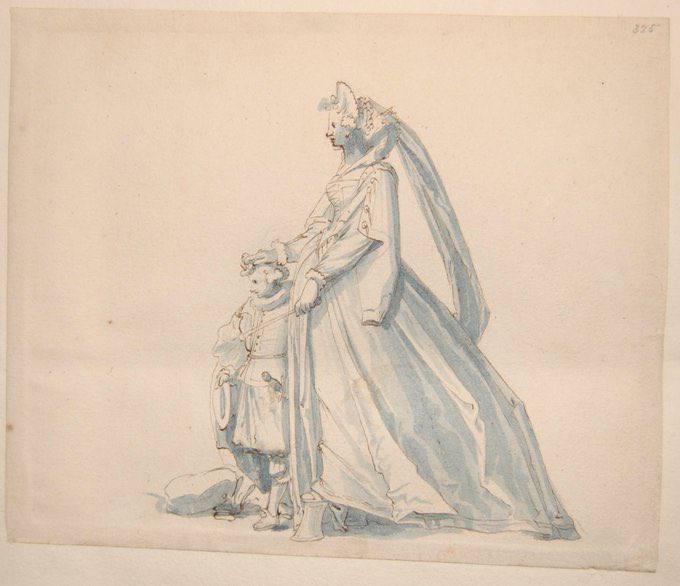
Pattens: a special kind of footwear used in Europe since the Middle Ages, chiefly as a means of protecting feet and shoes from mud and urban filth where road surfaces were not good enough. Pattens were made of metal and wood and fastened over ordinary shoes with leather straps or
Faith · Art · Museums · Mores · Ethnography
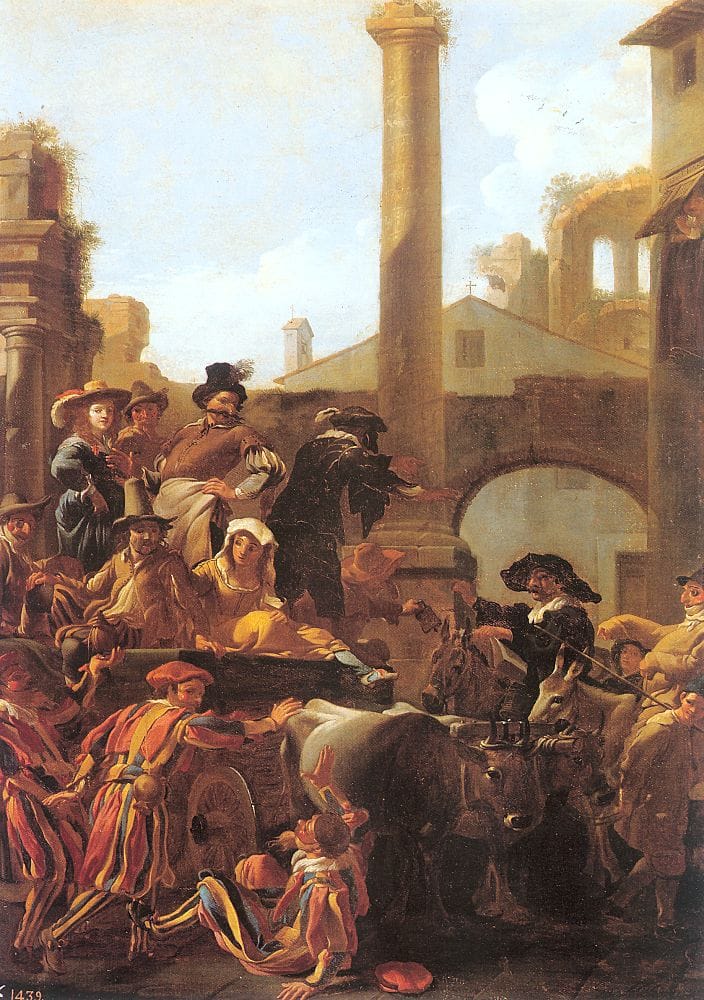
The week before Great Lent is maslenitsa with us, and carnival in Europe. The word carnival derives from the Italian carne, meat + vale, farewell, which accords with the Christian meaning of the festival preceding Great Lent. True, there is another etymology of the word carnival: some trace it to the
Art · Mores · Ethnography
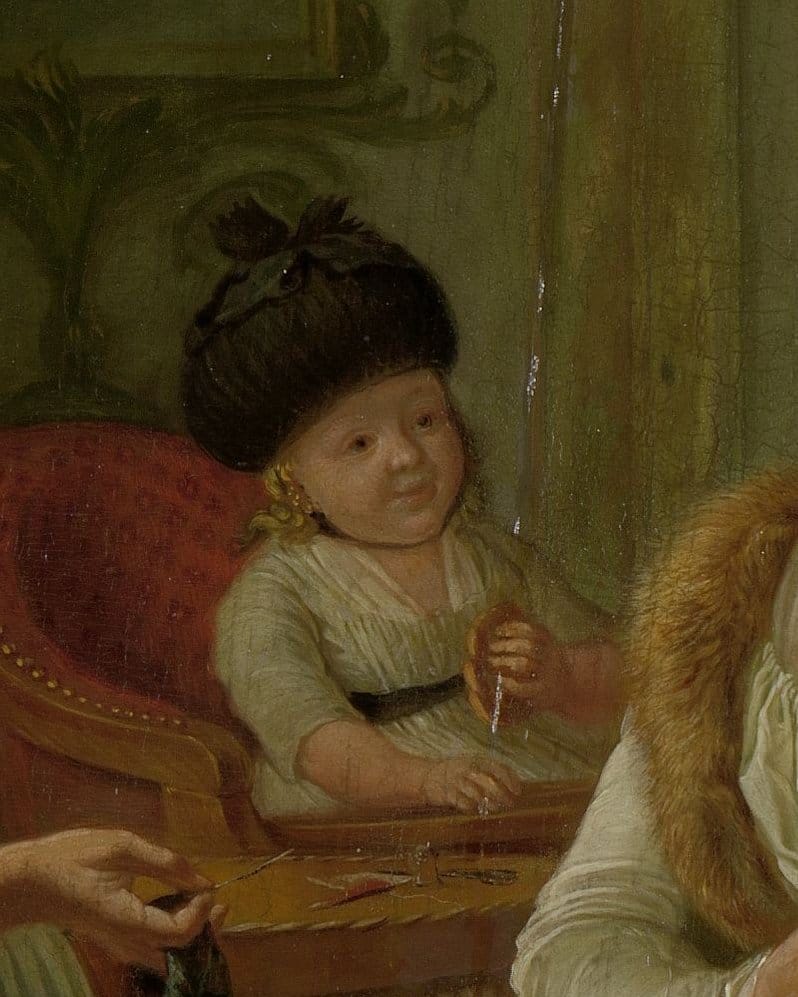
Have you noticed the strange caps on children in old paintings? They are not strange caps at all, but protective contrivances meant to keep a child from cracking its head in a fall. The cap was stuffed with swan's down and wool, and most often fastened with ties.
NB! · Monarchies · Mores · Ethnography
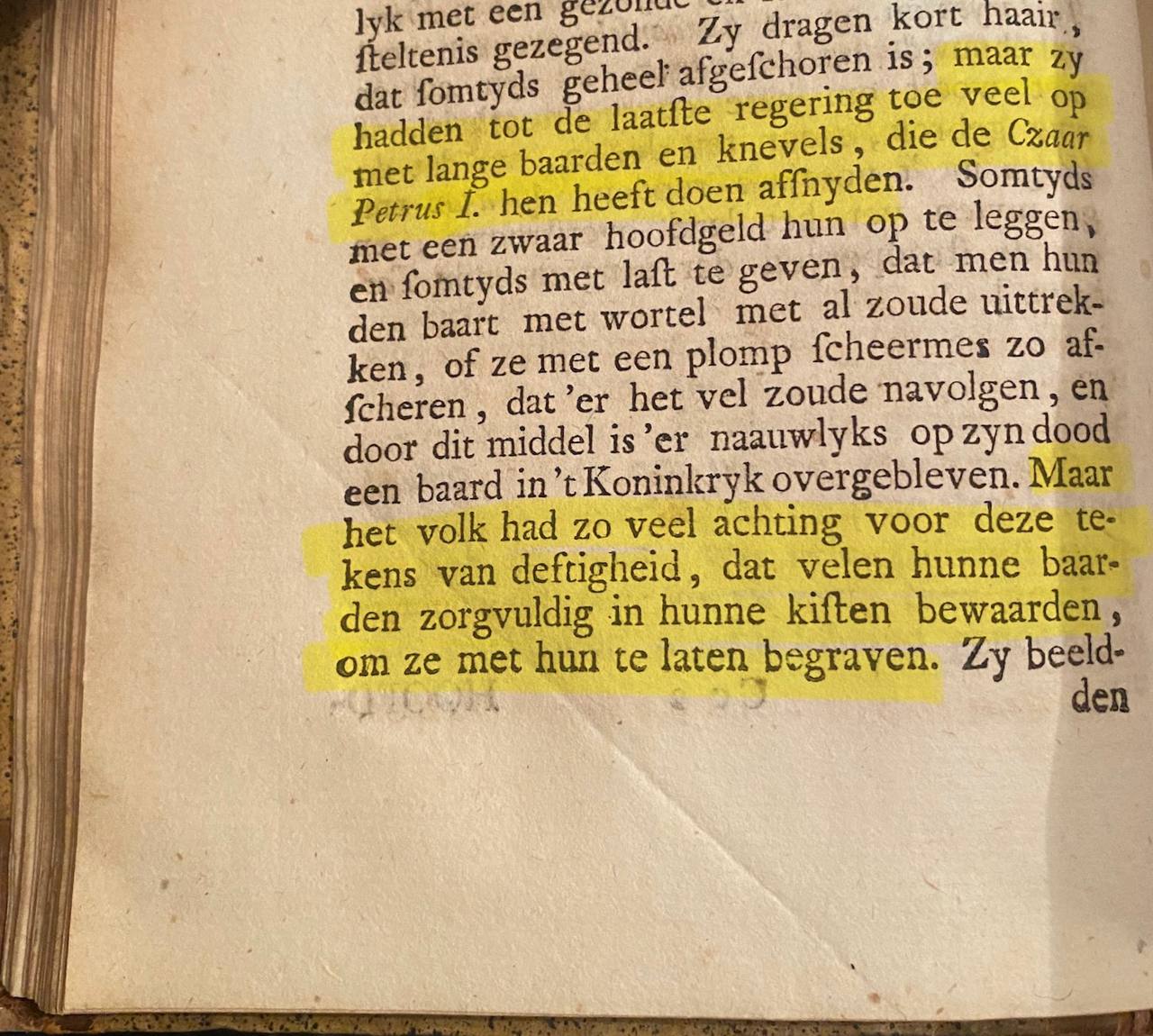
Russians dearly loved their long beards and moustaches, which Tsar Peter I took from them. But people prized these marks of respectability so highly that they carefully kept their shorn beards in order to be buried with them, imagining how dreadful they would look in the coffin with a bare
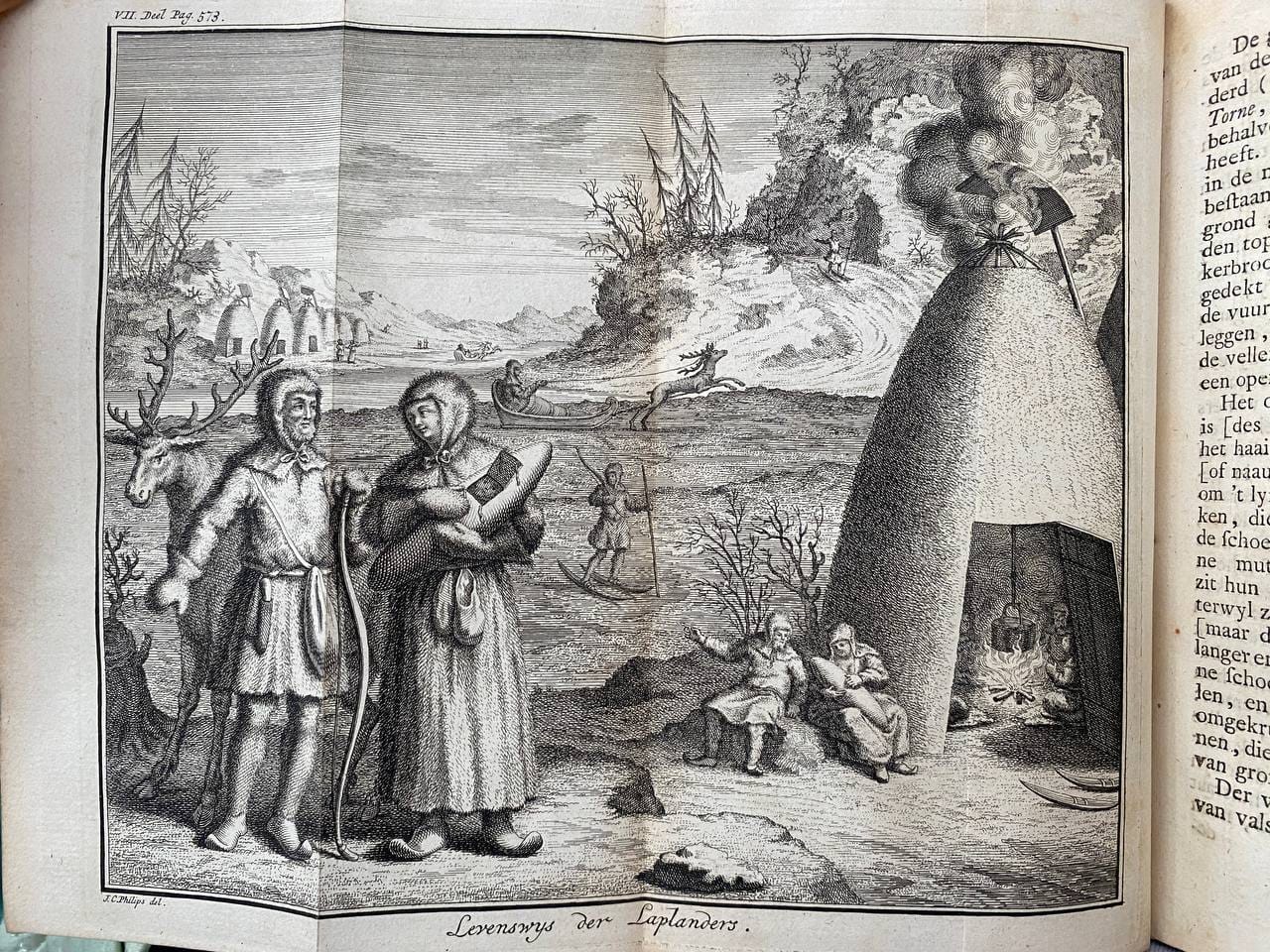
NB! · Archive · Art · Ethnography
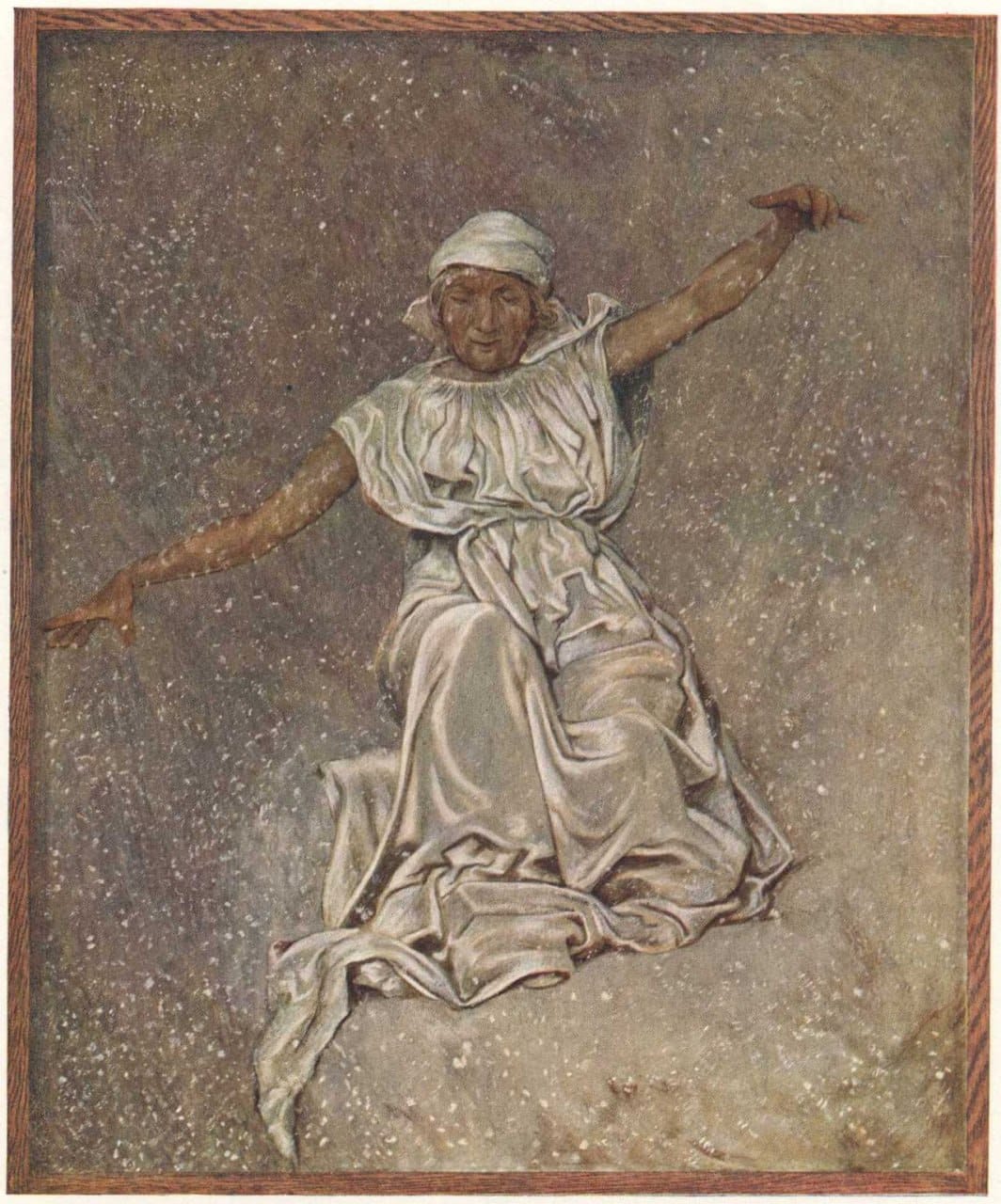
Faith · Mores · Rome · Ethnography
In most European languages, February is named after the Roman tradition. In Rome the month was called februarius mensis, after the Etruscan god of the underworld Februus, who was associated with rites of purification (februa, februare, februum), as was the month named in his honour. In mid-February the Romans
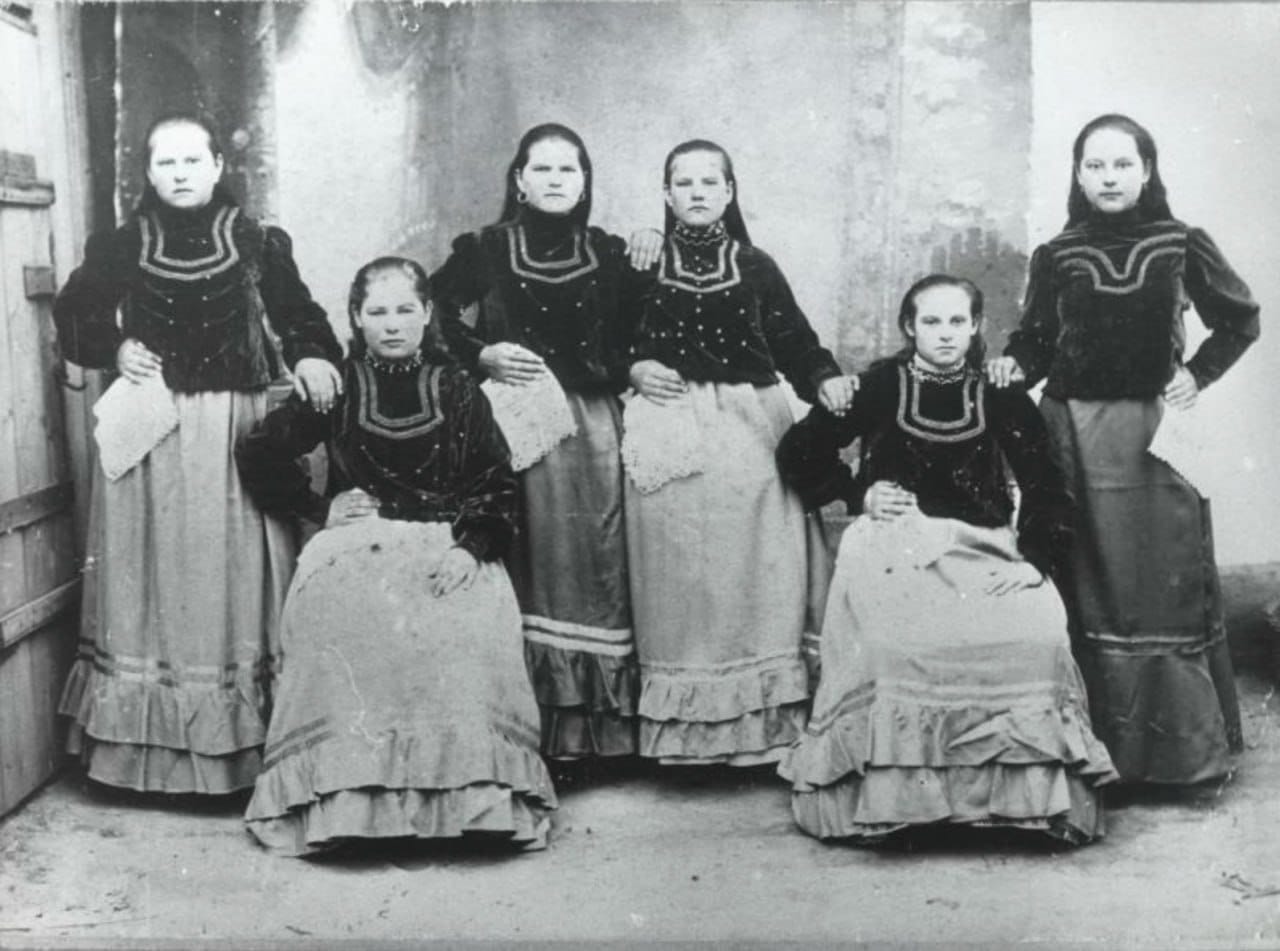
NB! · Archive · Ethnography
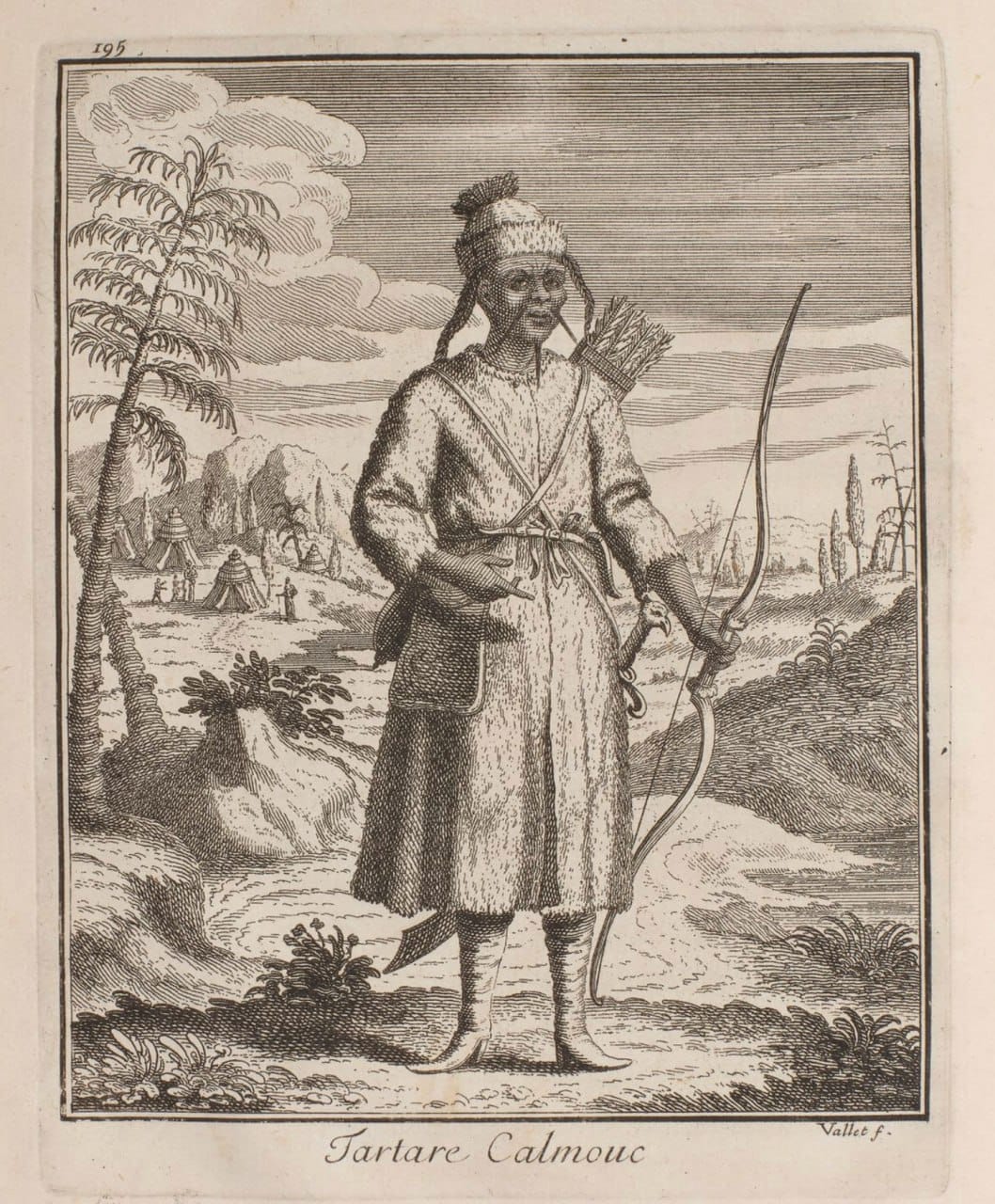
NB! · The East · Art · Books · Ethnography
A Tatar Kalmak. Engraving from Philippe Avril's "Travels into Divers Parts of Europe and Asia, Undertaken by the French King's Order to Discover a New Way by Land into China", 1693