Mi-Carême in France: the Laundresses' Festival and the Election of Queens until the 1930s
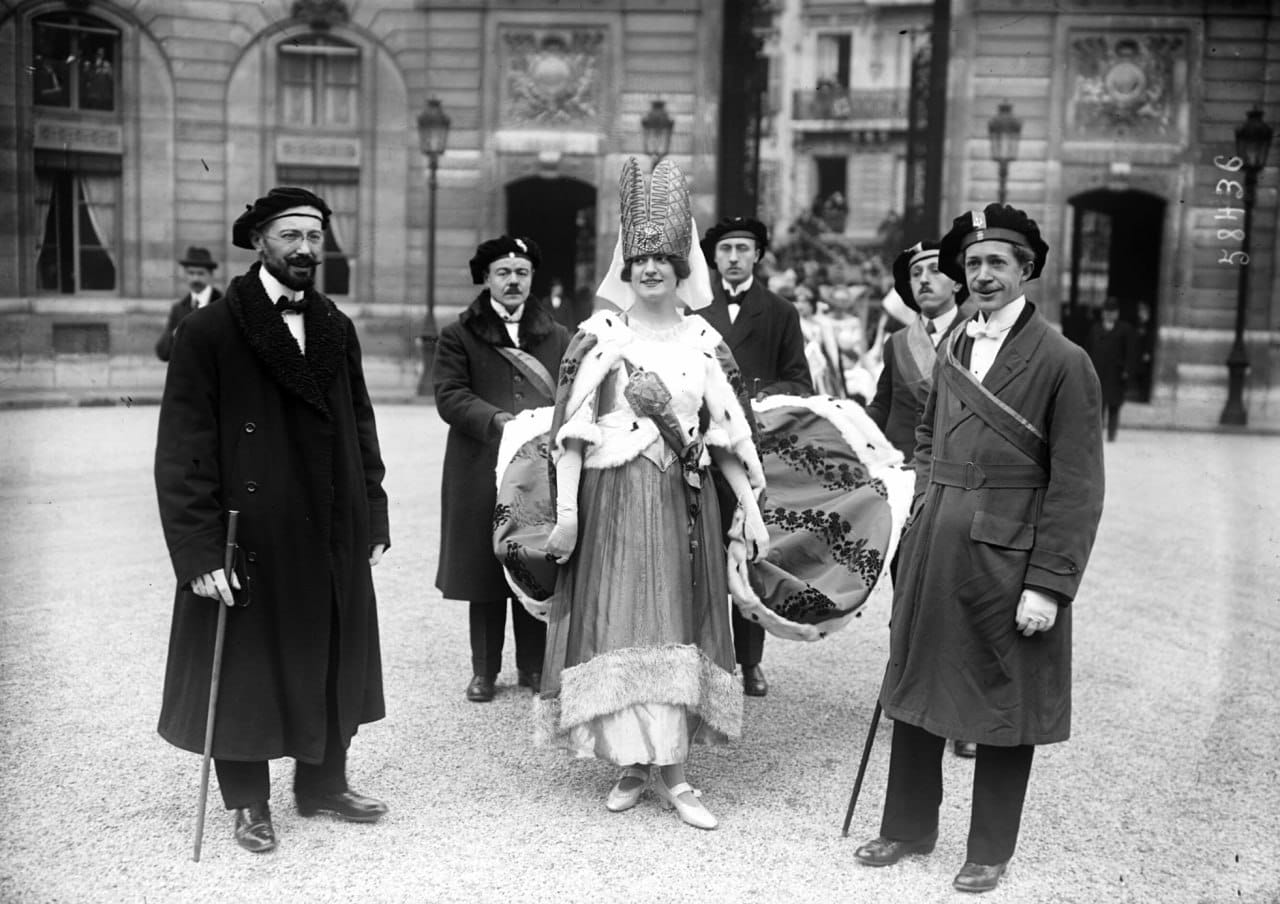
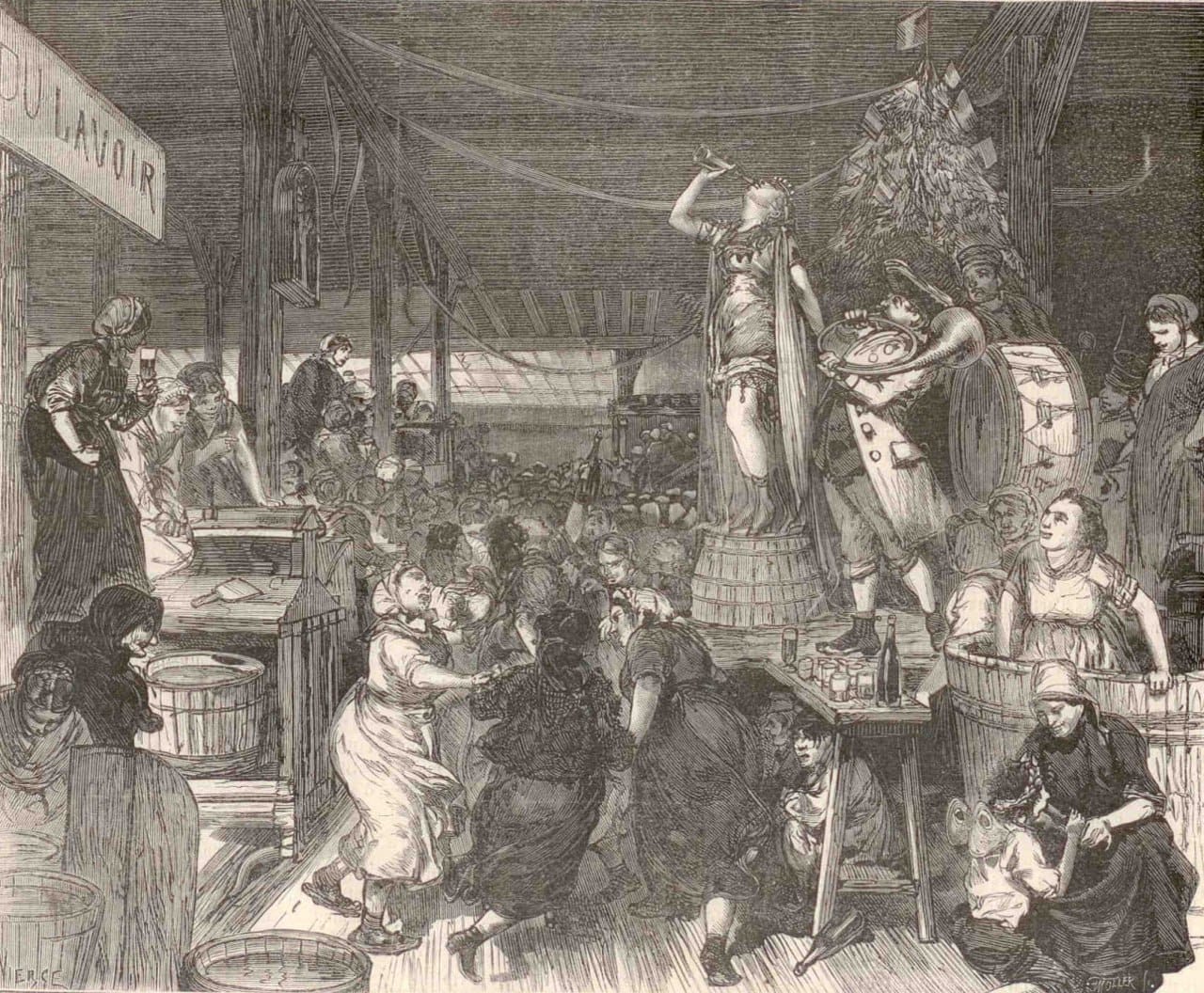
For Catholics, the middle of Lent coincided with the French carnivalesque festival of Mi-Carême, which in Paris and its suburbs was celebrated on a very grand scale, with processions of coal-heavers, water-carriers, washerwomen and students. There were processions, parades, feasts, dances, parties, merry-go-rounds, fireworks and illuminations, and the boulevards were buried in flowers and decorations.
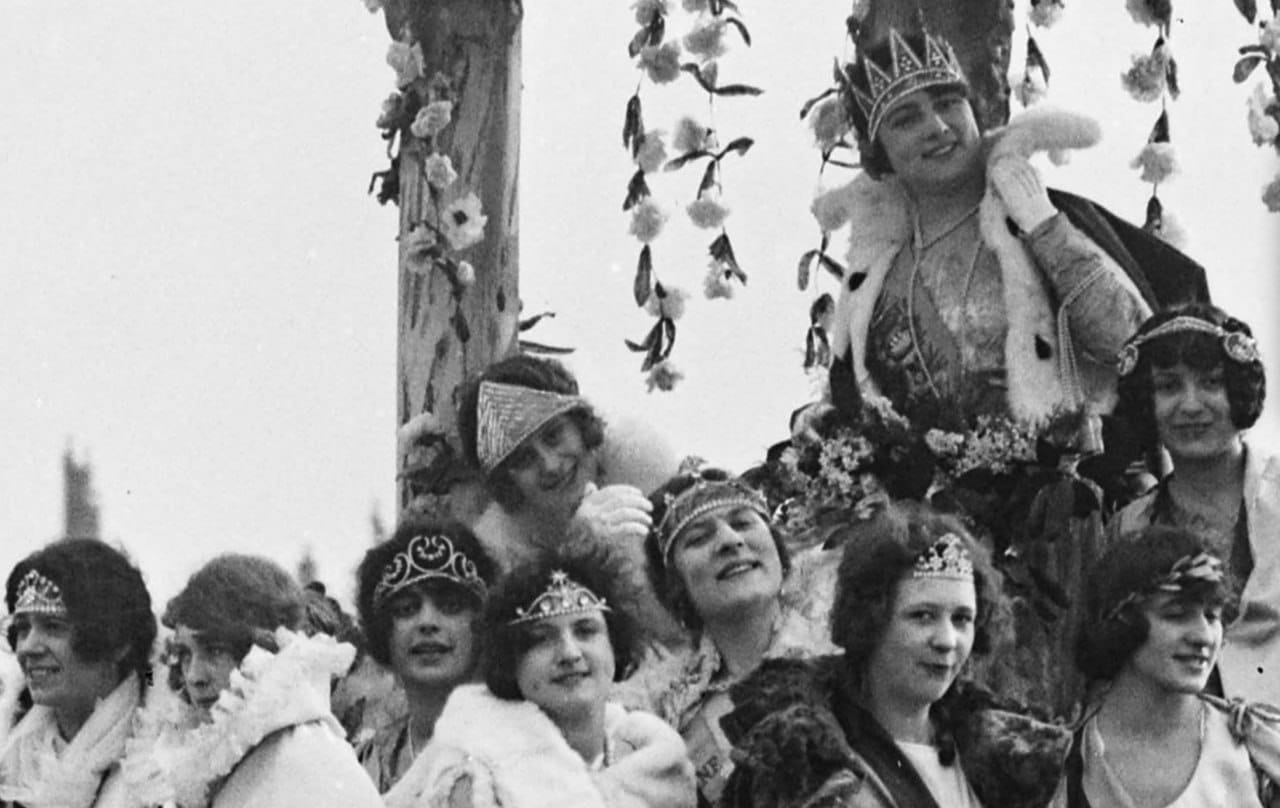
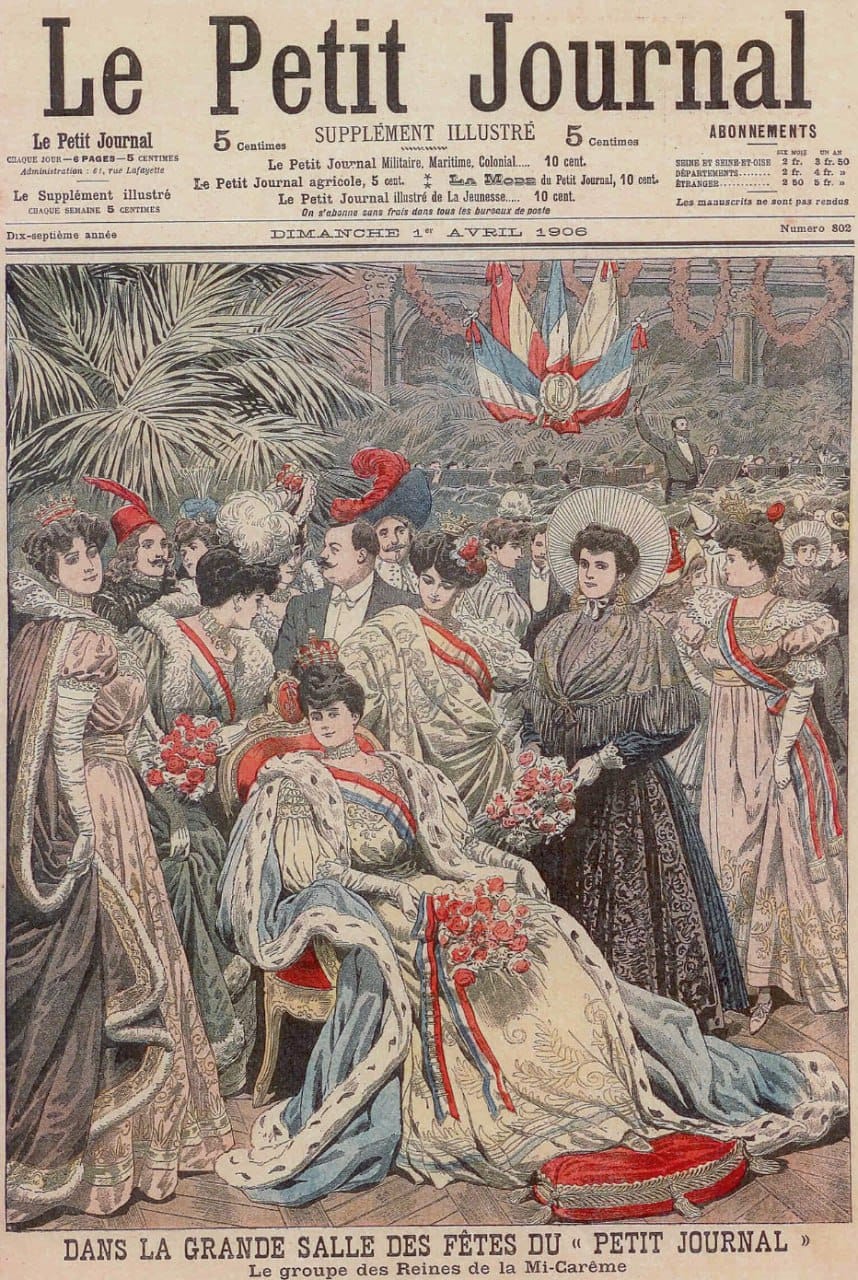
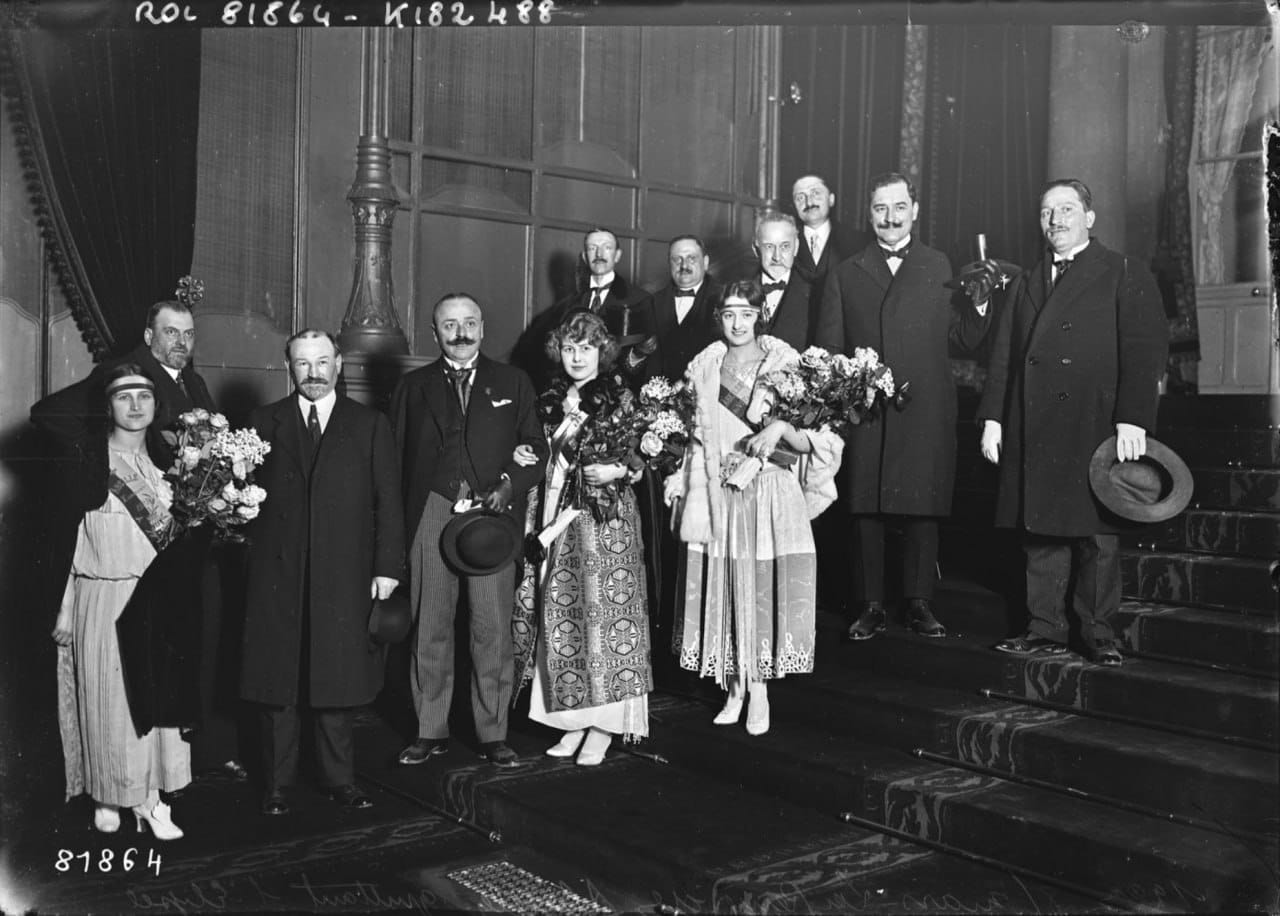
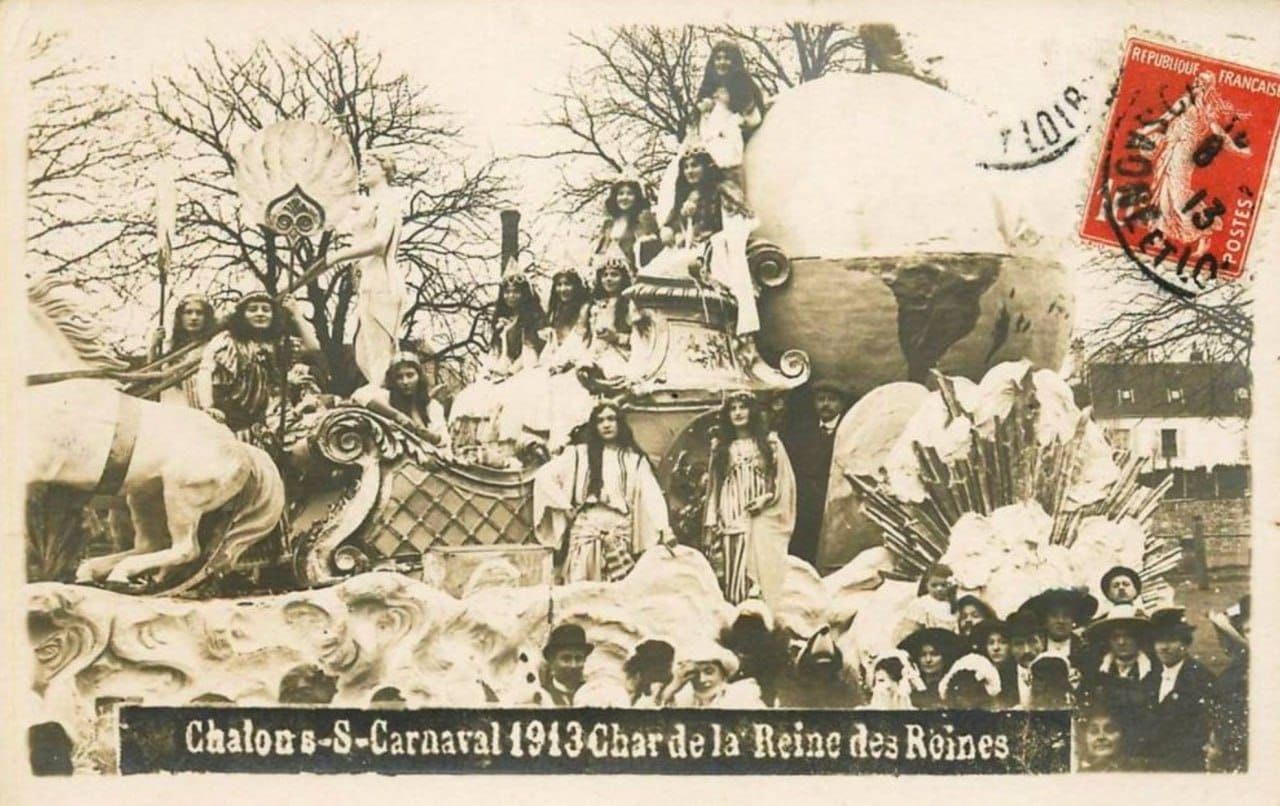
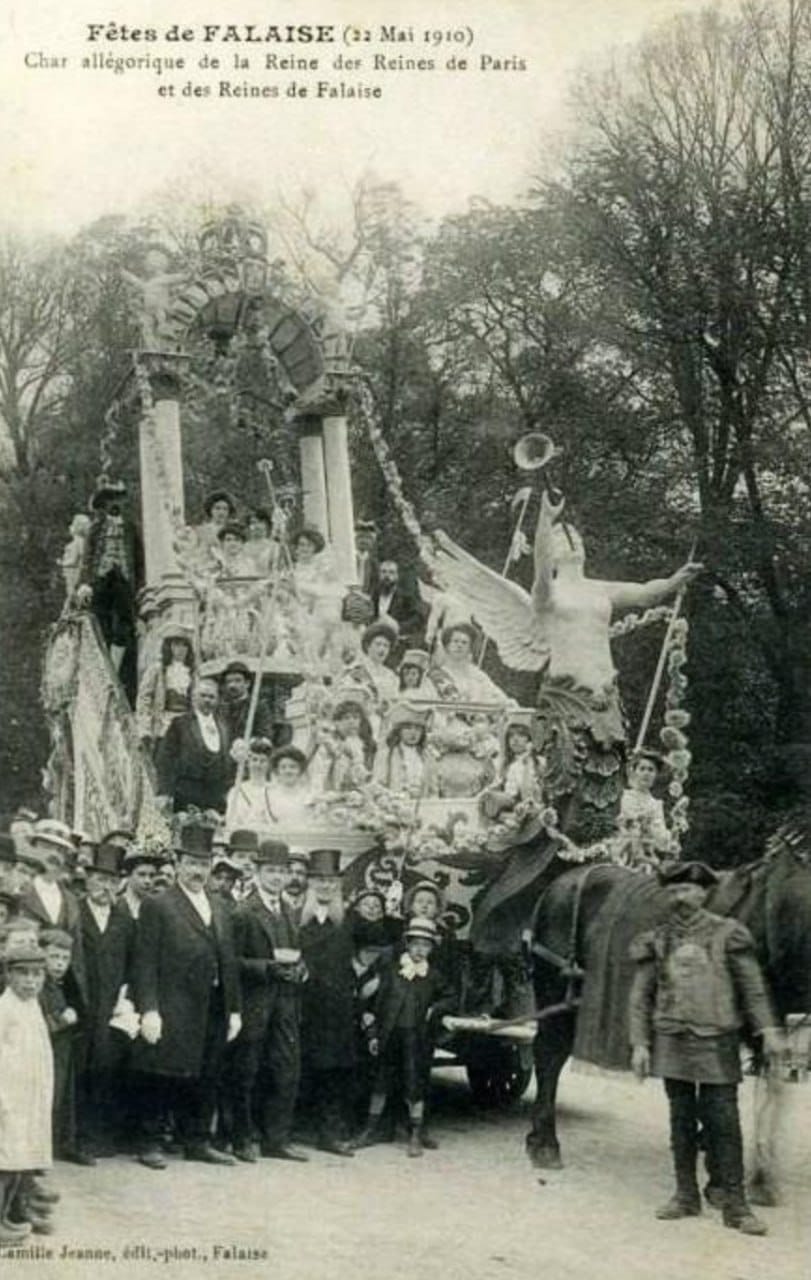
The most interesting part is the women's side of the festival, whose culmination was the procession of queens, chosen from each district and settlement taking part in Mi-Carême. In effect, the Washerwomen's Festival and the Parade of Queens were for many years the only occasion on which Frenchwomen took part in elections and could themselves be elected: women chose queens and themselves became the chosen queens.
Washerwomen became queens: they were selected for comeliness of face and shapeliness of figure, for industriousness, for the respectability of their families, for cheerfulness and propriety of manners. The laundry trade itself occupied a weighty place in the structure of city life, and in Paris alone more than a hundred thousand people were engaged in it, in a whole range of specialisations from washerwomen to ironers.
Until the 1930s, the French celebrations of the Catholic fast were marked by an emphatic femininity, uniting society around Christian values, hard work and the concord of different estates. But later, in the twentieth century and down to our own day, not a trace has remained of this lovely festivity.