NB! · The East · Monarchies · Observations · Mores

NB! · The East · Monarchies · Observations · Mores
The East · Observations · Society
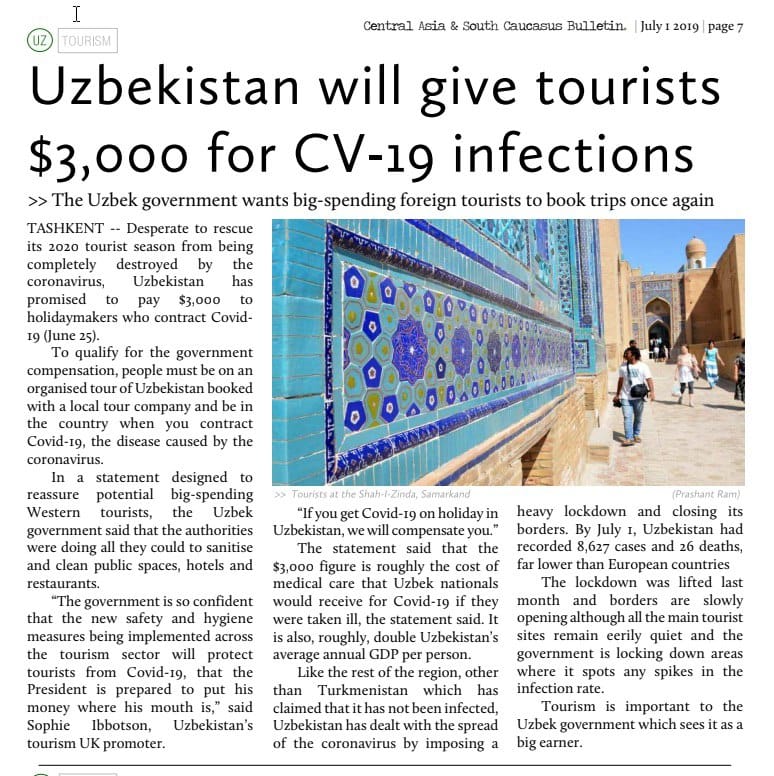
Uzbekistan offers foreign tourists $3,000 if they catch coronavirus during their stay in the sunny republic. Tourism occupies an important place in the country's economy, and the lockdown has had a serious effect not only on the well-being of enterprises in the sector but on a
The East · Books · Science · Mores · Ethnography
Modern medicine holds that birth inside the amniotic sac, or caul, occurs in roughly one case in eighty thousand, which is why such deliveries tend to become a significant news item for specialist journalists. In former times, children born in such a bubble, with the waters not yet broken, were
The East · Art · Museums · Observations · Mores
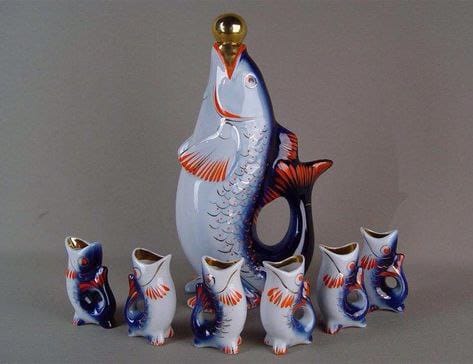
Do you remember the porcelain decanter in the shape of a fish, with little fish-shaped glasses, found in so many Soviet interiors? We have such a fish at home too, inherited from my grandmother, and in two colour variations at that; it was mass-produced at the porcelain factory
The East · Science · Ethnography
Kohl, the eye-liner pencil known in the East since the 4th millennium BC, etymologically precedes the word alcohol, borrowed by Europeans from the Arab world. Alcohol derives from the Arabic al-kuħl, meaning "made of antimony", or, literally, of kohl. The word entered Arabic from Assyro-Babylonian,
Archive · The East · Books · Monarchies
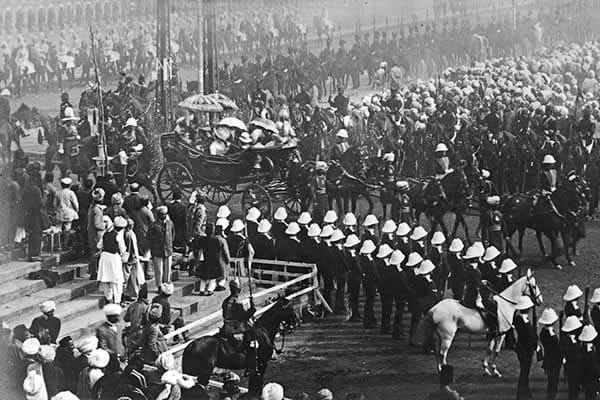
King George, who attached little importance to appearances and their effects, was dressed in a military uniform and helmet, and rode on horseback. The Queen followed behind him in sumptuous attire, drawing the attention of the gawping crowds. George simply got lost among the generals, and, looking at the magnificently
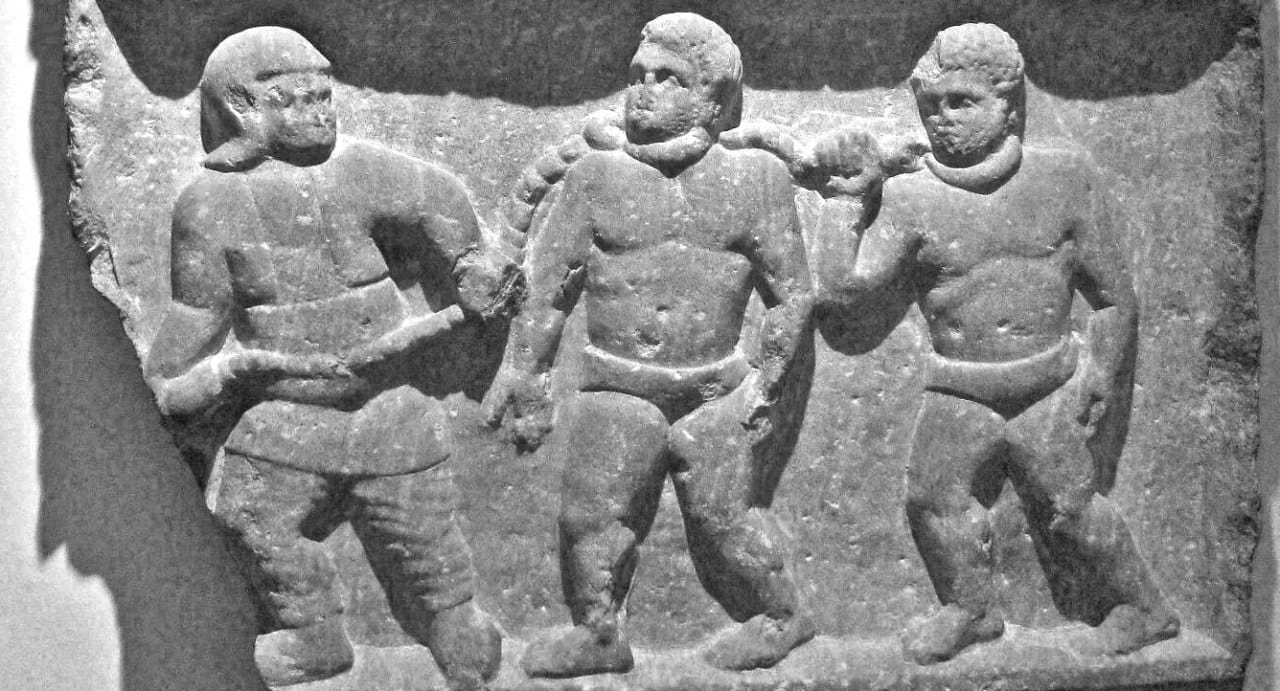
NB! · Archaeology · The East · Museums · Society
Roman slaves shackled in iron collars. The stripped and barefoot men are escorted by an armoured guard. In all likelihood, they are being led to the arena, where they will die. Marble relief, AD 200. Izmir, Turkey.
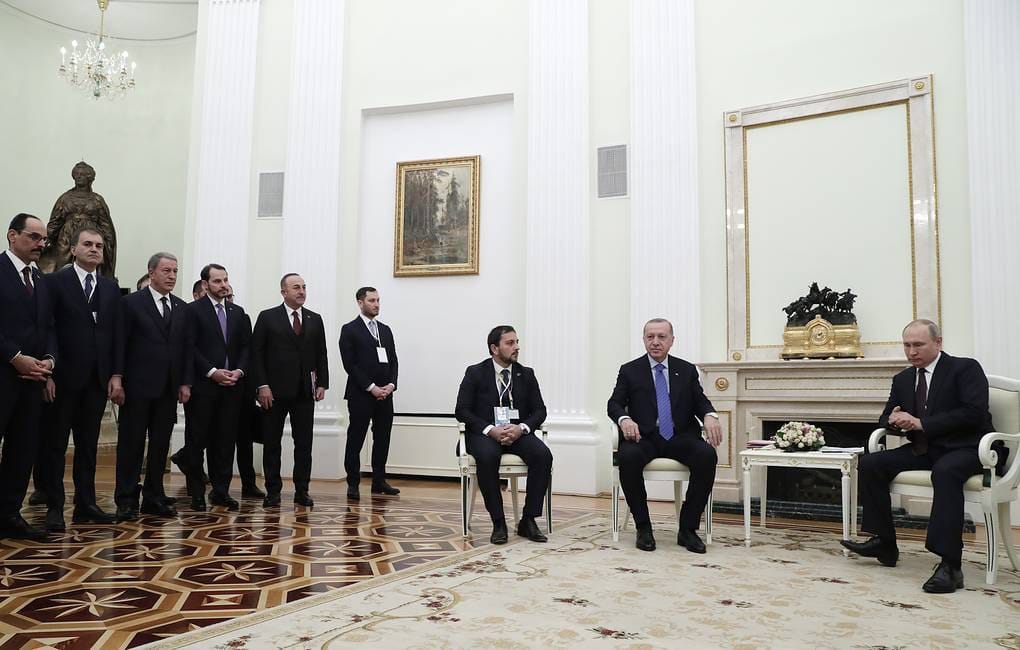
The East · Monarchies · Moscow · Observations · Society · Humour
Maxim Suchkov, the Russian editor of the American Al-Monitor, has drawn attention to the setting of Putin's talks with Erdoğan on 5 March: behind Recep stands a bronze Catherine II, who routed the Turkish army, destroyed the Turkish fleet at Ochakov and Izmail in 1768-1774 and
The East · Monarchies · Humour
There is a parable. Harun al-Rashid liked to wander about at night. One evening he strayed into a dark hovel in which an elderly woman was offering up a prayer for his health. "How pleasant!" he said. "How may I reward you?" "You see,
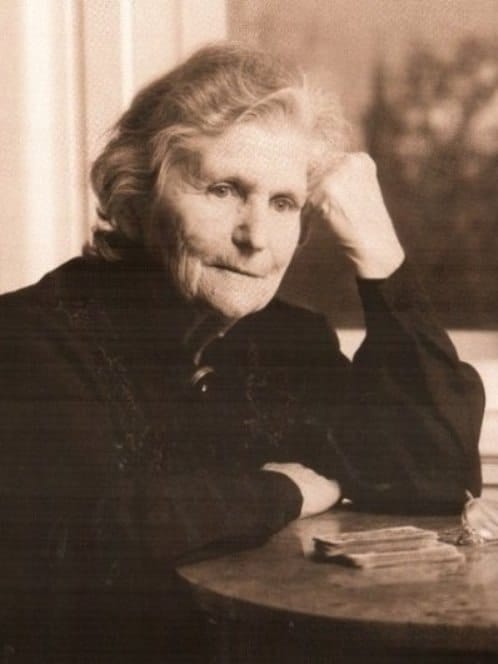
Archive · The East · Books · Society · People
A few days ago, in her hundredth year, Adile Abbas-ogly, a victim of Stalin's repressions, historian and memoirist, passed away. In 1938 Adile Shahbasovna was declared an "enemy of the people" on account of her family ties to Nestor Lakoba, Chairman of the Central Executive
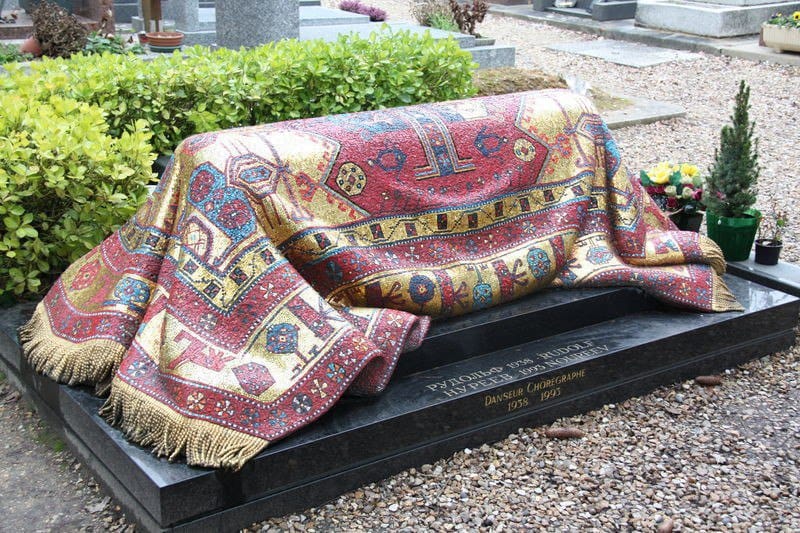
The East · Art · Paris · People
The grave of Rudolf Nureyev (1938-1993) at the Russian cemetery of Sainte-Geneviève-des-Bois near Paris. The idea of making the tombstone in the form of an oriental carpet covering the slab belongs to Nureyev's friend Enzo Frigerio, one of the leading designers of the Paris
The East · Mores · Society · Humour
There is a tale about Soviet diplomats in China in the 1950s: they refused to ride in rickshaws, since to them the rickshaw seemed the very embodiment of the exploitation of man by man, even though giving up this transport meant endless lateness. In those years China still suffered from