NB! · Art · Nature · Humour
No GMOs!
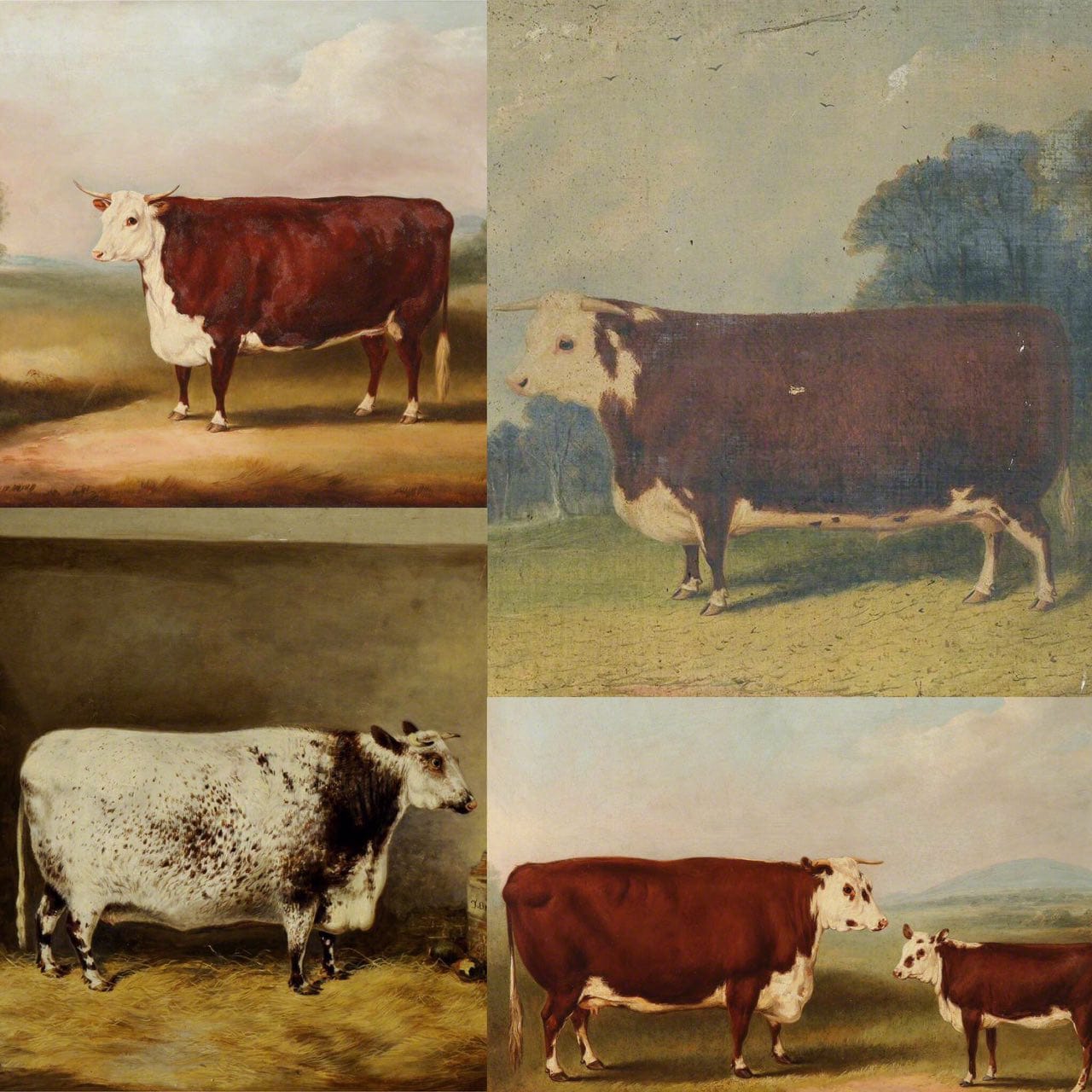
No GMOs! These very large, almost rectangular cows from English paintings of the nineteenth century probably belong to the Limousin beef breed, which was then new
NB! · Art · Nature · Humour
No GMOs! These very large, almost rectangular cows from English paintings of the nineteenth century probably belong to the Limousin beef breed, which was then new
Archive · Art · Moscow · Museums
Ilya Ostroukhov, former director of the Tretyakov Gallery, acquired in the 1920s an unusual study of a bored horse for his collection, having swapped it for a study of Menippus. Ostroukhov was immensely proud of his purchase, believing he had secured so original a Velázquez for his private collection, until
Aristocracy · Art · Monarchies · Observations · Mores · Humour
Before you are two remarkably similar portraits. The one in colour shows Charles II, King of England; the second, the English aristocrat and politician Charles Boyle. Evidently, Boyle commissioned an exact copy of the king's portrait, with his own head fitted on to it. The clothes, the pose,
NB! · Art · London · Observations · Pop Culture · Humour
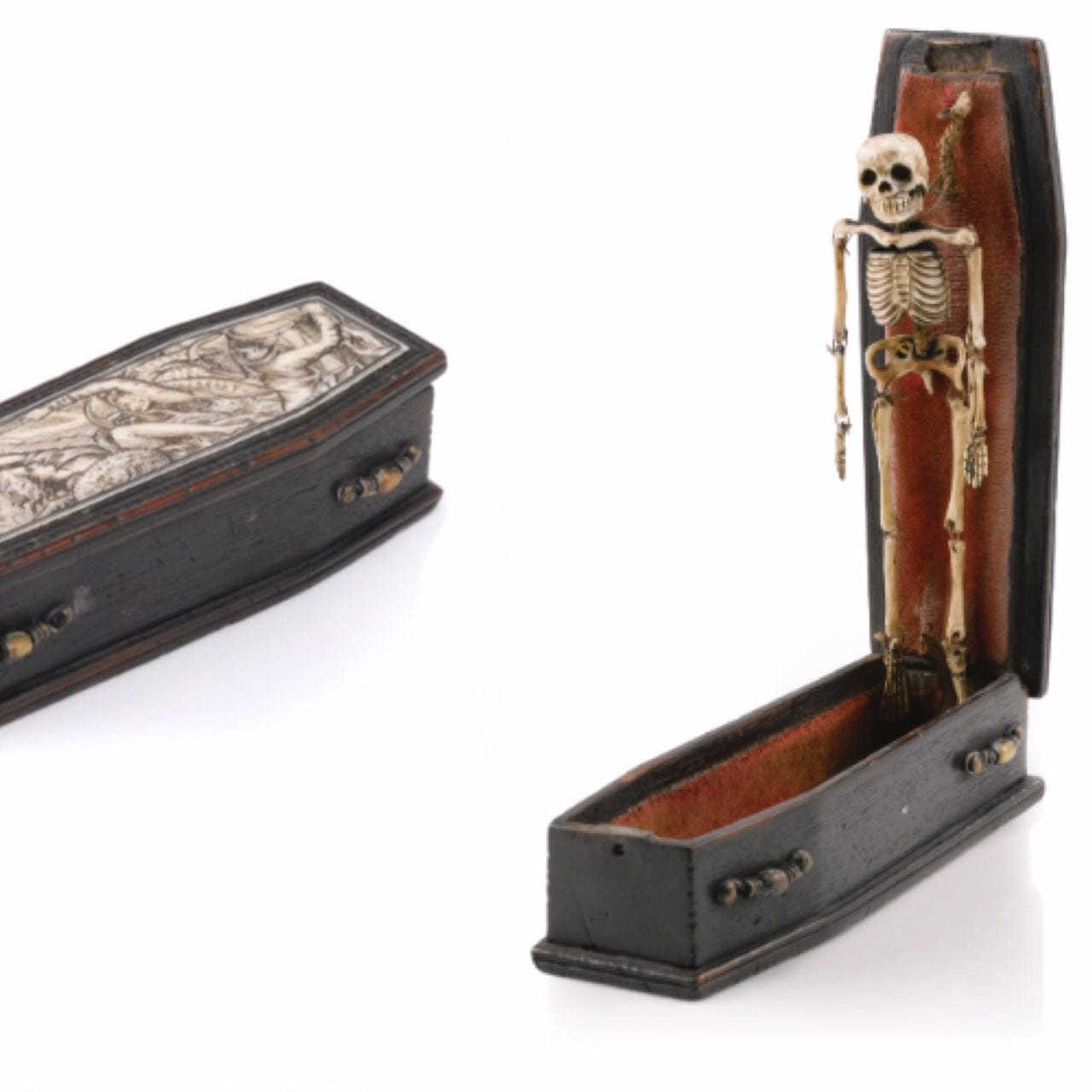
At Sotheby's this 15-centimetre memento mori souvenir from the kit of an early nineteenth-century English soldier sold for £3,000. A thoroughly disagreeable trinket, but there is no disputing about historical tastes..
NB! · Aristocracy · Art · Monarchies · People · Humour
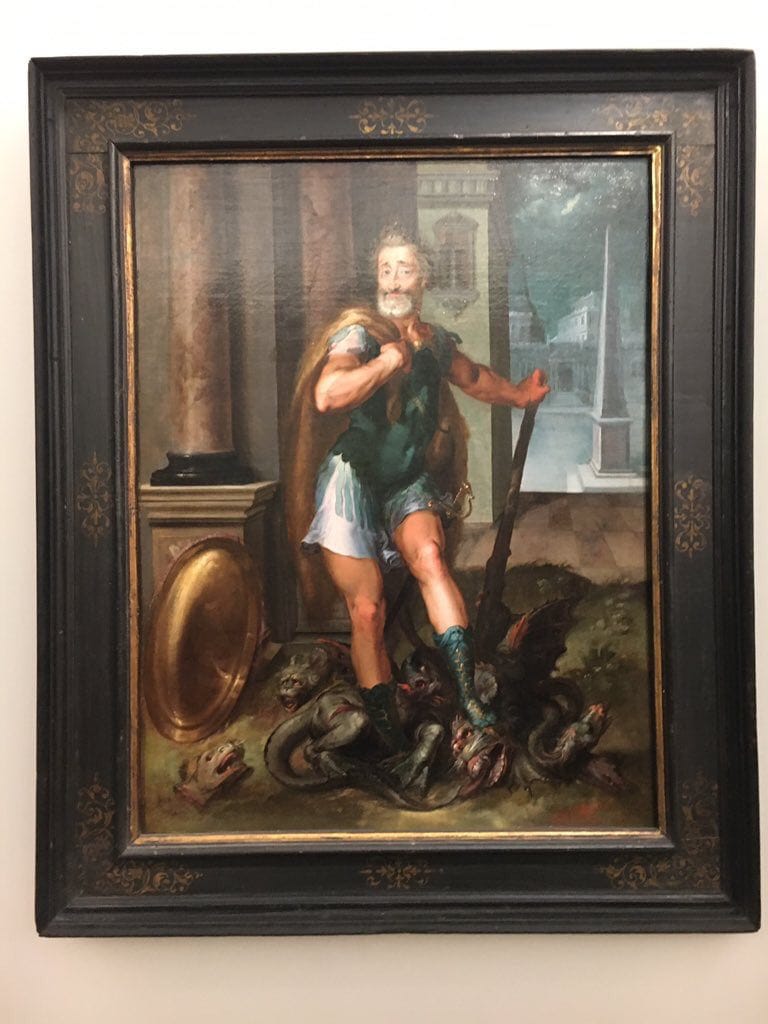
Here is a muscleman: Henry of Navarre as Hercules, victor over the Lernaean Hydra. The portrait clearly flatters the figure of the founder of the Bourbon dynasty, but it recalls the comical genealogy of the House of Navarre, traced from a son of Hercules
NB! · Art · Monarchies · Museums · Paris · Humour
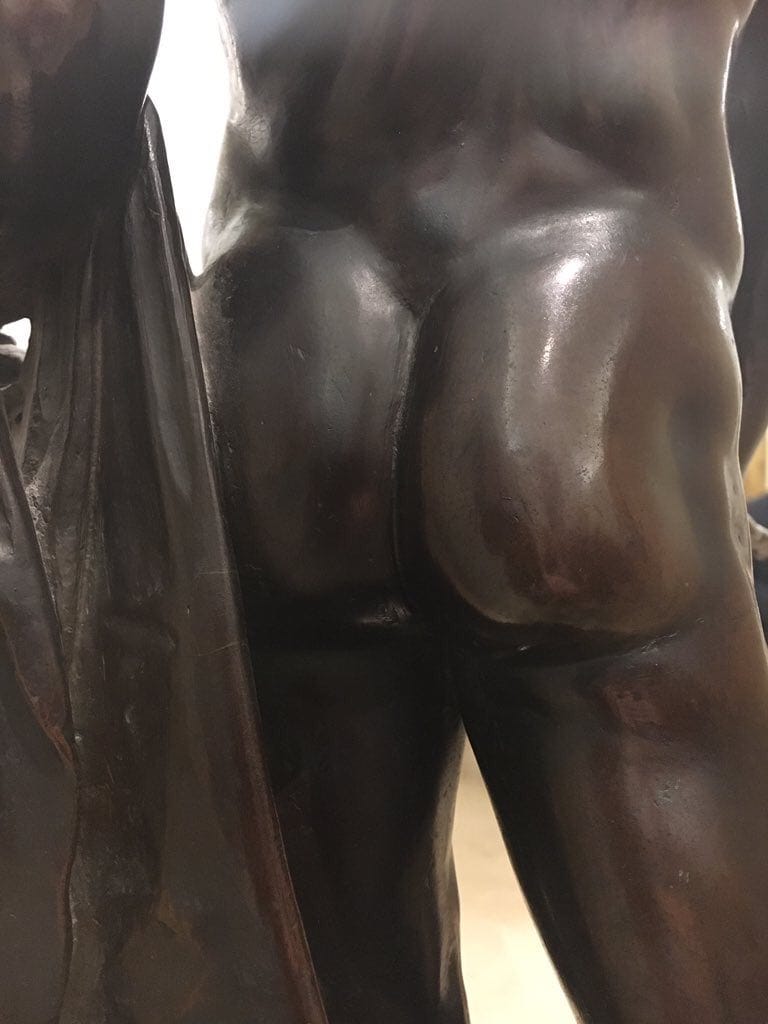
The Louvre holds a sculpture of a naked Henry IV in the guise of Jupiter. Thanks to the statue, we can learn that the monarch had a well-toned behind, while from the front there is, frankly, nothing to look at
Art · Museums · Mores
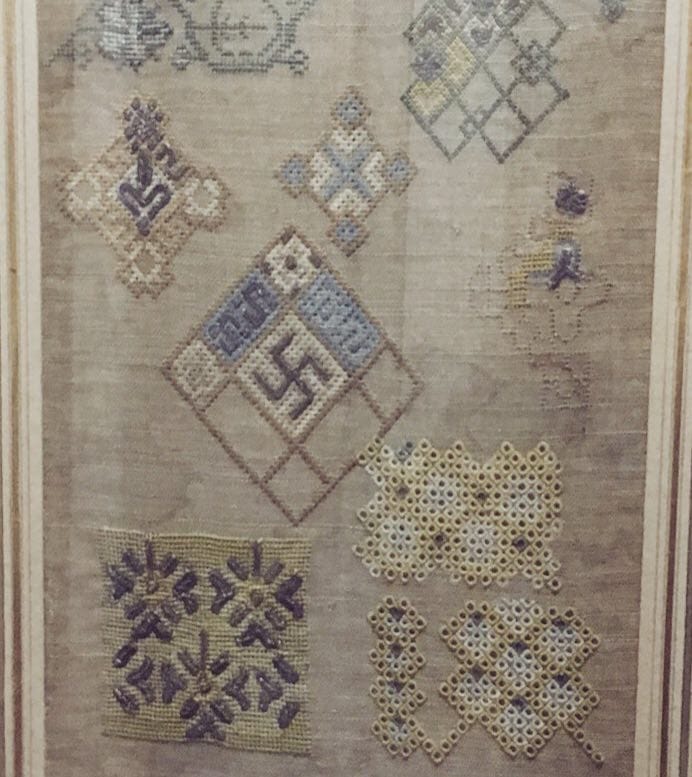
Montacute House (near Yeovil in the south of England), famed for its outstanding collection of Tudor and Stuart portraits, also displays a fantastic collection of seventeenth-century needlework. Among the exhibits is an unexpected embroidery of the 1650s bearing a swastika. The sign is often found in the applied art
NB! · Art · Museums · Ethnography
NB! · Art · Observations · Humour
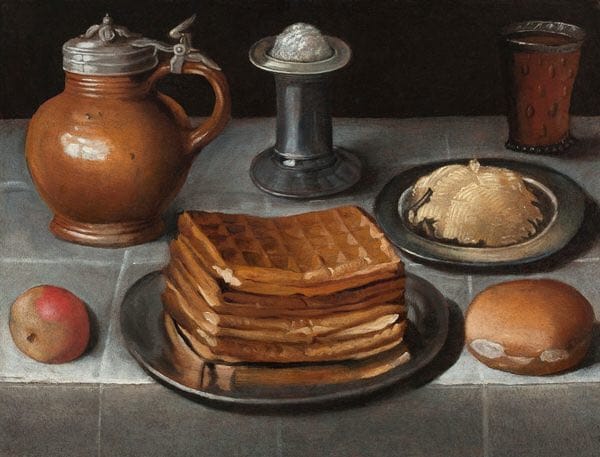
German School. An abundant, even sumptuous table by the standards of the 1600s. Beer, butter, an apple, a bread roll, salt and plenty of wafers. Tell me, does anyone really need much more for happiness?
NB! · Art · Mores · Humour
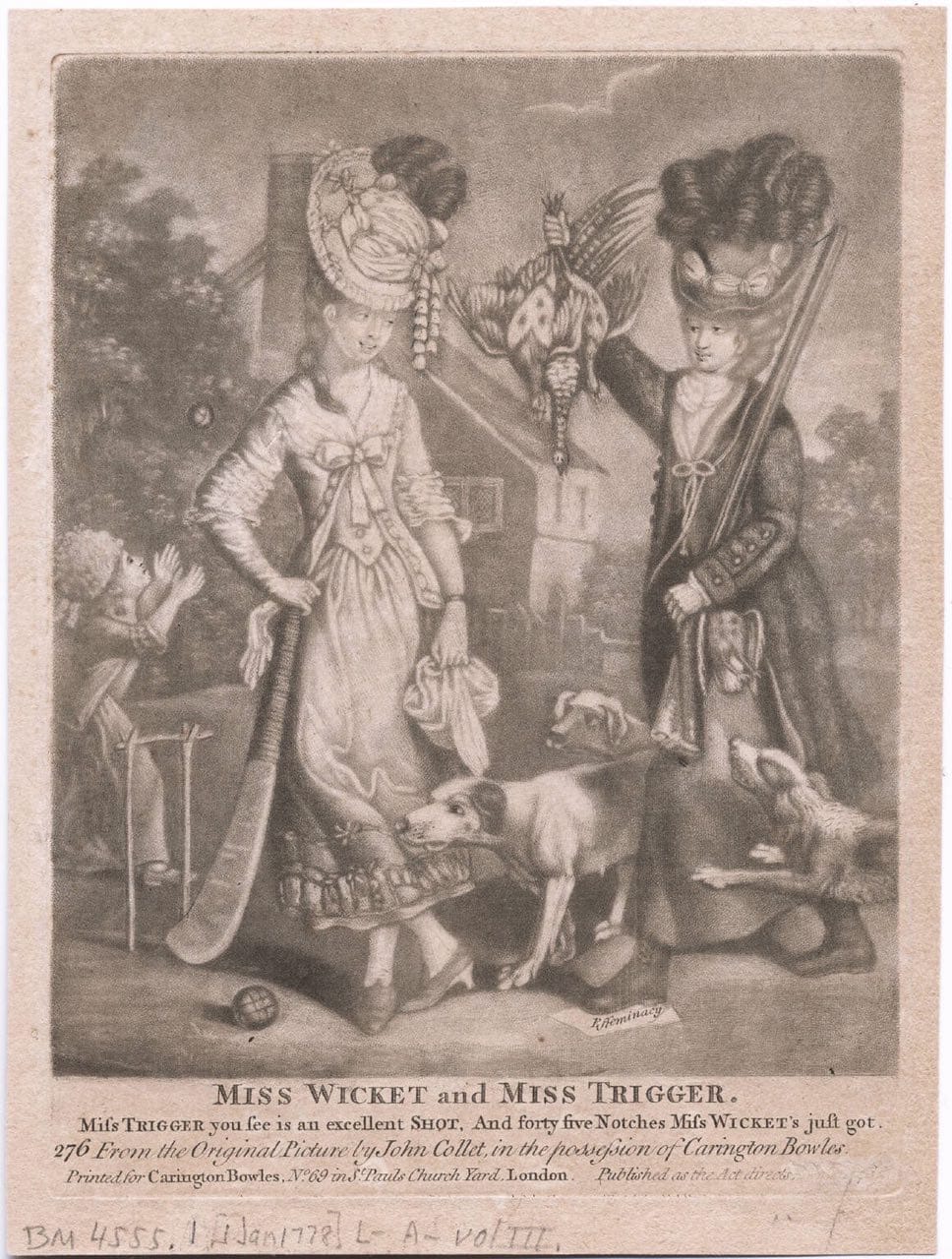
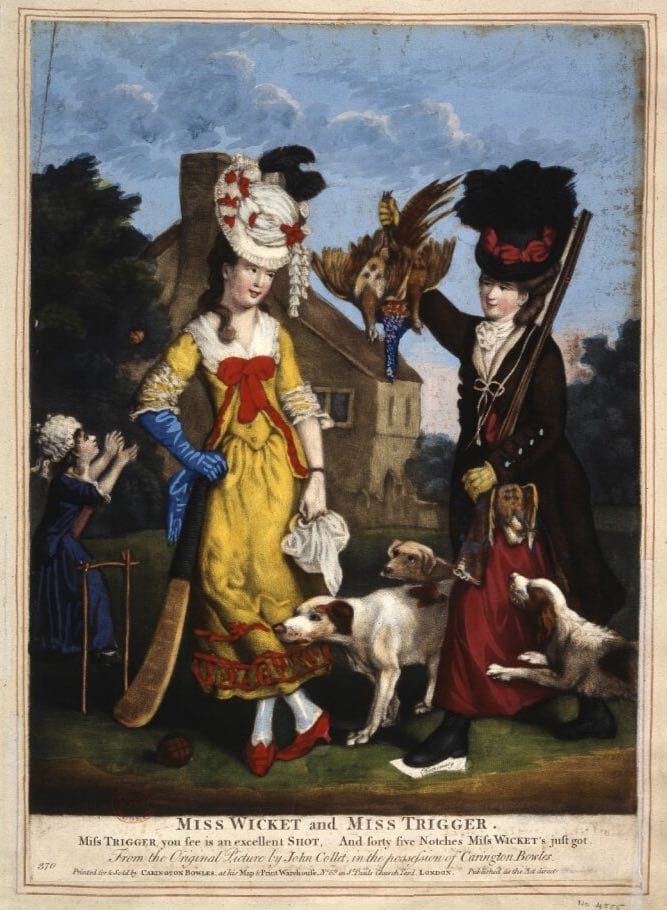
To people of the eighteenth century, John Collet's drawing was more familiar in this colour. Miss Trigger, as you can see, tramples femininity underfoot
NB! · Art · Mores · Humour
1778. Two unmarried ladies with telling surnames, Wicket (the hoop at the crease in cricket) and Trigger (the firing mechanism of a gun), boast of a good game and a successful hunt. The caption reads “effeminacy”. Why not?
NB! · Archive · Faith · Art · Books