NB! · Art · Monarchies · Mores · Paris · Society Pages
NB! · Art · Monarchies · Mores · Paris · Society Pages
Archaeology · Art · Museums · Mores · Ethnography
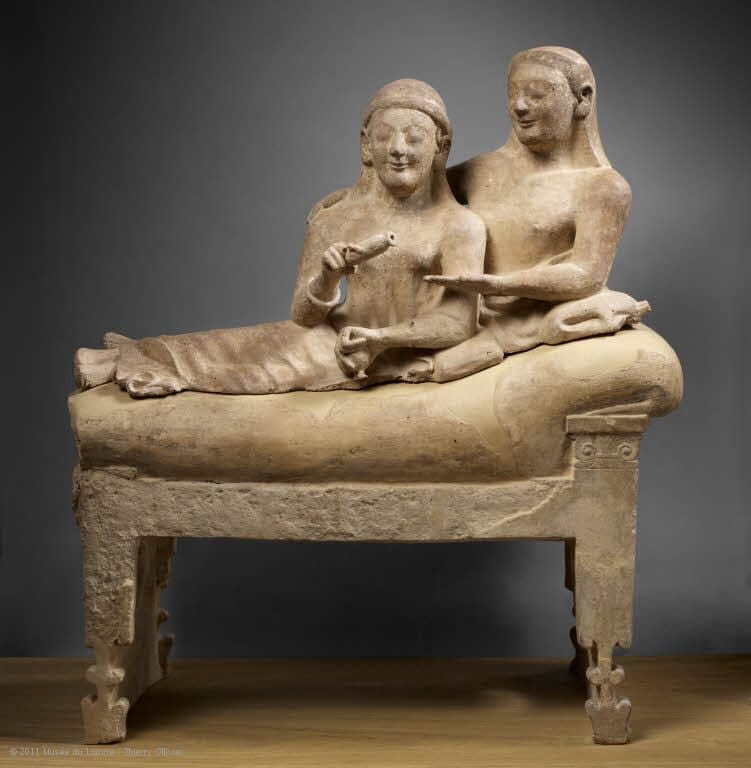
One of many paired Etruscan funerary urns, 500s BC. It is generally held that the spouses depicted are sharing a meal. The wife may be passing her husband an aromatic liquid, perfume or oil, while in her left hand she holds a pomegranate, the symbol of immortality. Hm. Two on
Archive · Art · Moscow · Mores
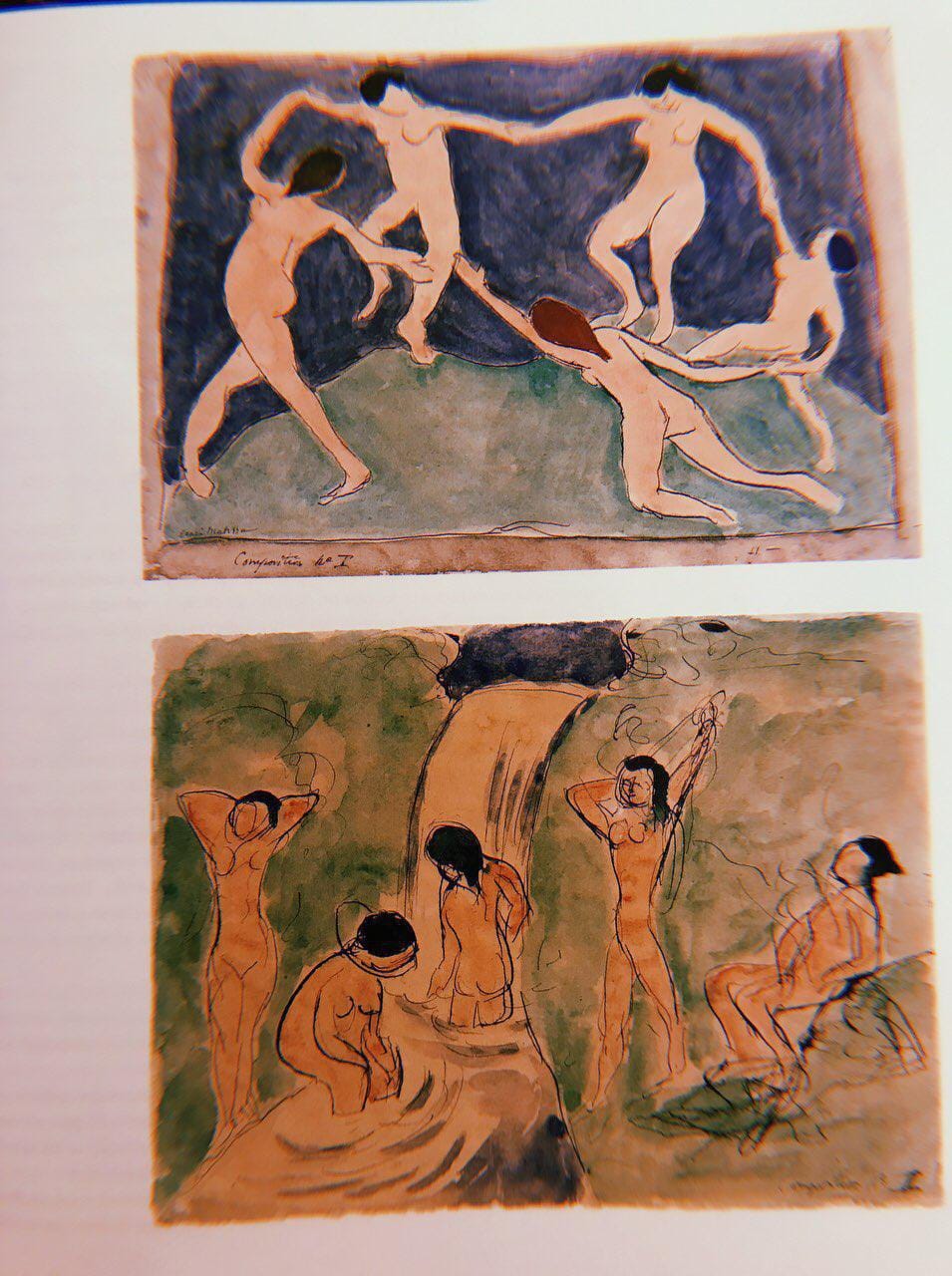
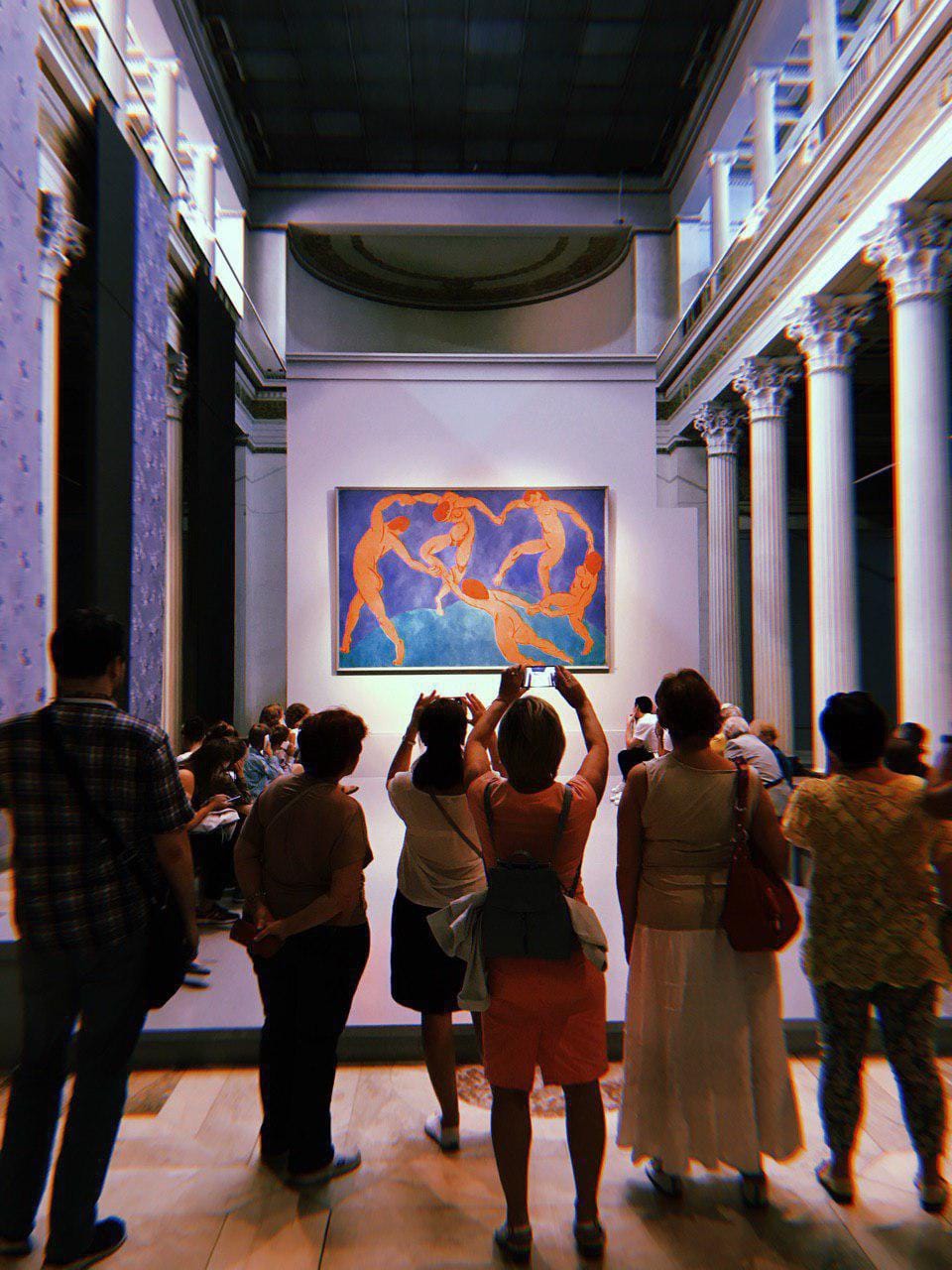
The Russians bought so much Matisse that admirers and friends even asked him whether his pictures would soon be visible only in Moscow. Shchukin commissioned Dance as a large panel for a staircase landing, together with a second large canvas, Music. A touching correspondence passed between patron and painter: on
Archive · Art · Moscow · Museums
The calling card of the Shchukin collection: Henri Matisse's Dance. Matisse's canvases occupy a special place in Shchukin's collection, just as the artist himself does in the life of the collector. As for Shchukin's place in the life of Matisse, the reformer
Art · Moscow · Museums · Observations · People · Saint Petersburg
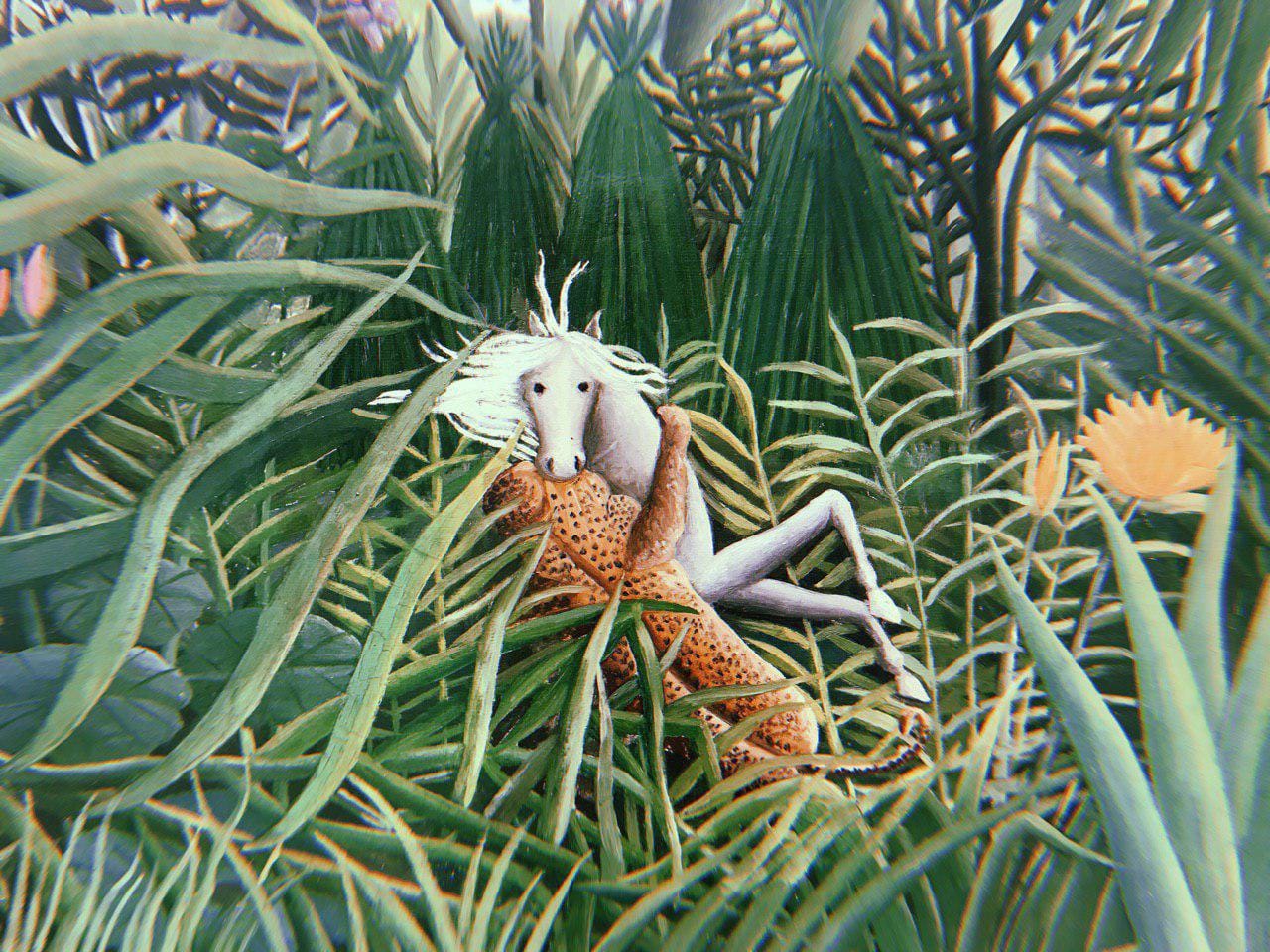
Henri Rousseau, Matisse, Picasso: Sergey Ivanovich Shchukin devoted 20 years of his life to acquiring paintings from the finest French artists of the late 19th and early 20th centuries. The collection of Impressionists, Post-Impressionists, Cubists and Fauves cost the merchant 1 million francs; today its value is estimated at
Aristocracy · Art · Observations · Mores
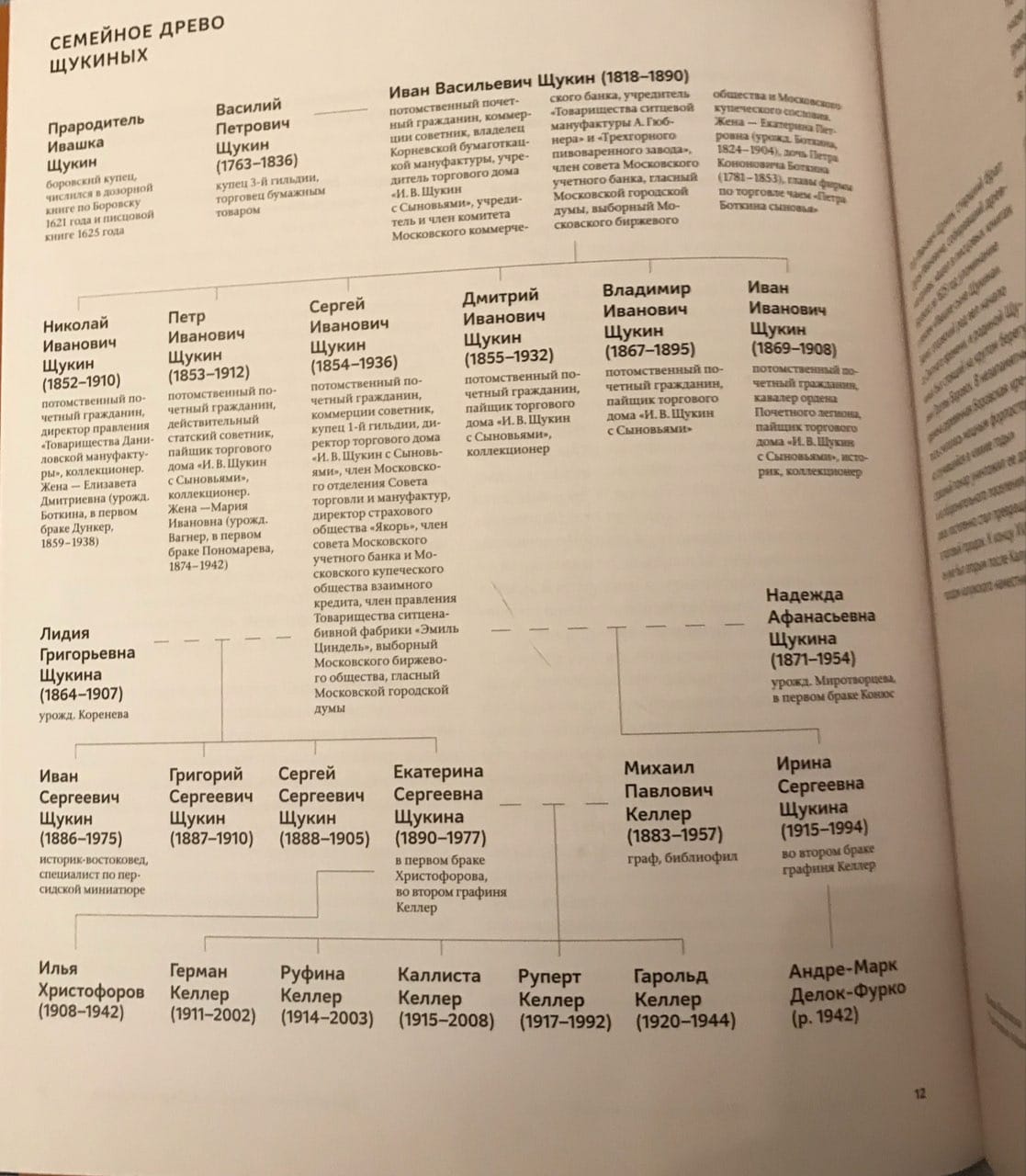
Do you know what is curious? The daughters of Sergei Ivanovich Shchukin by different women, Ekaterina and Irina, were both married to Counts Keller. The elder married the bibliophile Mikhail Pavlovich, and the younger his nephew, and from that marriage was born André-Marc Delocque-Fourcaud, one of the organisers
NB! · Art · Observations · Humour
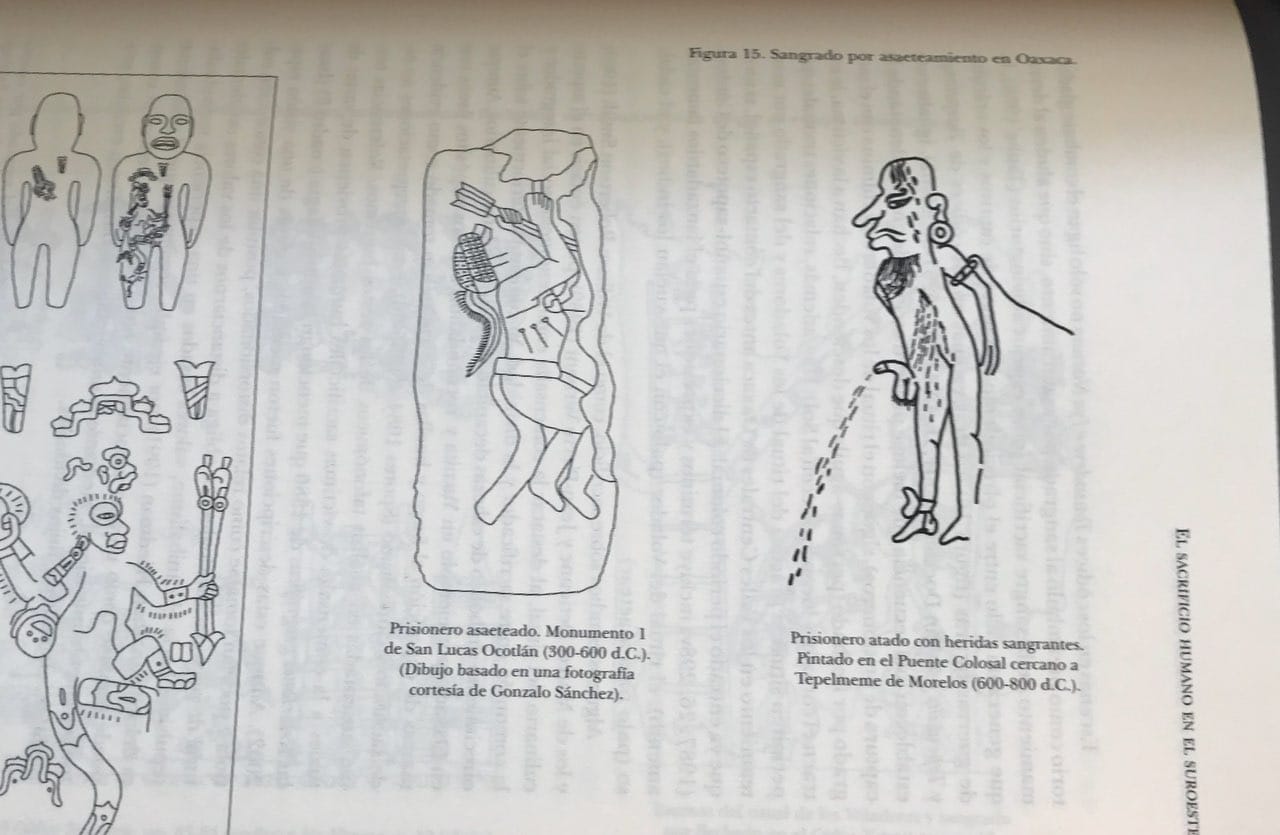
There are only two kinds of captive. The prisoner taken in battle (suffering in some cave) and the bound captive with bleeding wounds (relieving himself without the aid of his hands, gazing proudly). Which of the two is our favourite, I think, needs no explaining
NB! · Art · Observations · Humour
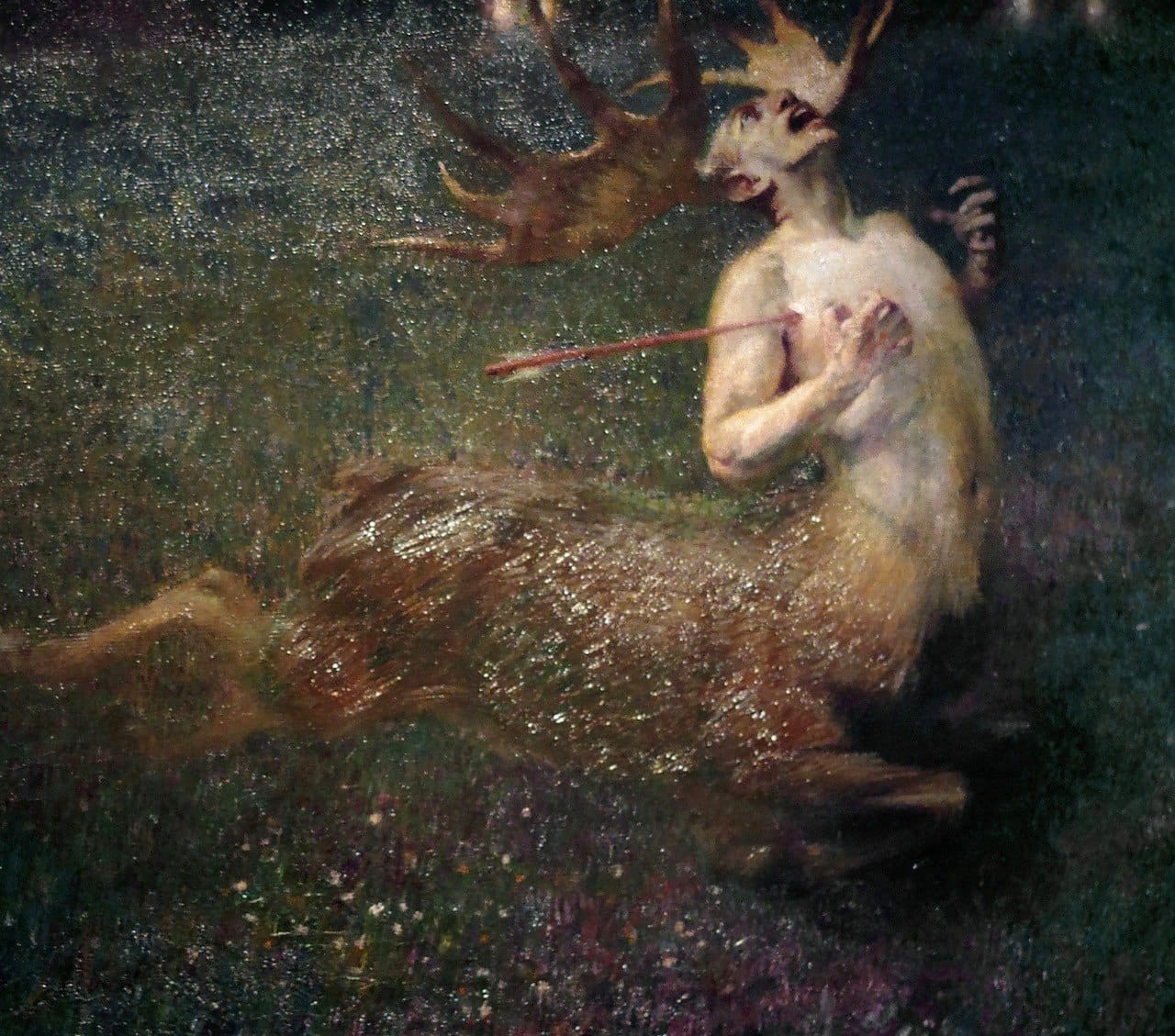
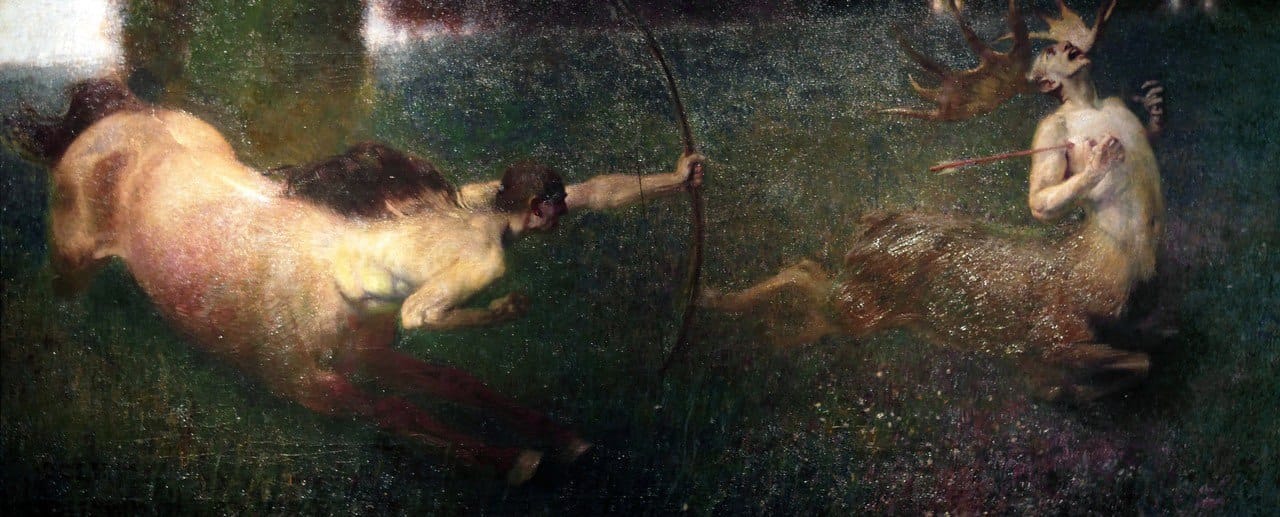
Just look at this centaur! Isn't it the very image of the slaying of the sacred stag? Though here the deed is done by another mythical creature
Art · Observations
The Wild Hunt, 1890. For me, this is the favourite work of the remarkable Bavarian artist Franz von Stuck, incidentally the teacher of Kandinsky. The elongated horizontal canvas, the arrangement of the figures and the dark colours make the painting resemble cave art. Mystery, tragedy, magic, fate and beauty. I
NB! · Archaeology · Art · Observations
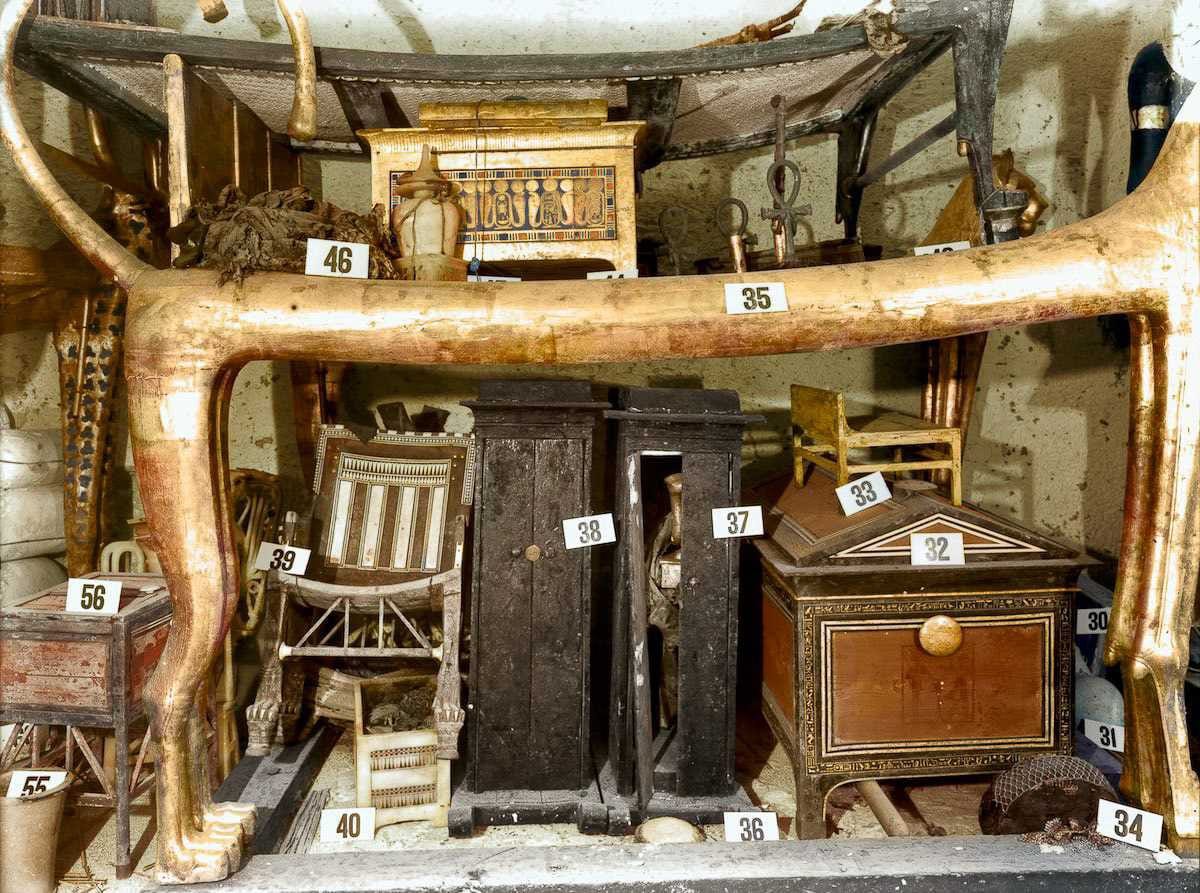
The furnishings from Tutankhamun's tomb are, for me, among the most powerful aesthetic experiences. It is scarcely credible that this dates from the 1300s BC. I can quite easily picture the golden couches in the form of lions and bulls, the heads of the celestial cow, the chests,
NB! · Art · Observations · Humour
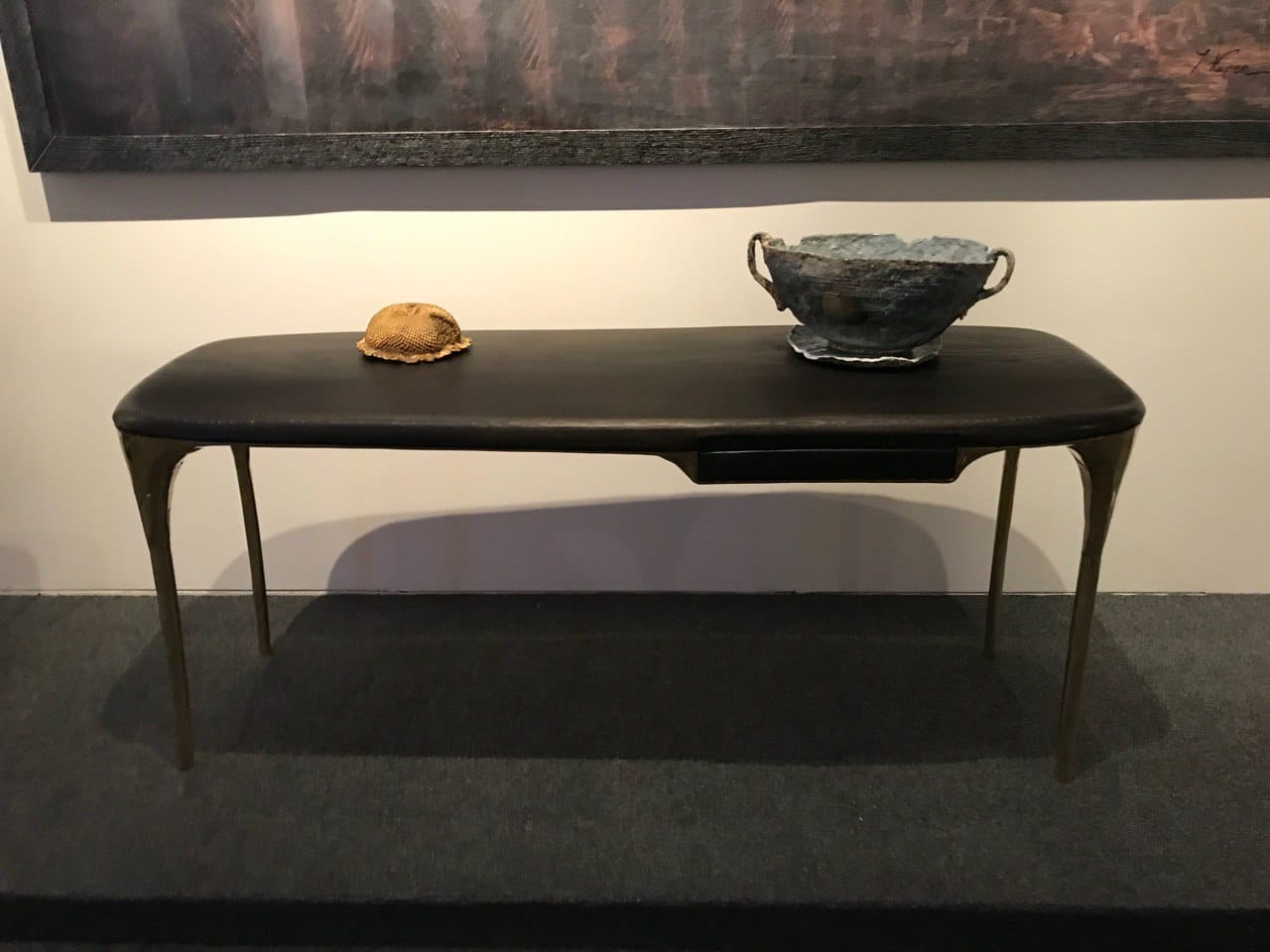
Spotted a table by a Dutch master, rather like something from Tutankhamun's storeroom. But it also costs 30 thousand euros 😭
NB! · Art · Moscow · Observations · Society Pages · Humour
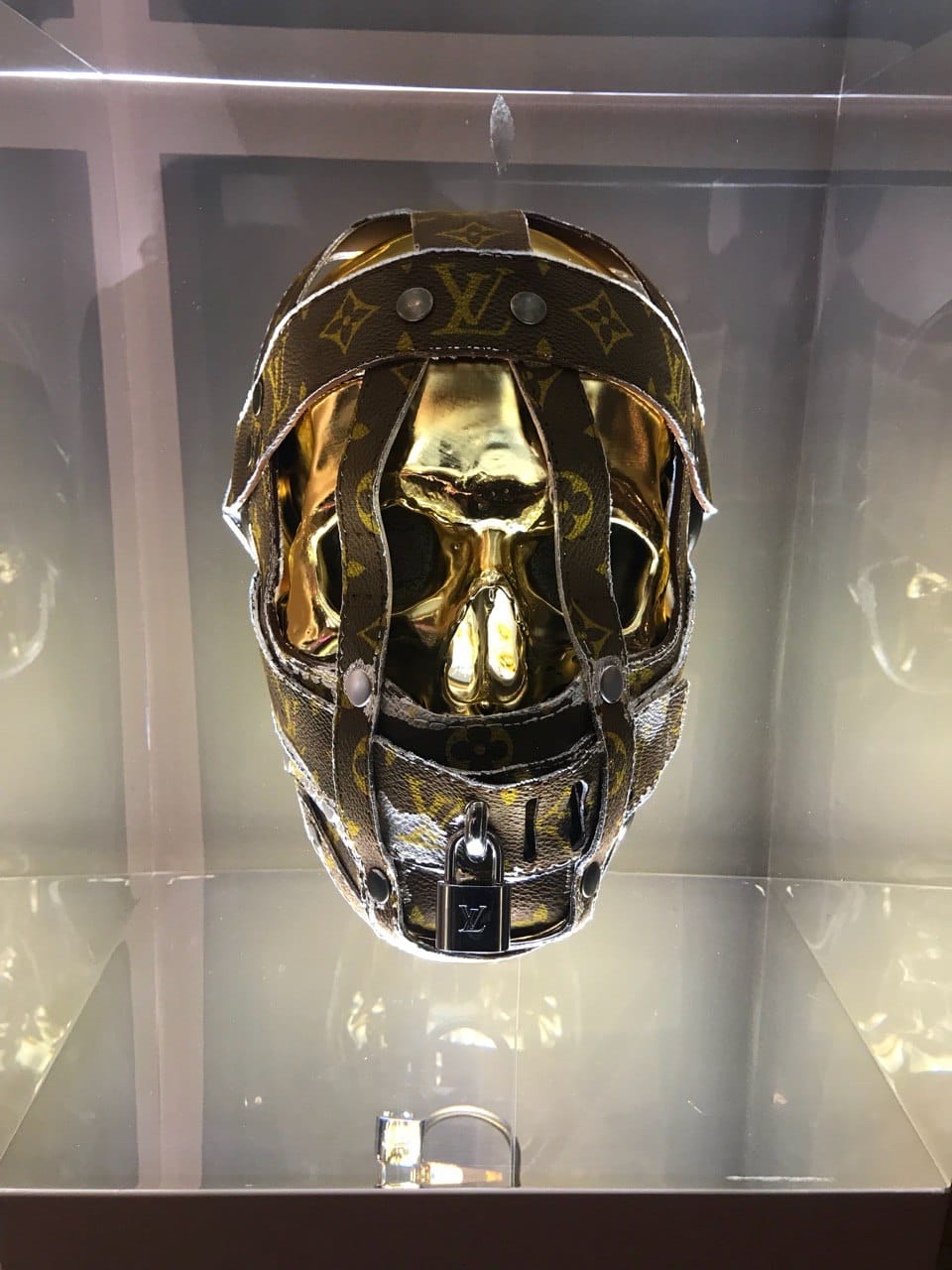
Well, the Cosmoscow opening was a success. There are plenty of splendid things, but their prices are more splendid still