Friday, 2 October 2026
Section · 664 stories

Archaeology

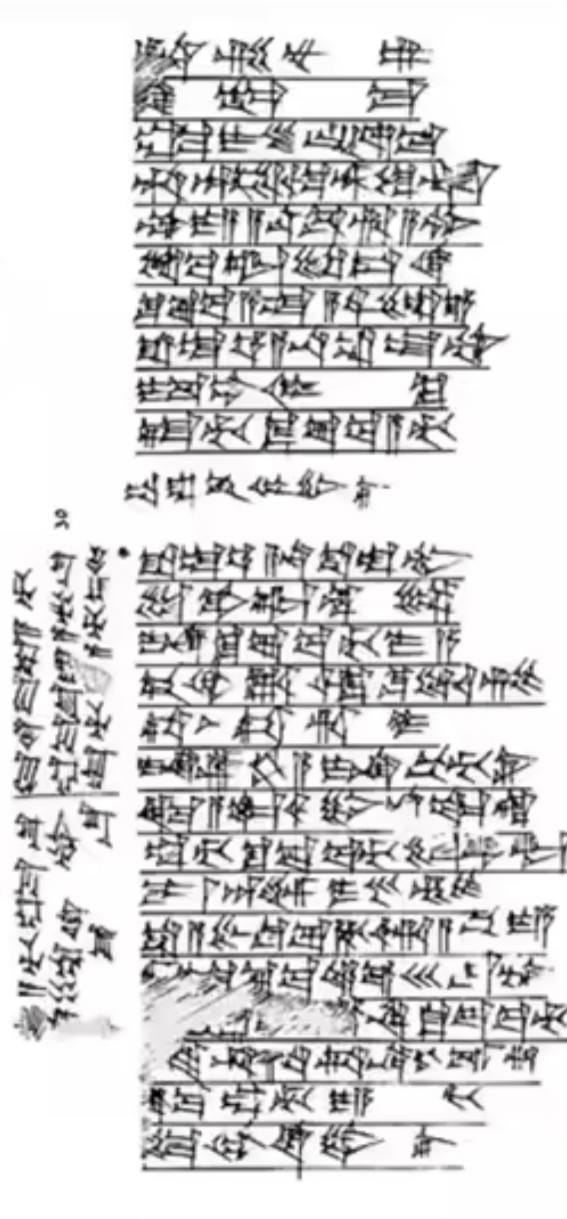
The text of a clay tablet: a letter to his mother from a son who complains that she does not buy him fine clothes, while the clothes of the other young gentlemen grow finer with every passing year

Archaeology · Archive · The East · Observations · Mores · Humour

The text of a clay tablet: a letter to his mother from a son who complains that she does not buy him fine clothes, while the clothes of the other young gentlemen grow finer with every passing year

The boy cites the son of his father's assistant, who has two new sets of clothes. "Even though you bore me, and his mother merely adopted him, his mother loves him, and you do not love me!" 3,500 years have passed, and so little has
By Alexandr Radayev
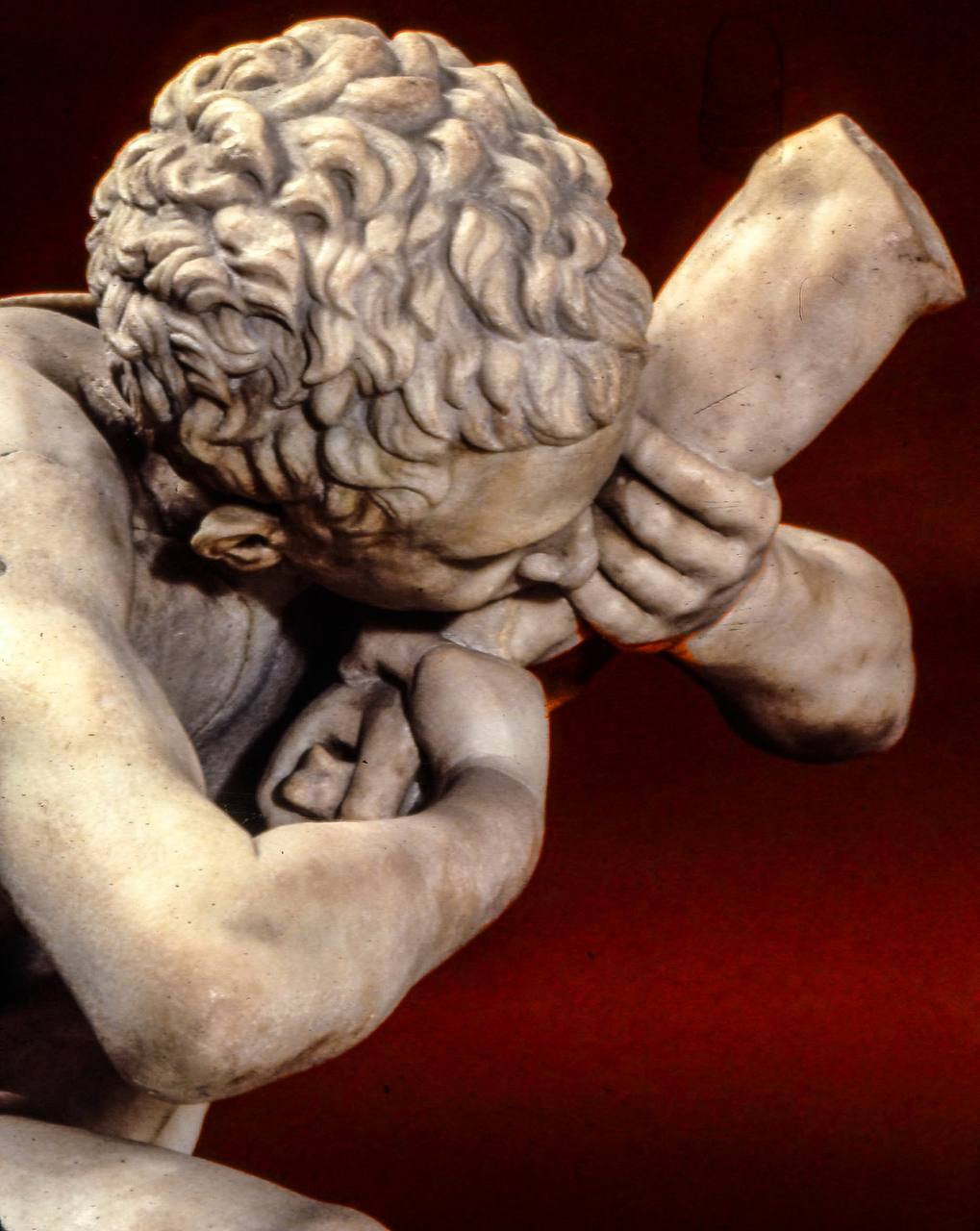
The Roman marble figure of the 2nd–1st centuries BC, found in the Baths of Titus and showing a youth biting the hand of his companion, was at first known as the Cannibal

Archaeology · Art · Museums · Observations · Rome

The Roman marble figure of the 2nd–1st centuries BC, found in the Baths of Titus and showing a youth biting the hand of his companion, was at first known as the Cannibal

The Roman marble figure of the 2nd–1st centuries BC, found in the Baths of Titus and showing a youth biting the hand of his companion, was at first known as the Cannibal. One man bites another man: who can he be, if not a cannibal? But in 1760 the

By Alexandr Radayev
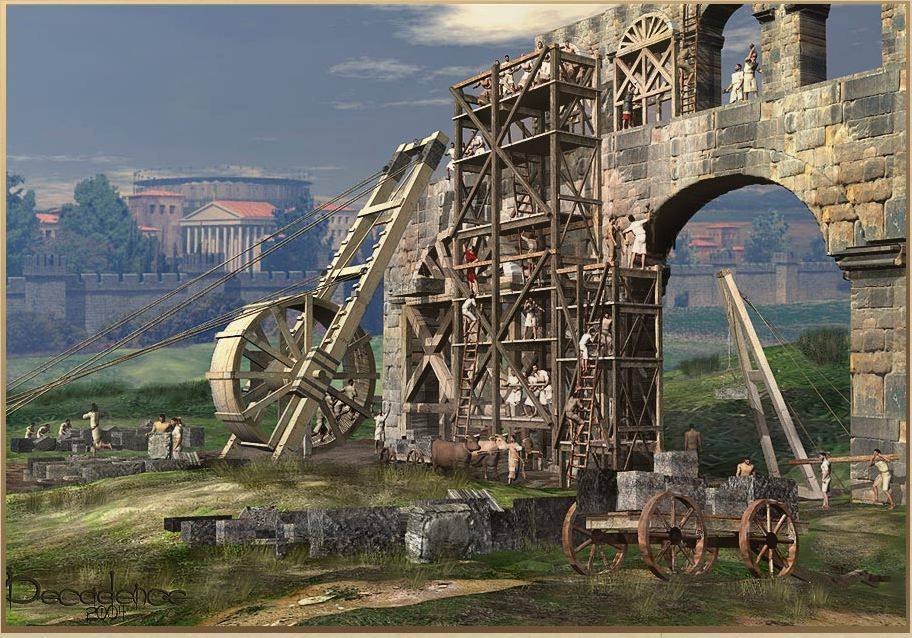
The illustrations of the building of the Aqua Claudia show Roman construction machinery made entirely of wood and driven by human muscle

Archaeology · Architecture · Science

The illustrations of the building of the Aqua Claudia show Roman construction machinery made entirely of wood and driven by human muscle

Sophisticated hoisting machines existed in Ancient Egypt too, though they bore little resemblance to modern cranes, being systems of inclined planes and levers. A crane similar to those depicted here appeared in Ancient Greece and is known as early as the 500s BC; the Romans improved upon the Greek design

By Alexandr Radayev
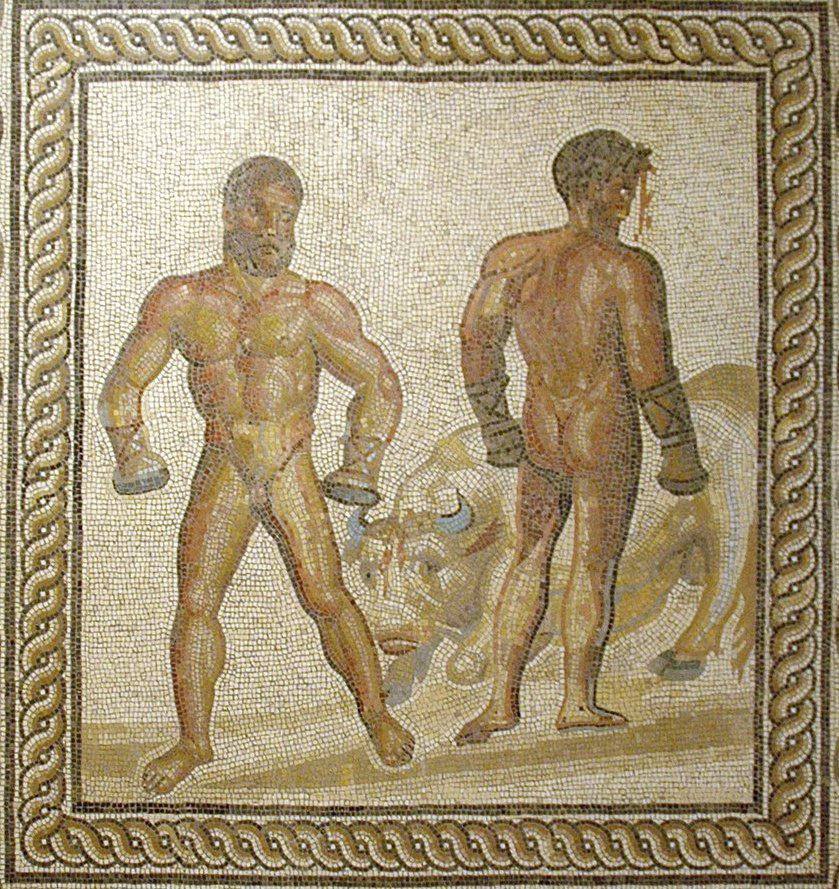
Roman pugilists fought absolutely naked, wearing only a kind of glove known as the caestus on their hands, studded with metal strips or balls, which often made the bouts end in death

Archaeology · Mores · Rome

Roman pugilists fought absolutely naked, wearing only a kind of glove known as the caestus on their hands, studded with metal strips or balls, which often made the bouts end in death

Roman pugilists fought absolutely naked, wearing only a kind of glove known as the caestus on their hands, studded with metal strips or balls, which often made the bouts end in death. Gladiators' gloves also had iron spikes. This part of the fighting culture came from Ancient Greece

By Alexandr Radayev
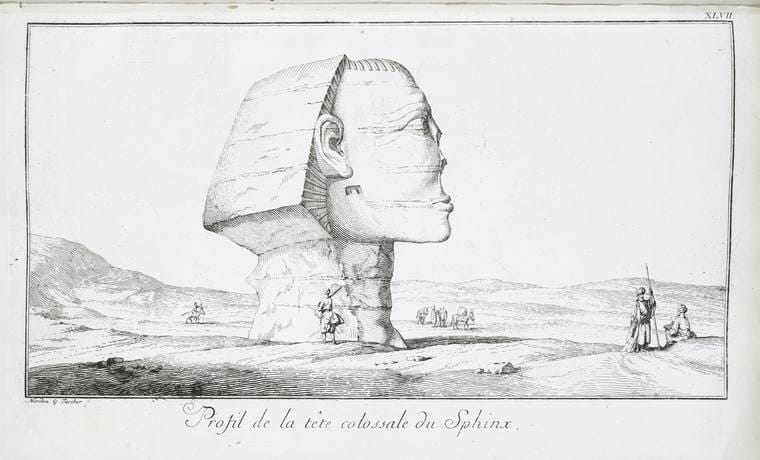
The second great myth about Napoleon, after his short stature, is the story that on Napoleon's orders the Great Sphinx was shot in the face with a cannon and had its nose knocked off

Archaeology · The East · Monarchies · Museums · Heritage

The second great myth about Napoleon, after his short stature, is the story that on Napoleon's orders the Great Sphinx was shot in the face with a cannon and had its nose knocked off

The second great myth about Napoleon, after his short stature, is the story that on Napoleon's orders the Great Sphinx was shot in the face with a cannon and had its nose knocked off. The legend is easily refuted by images of the Sphinx made before Bonaparte was

By Alexandr Radayev