Archaeology · Art · Museums
Pink Sarcophagus
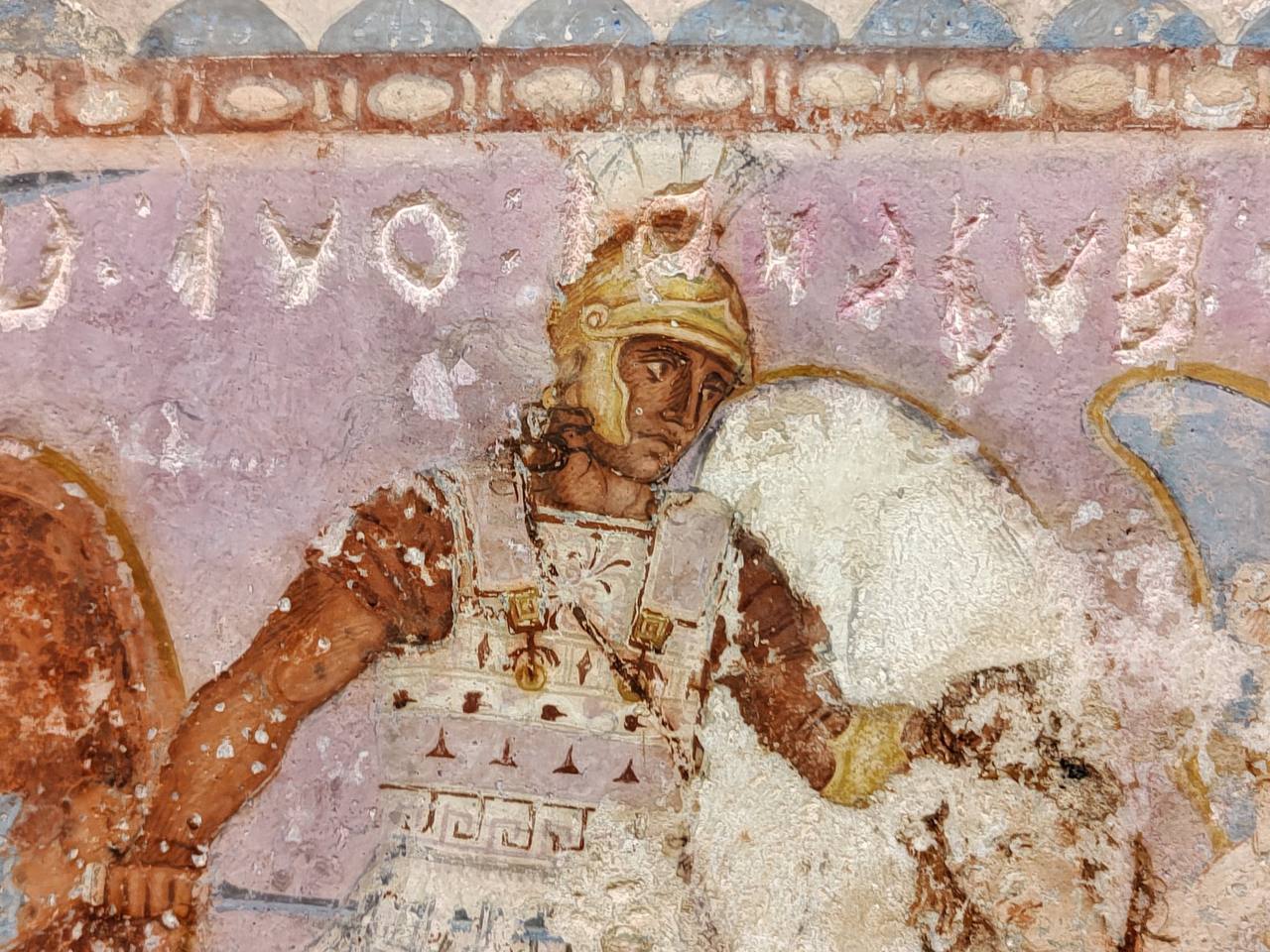
Pink sarcophagus. 4th century BC. Archaeological Museum of Florence. The Etruscan women knew a thing or two about colour

Archaeology · Art · Museums
Pink sarcophagus. 4th century BC. Archaeological Museum of Florence. The Etruscan women knew a thing or two about colour
Archaeology · Art · Observations
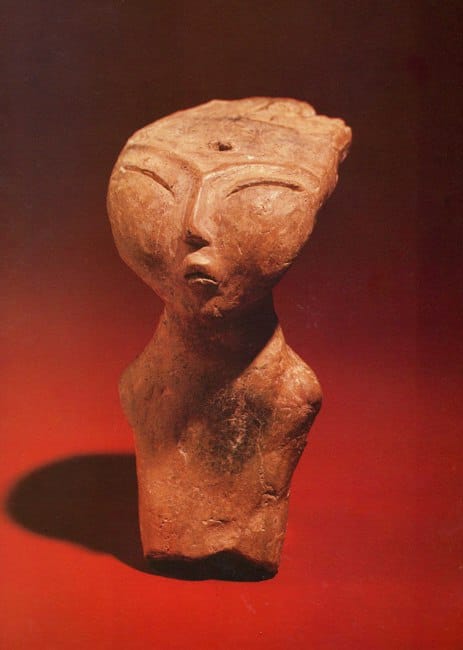
The figurine was named Nefertiti at once, as soon as it emerged from the ground during excavations at the settlement of Kondon-pochta. So strong was the impression made on the archaeologists by the beauty of this ceramic woman. The Neolithic statuette was so unlike anything ever found before that
Archaeology · Geography · Heritage
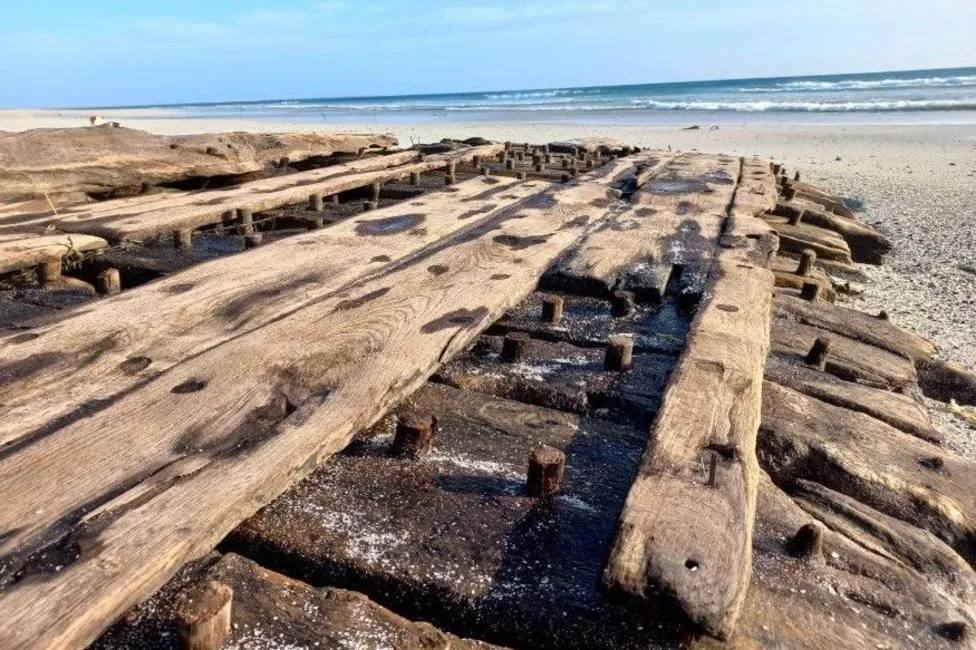
A large fragment of a sixteenth-century ship has been found on a beach on one of the Orkney Islands in the north of Scotland. Traces of shipwrecks in the distant past have been found in these parts before, but never has so substantial and well-preserved a piece of
NB! · Archaeology · Architecture · Heritage
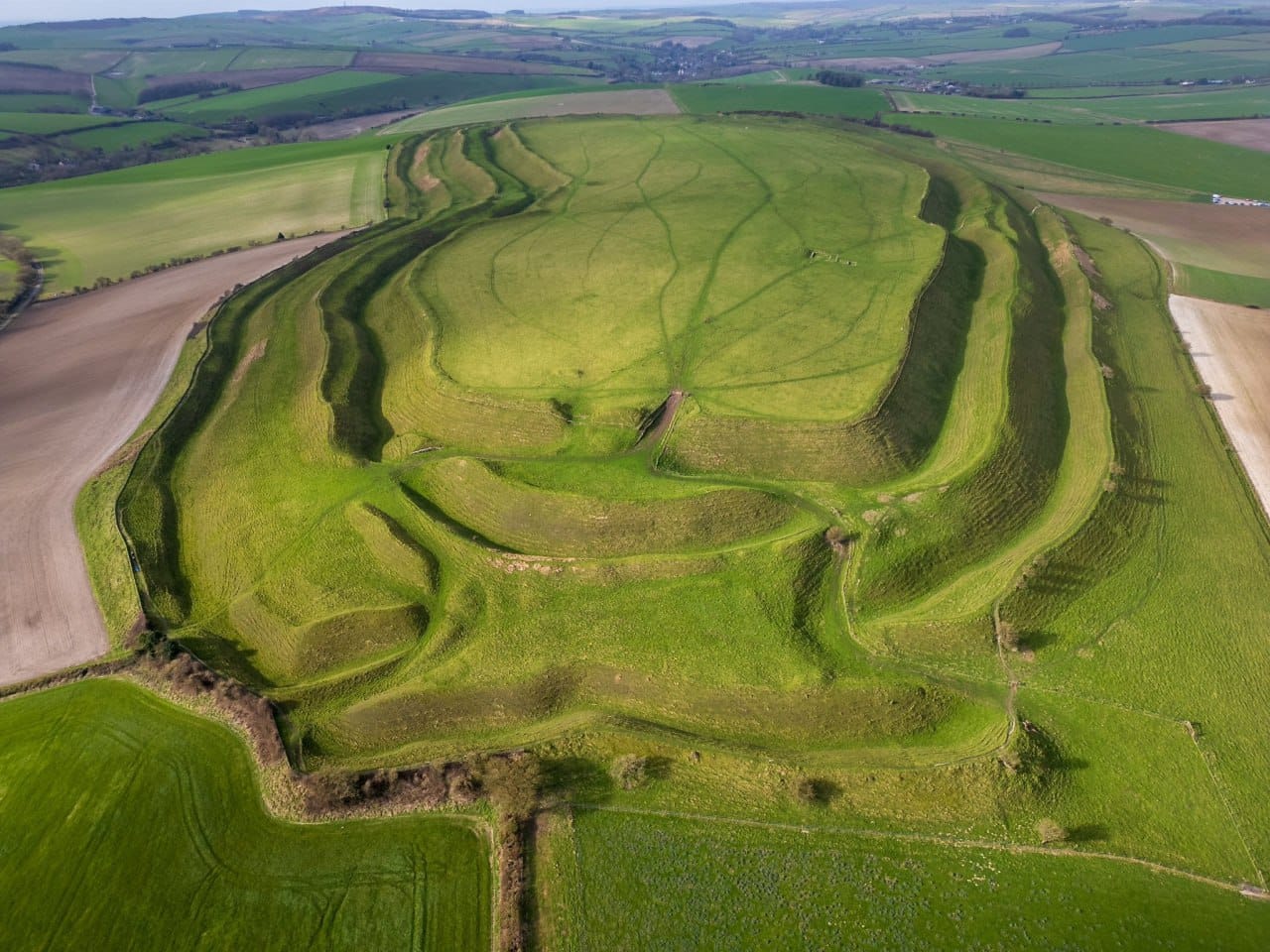
Maiden Castle in Dorchester, England, is the largest Iron Age fortification in Europe. The castle was built in the 600s BC and is, in principle, still fit for its original purpose: one need only add a palisade and a few simple buildings, and voilà, ready for defence!
NB! · Archaeology · The East · Art
Archaeology · Science
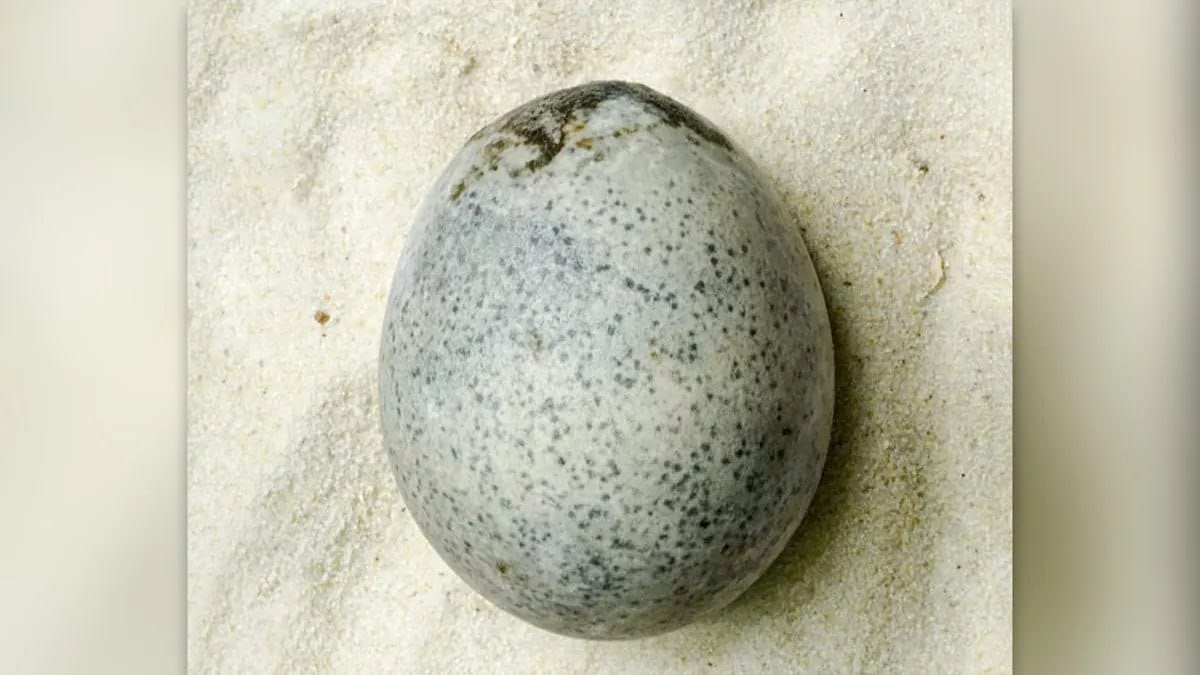
An egg with its yolk and white intact, 1,700 years old, has been found in England. The egg was discovered during the excavation of a Roman-period site in Aylesbury, 60 kilometres north-west of London, together with three other eggs, which broke on being dug out, releasing a
Coming Up · Archaeology · Art · Museums · Observations · Rome
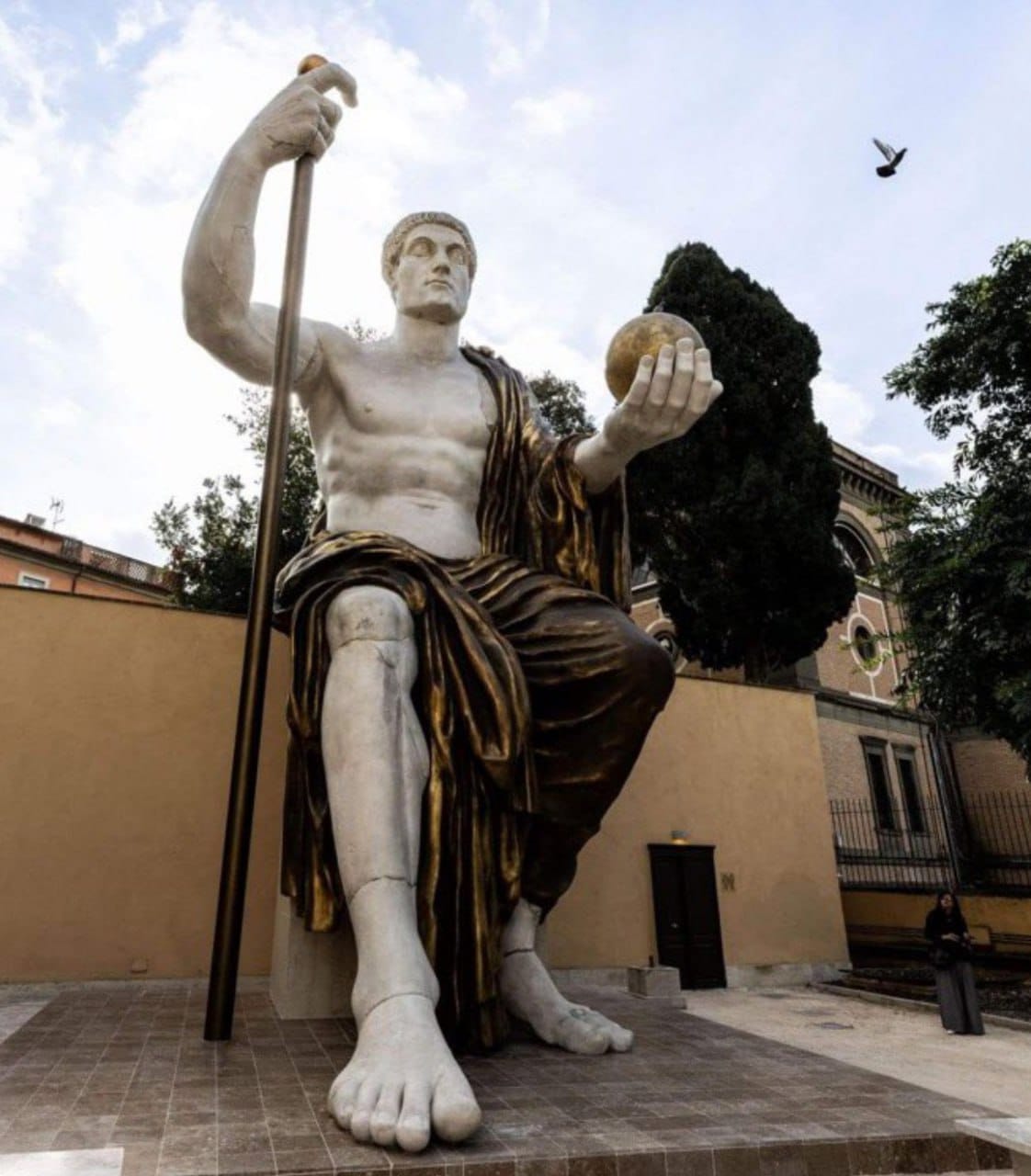
The reconstructed statue of the seated emperor in a gilded tunic, with a sceptre and an orb in his hands, was shown in Milan last year as part of the Recycling Beauty exhibition. It is a pity that nowhere is anything said about the mass of the gigantic sculpture or
NB! · Archaeology · The East · Art · Museums
Archaeology · Art
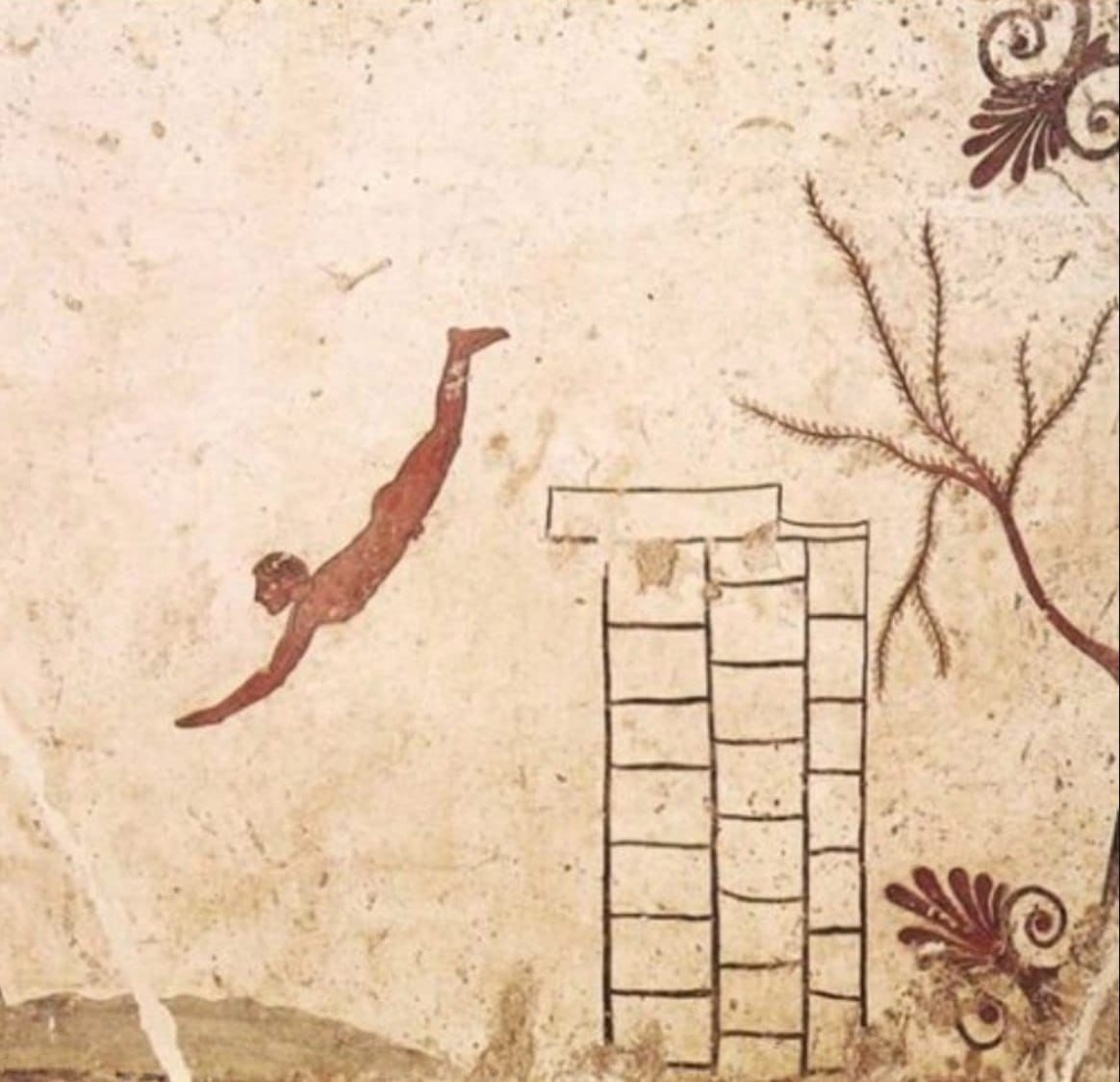
The painting of the so-called Tomb of the Diver, 480 BC, at Paestum, a Greek colony in Italy. This rarest example of fresco painting from the period of Classical Greece shows not merely a youth diving into a pool or the sea, but a man making the leap into
Archaeology · Museums · Heritage
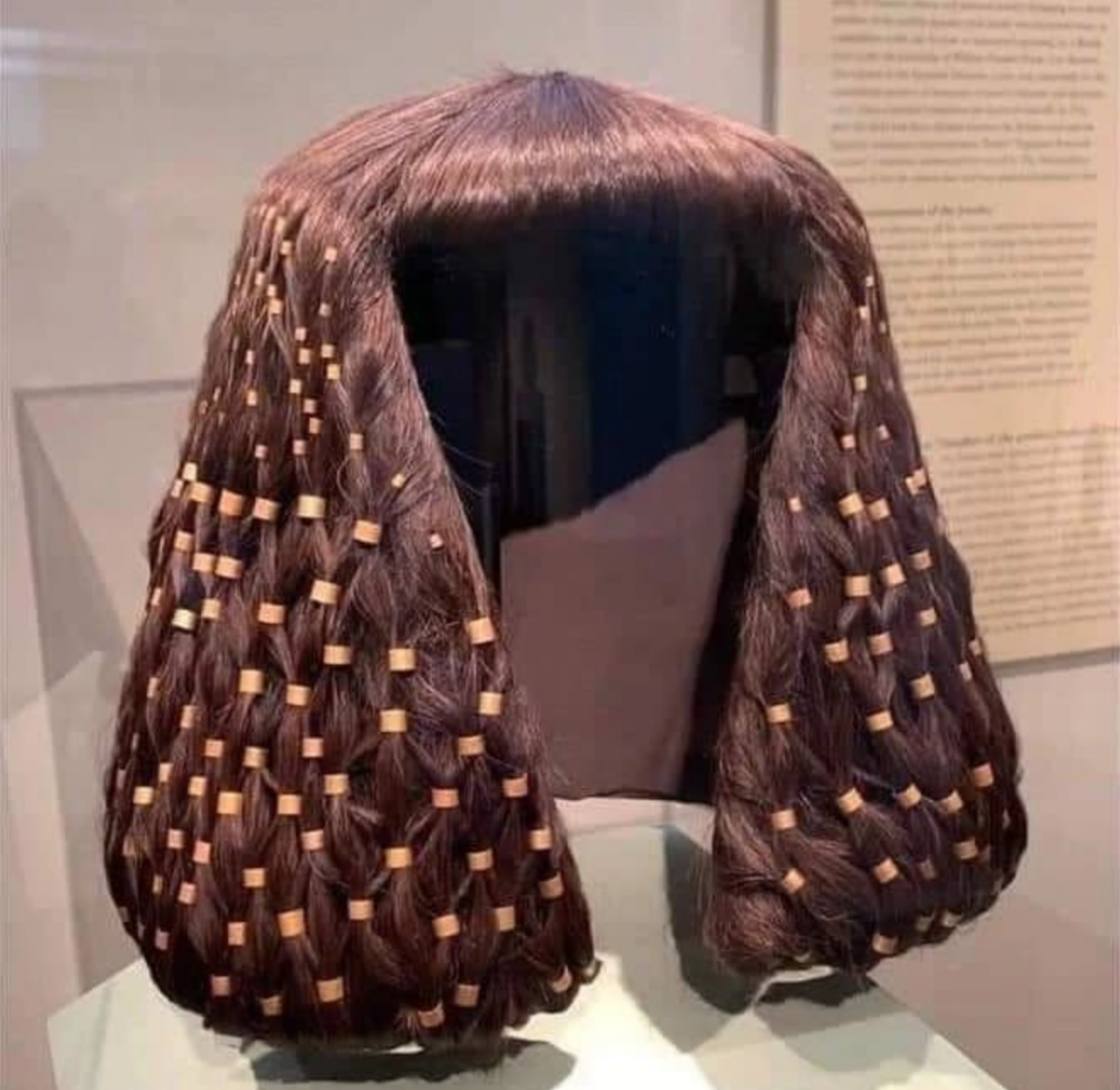
Can you imagine that this wig is 3,900 years old? This ancient Egyptian wig from the collection of the British Museum dates to the 12th Dynasty and was acquired in the nineteenth century. Naturally, the wig owes its superb state of preservation to restoration, so perhaps not every hair
NB! · Archaeology · Faith · Ethnography
NB! · Archaeology · Heritage · Nature