ONE'S OWN REPTILOIDS: LET US SETTLE ACCOUNTS
Crocodiles, like birds, are the closest living relatives of the dinosaurs. And if the appearance of birds has undergone startling changes over the millions of years, the bandy-legged, pot-bellied and goggle-eyed crocodiles look almost exactly as their ancestors looked hundreds of millions of years ago.
It is precisely the appearance of modern birds that makes their kinship with the ancient giants so astonishing. And the more children's colouring books about dinosaurs you once ploughed through, the stronger this astonishment is, and the more... groundless. Some present-day researchers hold that the skin of the ancient dinosaurs was by no means necessarily like that of a forty-year-old raver after a three-day trip. Scientists seriously suppose that very many dinosaurs would not have fallen for the advertising copy about the benefits of chlorhexidine and chia masks for a softer complexion. Because they were covered in feathers!
Yet the talk that crocodiles are as like as two peas in a pod to all the other archosaurs is not quite sound either. They also differ quite considerably from many ancient crocodyloids.
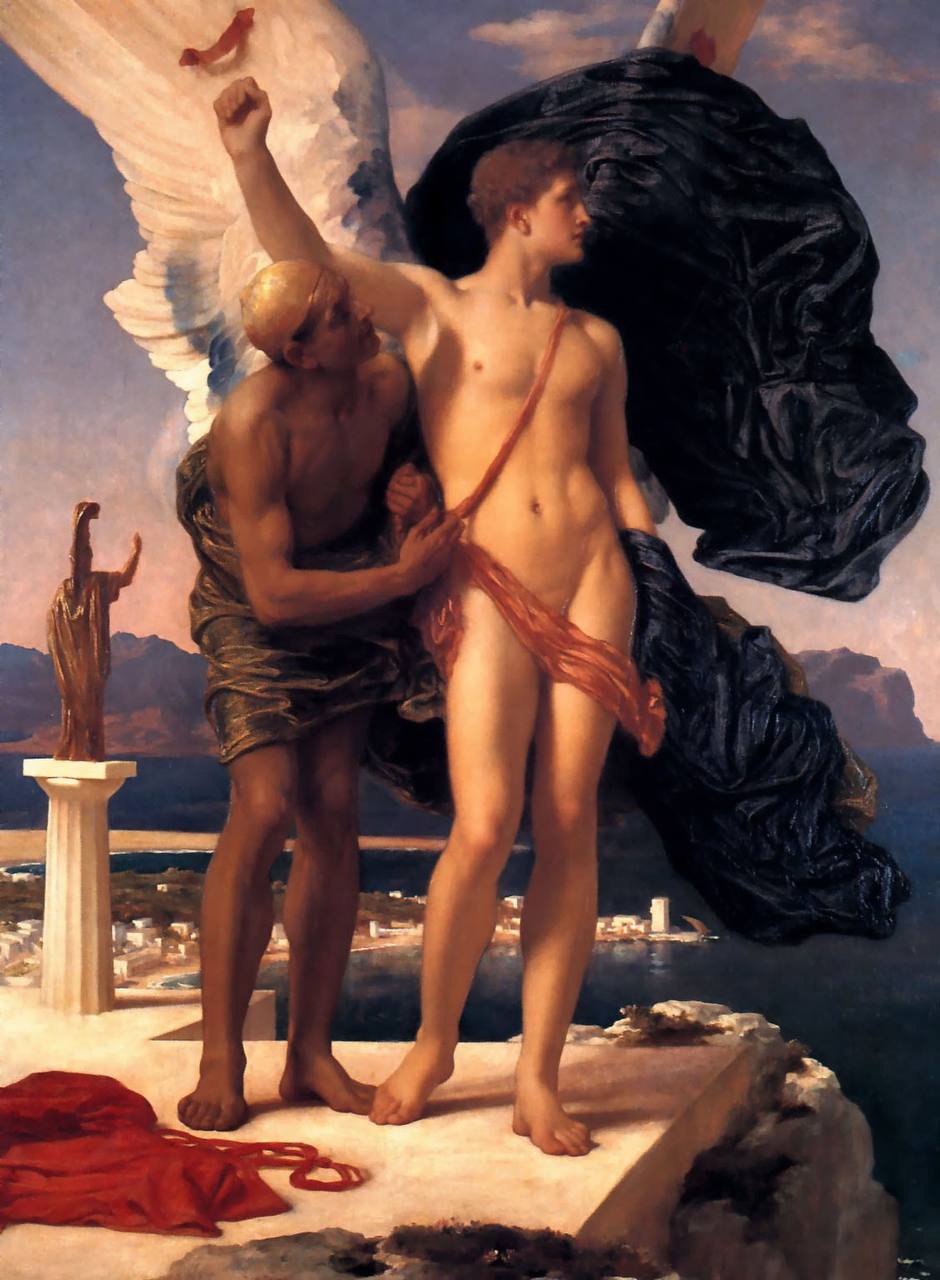
Firstly, many of the most ancient crocodiles lived mainly not in water but on land. For example, Hoplosuchus kayi, which lived 140 million years ago on the territory of present-day Utah, was a tiny creature with teeth no bigger than needles, and fed on insects and small animals. Metriorhynchus, by contrast, lived only in water and resembled a modern dolphin. The blunt-snouted crocodile Simosuchus from Madagascar lived on land and, like many a dullard, ate mostly only grass. The most outstanding of the crocodiles was Deinosuchus, comparable in size to an Icarus, which fed, among other things, on tyrannosaurs.