Genevieve von Petzinger compiles a database of Ice Age cave signs across Europe
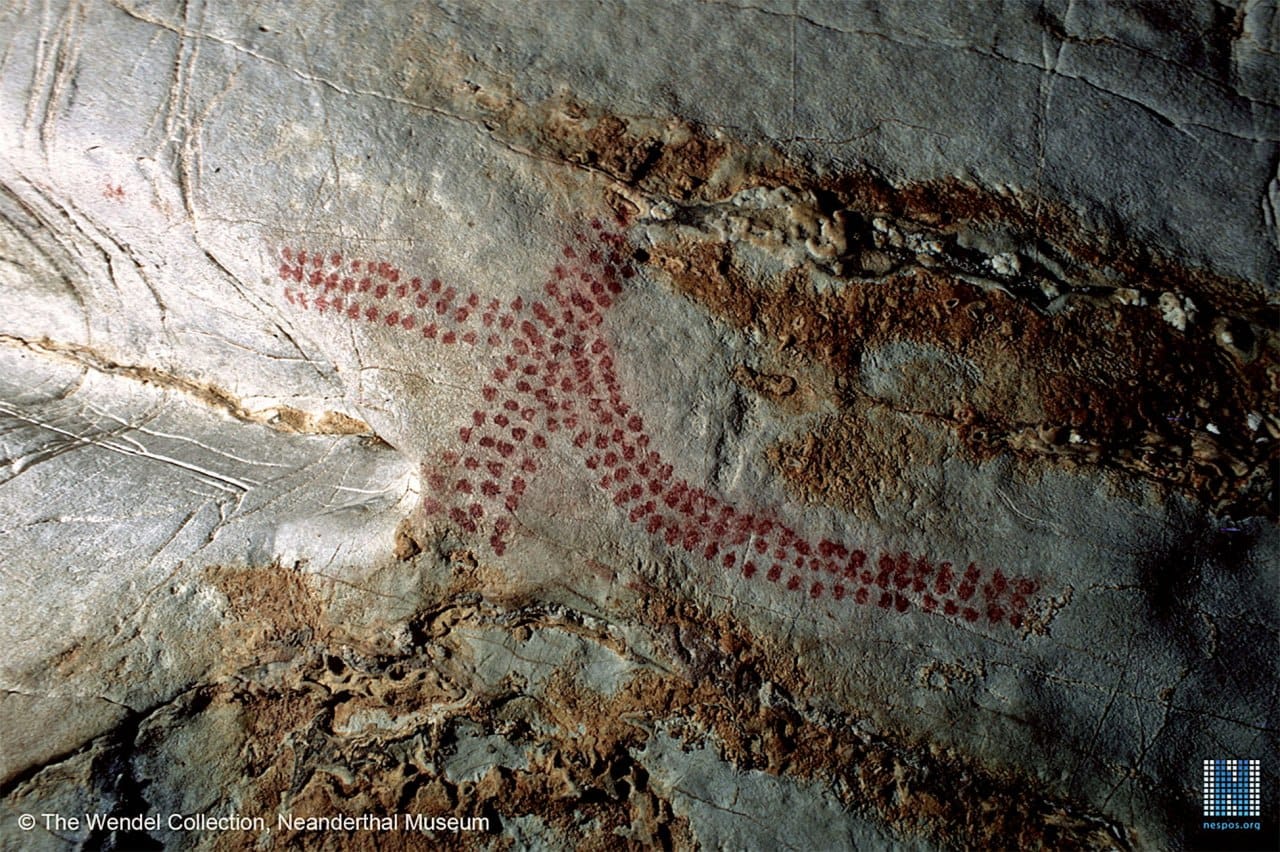
Geneviève von Petzinger, a Canadian palaeoanthropologist, studies the signs that people of the Ice Age left on cave walls. Alongside the famous images of horses and bison, one often finds dots, lines, triangles, spirals and other simple figures. For a long time these symbols were taken to be ornaments with no meaning attached, which is why they were scarcely studied at all. Yet there are at least twice as many such signs in the caves as images of animals, which one might have thought would arouse certain suspicions.
In 2007 von Petzinger began to gather these signs into a single database. She drew on descriptions of more than 350 sites in Europe. Some caves in Spain, France and Sicily she surveyed herself, documenting the finds.
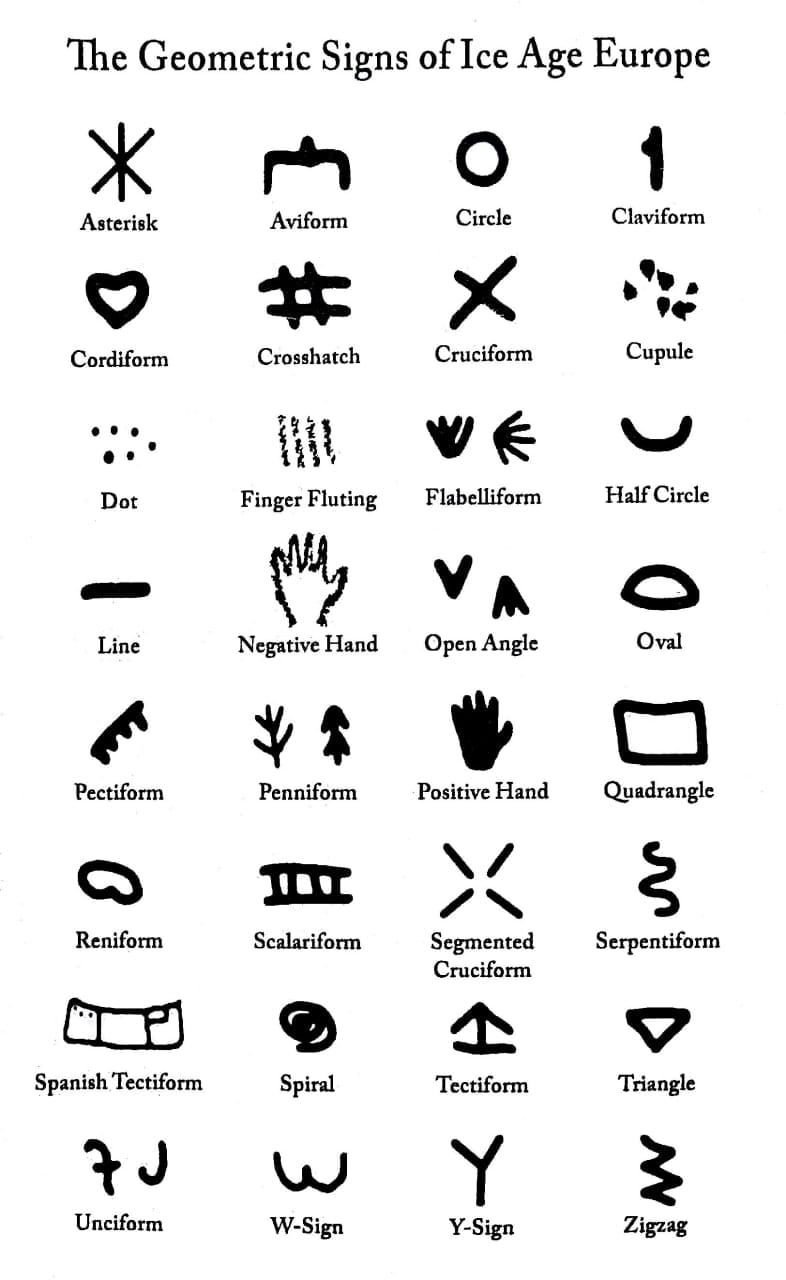
In the end the researcher established that over 30,000 years, from roughly 40,000 to 10,000 years ago, people across Europe used only 32 types of sign. Among them are dots, asterisks, spirals and negative handprints. This is the name given to the outline of a hand that was pressed against the wall and blown round with paint.
It stands to reason that random scribbles would be far more varied, rather than falling into a quite specific list. Most important of all, the same signs recur across the whole continent over the course of millennia.
About two thirds of these signs are found already at the very oldest sites. That is to say, people evidently used them from the moment of their appearance in Europe.
Von Petzinger goes further and suggests that these signs were not invented on the spot but brought along with the newcomers. Some of them may have belonged to a broader system that had taken shape even before people left Africa.