Rodin's Monument to Balzac, from the Nude Study to the Scandal at the 1898 Salon
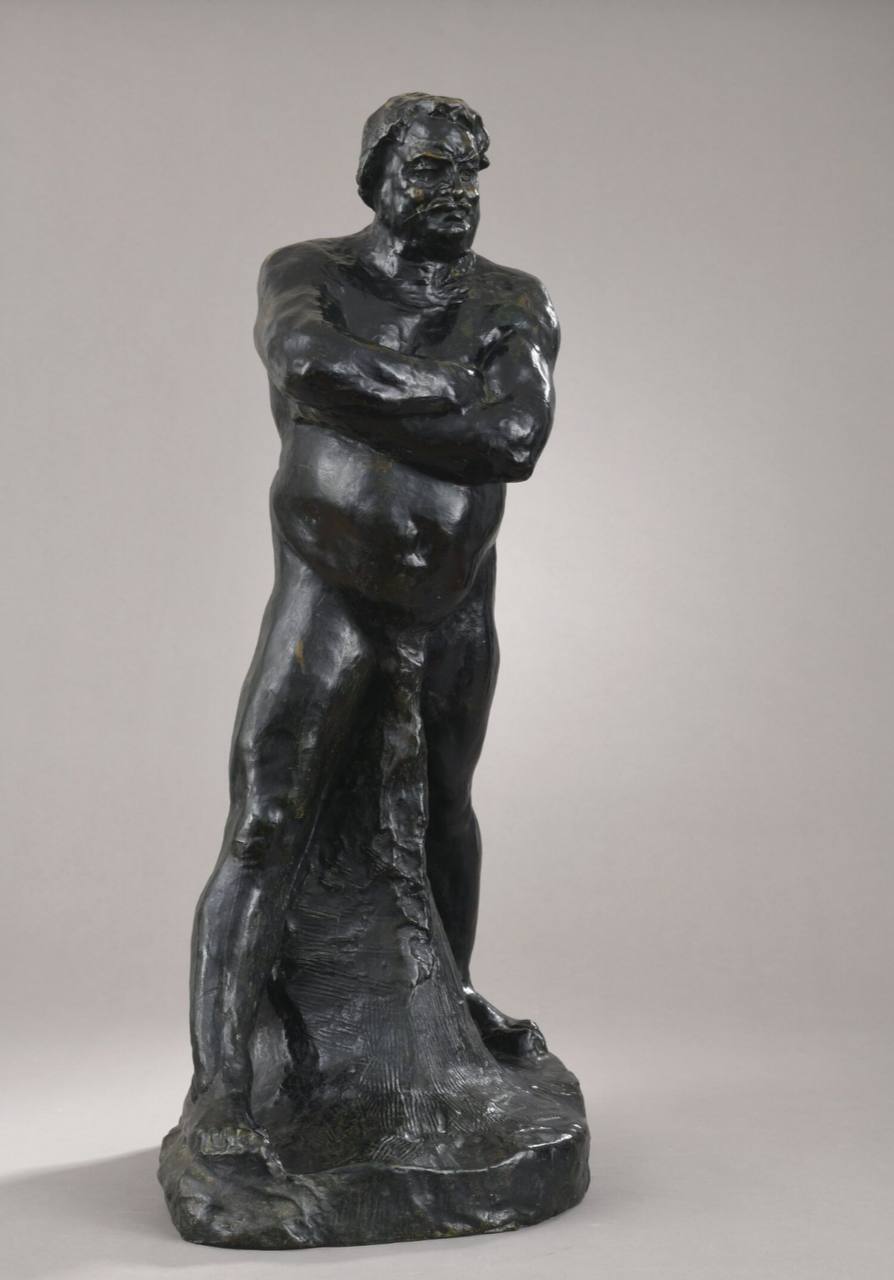
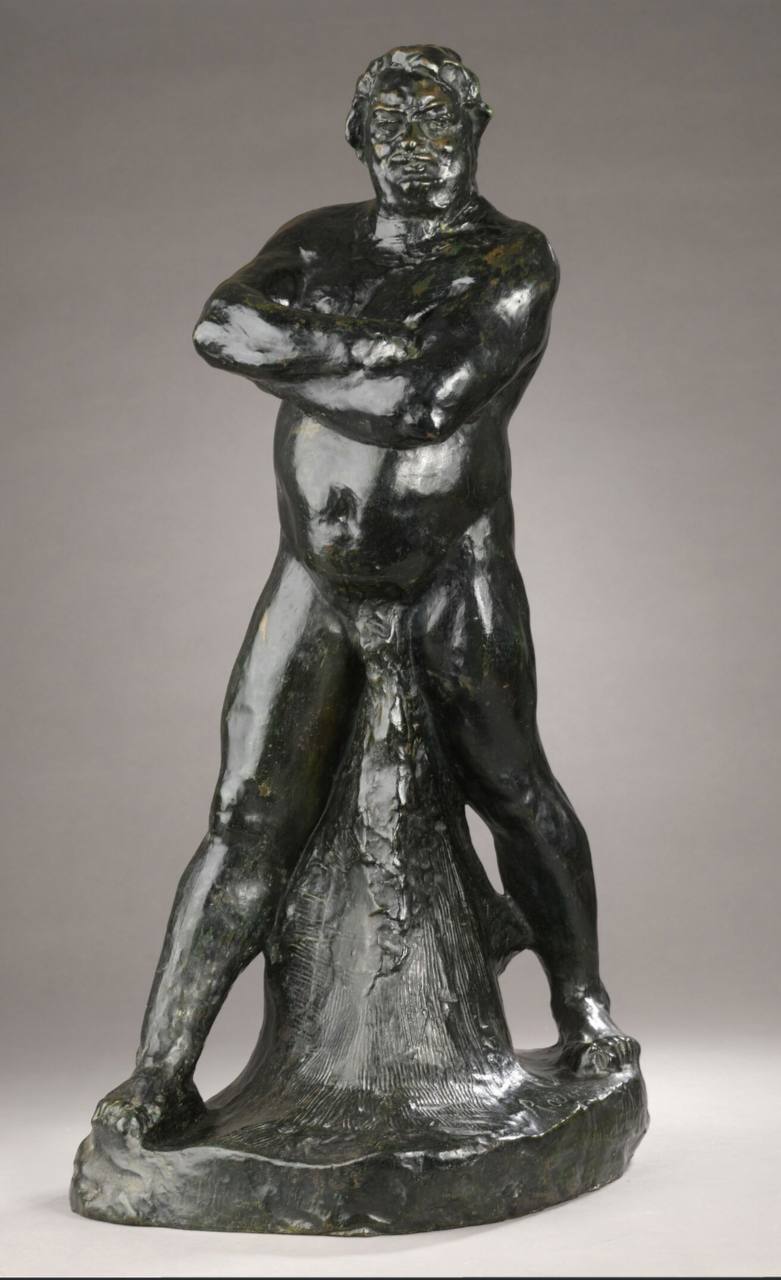
While working on his famous monument to Balzac, often dismissed as a shapeless monstrosity, Auguste Rodin produced several models and sketches. Among them is this nude study. Apart from Rodin, hardly anyone ever saw Balzac like this. And it was in this form that Rodin first conceived the monument to the classic.
When a public subscription for a monument to Dumas père was announced in France in 1880, Émile Zola wrote indignantly in Le Figaro that the country still had not a single monument to Balzac, who had glorified French literature and had died thirty years before. He declared that, against a hundred francs for the Dumas monument, he was ready to give a thousand francs for one to Balzac. And indeed, when in 1891 Zola took up the influential post of president of the Société des Gens de Lettres, he saw to it that Balzac's memory was commemorated.
At first, however, the project of the sculptor Henri Chapu was chosen. He presented a sketch showing the seated writer and an allegory of Truth holding out to him a mirror in which he sees Life passing by. But Chapu died in that same year, 1891, without having managed to complete his project. Zola, who thought little of Chapu's overly conventional idea, used all his influence to have the monument entrusted to Rodin, whom, incidentally, he had portrayed in his novel Work as the poor sculptor Mahoudeau.
Rodin's immersion in Balzac's work and character was impressive: he visited the places associated with Balzac, talked with his relatives, reread the memoirs about him and his letters, and even ordered from Balzac's own tailor a cloak exactly like the one the writer used to wear, so as to render his image more convincingly in the plaster model.
Rodin began with a nude model, and only afterwards was that very cloak draped over its shoulders.
Yet when in 1898 Rodin presented his work to the public at the Salon exhibition, not only was the Société des Gens de Lettres furious, but every newspaper in the country fell upon the statue with criticism. After the scandal the sculpture lay forgotten for several decades at Rodin's villa; it was not set up in Paris until 1939.