Victoria and Albert Museum opens exhibition on Constantinople and Istanbul on 7 November 2026
The Victoria and Albert Museum in London has at last done what museums usually avoid on administrative grounds: it has placed in a single gallery Byzantine and Ottoman objects that spent a century and a half in different departments.
The exhibition Constantinople to Istanbul: One City, Two Empires opens on 7 November 2026 and will run until 9 May 2027.
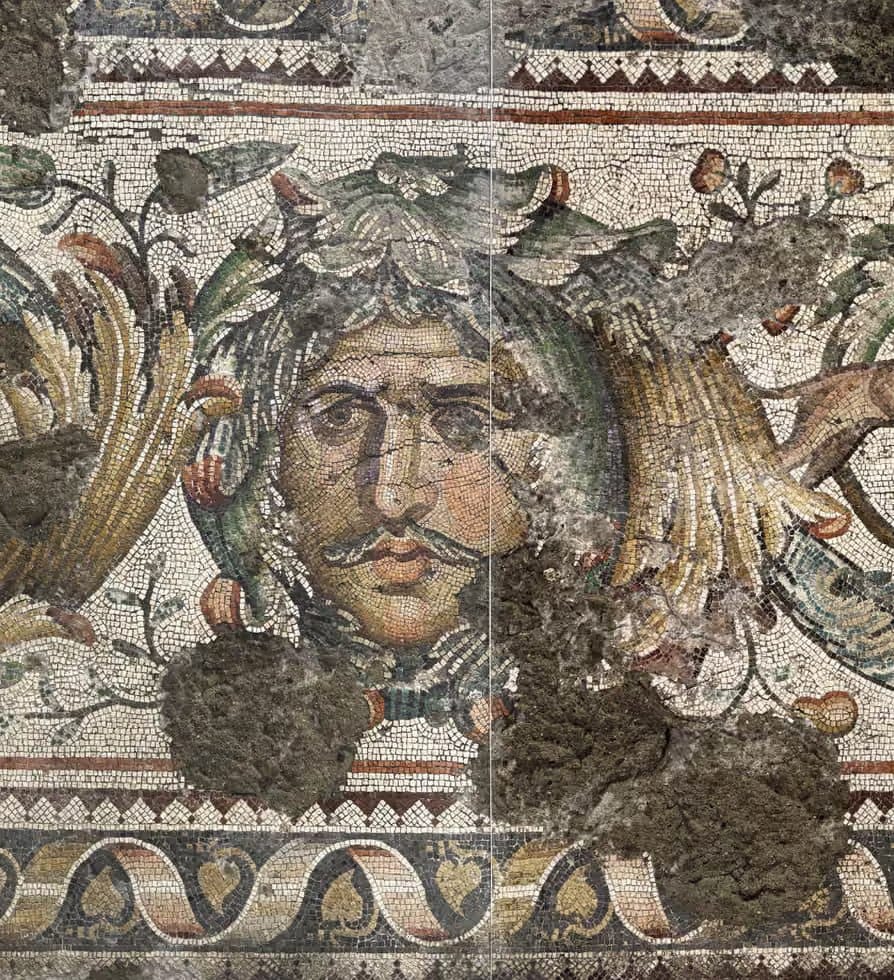
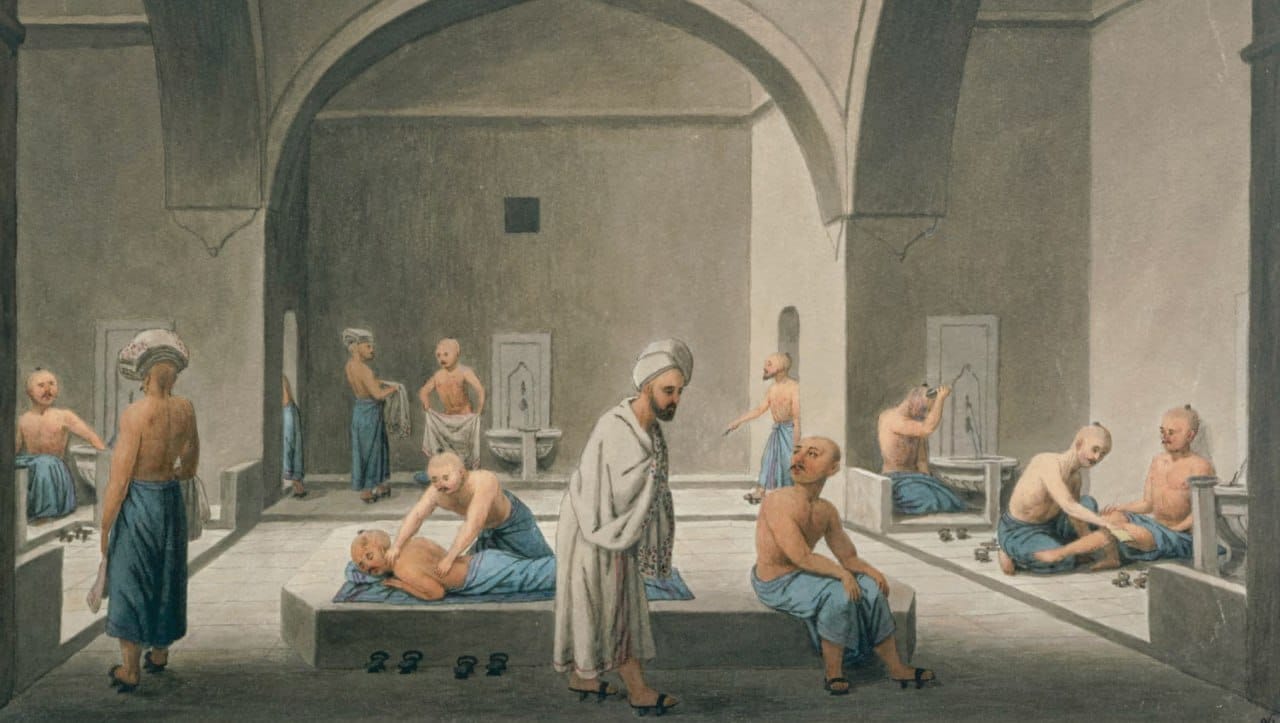
The exhibition's chronology spans 1,600 years, from 330, when Constantine the Great moved the capital of the Roman Empire to a city on the Bosphorus and named it Constantinople, to 1922, when the Ottoman Empire ceased to exist. The display is divided into four parts: Roman origins, religious art, imperial power and everyday city life. Among the especially impressive items are the icon of Saint Eudokia, executed in marble and coloured glass inlay and discovered only in 1929, a Byzantine carved casket of the 10th century with pagan subjects, an Ottoman ceremonial scroll, and a painting by an unknown Greek artist of around 1809 showing a scene in a hammam.
The exhibition is a must-see and will undoubtedly remain a hit for a long time.
The curators' central thesis is that the art of the city did not break off after 1453, when the Ottomans took Constantinople, but continued: the craftsmen stayed, and Ottoman objects carry Byzantine skill within them. The exhibition also traces the influence in the opposite direction, when Byzantine and Ottoman motifs found their way in the 19th century into European textiles and interiors through designers such as Owen Jones and William Morris