Archaeologist James Starkey, Finder of the Lachish Letters, Was Killed in 1938 Over a Land Dispute
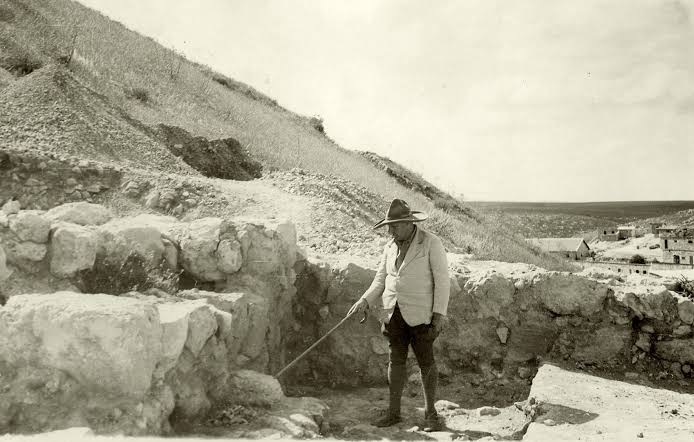
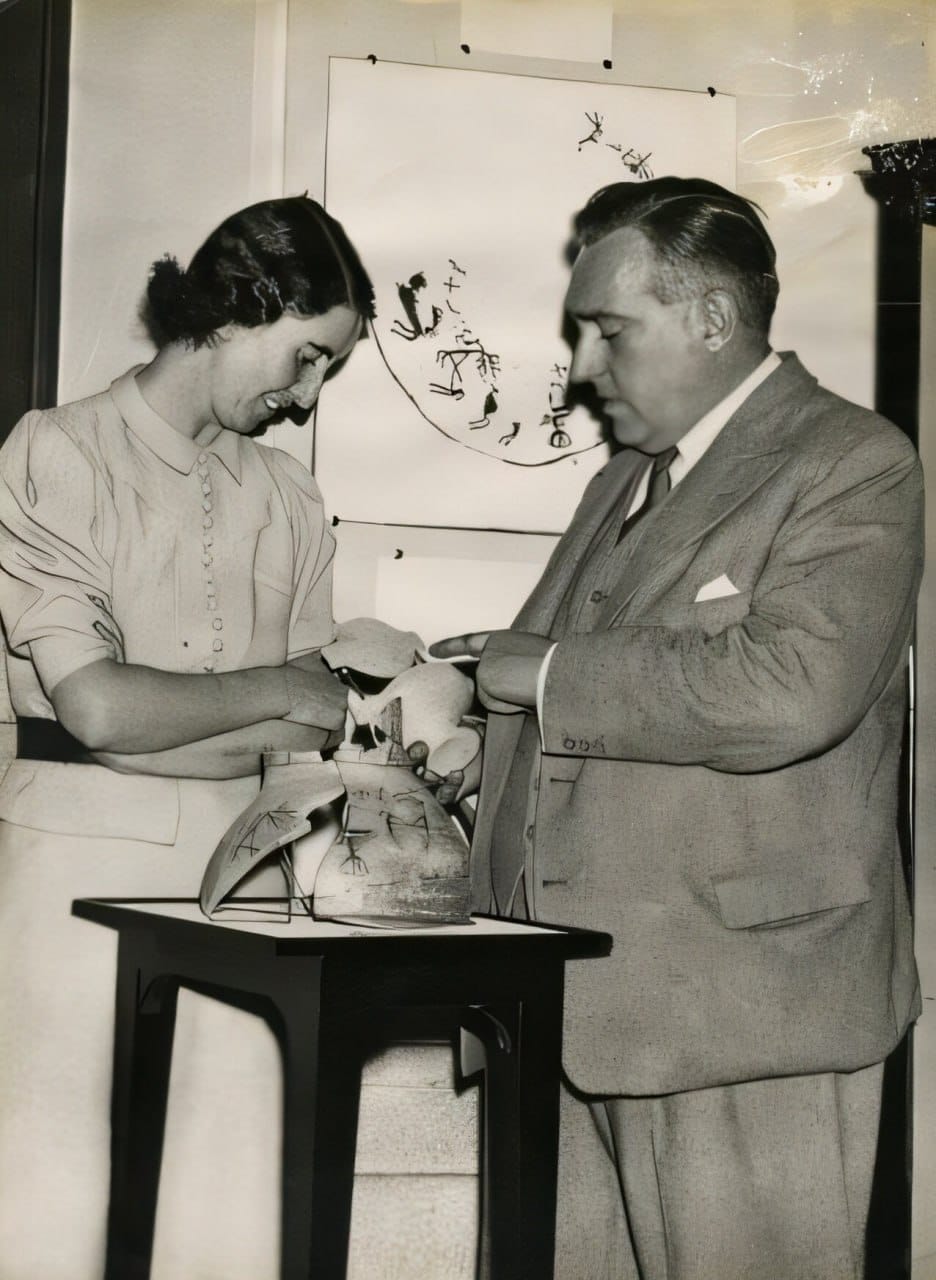
James Leslie Starkey is known to everyone who has had anything to do with biblical archaeology, and to almost no one outside it. In 1935 he found the "Lachish Letters", potsherds bearing the correspondence of a Judaean garrison on the eve of the Babylonian assault of 588 BC, the only known archive of the Kingdom of Judah. In 1938 he was shot dead on the road from Lachish to Jerusalem, and the British administration entered him in the books as a chance victim of the Arab revolt. Eighty-eight years later it has been established that the archaeologist was killed over the land on which he dug.
The official British version held that the archaeologist was shot by random bandits, but all this time the old men of the Palestinian village of al-Qubeiba knew that this was not so.
From 1932 Starkey directed the excavations at Tell ed-Duweir, which is identified with the biblical Lachish. In 1935 he found there the "Lachish Letters", ostraca, that is, inscriptions in ink on potsherds, dating from the time of the Babylonian siege. The mound stood on the lands of the village of al-Qubeiba, and the expedition had to buy and lease plots. In 1934, after the landowners had withdrawn from a deal already half paid for, the High Commissioner for Palestine expropriated the summit of the mound in favour of the state. Compensation was paid only in December 1943, five years after the murder.
In May 1937 the landowner Salih al-Hajj Hamad Abu Awwad submitted a petition in which he wrote that for four years he had received promises from Starkey in place of money, and that his family lived on that land alone. The British Director of the Department of Antiquities answered it with a brush-off.
The testimony of the driver, preserved in the British National Archives, describes how five armed men with covered faces stopped the car on the road from Lachish to Jerusalem, established that the passenger was indeed the director of the excavations, sent the driver away and shot Starkey. Researchers identify the leader of the ambush with the rebel commander Isa al-Battat, and explain the choice of a spot far from the excavations by a wish to spare the village the collective reprisals with which the British answered the murders of officials. Al-Battat was killed too, in May 1938, and according to Zionist intelligence it was done by his former ally, the sheikh of Beit Jibrin, who may also have been the one to put him in touch with the landowners.