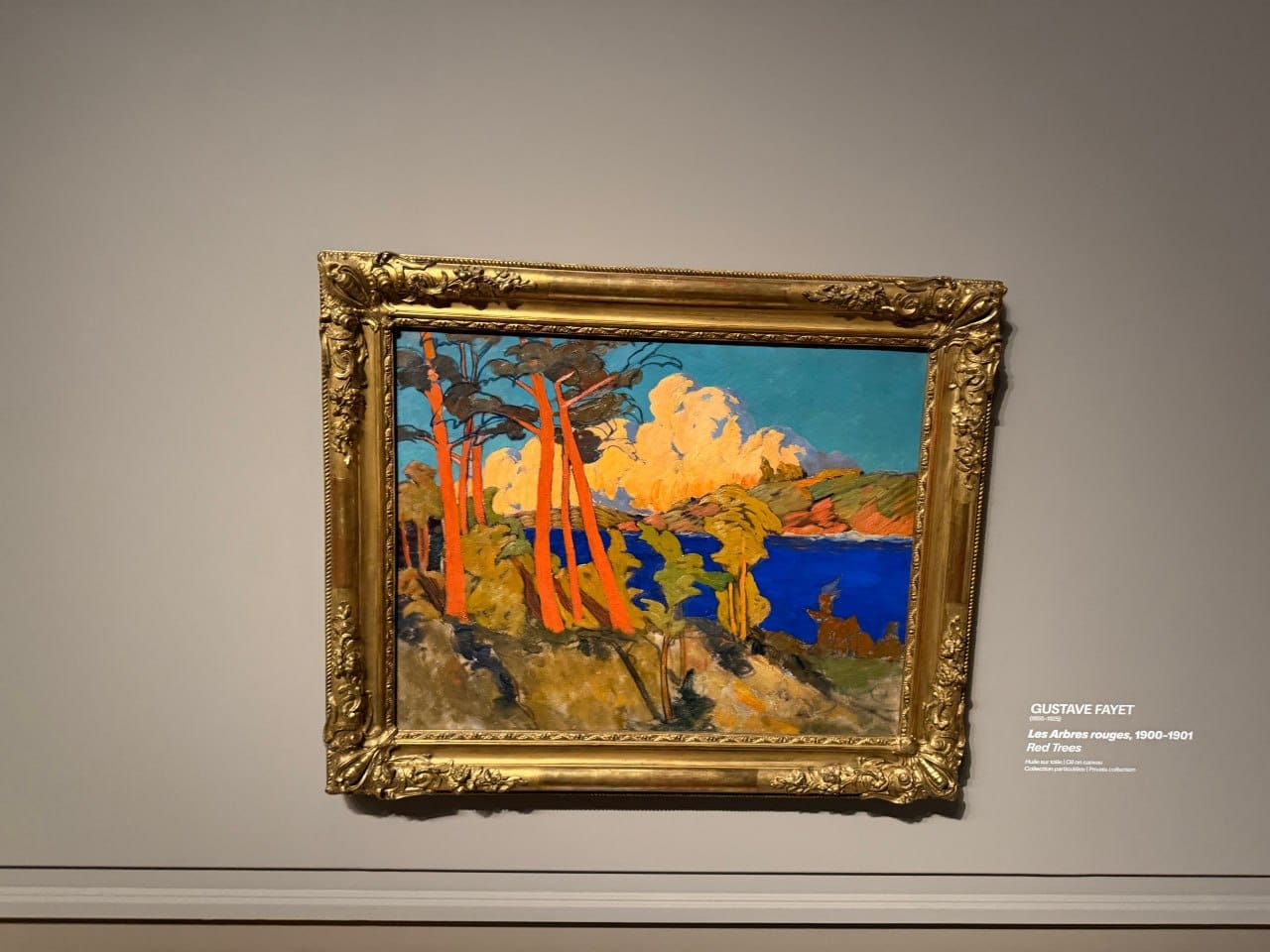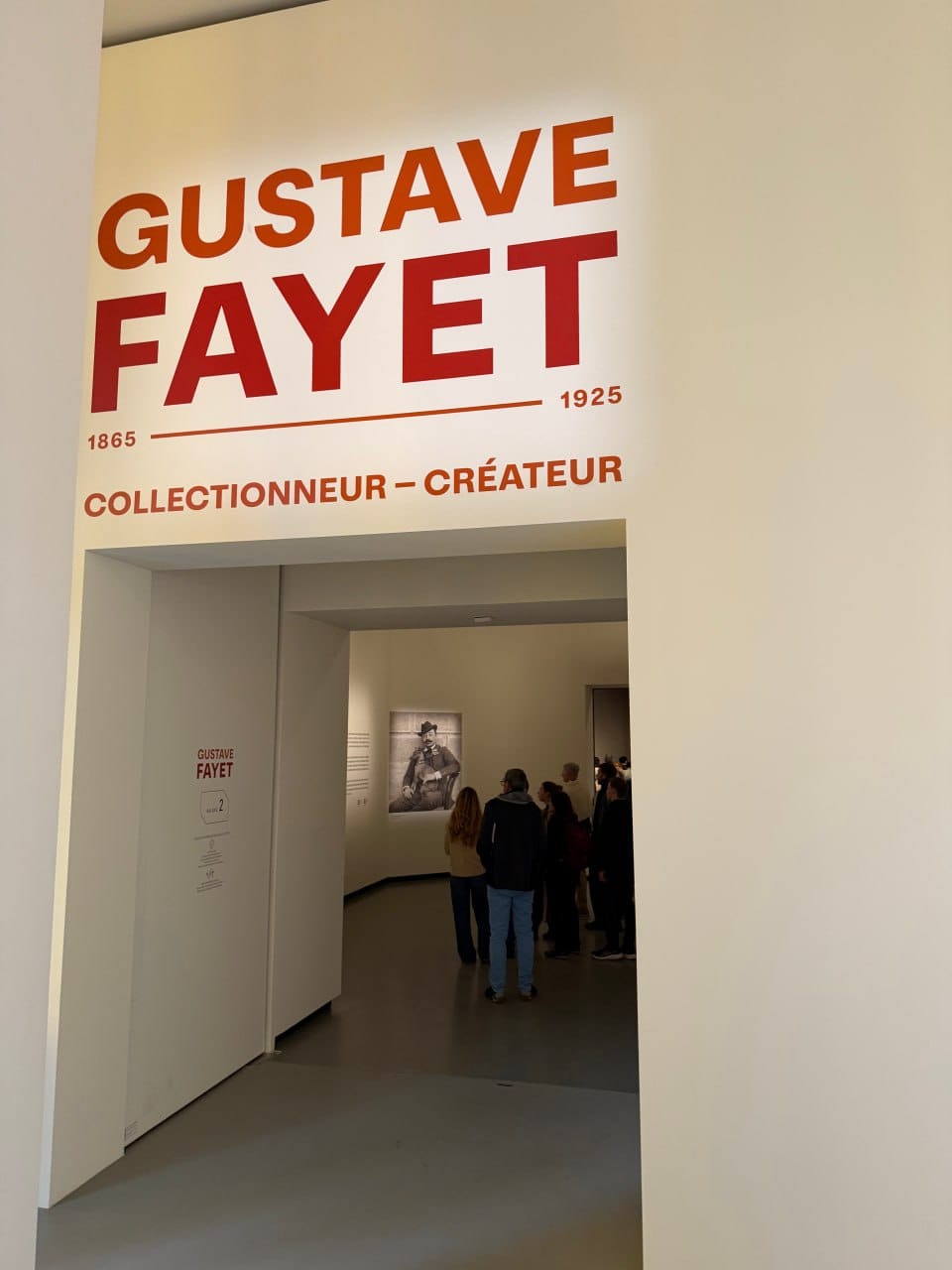
Exhibition “Gustave Fayet. Collector and Creator” at the Fondation Louis Vuitton in Paris until 8 March 2027
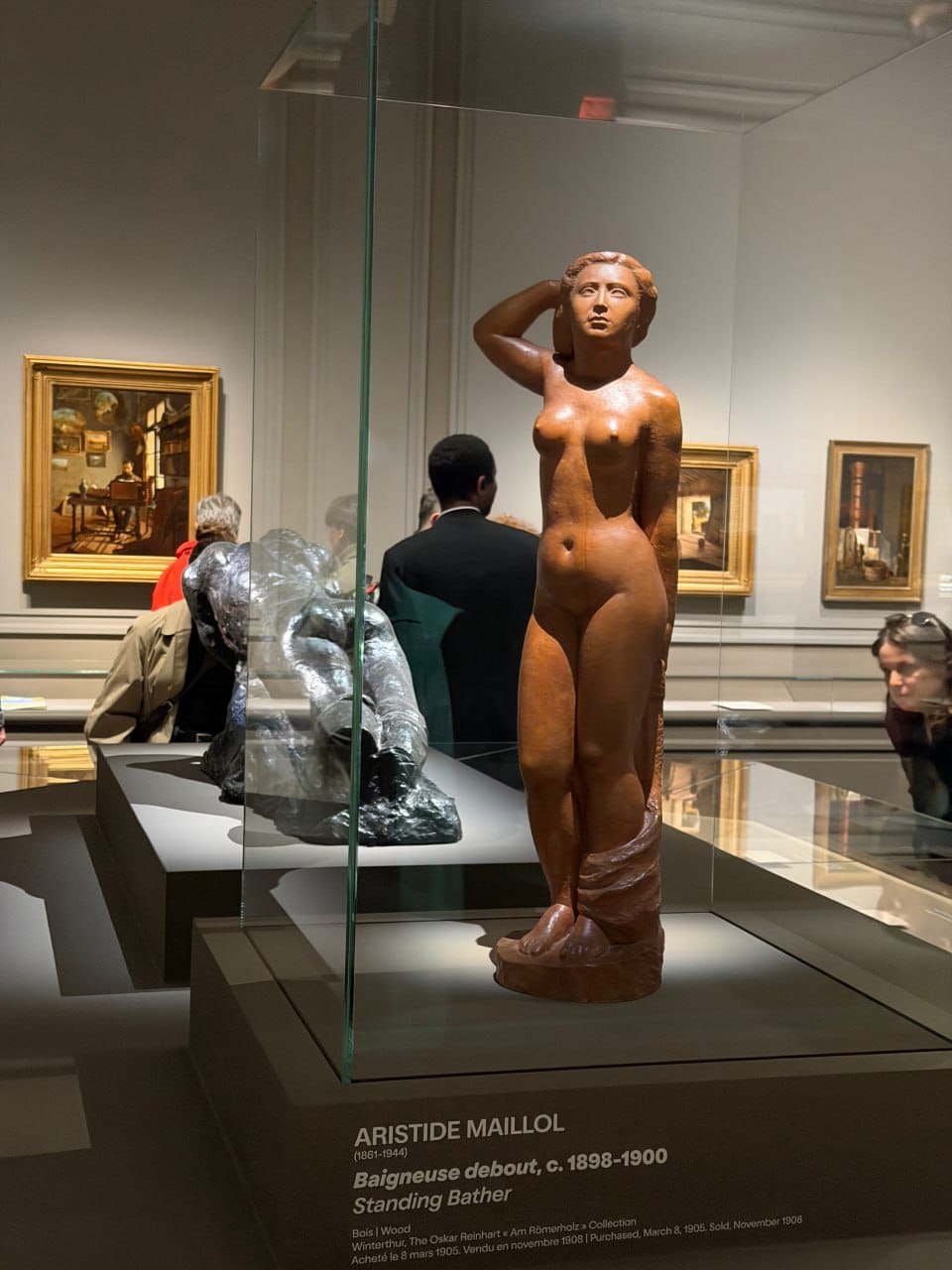
The Fondation Louis Vuitton in Paris is showing the exhibition “Gustave Fayet. Collector and Creator” until 8 March 2027. It continues the “Icons of Modern Art” series, which has previously included the collections of Sergei Shchukin, the brothers Mikhail and Ivan Morozov, and the British industrialist Samuel Courtauld. The Fondation has consistently told the history of modernism through the biographies of private collectors who valued new painting before the museums did. Fayet is the first Frenchman in this company, and his name is far less familiar today than those of the Moscow merchants.
Gustave Fayet (1865-1925) was born in Béziers into a family of landowners and winegrowers of the south of France. The exhibition’s curator, Sylvie Patry, chief curator of the Musée d’Orsay, explains that no systematic study of Fayet had ever been undertaken, and that the family has opened its archives in full for the first time precisely for this project. The exhibition was prepared with the participation of 64 institutions and 71 private collections; it occupies every gallery of Frank Gehry’s building and includes 728 works and documents.
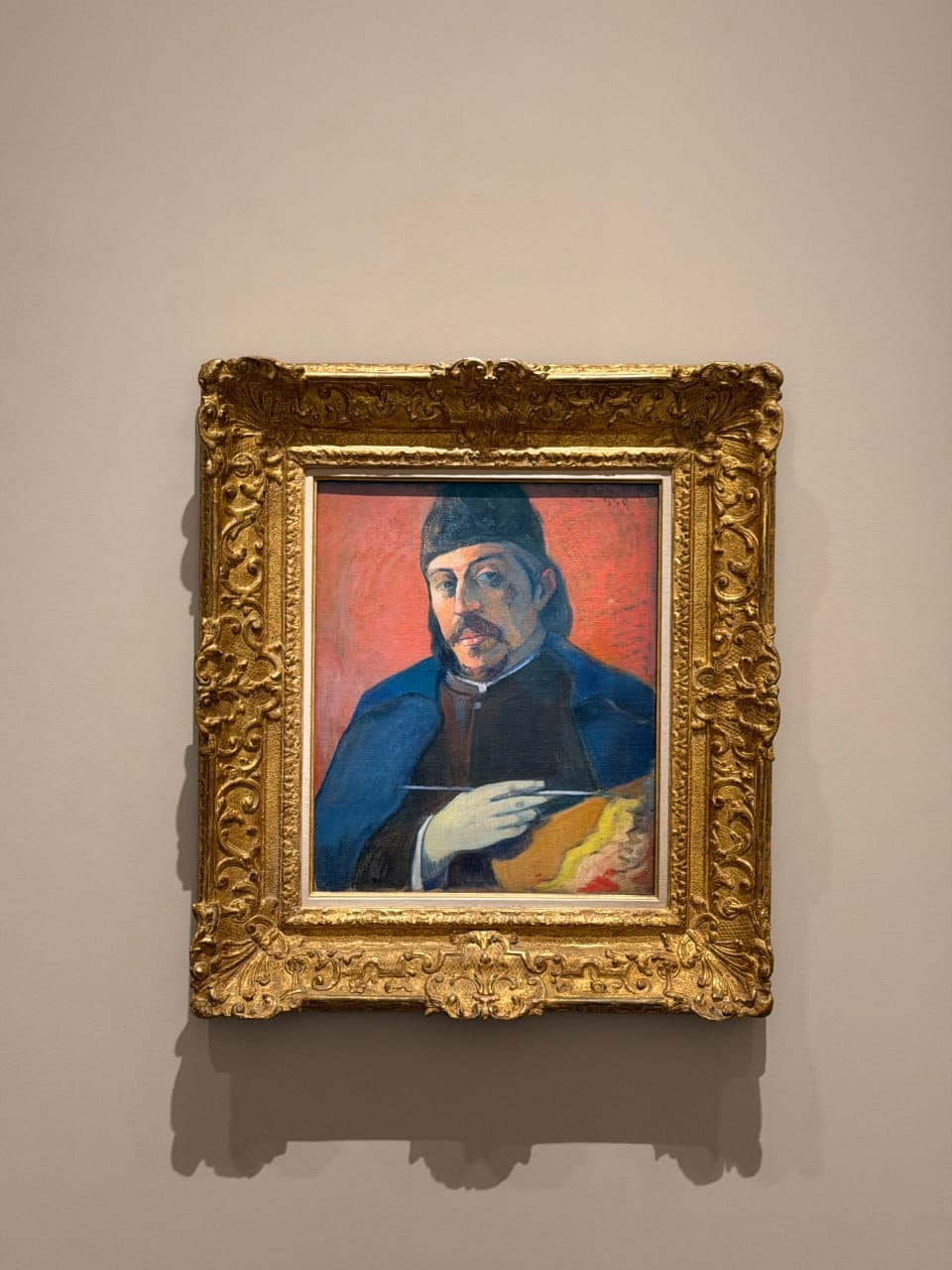
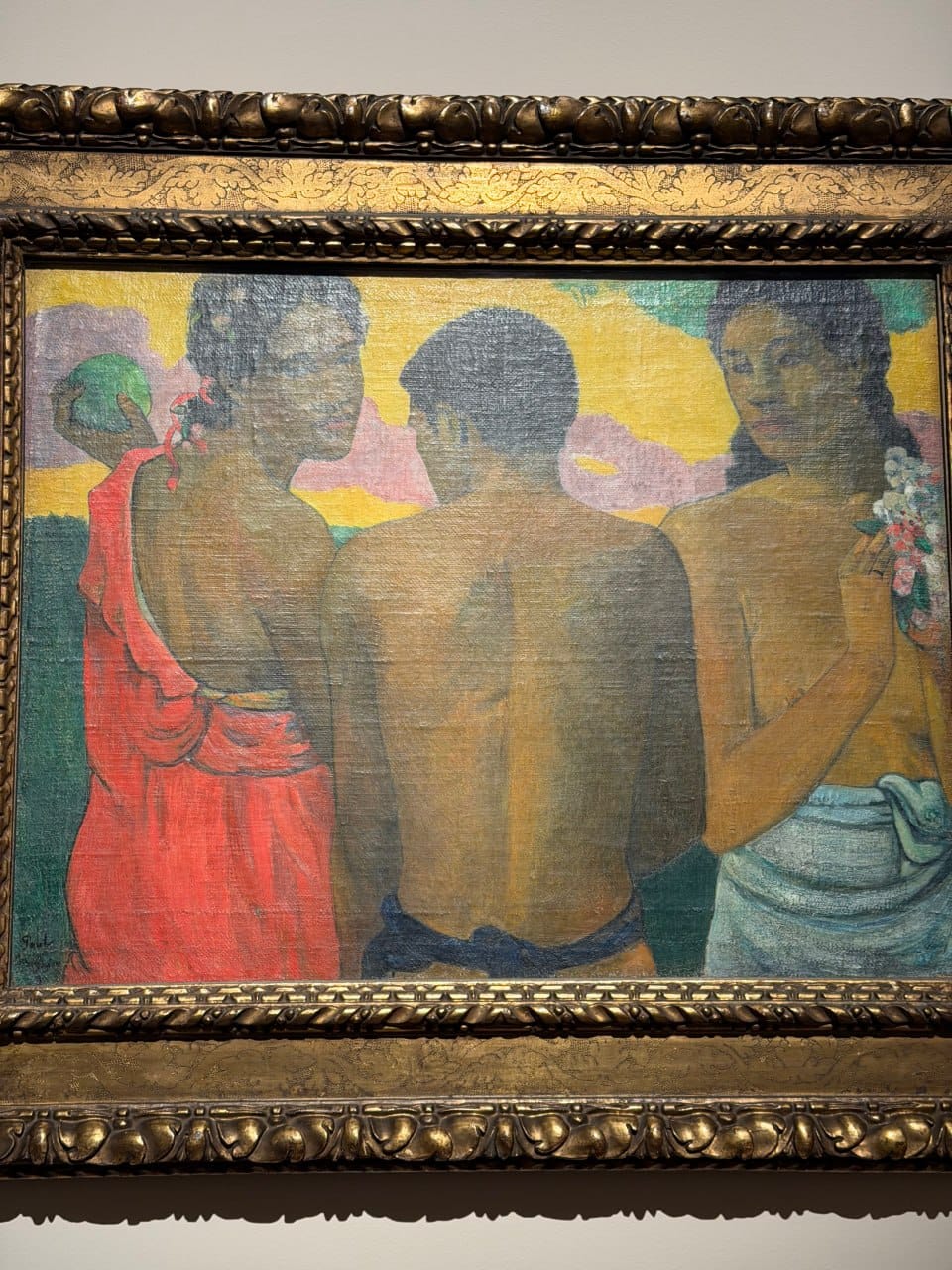
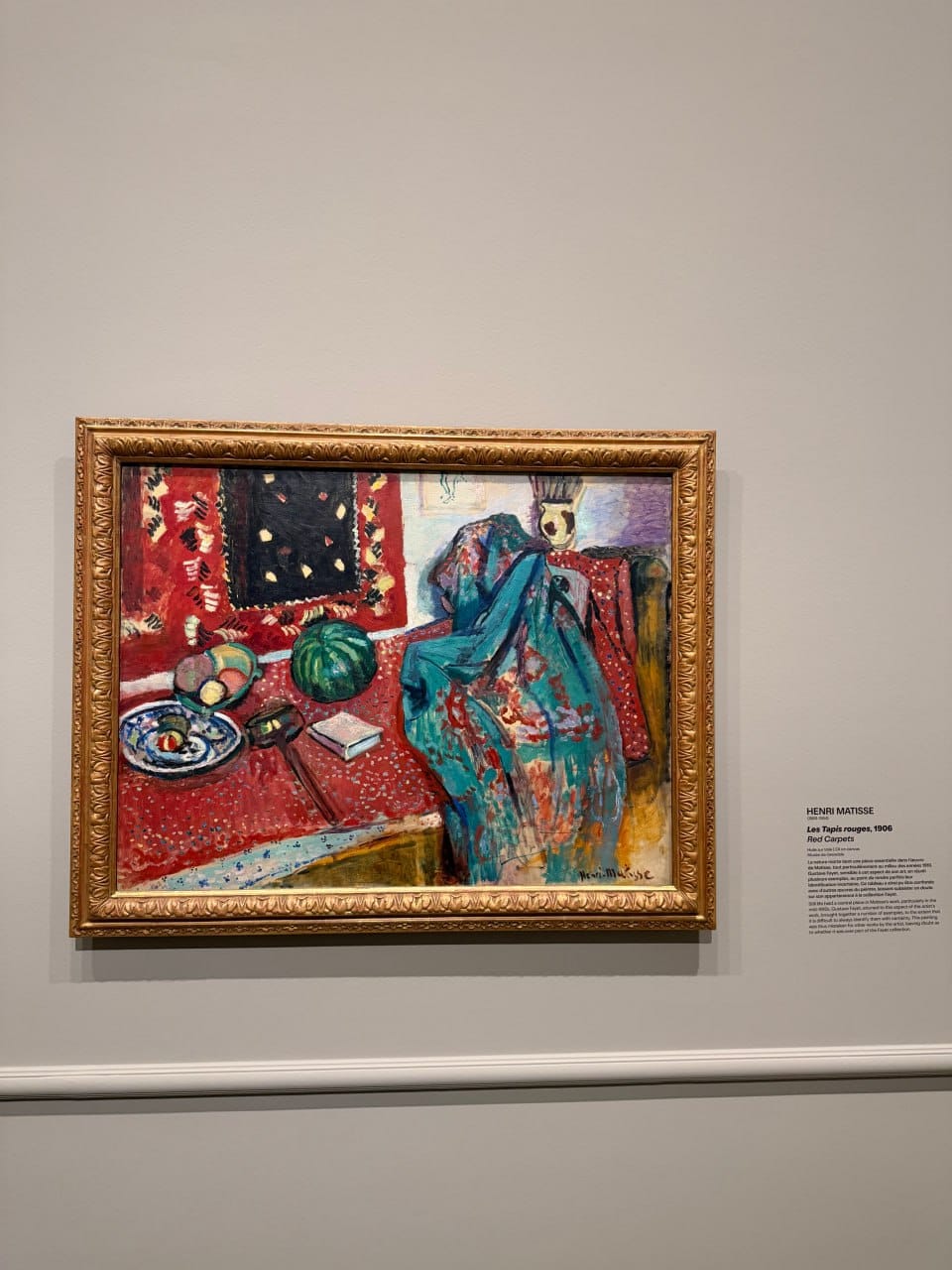
Fayet bought his first Gauguins in 1900 on the advice of a childhood friend, the critic Maurice Fabre, and he began buying van Gogh in 1901. In his Paris apartment the collector created a sort of “Gauguin museum”, where nearly two hundred works by the artist hung. Fayet was a regular client of the leading art dealers of his day: Vollard, Druet, Bernheim and Durand-Ruel. In 1906, on the eve of the opening of the Salon d’Automne, he bought all five of Matisse’s canvases, and two years later sold them. The British magazine Apollo stresses that Fayet combined passion with an entrepreneur’s calculation and often bought pictures as objects of future exchange. He himself wrote that happiness comes not from possession but from the very act of acquisition. In all, more than 740 works passed through his hands, not counting prints. The money for the restoration of the Cistercian abbey of Fontfroide near Narbonne, which he bought in 1908, Fayet raised in part from the sale of paintings by Cézanne and Gauguin. It is precisely this pattern of behaviour that distinguishes him from Shchukin, who built his collection for a future public museum.
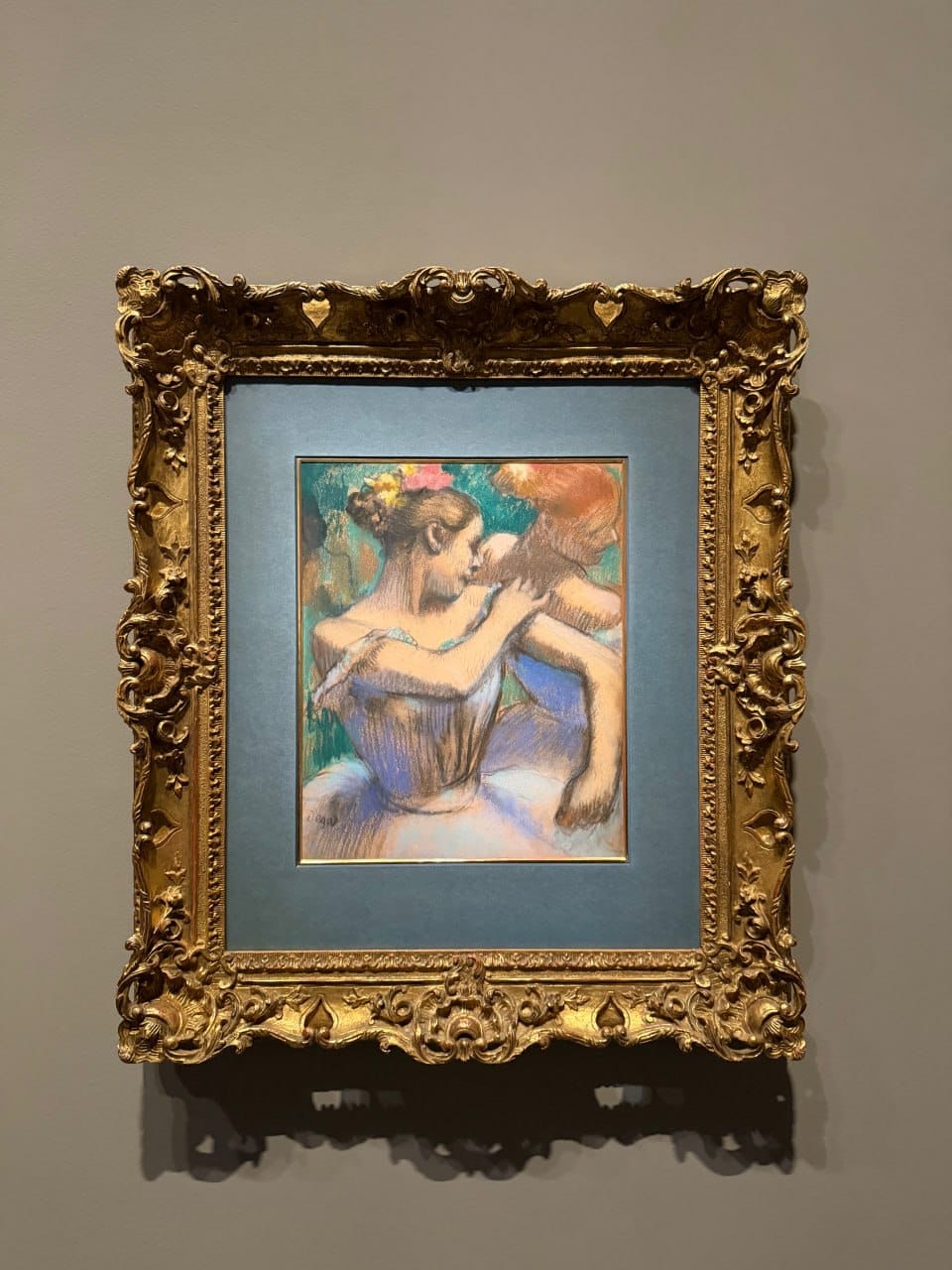
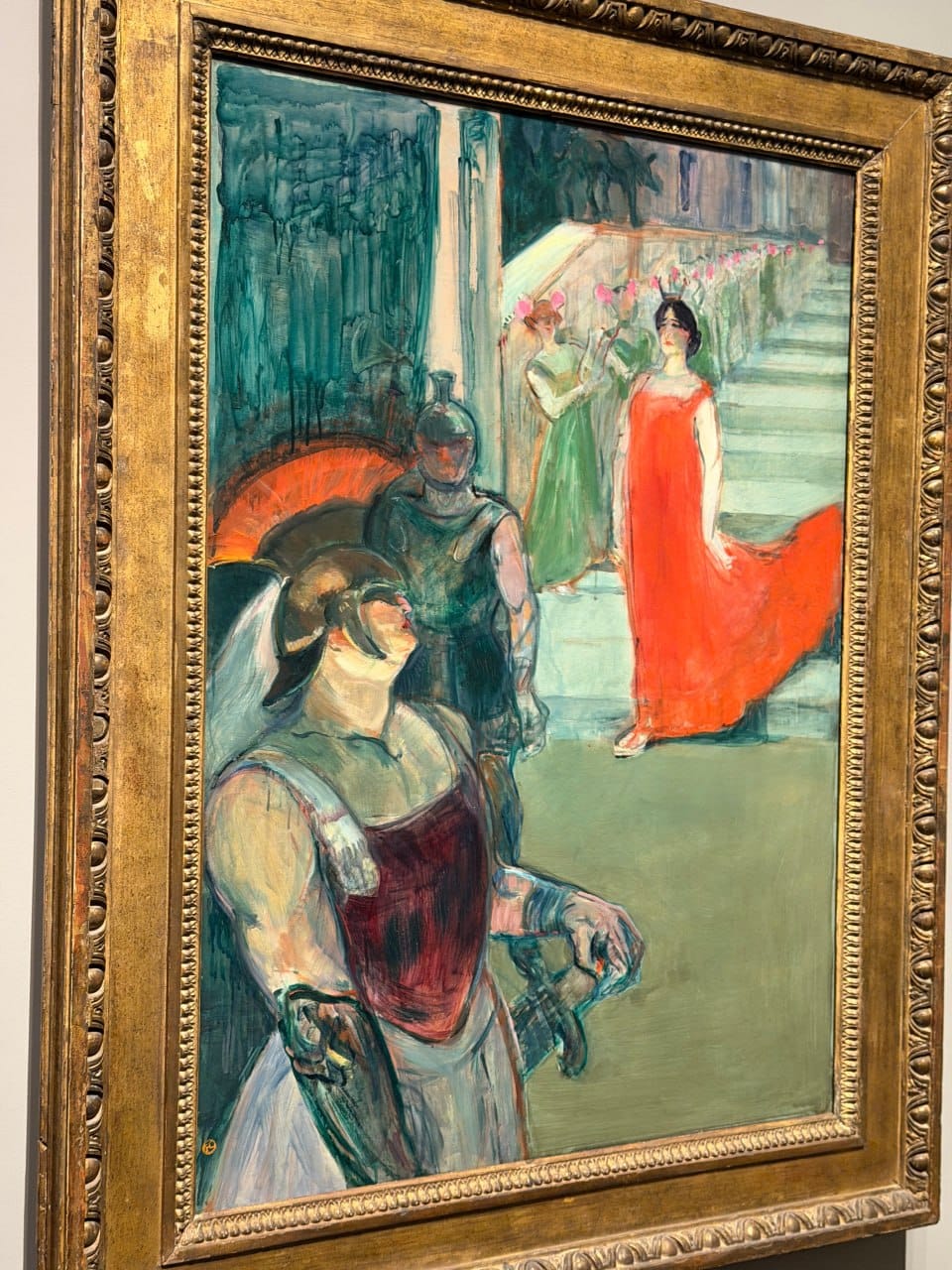
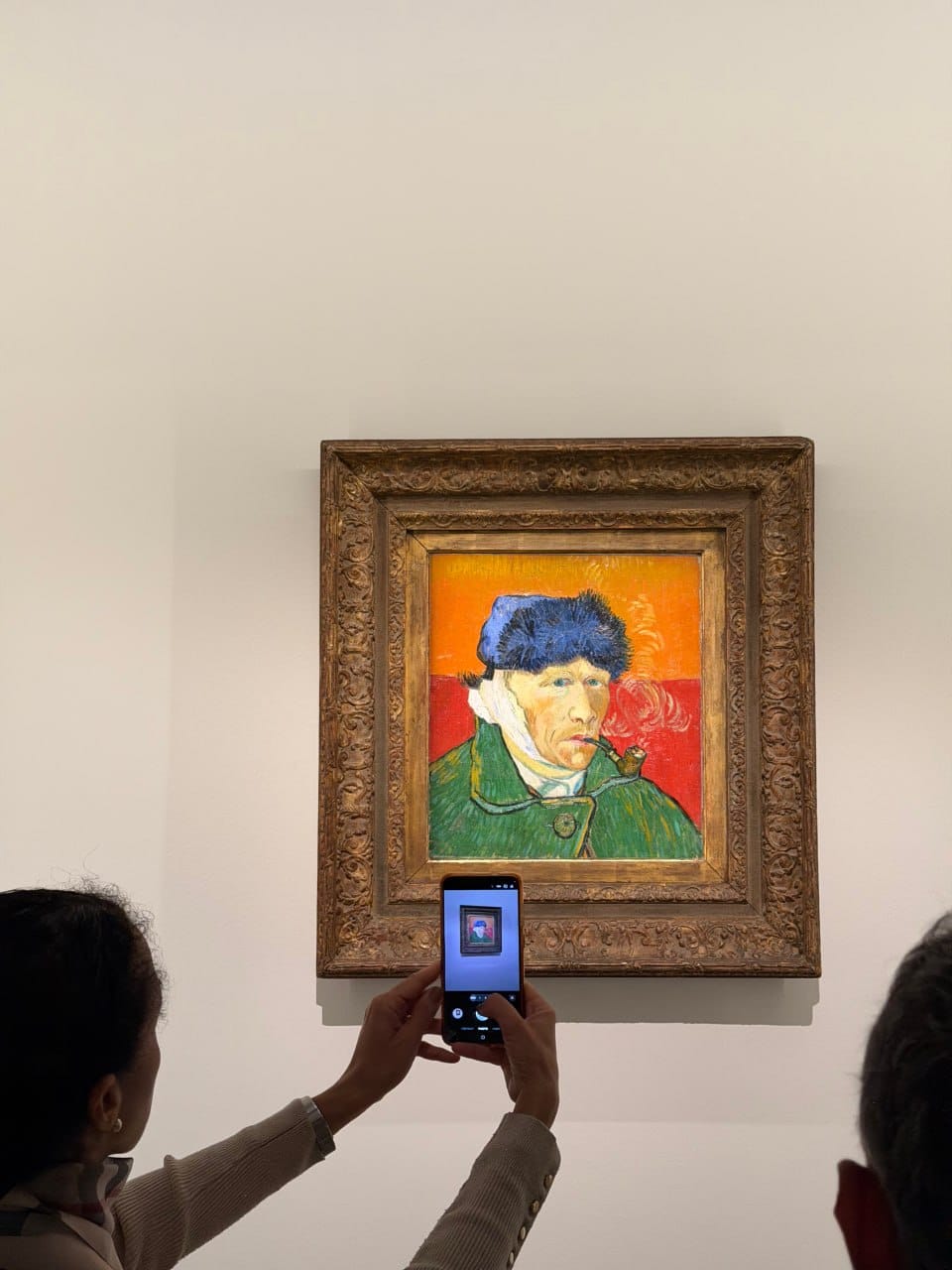
From this collection, scattered across the world, the Fondation has brought back to Paris more than 250 works: 10 paintings by van Gogh, 78 works by Gauguin, 86 works by Odilon Redon, as well as works by Degas, Cézanne, Toulouse-Lautrec, Renoir, Berthe Morisot, Signac, Bonnard, Vuillard and Matisse. The chief event of the display is van Gogh’s “Self-Portrait with Bandaged Ear and Pipe” from a private collection. The picture has not been shown in France since 1937, and its owners have not lent it to exhibitions since 1990. Beside it the curators have hung Gauguin’s “Self-Portrait with Palette”, so that the two artists, after their quarrel in Arles, find themselves once more face to face.
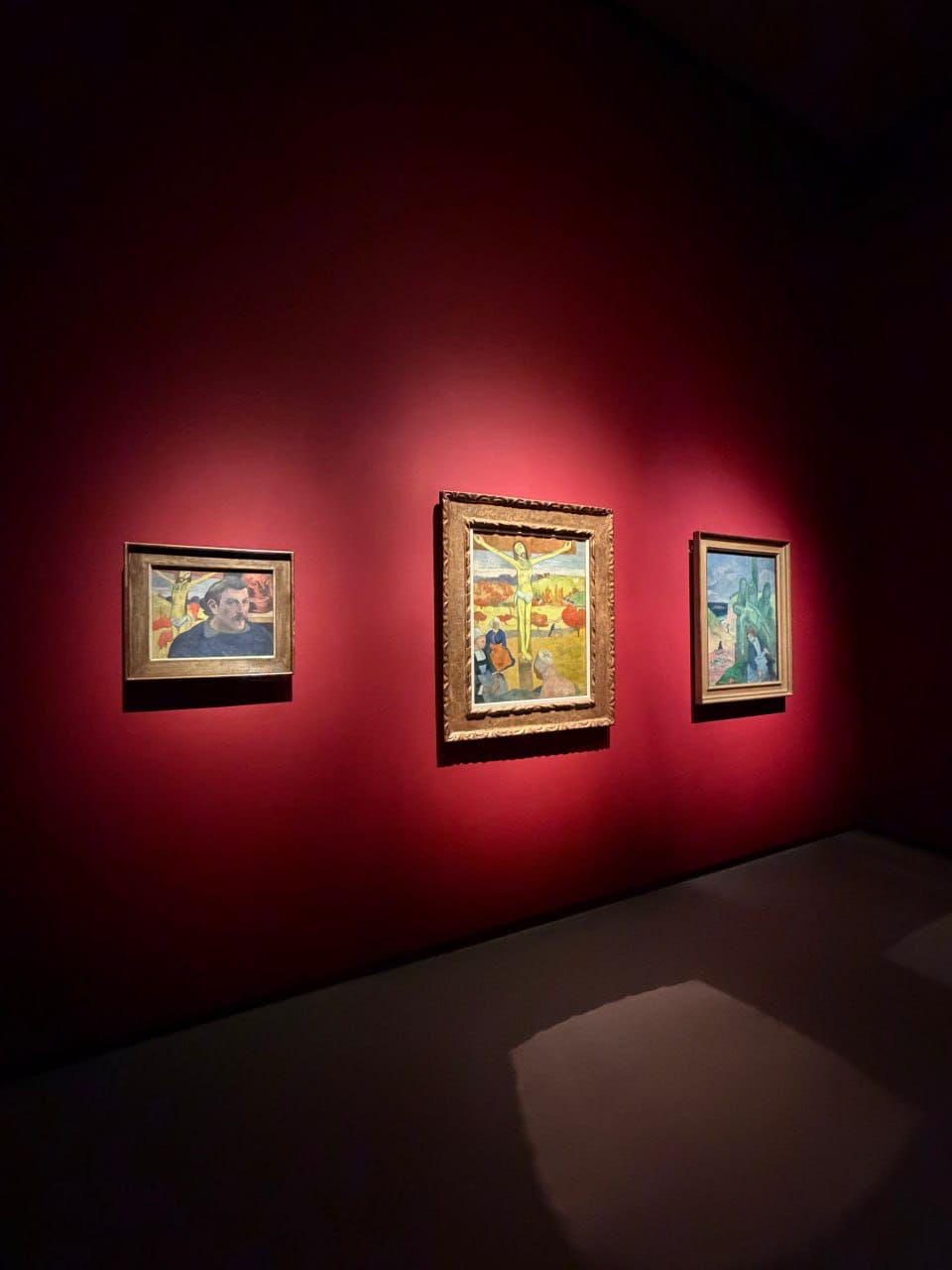
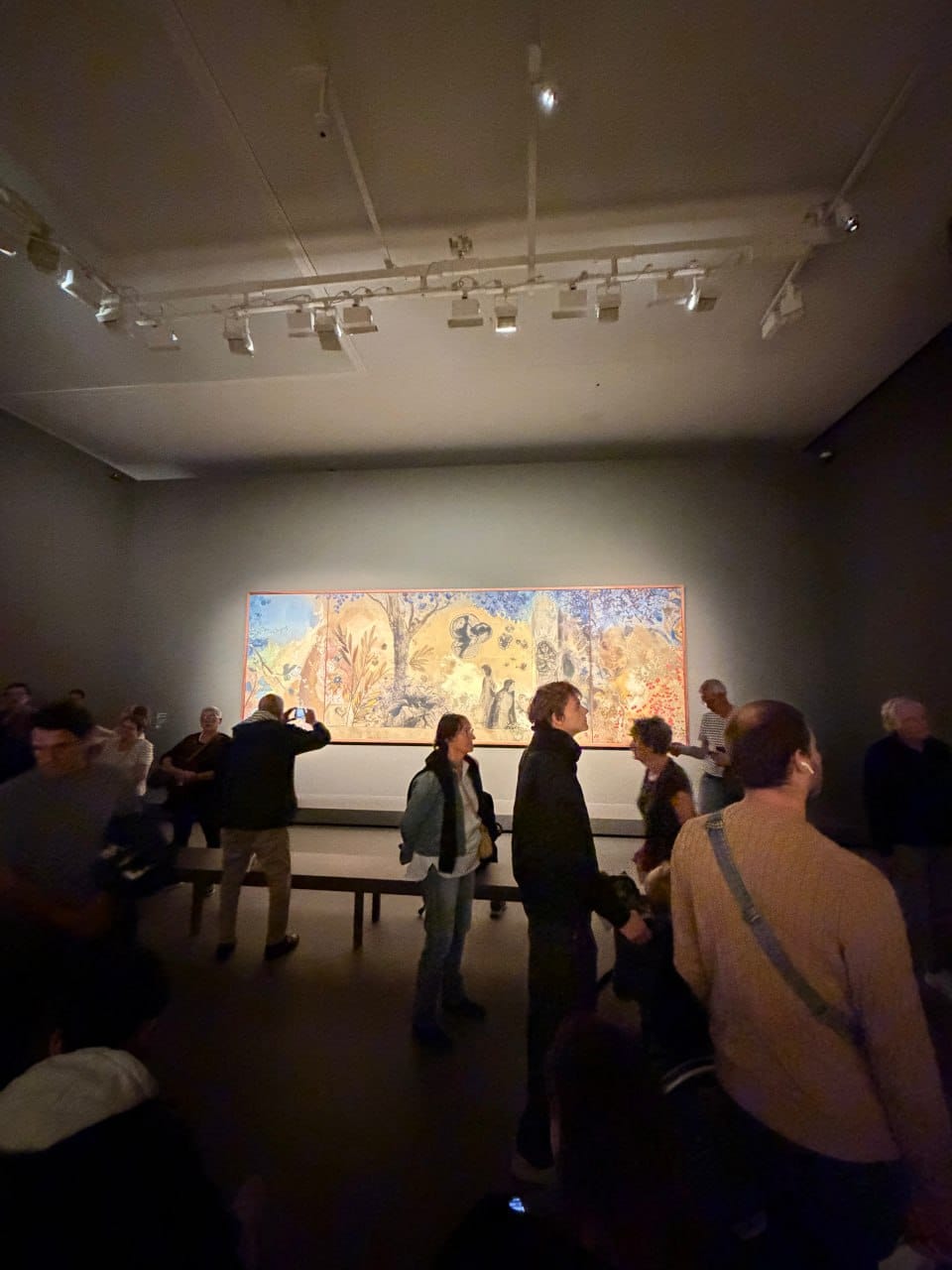
The curators’ second strong move concerns three paintings by Gauguin of 1889-1891: “The Yellow Christ” from the museum in Buffalo, “Self-Portrait with the Yellow Christ” from the Musée d’Orsay, and “The Breton Calvary” from the Royal Museums of Fine Arts of Belgium. These paintings belonged to Fayet and to two of his friends, Fabre and the artist Georges-Daniel de Monfreid, who corresponded with Gauguin. In France the three canvases hang together for the first time. The third centre of the first part is formed by the panels “Day”, “Night” and “Silence”, which Redon painted in tempera for the library of Fontfroide in 1910-1911. The two large panels measure two metres in height and six and a half metres in length, and the general public is seeing them for the first time.