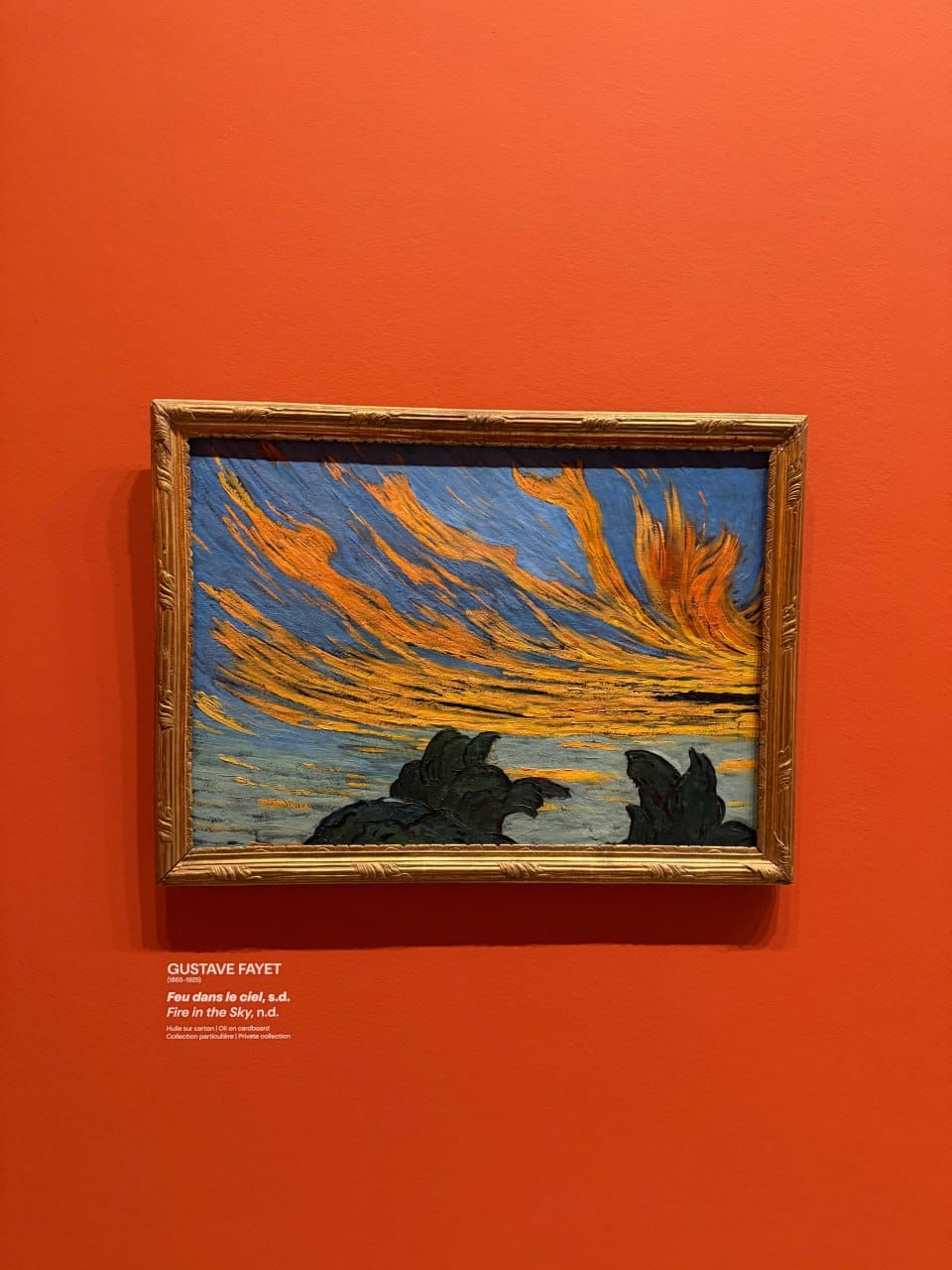
Gustave Fayet at Fondation Louis Vuitton: 375 works, rugs, watercolours and ceramics
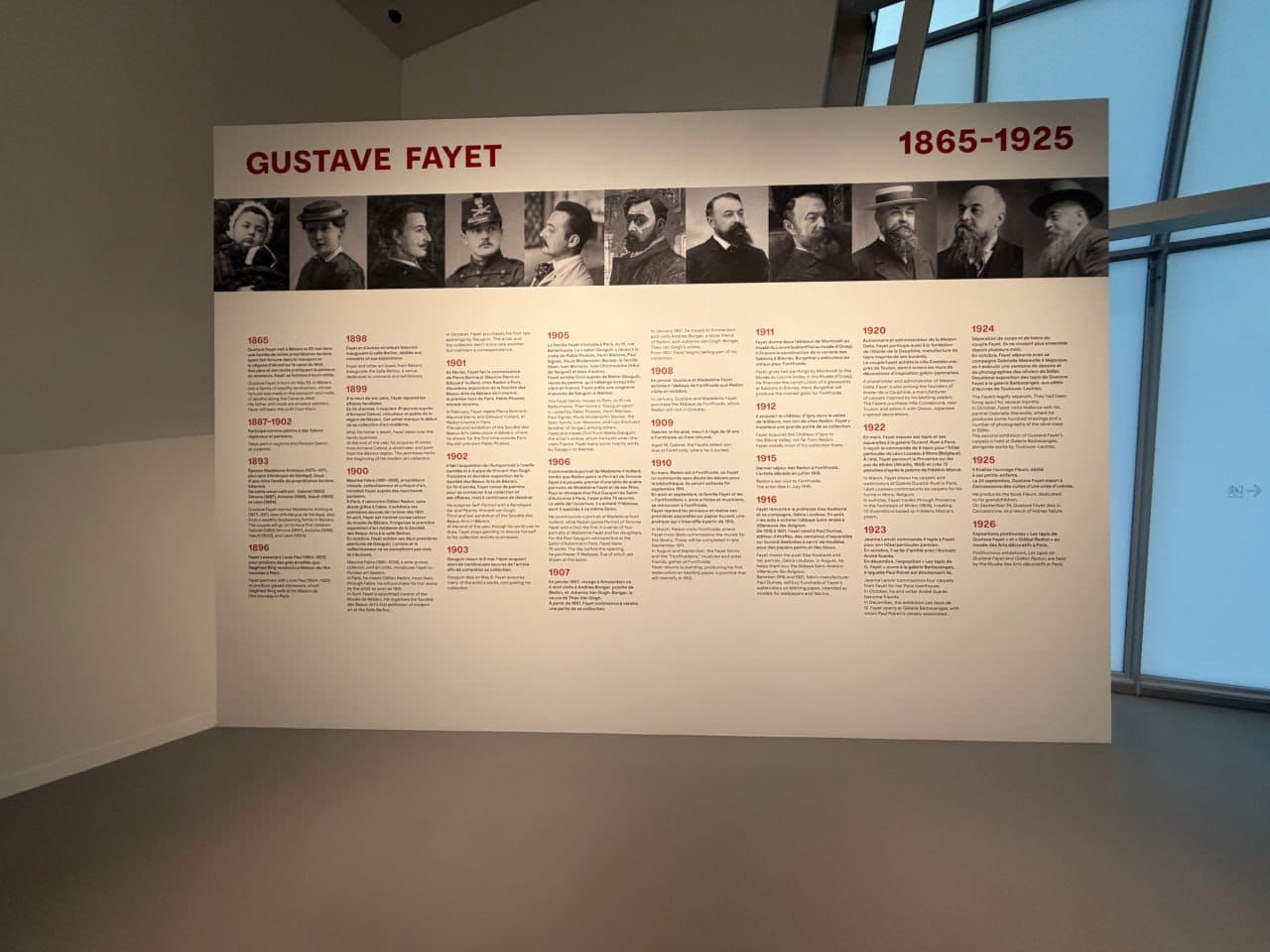
In 1896 Gustave Fayet, together with the sculptor Louis Paul, a former pupil of Rodin, founded a workshop in Béziers which by 1904 had produced more than a hundred items in stoneware, the name given to dense, high-fired ceramic. In 1898 these vases caught the eye of Siegfried Bing, the Paris gallerist whose shop, L'Art Nouveau, gave its name to an entire style.
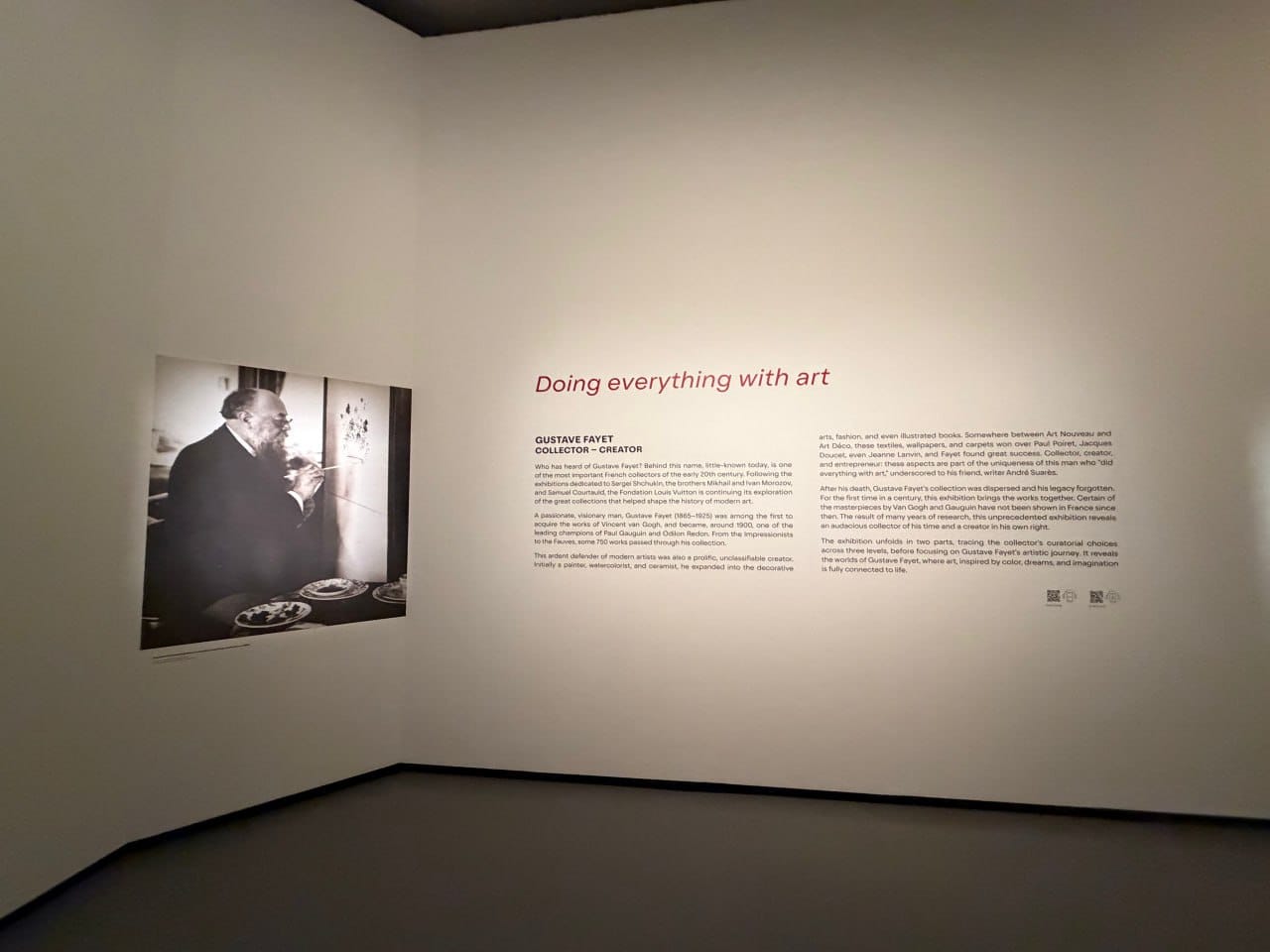
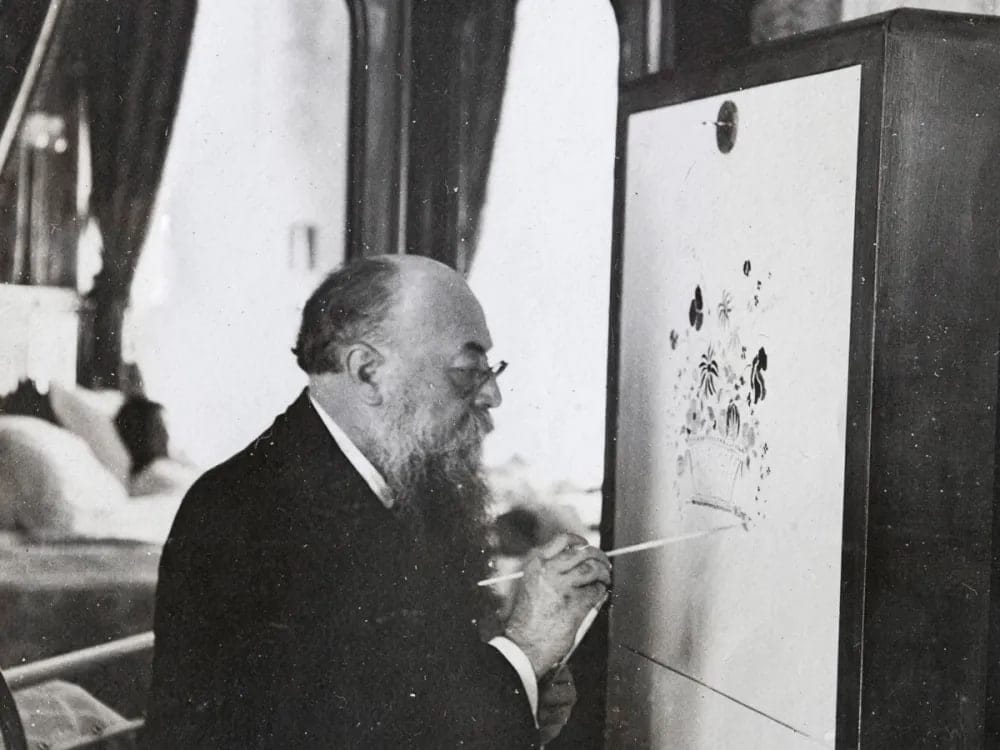
Around 1912, after a break of almost a decade, Fayet returned to painting and began to work in watercolour on blotting paper. The paint spread across it unpredictably, and the artist turned chance stains into fantastic flowers and seaweed-like creatures. He wrote himself that a beautiful stain can become the starting point of a beautiful drawing. From these watercolours grew his wallpapers, fabrics and carpets. In 1920 Fayet founded in Paris the Atelier de la Dauphine, which wove carpets to his designs. They were bought by Jeanne Lanvin, Jacques Doucet, Robert de Rothschild and the Maharaja of Indore.
In a text of 1924 Fayet demanded that geometry, symmetry and repetitive bouquets be abandoned in favour of free fantasy. In his lifetime it was the carpets that made him a fashionable figure of the era of transition from Art Nouveau to Art Deco. In 1926, half a year after the master's death, they were shown at the Louvre alongside works by Redon and hung on the walls like paintings. After that exhibition Fayet's name all but vanished from the history of art.
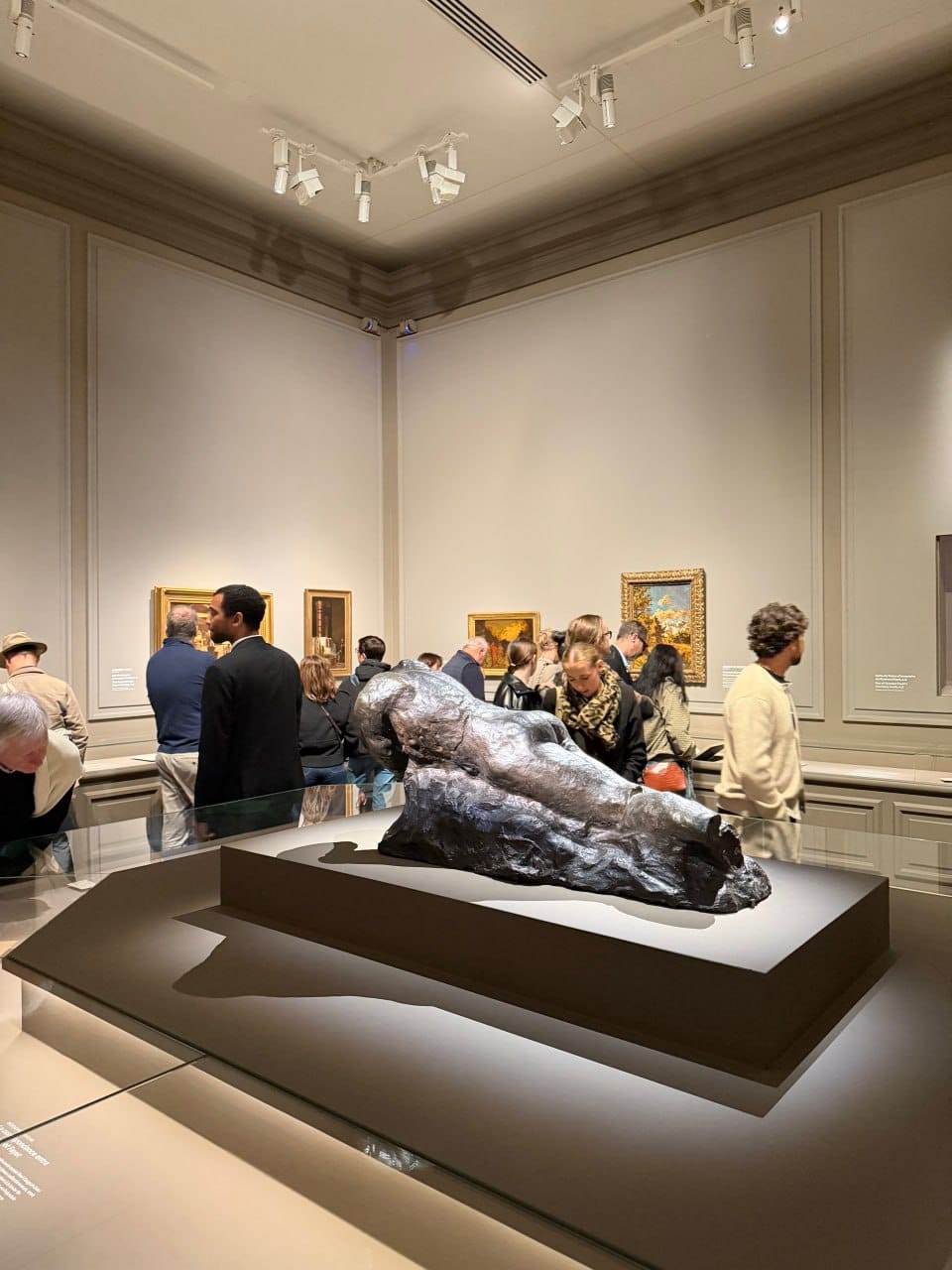
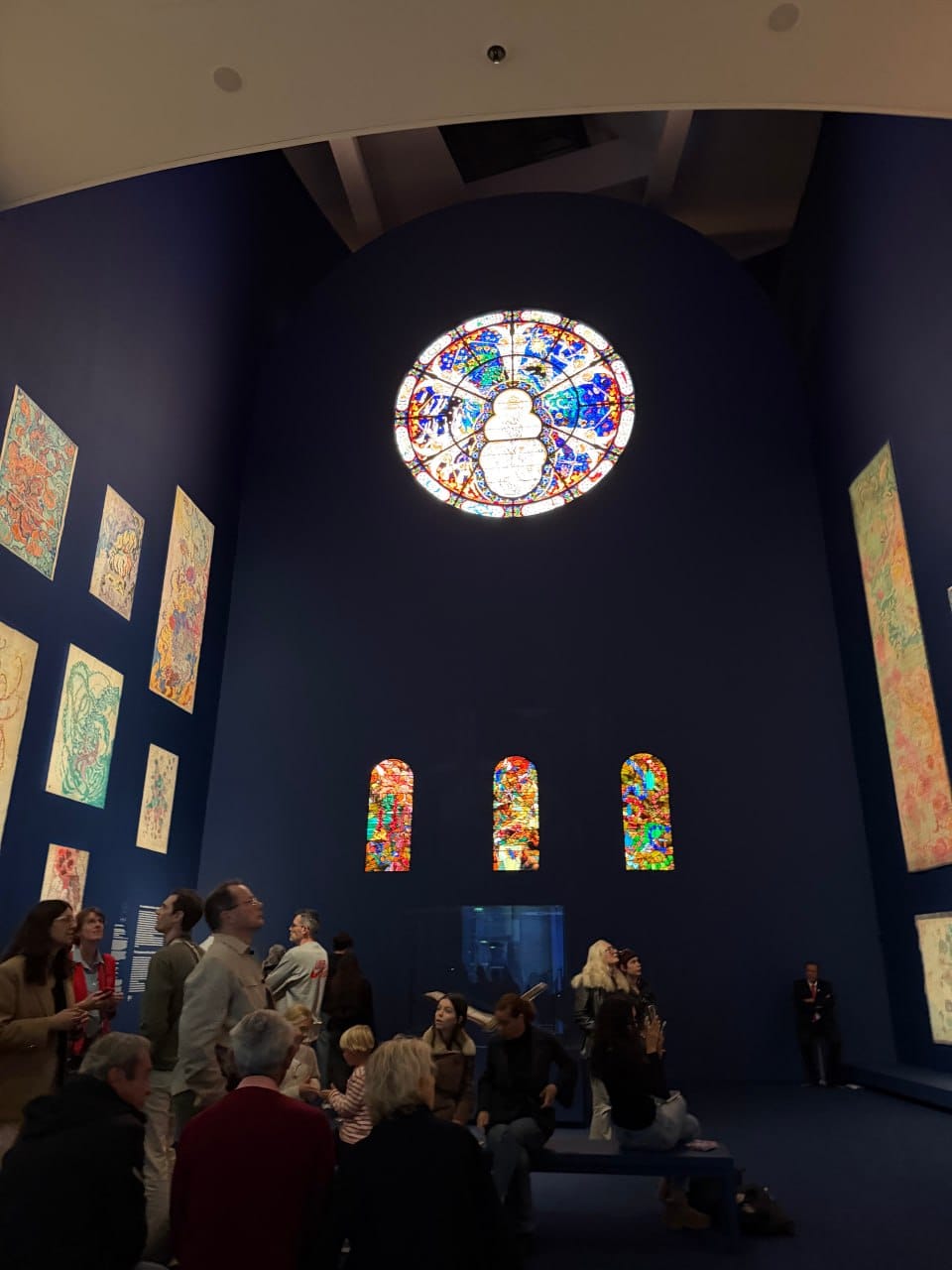
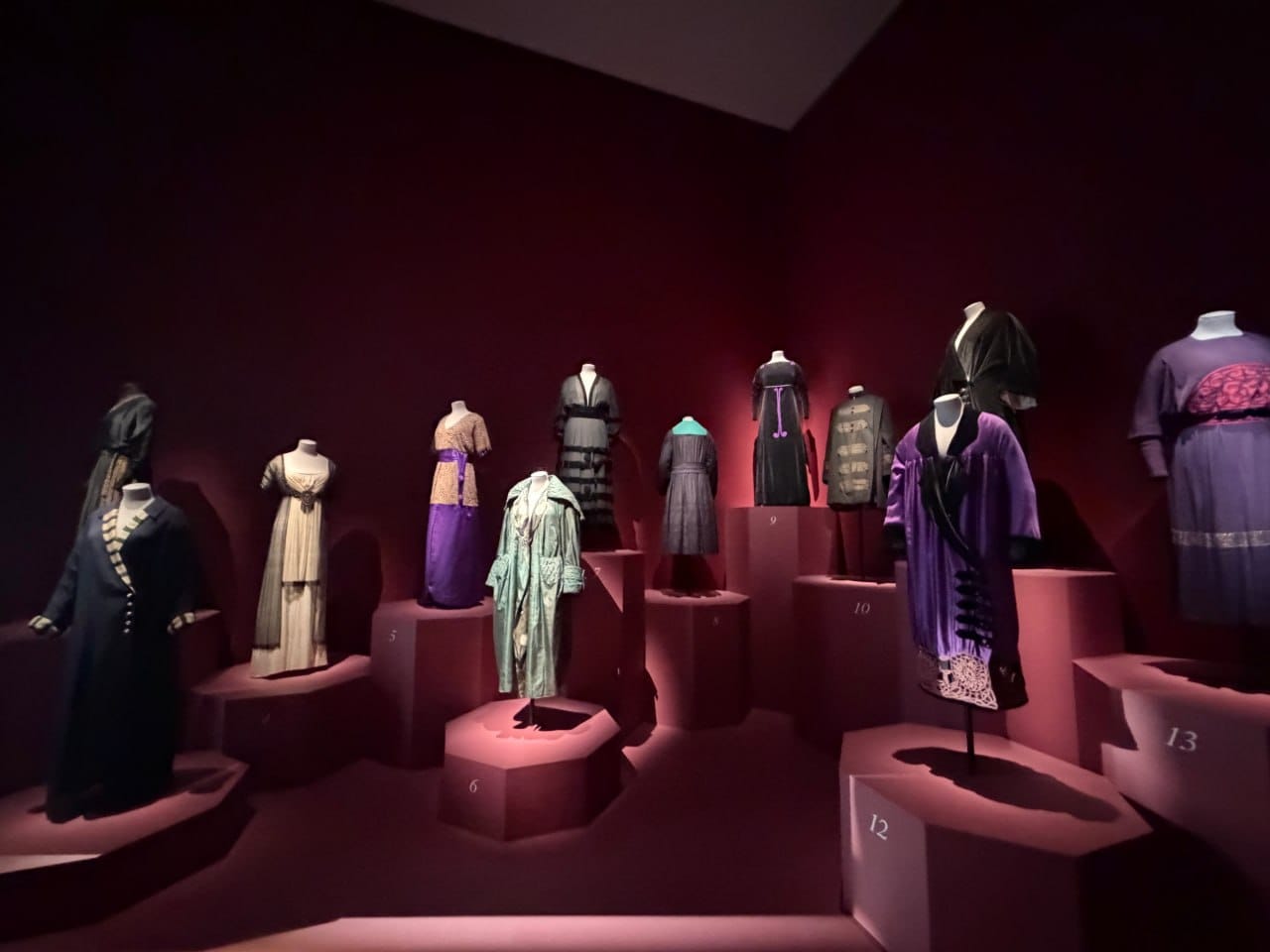
For the exhibition the foundation has restored carpets from the house of Léon Losseau in Mons, Belgium, preparatory cartoons for the weavers and around ten dresses linked with Paul Poiret, Doucet and Lanvin. In all, the second part presents 375 works by Fayet, most of which the public is seeing for the first time. Among them are 87 watercolours on blotting paper, 49 ceramic pieces, 42 illustrations to Frédéric Mistral's Provençal poem Mireille and the artist's last album, Flowers.
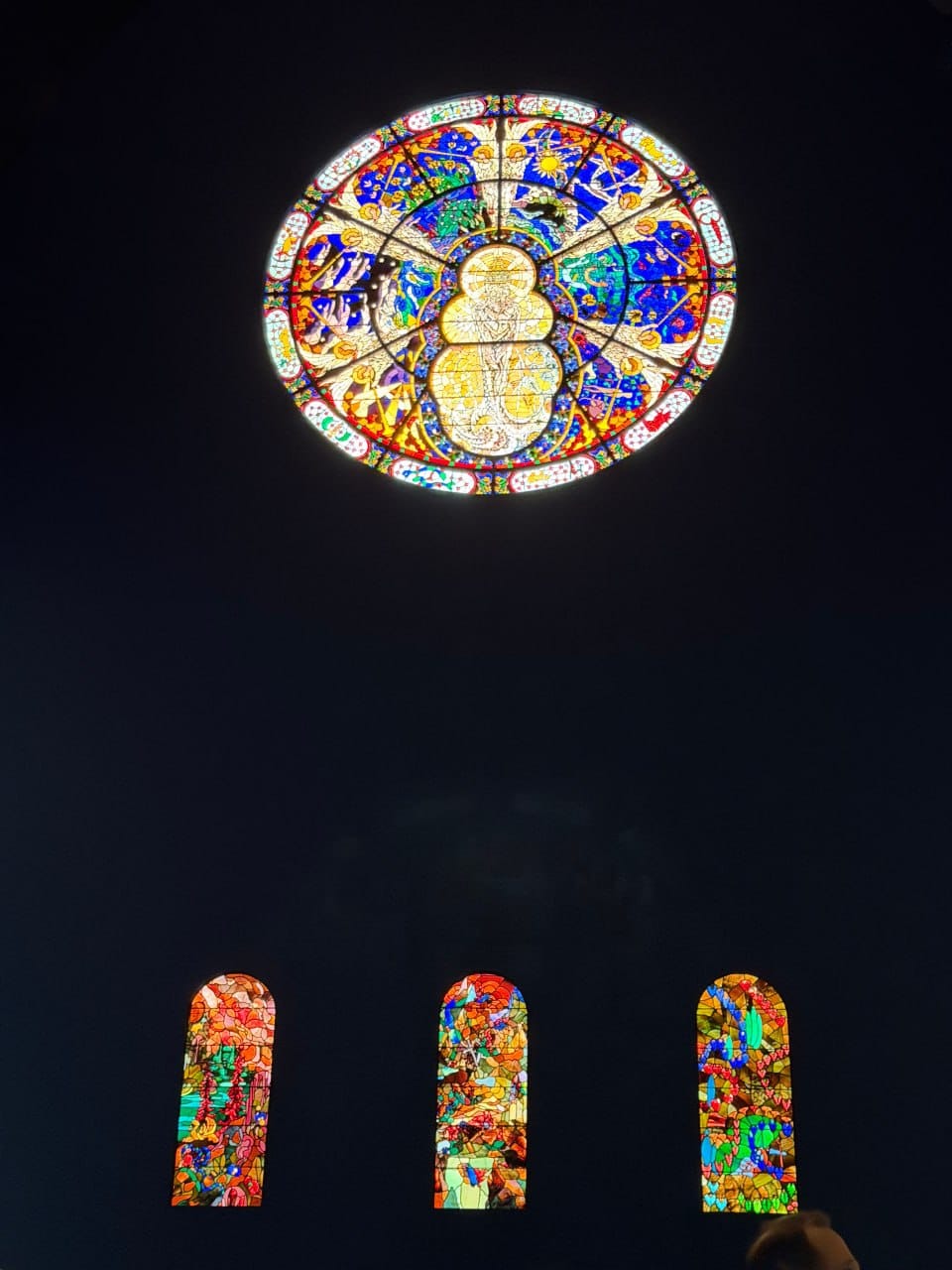
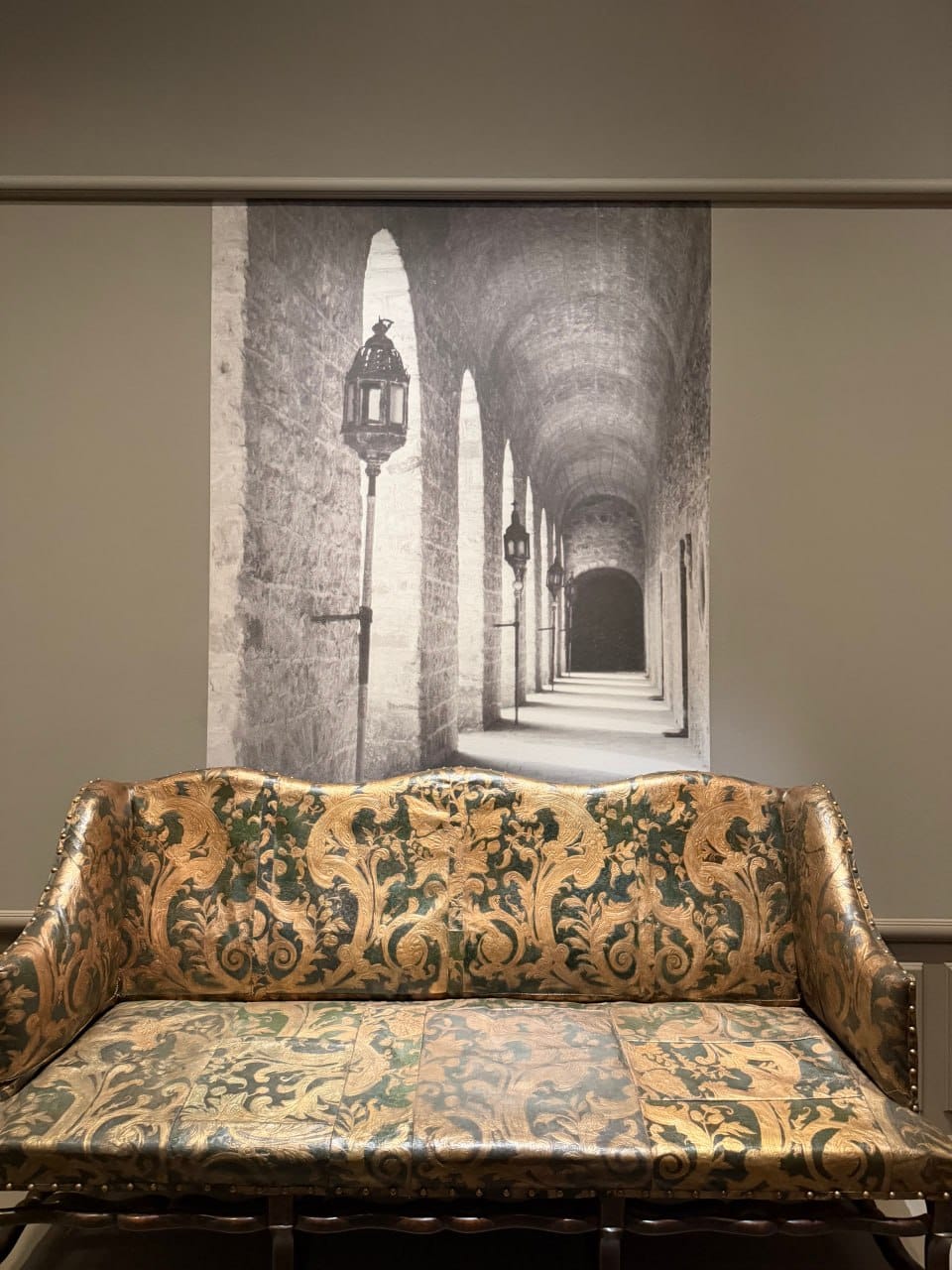
The exhibition space was designed by Robert Carsen, the celebrated opera director. He does not reconstruct Fayet's interiors but conveys their atmosphere through the colour and architecture of the rooms. Together with the publisher Gallimard, the foundation has issued two catalogues, is preparing an open database of the whole Fayet collection and an international symposium. At the Abbey of Fontfroide itself two exhibitions on Fayet are running in parallel: one on his entrepreneurship until 29 November and one on the abbey's decorative ensemble until 17 January.
The exhibition at the Fondation Louis Vuitton closes an important gap in the history of the modernist market. Shchukin and the Morozovs showed how private taste shapes the museum canon, while the case of Fayet shows how the same canon was formed through ceaseless resale. Many paintings that today belong to the museums of Buffalo, Cleveland, São Paulo and Copenhagen passed through the hands of a provincial wine-grower from Béziers