Kikai eruption 7,300 years ago and the fate of the Jomon population of Kyushu
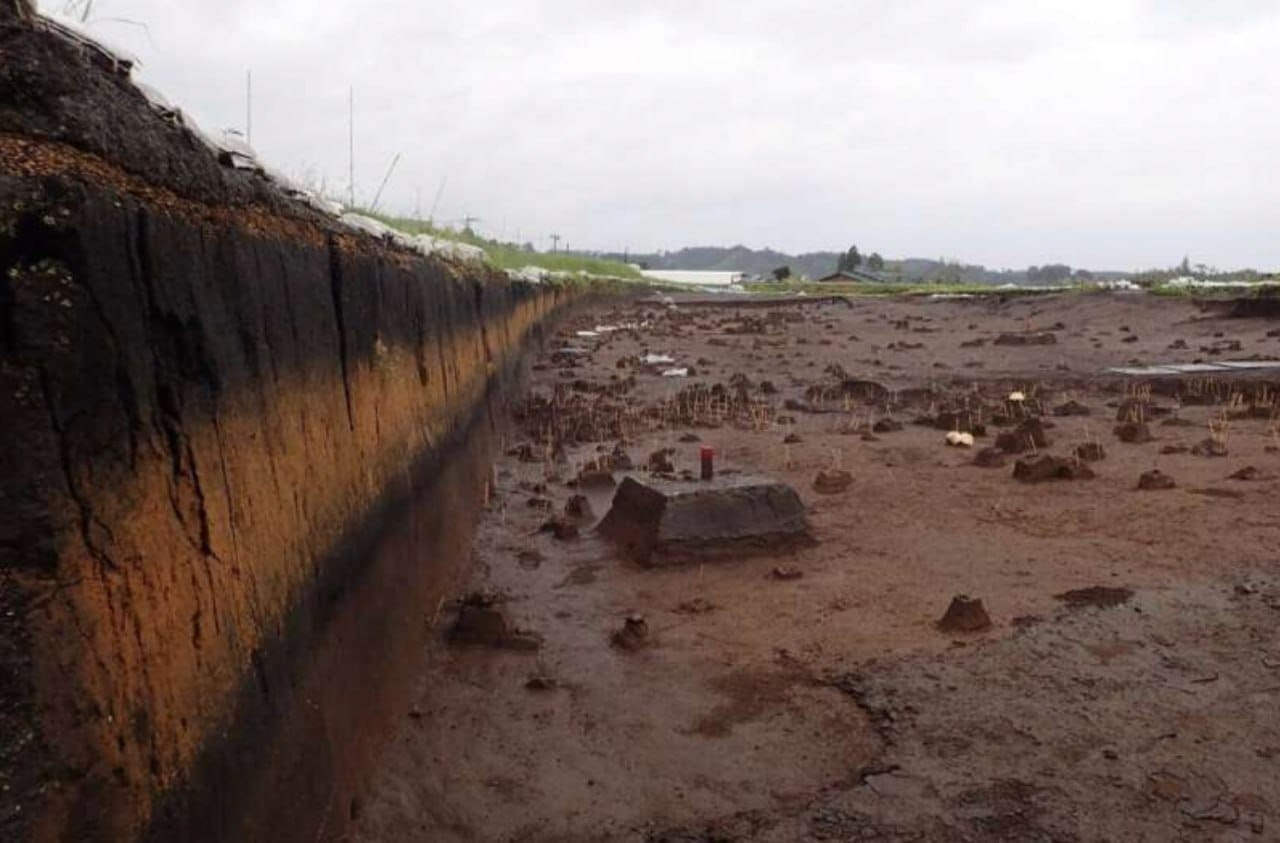
Around 7,300 years ago, on the sea floor off the southern tip of the island of Kyushu, the Kikai volcano erupted. It is known as the Kikai-Akahoya eruption, after the layer of orange volcanic ash, "akahoya", that it left behind. The eruption caused violent earthquakes, enormous tsunamis and an ashfall several metres deep. In southern Kyushu this ash can still be seen in sections of the soil. Scientists count the event among the most powerful volcanic catastrophes of the Holocene, the geological epoch that has lasted for the past 11,700 years.
At that time Japan was inhabited by the hunter-gatherers of the Jōmon culture. Archaeologists have long argued about how the eruption affected them. Some hold that near the volcano the population vanished entirely, others suppose that some of the local groups survived. A study published in the journal Science Advances shows that both versions are too simple.
In southern Kyushu the population was already shrinking before the eruption, and it was mostly mobile groups of hunters who visited the region. In the north of the island the population went on growing both during the catastrophe and after it, although the natural environment had suffered badly. The authors suggest that people fled there from the worst-hit districts. Survivors from the interior seem to have moved to the northern coast, where marine ecosystems recovered quickly, and to have mastered new ways of obtaining sea resources. In remote regions the population had been growing before the eruption, but afterwards it ceased to grow or declined. The researchers name as possible causes a short-lived change of climate, damage to the teeth of deer and wild boar that grazed on the ash-covered lands, and other consequences of the eruption for human health.