The Magnificent Léon Bakst from the Russian Museum Collection at the GES-2 Exhibition
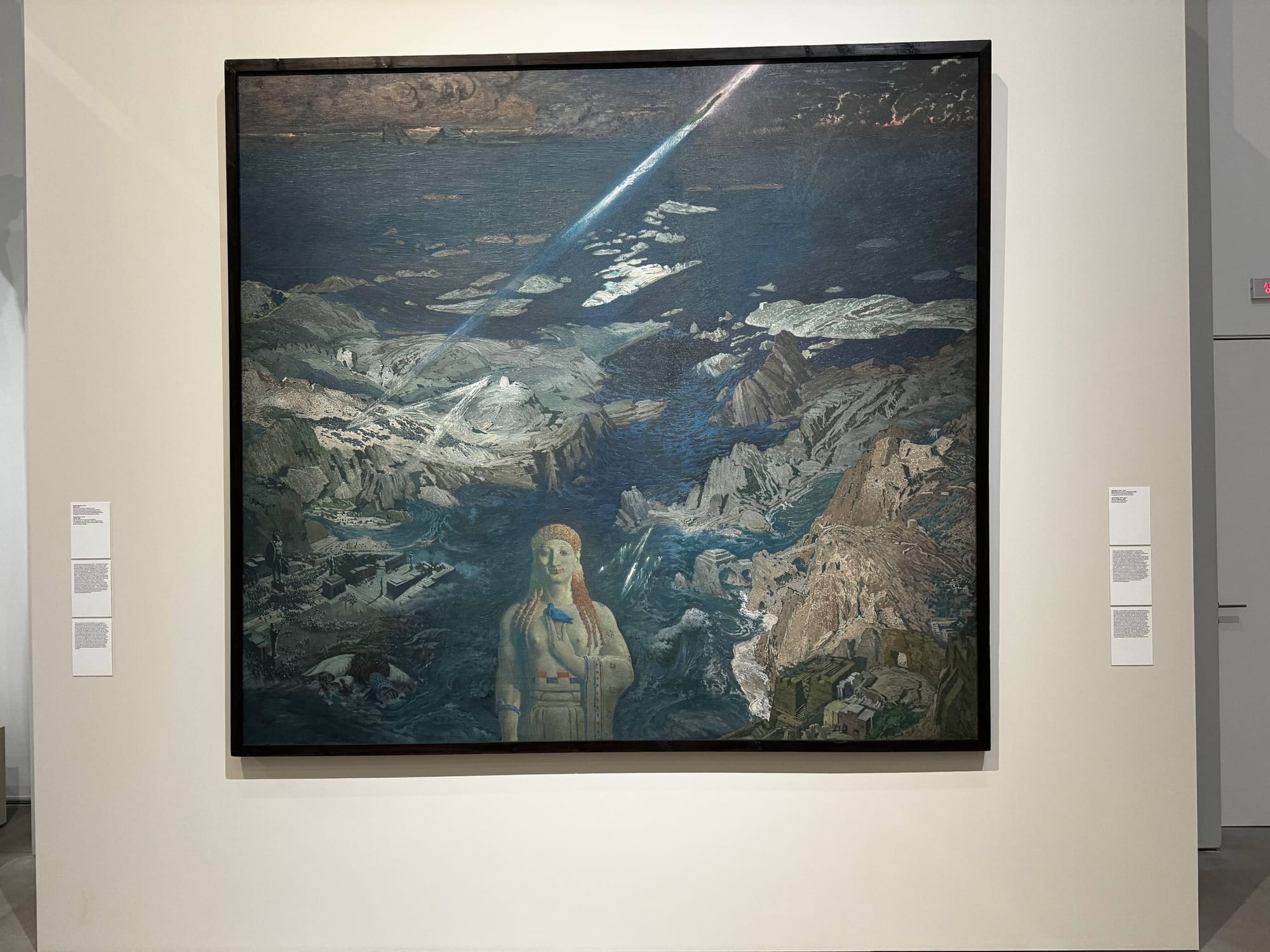
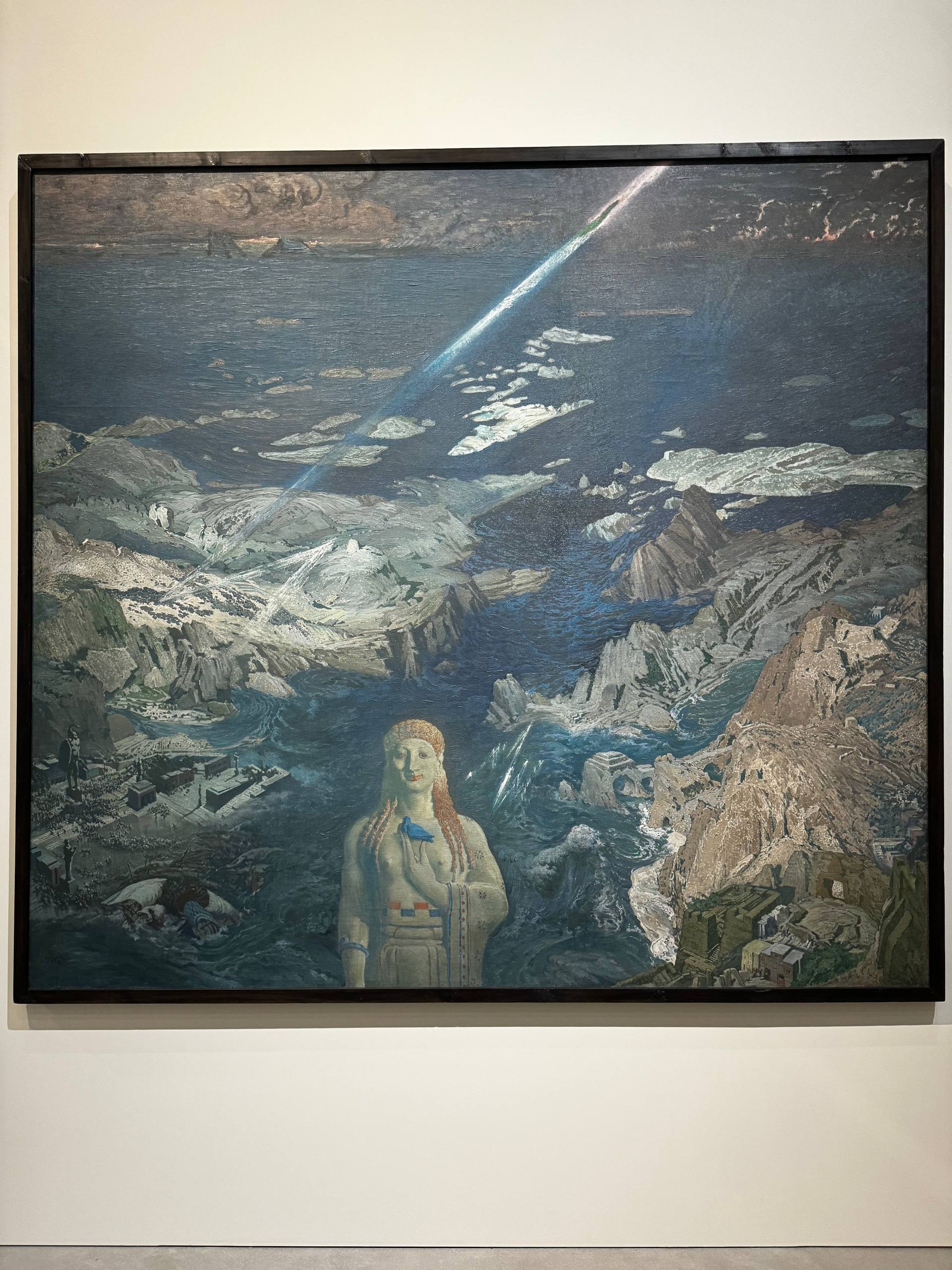
One of the key works of the Silver Age artist Léon Bakst, a meditation on the fate of the classical heritage amid the social and political catastrophes of the early twentieth century.
Painted after the Russo-Japanese War and the revolution of 1905-1907, the picture gave expression to the anxious presentiments that hung in the air: the end of the old order was approaching.
In depicting the fall of an ancient Greek city, the painter is concerned less with the scale of the destruction than with capturing the dread of a crisis of civilisation. Yet for the artist the classical is not something outlived; one must return to it. It serves as a source of aesthetic clarity, as against the chaos of modernist subjectivity, mannerism and excessive decorativeness. According to Bakst, it is precisely the unshakeable materiality of the classical heritage that will survive any cataclysm.
In part this fantasy proved prophetic. Neoclassical tendencies, born within modernism itself, led to the emergence of a "Soviet antiquity" and of new images of a utopian future.