In October 1944 the head of the Ancient East department of the Pushkin Museum submitted an official memorandum to the museum's director about a business trip to the town of Sukhoy Log in the Sverdlovsk region
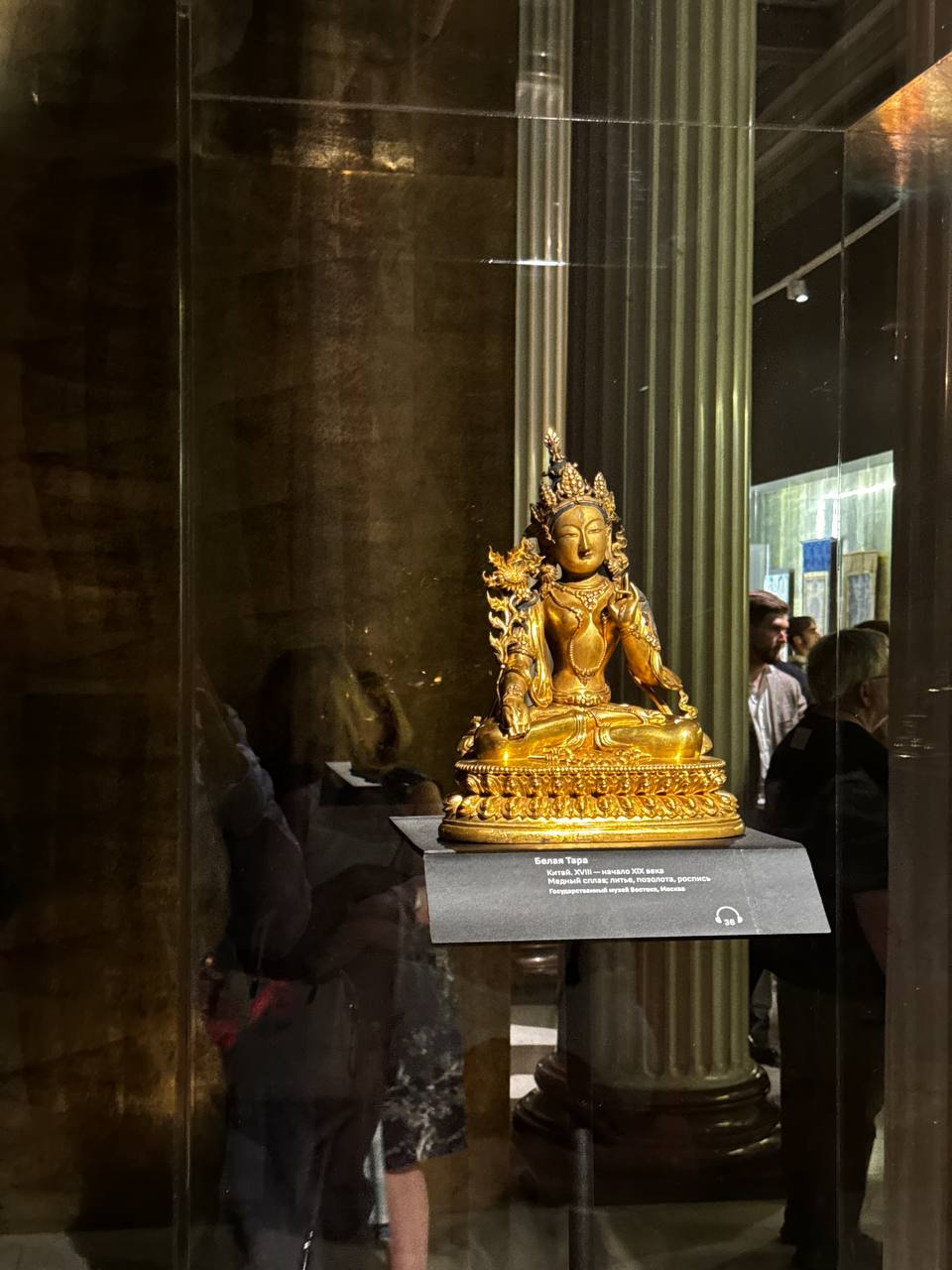
In October 1944 the head of the Ancient East department of the Pushkin Museum of Fine Arts submitted an official memorandum to the museum's director about a business trip to the town of Sukhoy Log in the Sverdlovsk region. Vsevolod Pavlov, a specialist in Ancient Egypt who had taught that course at the university for thirty years, spent two weeks in a factory yard sorting through a heap of non-ferrous scrap consisting of Buddhist statues.
The story had begun a month earlier. The museum's director, the eminent sculptor Sergei Merkurov, learned from somewhere that at Plant "S" of Glavvtortsvetmet there lay several hundred tonnes of bronze of the Buddhist circle, and wrote to Molotov. The letter contains a dreadful phrase: "part has already been melted down". The journey was urgent.
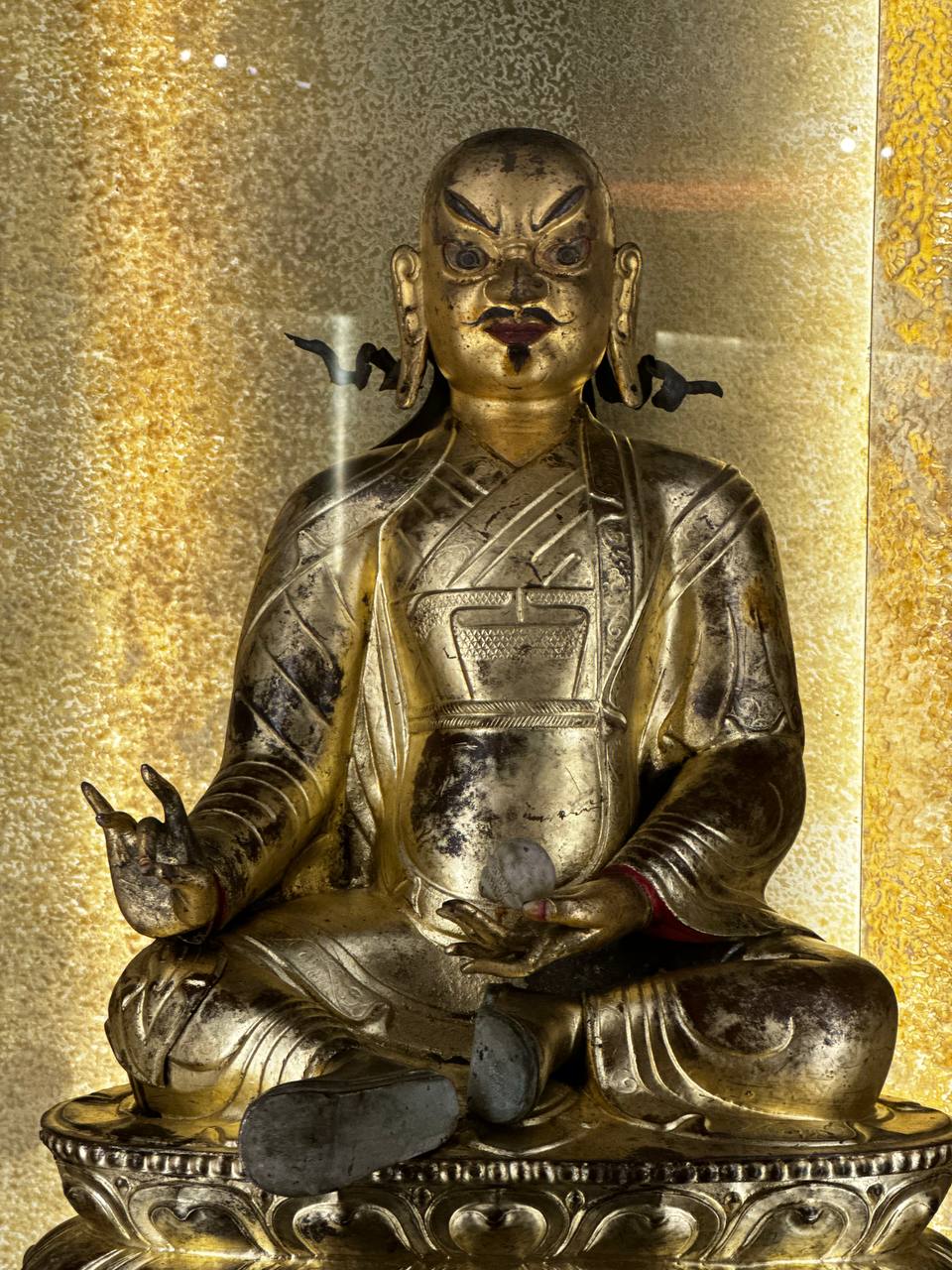
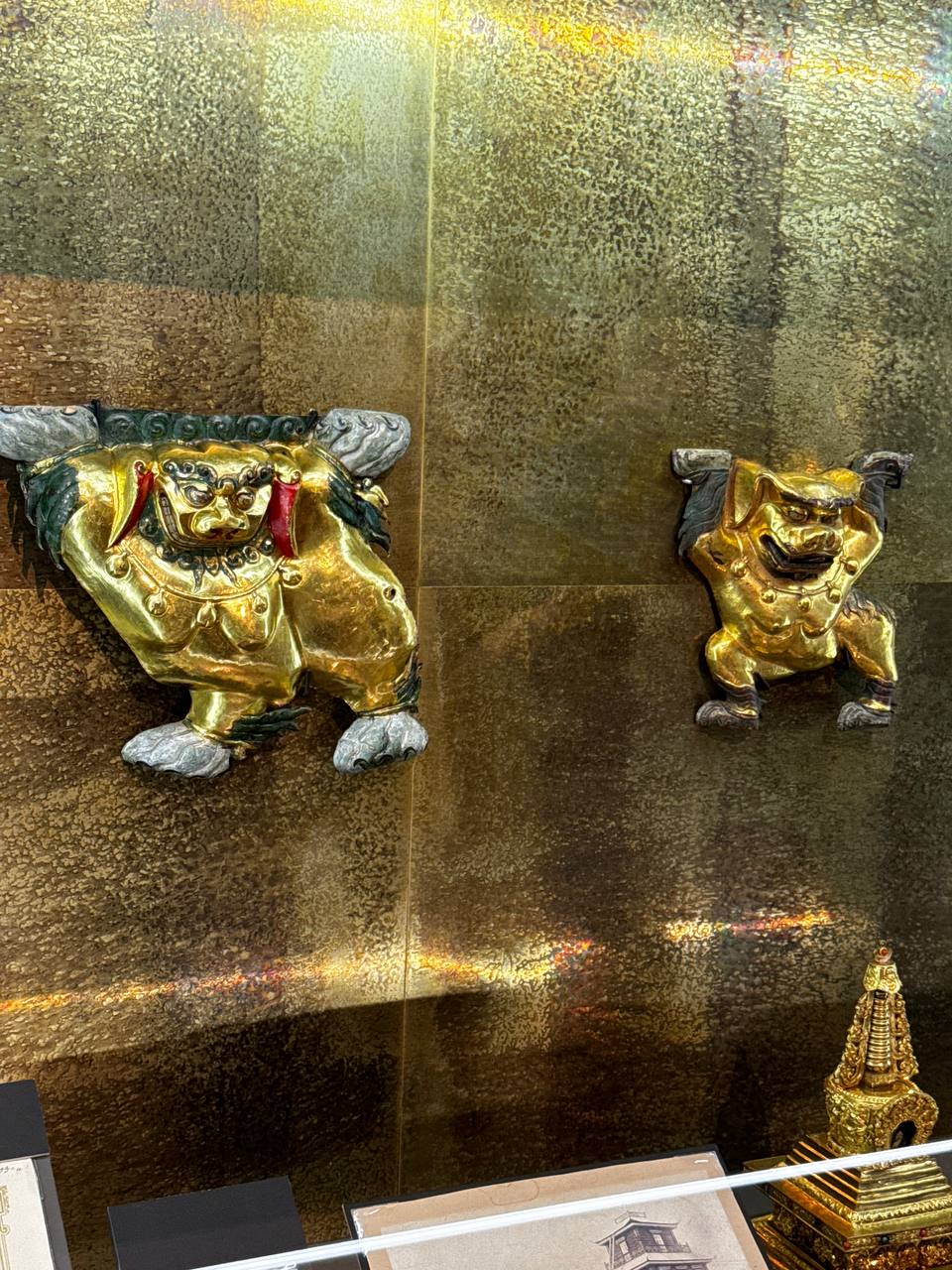
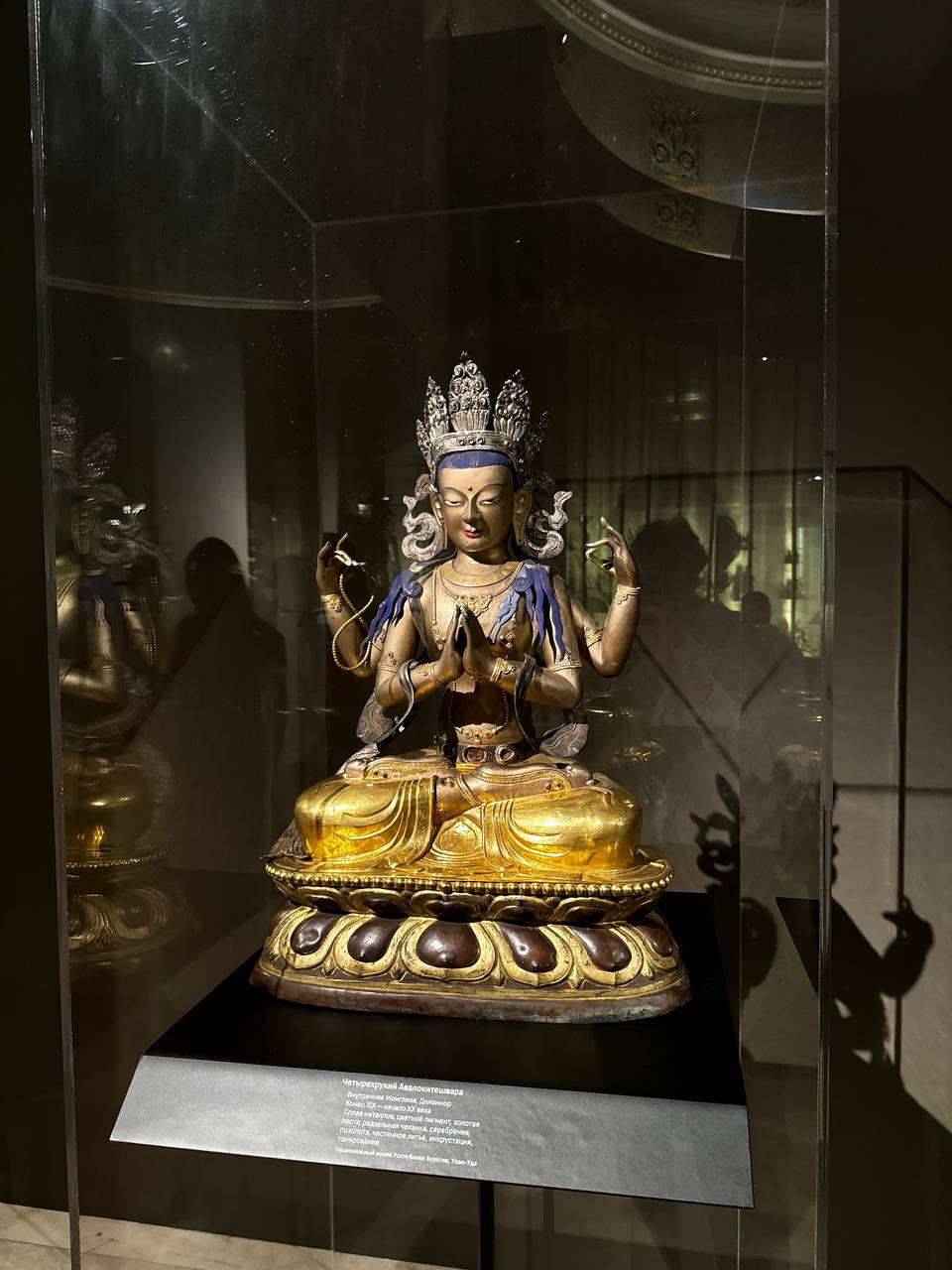
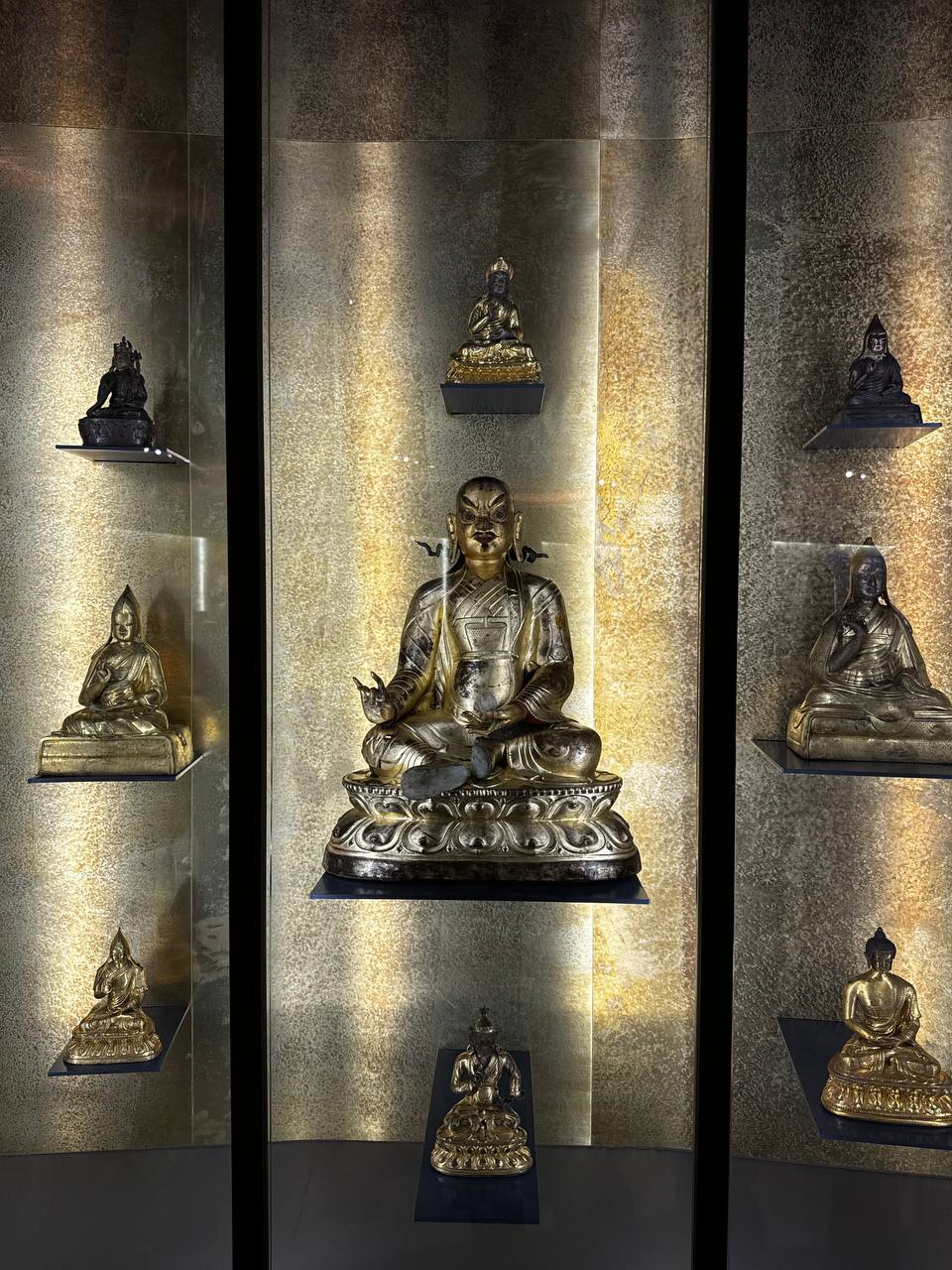
The factory engineers estimated the mass of gilded scrap at a hundred to a hundred and fifty tonnes and, importantly, had separated it from the rest of the raw material themselves, before Pavlov arrived; gilding, after all, can be made out even without an education in art history. Pavlov faces a difficult dilemma: either to abandon the selection of figures altogether, since the material was late, Mongolian, of the 19th and 20th centuries, and its condition, alas, was far from museum standard, or to take only what could be restored. He chose the second course and worked out a clear criterion. Since the iconography of Buddhist sculpture is conservative and repeats itself, pieces had to be selected until the types were exhausted, and within a single type gathered by school and quality of casting. In two weeks he selected 170 items, packed them into eight numbered crates and handed them over, against a receipt, to a warehouse under military guard.
In the same memorandum he records three further things. Among the scrap there turn up Chinese objects imported into Mongolia. There turn up forgeries of Western European manufacture, which Pavlov calls curious for the history of technology. And more than the mountain from the factory went to the museum: one polychrome statue of the Buddha was bought at the local market, which is to say that in the unloading of those hundred and fifty tonnes something stuck to the hands of the porters and railway trackwalkers.
In the summer of 1945 Pavlov came again, this time with the twenty-two-year-old Vadim Polevoy, a future Byzantinist. Polevoy compiled the first inventory book: he identified the figures as far as he could, described their condition and took measurements. As a result of the two expeditions the Pushkin Museum's collection grew by 229 items.
Unfortunately, until the 1980s the sculpture lay in crates and was hardly studied in earnest. Restoration began in 1994, carried out by Ilya and Anna Smirnov, later by Mikhail Tulubensky, and now by Yury Voronin and Albina Zhukayeva. The collection's curators in succession have been Svetlana Khodzhash, Olga Vasilyeva and, since 2020, Elizaveta Vaneyan, who refines the attributions and writes articles about these objects. She is also the curator of the present exhibition "Diamond Chariot" at the Pushkin Museum; the guest curator is Nonna Alfonso of the Museum of Oriental Art.
But the incident at Sukhoy Log was not an isolated case. Viktoria Demenova of the Ural Federal University studies an entire layer of what she calls repressed bronze. Her field of view takes in cult objects confiscated in the 1930s, which during the war were carted off to the Urals plants of Vtortsvetmet, and some of them ended up in museums in Yekaterinburg and Chelyabinsk by the same route as the Moscow collection. The Dolonnor school of Inner Mongolia, to which a fair share of this material belongs, is now being reconstructed, among other means, by elemental analysis of the alloys, which shows that the head, body and pedestal of a single statue are often cast from different bronzes.
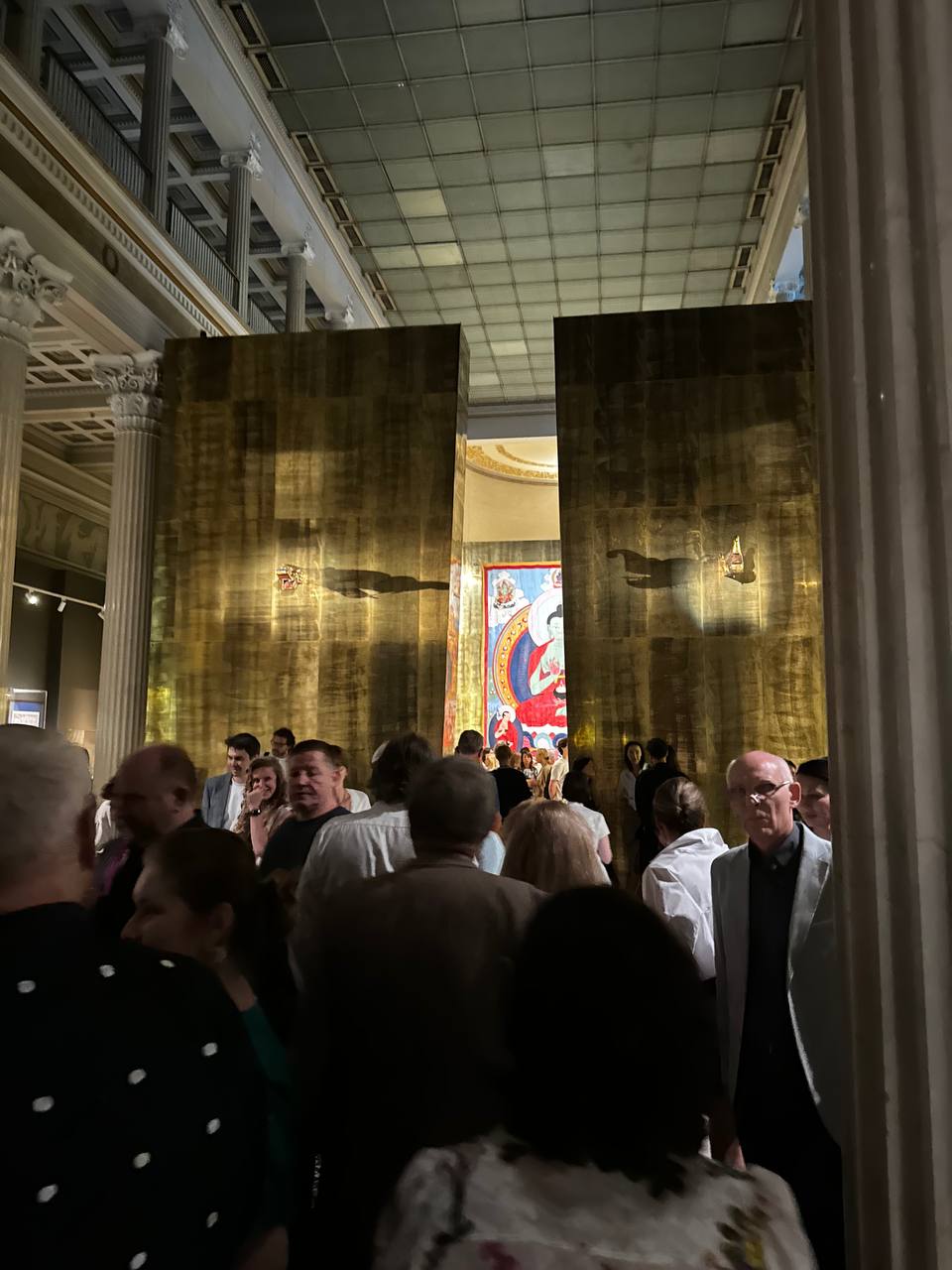
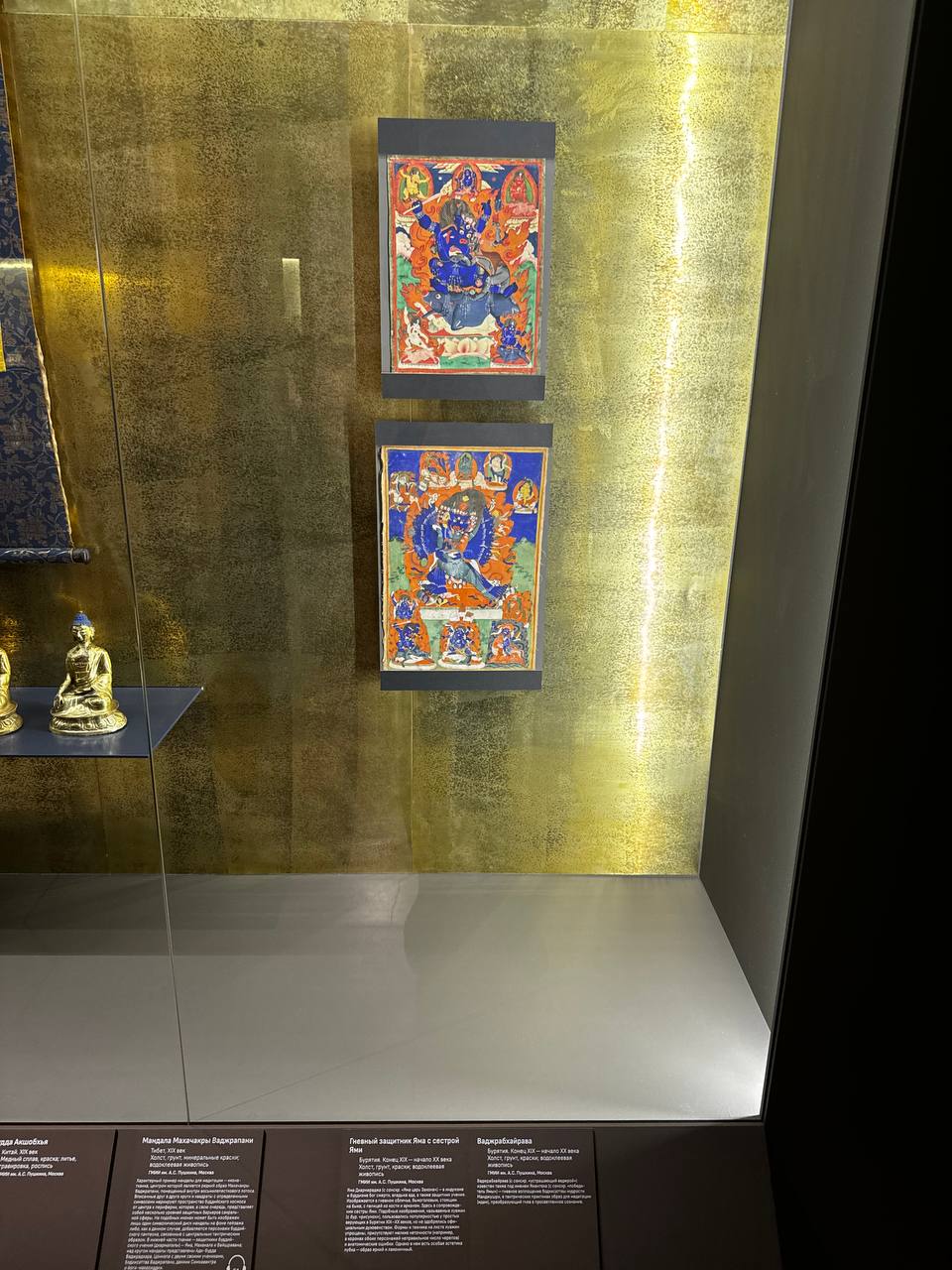
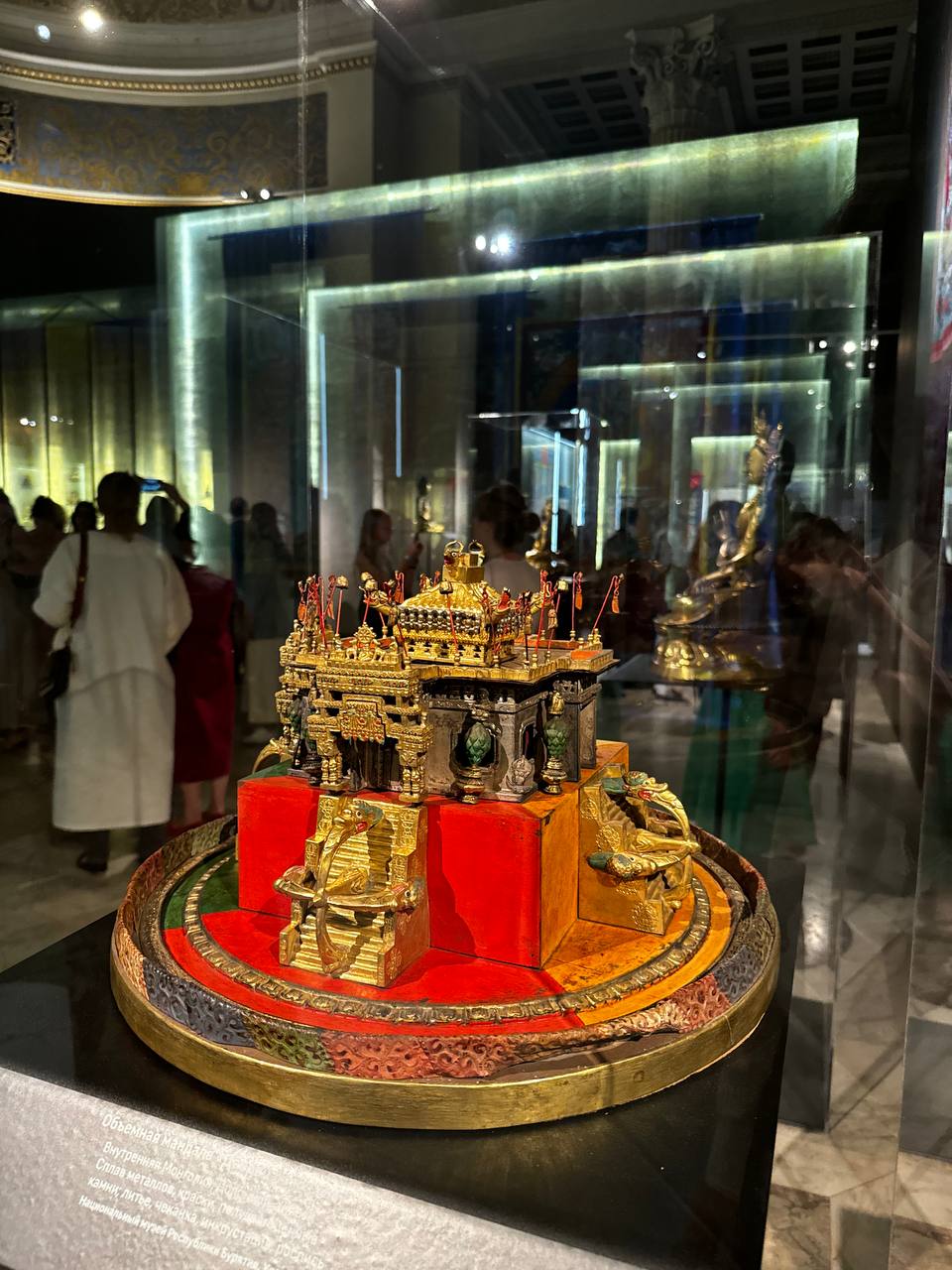
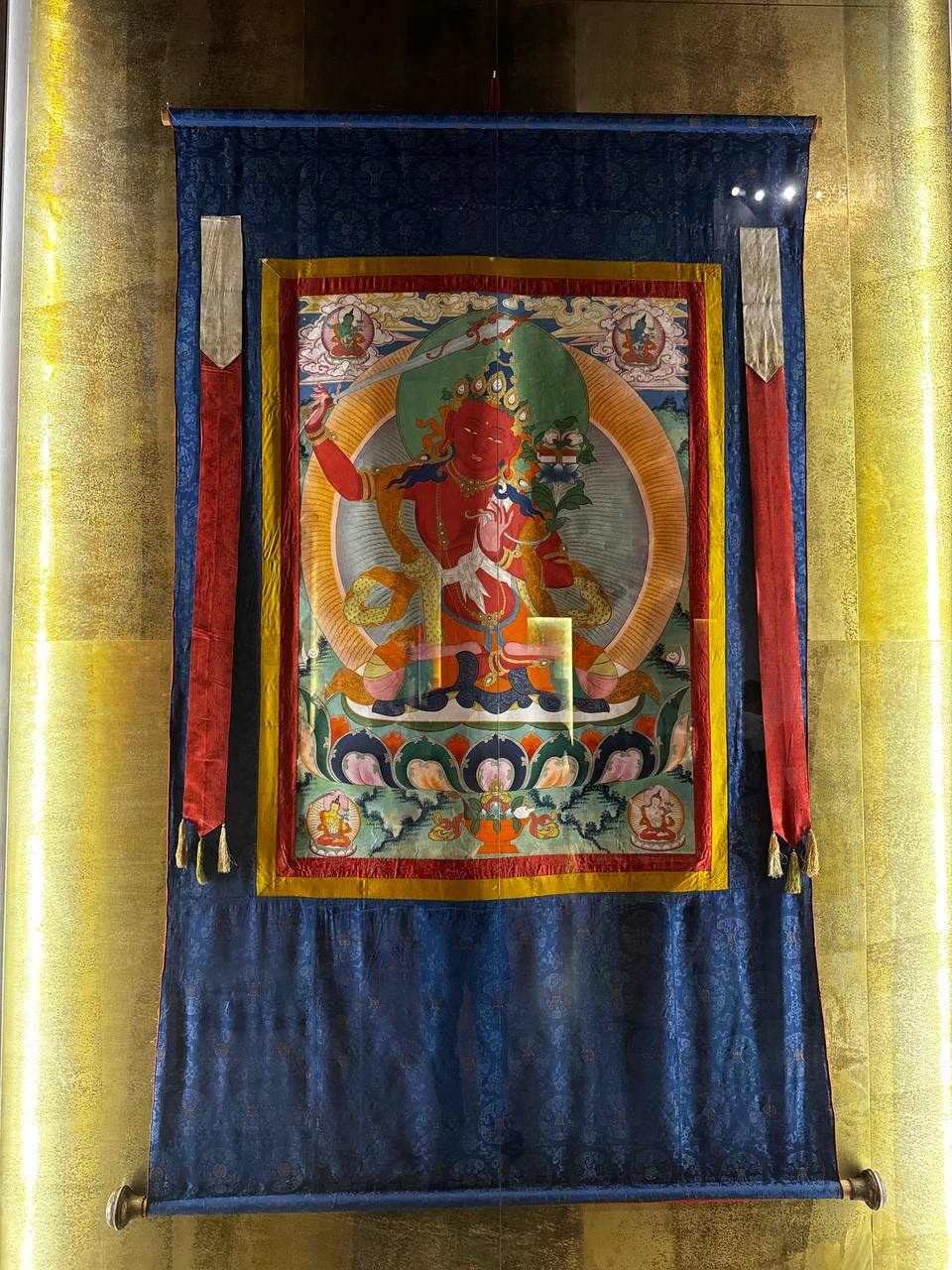
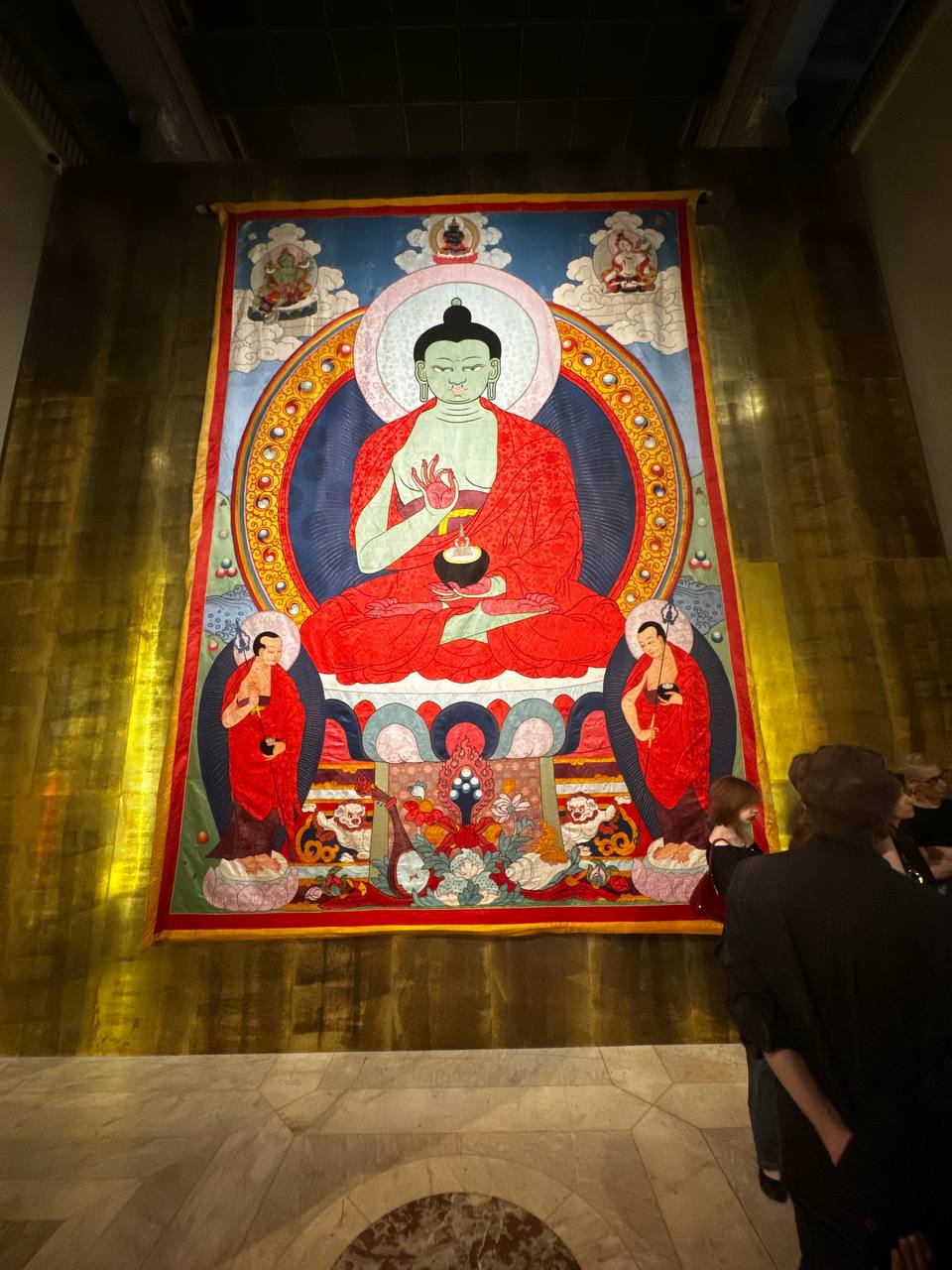
The exhibition "Diamond Chariot. Buddhist Art of Russia" is on in the main building of the Pushkin Museum on Volkhonka until 1 November. There are more than seven hundred objects, and six participating museums, including the national museums of Buryatia, Tuva and Kalmykia, the Astrakhan Museum-Reserve and the Kyakhta Museum of Local Lore. The sculptures from Sukhoy Log are being shown for the first time. It is worth seeing: a truly colossal collection.