In Cairo the shops stay open until nine in the evening, and sometimes later, depending on how trade is going
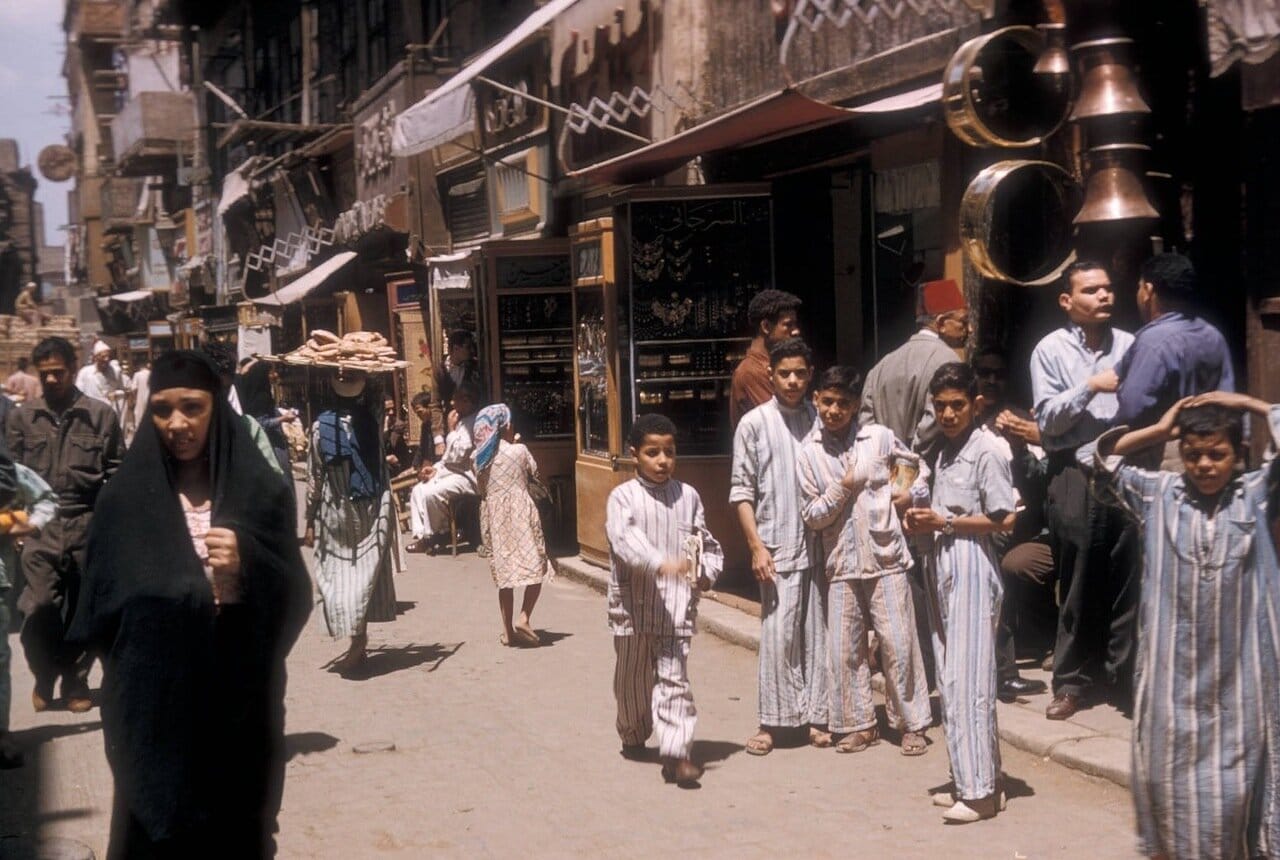
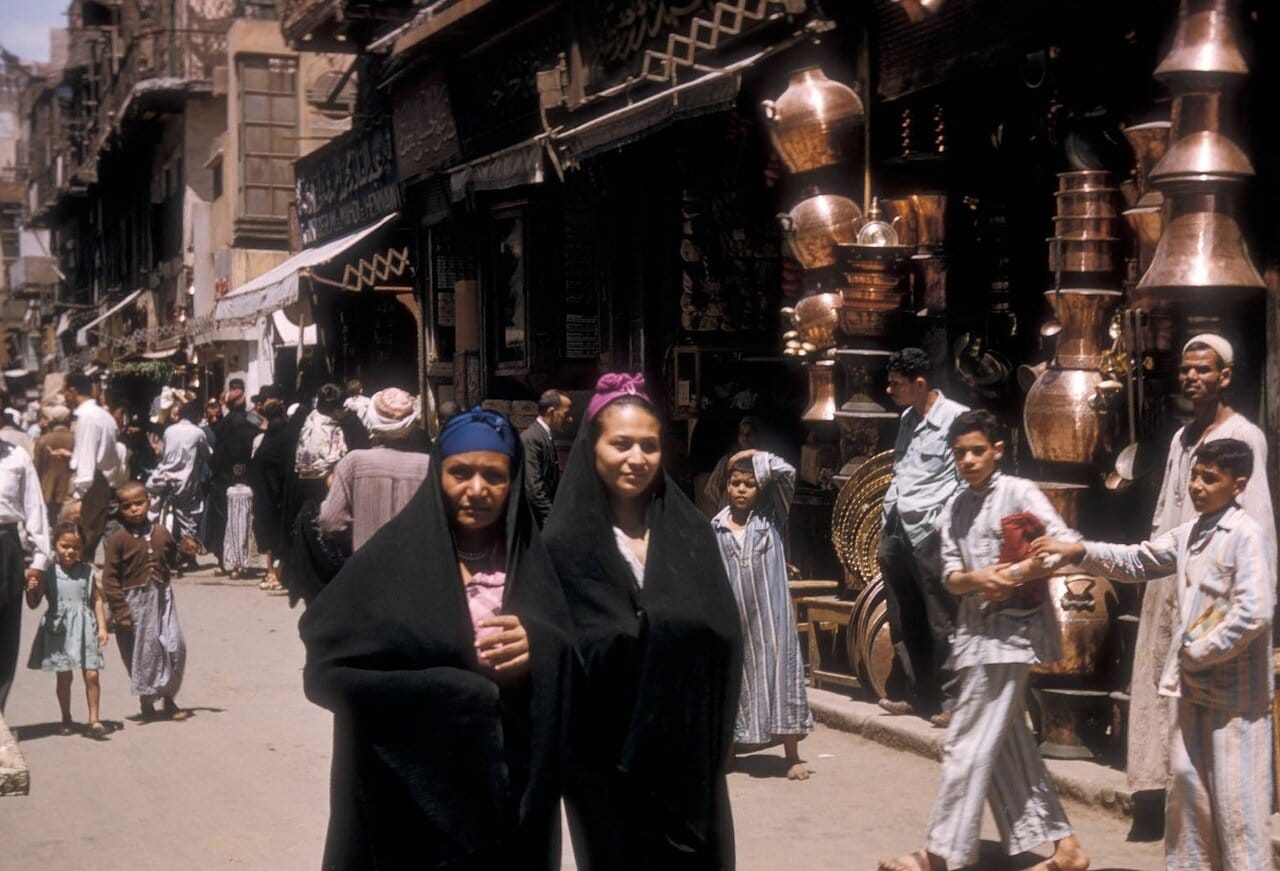
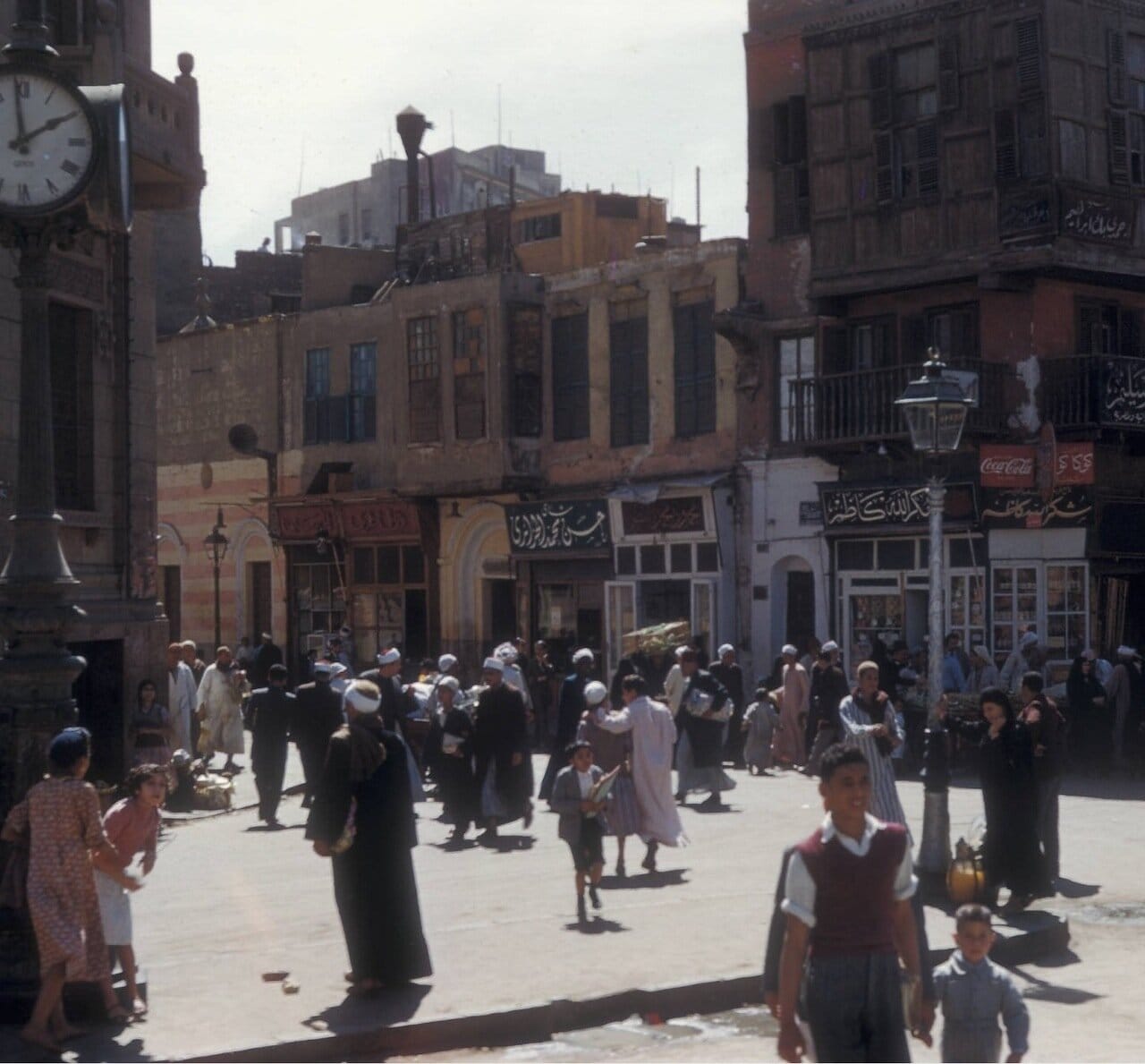
In Cairo the shops stay open until nine in the evening, and sometimes later, depending on how trade is going. Light, colour, shouting, noise and movement stun the senses. Everything shouts: the Arabs shout, the cars hoot, the hawkers shout, the donkeys shout, but loudest of all shout the stallholders, the sellers of nylon socks. They sell their wares 5 piastres cheaper than in the shops, that is, at 15 piastres a pair. Fifteen in Arabic is “khamastashar”, and that word pursued us the whole time we were on tour, more than three months. Moreover, the Arabs pronounce it with a guttural sound, at full “forte”, as though tearing out the last remnants of their voices. Customers rummage at the stall; the owner trusts them, but God forbid you should short-change him, even by mistake, by a single piastre: a terrible scandal breaks out.
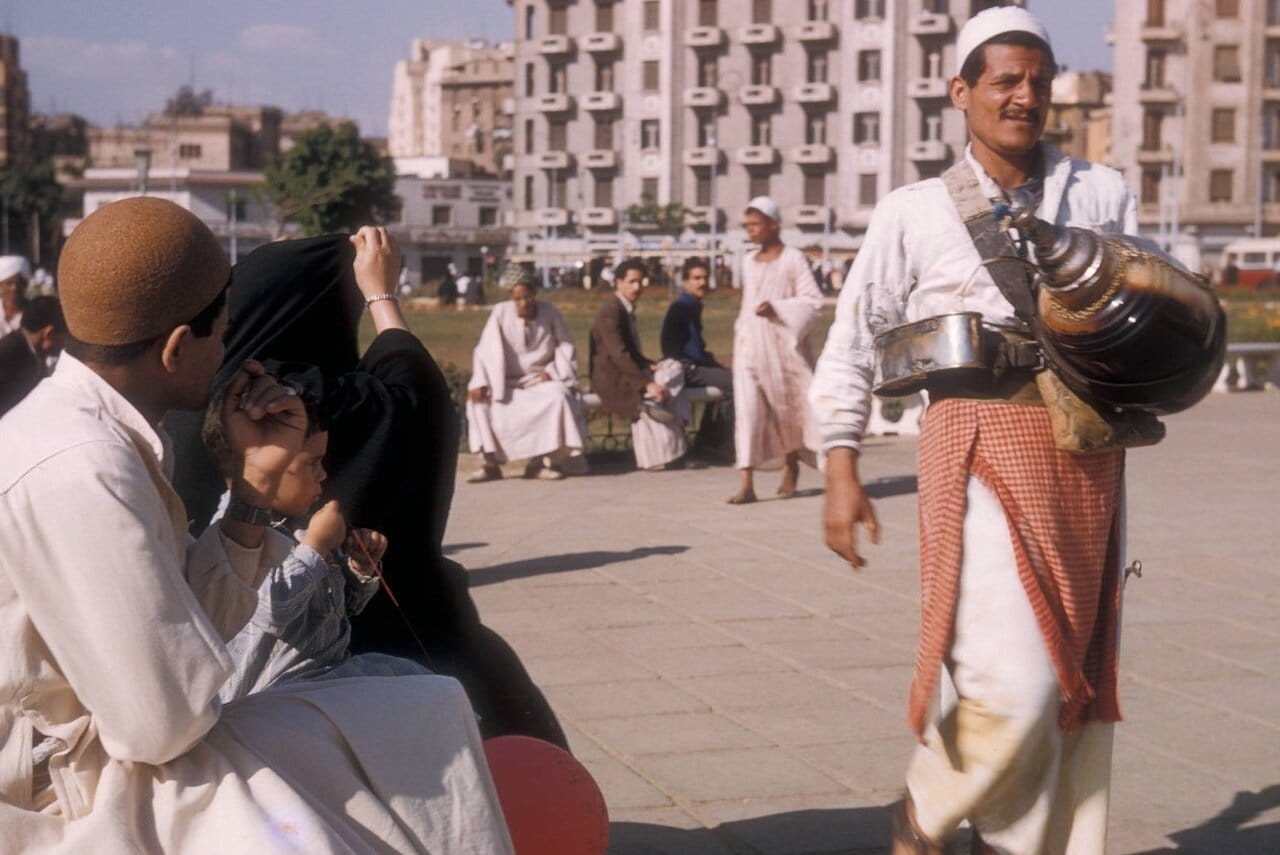
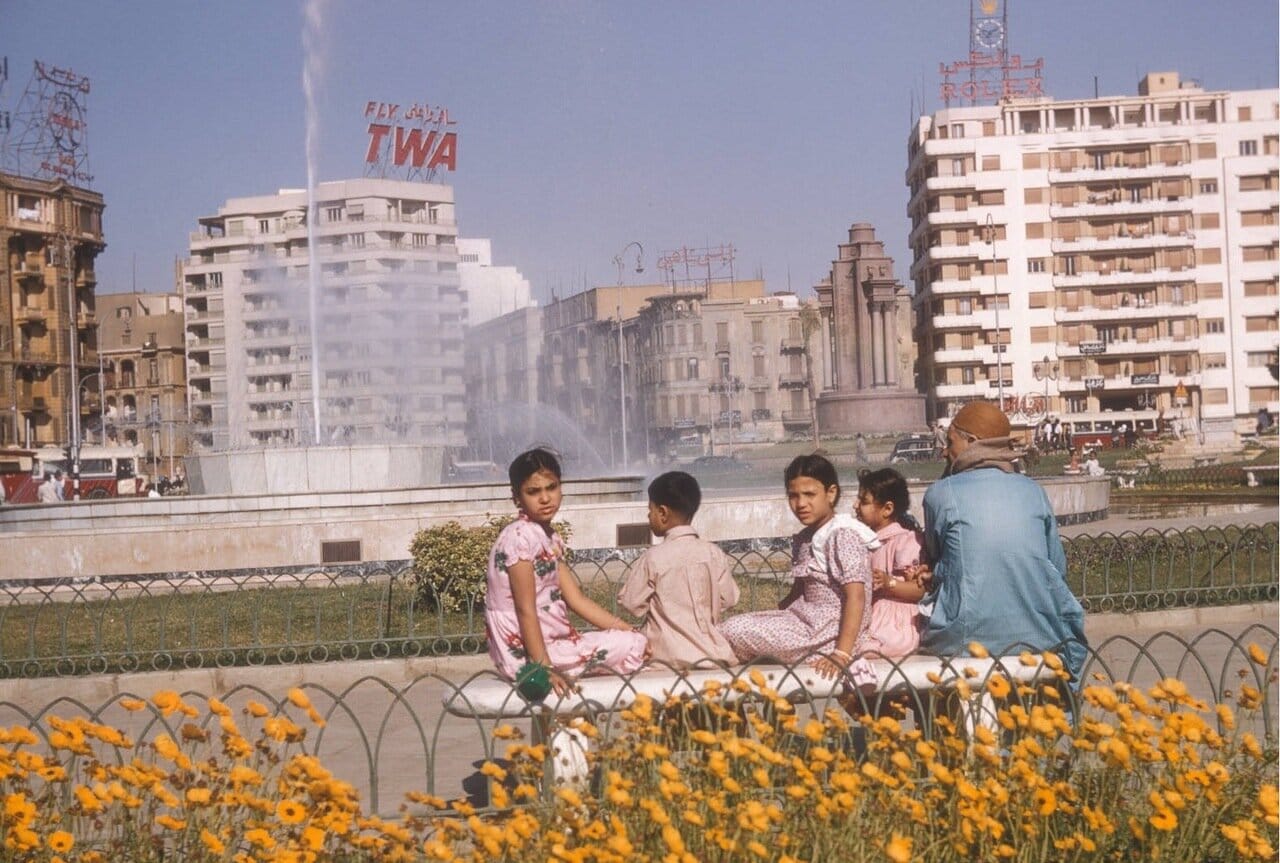
The crowd is dressed in motley and colourful fashion, the women especially (except for those who wear the black national robes and the yashmak). Blue, yellow, green and red, and light-coloured shoes. They are dressed lightly, despite its being December. Heads are uncovered. A coat is a rare sight. The women wear raincoats or woollen jackets. The men, those who are better off, are as a rule in white starched shirts. Evidently this is well thought out: white sets off the dark tone of the skin to great advantage.
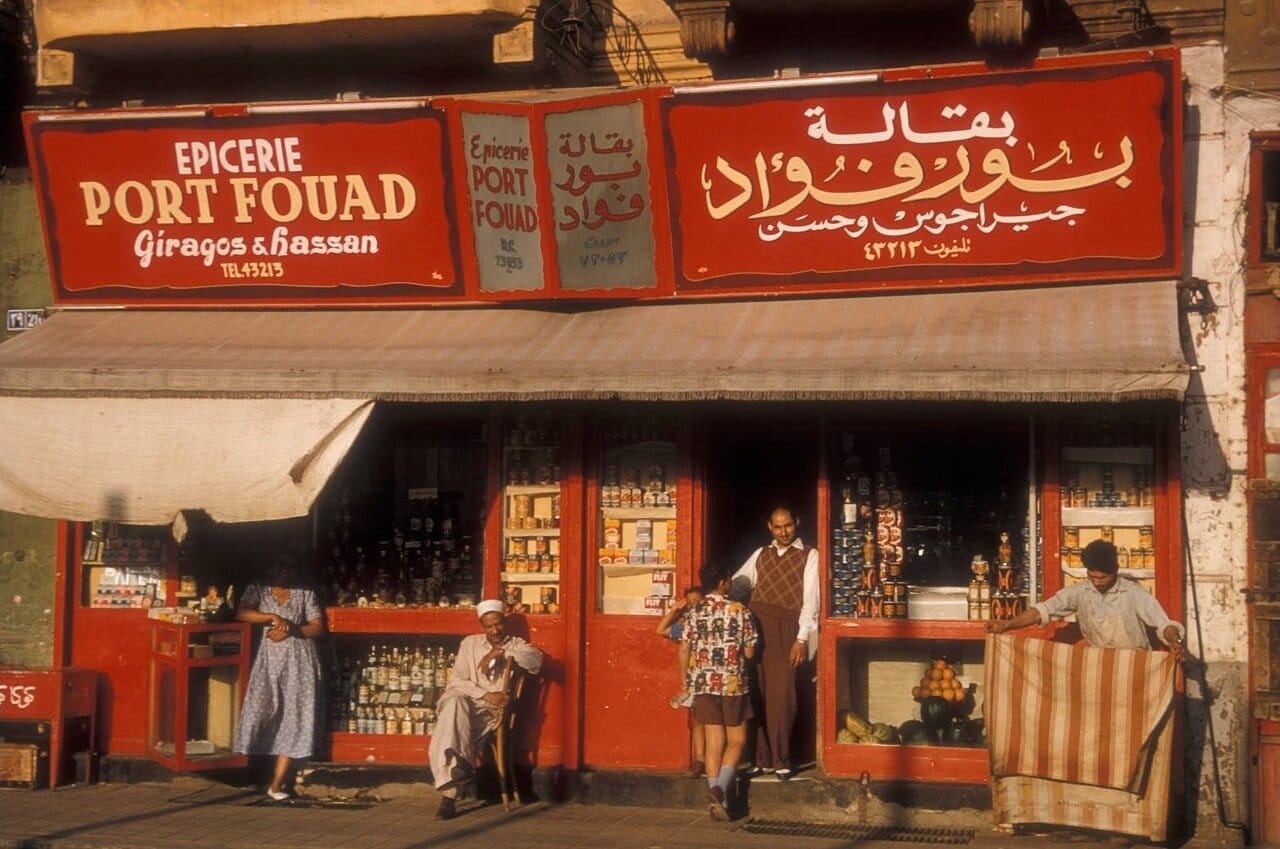
In the centre of the city’s commercial district the ground floors are given over entirely to shops. The main shopping street is the most crowded. The shop windows dazzle and make the eyes swim. The shoe shops are particularly astonishing. From a distance you might take a shoe shop for a display of sweets or a window of children’s toys, but as you come closer you are convinced that these are ladies’ shoes and children’s shoes: pink, blue, brocade, gold, silver, transparent as glass. Shoes of sequins, evening shoes of silk and of fur, without heels; and on stiletto heels of such height that it seems impossible not merely to walk on them but even to stand. But alas! The shops are often empty. Customers have to be lured in...
You stop at a shop window. Two or three assistants swoop down on you: “Madame, come in...” If you have no money, better not go in: they will sit you down all the same and a whole performance will begin. They will offer you everything it is in their power to offer. They will open dozens of boxes, clamber up every ladder in the shop, treat you to coffee or tea. But if you buy nothing, what a sigh of disappointment follows you out
From the memoirs of the ballet dancer and teacher Tatyana Vyacheslova, on the Mariinsky Theatre’s tour of Cairo in 1959